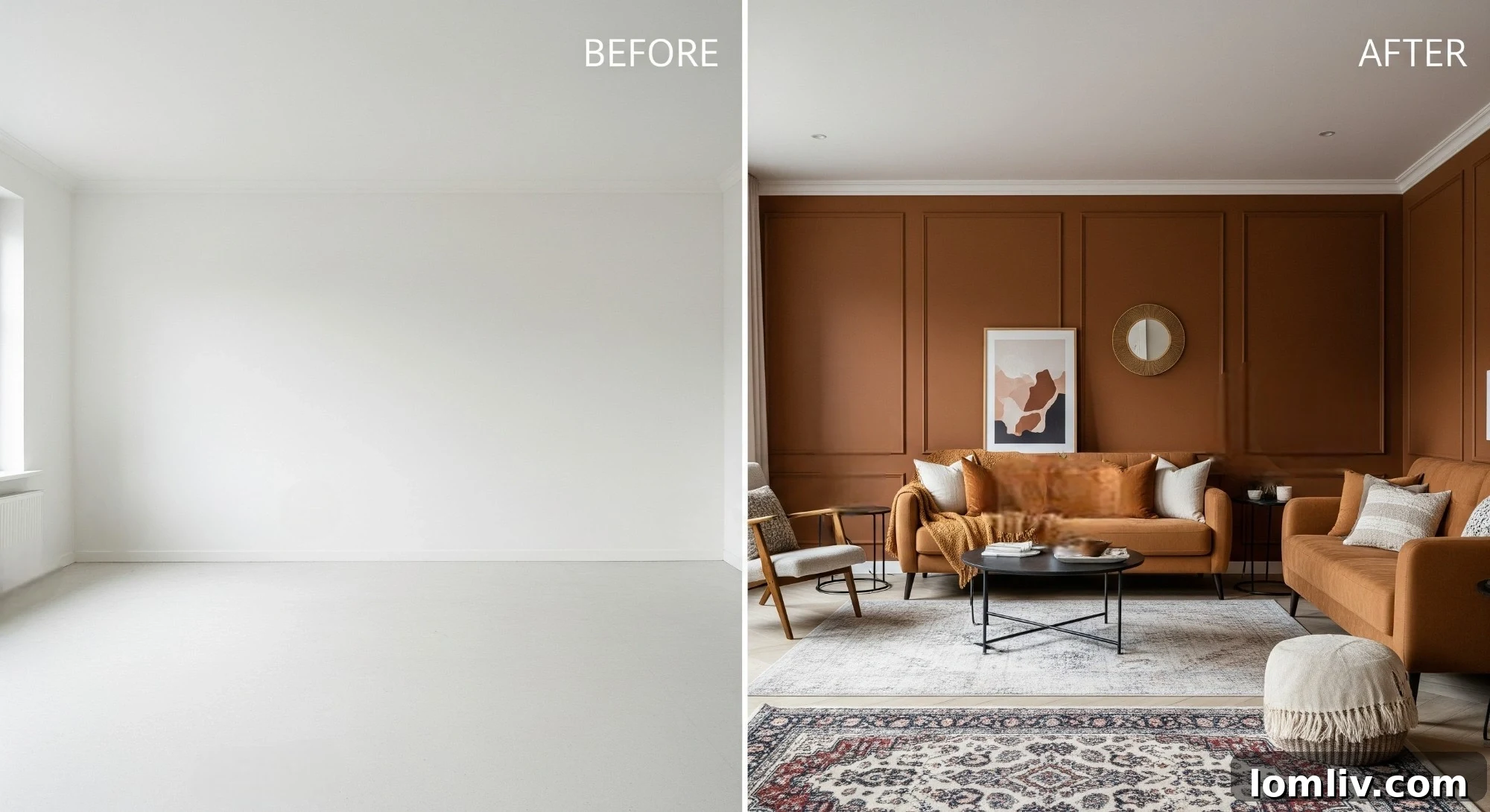
The challenge of selling an empty house is universally acknowledged in the real estate sector. It’s akin to presenting an unfinished canvas and asking someone to envision a masterpiece. Properties devoid of furniture and decor often feel sterile, echoing, and profoundly uninviting. They lack the warmth and character that transform a mere structure into a potential home. Without a tangible sense of how a space can be lived in, potential buyers struggle to form the crucial emotional connection needed for a successful sale. They can’t picture themselves creating memories, celebrating milestones, or simply relaxing within those bare walls. This fundamental disconnect often leads to properties languishing on the market, failing to capture the imagination or serious interest of prospective homeowners.
The core problem lies in traditional photography of vacant spaces. While accurate, these images fail to convey atmosphere, scale, or potential. Buyers are left to guess, making it difficult to envision their future life in the property. This is precisely where virtual staging emerges as a game-changing solution. Collaborating with a professional architectural visualization company empowers sellers to transform any empty room into a captivating, warm, and inviting space that instantly resonates with buyers, showcasing its true potential.
What Is Virtual Staging? Redefining Property Presentation
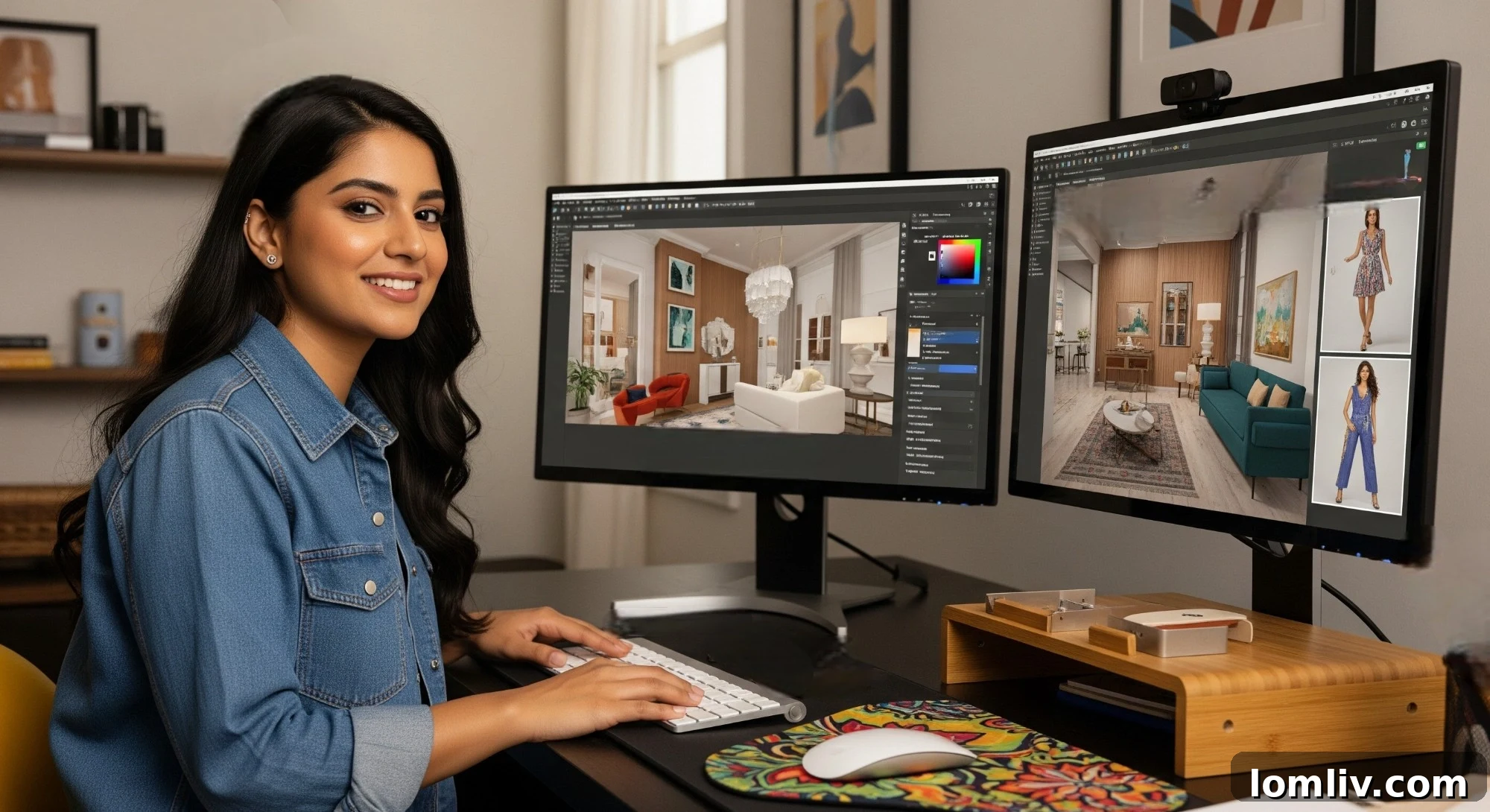
Virtual staging represents a revolution in how properties are presented to the market. Leveraging advanced 3D visualization services, this innovative technique allows for the creation of incredibly realistic, high-quality images that breathe life into previously empty rooms. Expert designers meticulously craft 3D models of stylish furniture, sophisticated decor, engaging artworks, and other essential interior design elements. These digital assets are then seamlessly integrated into photographs of unfurnished spaces, creating an illusion of a fully decorated home.
Far beyond simple photo editing, virtual staging is a sophisticated art form that involves intricate details. It meticulously simulates realistic shadows, authentic textures, and precise angles to ensure that every virtual element appears indistinguishable from real-life furnishings. The goal is to create a sense of depth and realism that convinces the viewer they are looking at a professionally staged physical space. A skilled architectural visualization company masterfully orchestrates these elements, bringing each digital scene to life and helping prospective buyers vividly grasp the immense potential of a property, inspiring them to imagine their own lifestyle within its walls.
How Virtual Staging Elevates Property Listings and Accelerates Sales
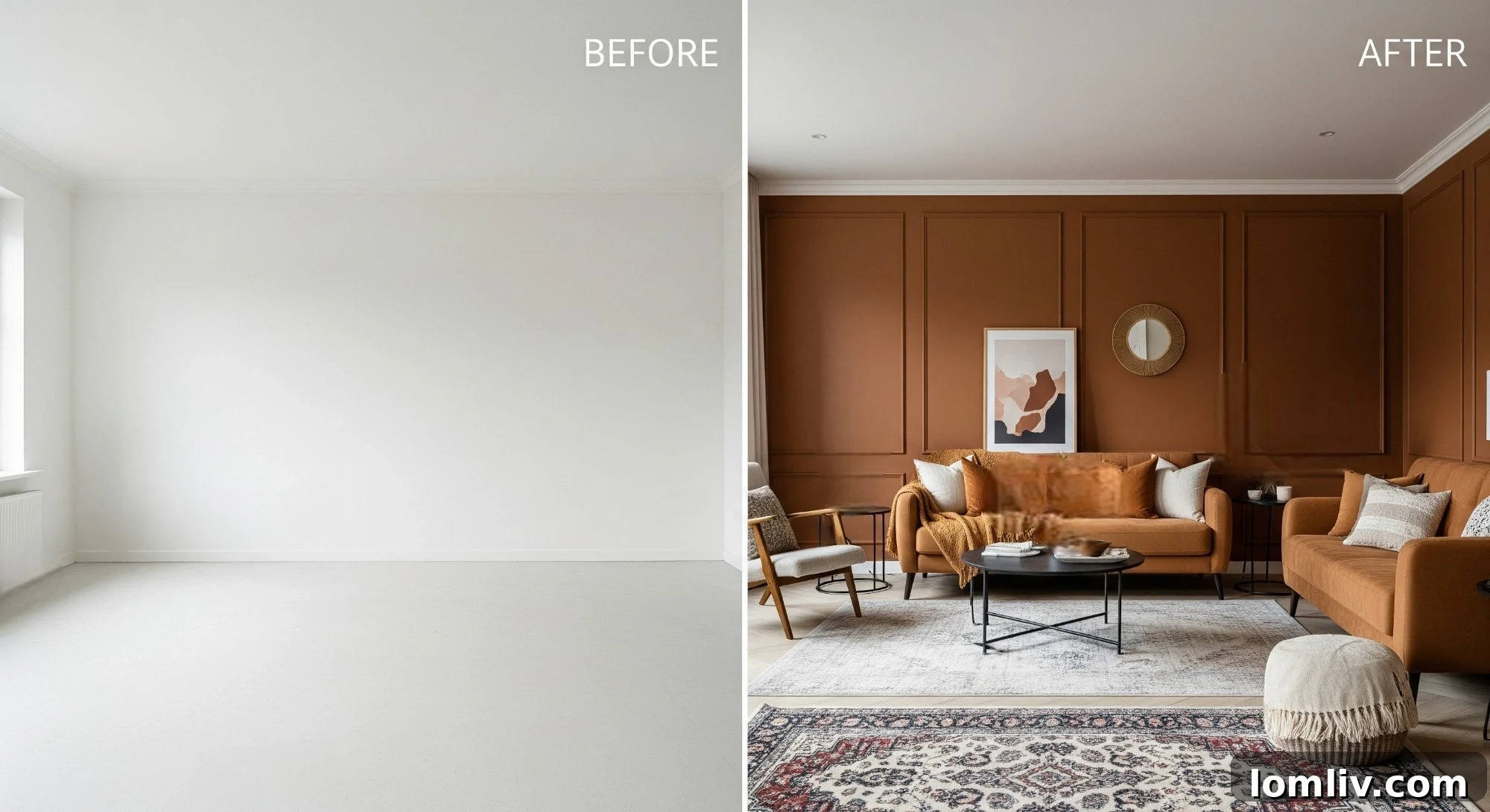
While the concept might initially seem unfamiliar to some, virtual staging has rapidly become an indispensable tool for real estate professionals looking to significantly enhance their property listings. Its strategic advantages are compelling, leading more sellers and agents to embrace this cutting-edge approach to marketing. Here’s why virtual staging is transforming the landscape of property sales:
Enhanced Visual Appeal and Dominant Online Presence
In today’s digital-first real estate market, stunning visuals are paramount. Buyers typically begin their home search online, scrolling through countless listings in mere seconds. High-quality, captivating images are not just desirable; they are essential for grabbing attention and making a lasting first impression. Virtual staging ensures your property is showcased in its absolute best light, presenting furnished, inviting rooms instead of stark, vacant ones.
These expertly crafted 3D renderings possess an unparalleled ability to leave a memorable impression, significantly boosting engagement. More importantly, they allow buyers to instantly visualize themselves inhabiting and enjoying the space, a critical factor in sparking interest. In a highly competitive market, compelling visuals are everything. Virtually staged images are inherently more eye-catching, leading to higher click-through rates, increased website traffic, and a greater influx of serious inquiries, ultimately strengthening the property’s online presence and market reach.
Unmatched Cost-Effectiveness and Time Efficiency
One of the most significant advantages of virtual staging is its remarkable cost and time savings compared to traditional physical staging. The cumbersome logistics and substantial expenses associated with renting, moving, and arranging physical furniture, hiring professional stagers, and insuring valuable items are completely eliminated. With virtual staging, the entire process is managed digitally by skilled 3D rendering experts. This streamlined approach means you can receive photorealistic staged images within a few days, or even hours, allowing your property to hit the market faster and at a fraction of the cost.
For real estate professionals and homeowners alike, the return on investment (ROI) is crystal clear. By dramatically reducing staging costs – often by 70-90% – and accelerating market entry, virtual staging helps properties sell quicker and often at a higher price point, maximizing profitability and minimizing holding costs.
Forging Emotional Connections: Helping Buyers Envision Their Future
Empty rooms are notorious for leaving buyers with an overwhelming sense of uncertainty. Questions like: “How will my furniture fit here?” “Does this layout work for my family?” “Can I truly feel at home in this space?” often create mental barriers. Virtual staging masterfully eliminates these unknowns by creating a vivid, lifelike vision of what their future home could look like. It effectively helps buyers understand the scale, proportion, and optimal layout of each room, answering practical questions about furniture placement, lighting possibilities, and overall functionality.
Crucially, virtual staging goes beyond mere practicality; it cultivates a powerful emotional connection. Buyers can easily imagine themselves enjoying a quiet morning coffee on a beautifully staged balcony, hosting lively dinner parties in an inviting dining room, or spending quality time watching a blockbuster movie with friends in a cozy, well-appointed living room. By presenting a lifestyle rather than just an empty shell, virtual staging taps into aspirations and desires, making potential buyers significantly more likely to submit an offer.
Tailored Marketing: Customization to Match Any Buyer Persona
The flexibility of virtual staging far surpasses the limitations of traditional physical staging. With just a few clicks, the entire aesthetic and style of a property can be transformed to appeal to diverse buyer demographics. Whether the target audience consists of young families, single urban professionals, empty nesters, or creative individuals seeking a quiet workspace, virtual staging allows you to tailor each image to reflect their specific desires and preferences. This level of customization is invaluable in a dynamic market.
Imagine showcasing the same kitchen in a rustic, cozy cottage style for one segment, and then with a sleek, minimalist modern look for another. Virtual images are incredibly powerful marketing tools, enabling real estate agents to avoid being pigeonholed into appealing to just one type of buyer. This strategic versatility ensures that the home is always presented in its most attractive light, catering precisely to the tastes and needs of any potential audience, thereby broadening its market appeal and accelerating the sales process.
How Architectural Visualization Companies Work Their Magic: The Virtual Staging Process
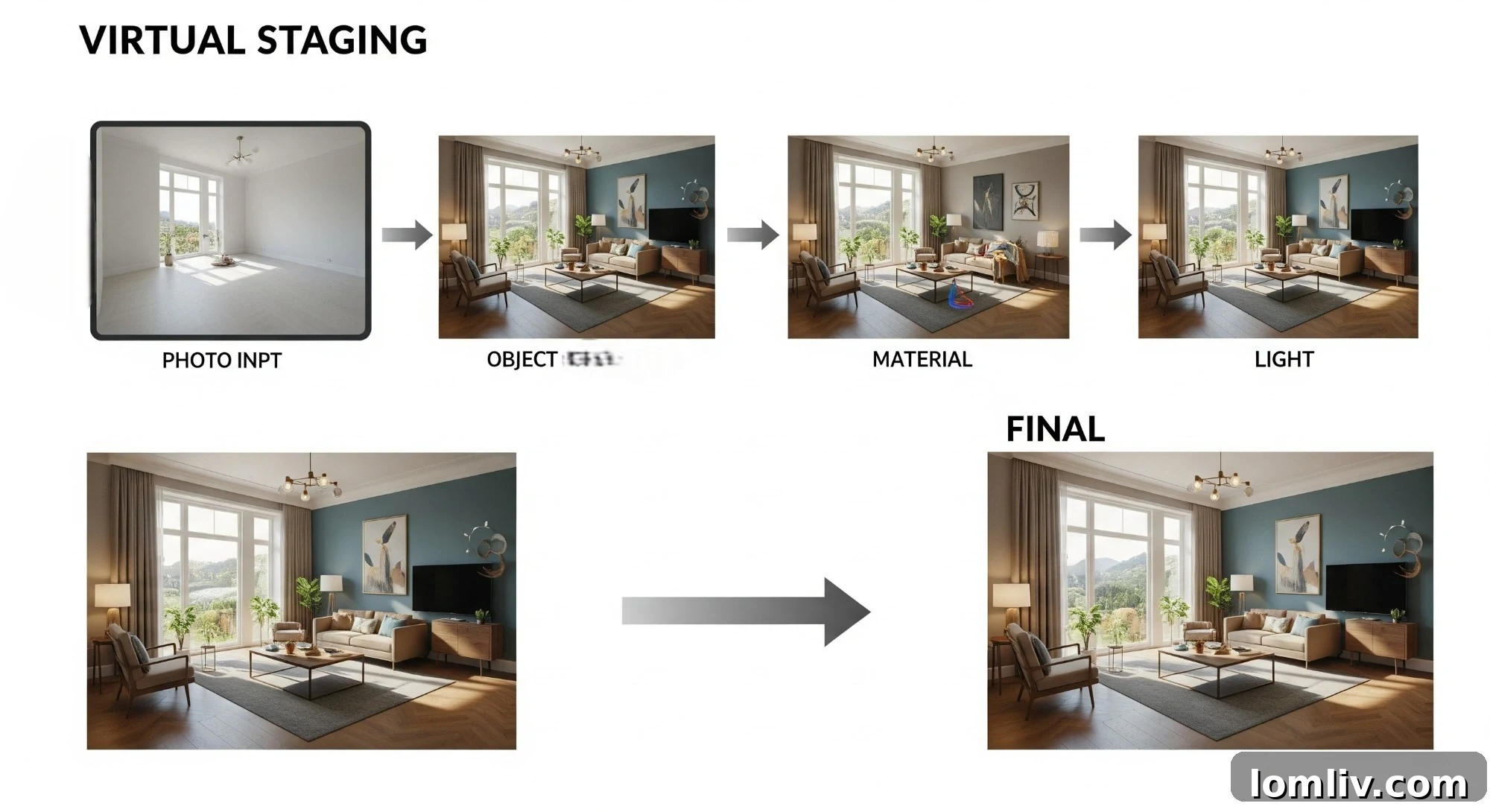
So, how do professional architectural visualization companies weave their digital magic to create such compelling virtual staging? The process is a meticulous blend of art and technology, beginning with essential inputs: high-resolution photographs and detailed floor plans of the empty space. The more comprehensive and accurate these initial assets are, the more impressive and true-to-life the final result will be.
Once the raw materials are gathered, the expert team embarks on creating a precise digital replica of the space. This involves intricate 3D modeling to ensure exact dimensions and architectural details are captured. Next, based on the client’s instructions, desired aesthetic, and target buyer profile, the team begins to populate the space with elements from their extensive digital catalog. This vast library includes a wide array of furniture, lighting fixtures, wall coverings, rugs, artworks, and decorative items, sourced from popular brands and representing various design styles – from contemporary minimalist to classic traditional.
However, successful 3D rendering is far more than simply dropping virtual furniture into a photo. It demands a sophisticated understanding of interior design principles, spatial planning, and, critically, advanced rendering techniques. The artists meticulously adjust digital shadows, fine-tune lighting to mimic natural and artificial sources, and set camera angles to enhance perspective and depth. Every detail, from the sheen on a wooden table to the texture of a throw pillow, is carefully rendered to achieve ultimate photorealism. The culmination of this intricate process is the delivery of stunning, photorealistic scenes by the 3D rendering studio, scenes expertly designed to transform any empty room into a captivating, warm, and utterly lived-in space that instantly appeals to potential buyers.
The Broader Impact and Future of Virtual Staging in Real Estate
The transformative power of virtual staging extends beyond individual property listings, fundamentally reshaping broader real estate marketing strategies. It empowers agents to significantly increase buyer interest and engagement, evidenced by higher click-through rates on listings and longer average time spent on property pages. This heightened engagement often translates directly into higher sale prices, as virtually staged homes typically command a premium compared to their empty counterparts. Furthermore, the ability to present a property in its most appealing form from day one dramatically reduces the days a property spends on the market, benefiting both sellers seeking quick transactions and agents aiming for efficient portfolio management.
Virtual staging provides an undeniable competitive advantage in a crowded market. Agents who consistently utilize this technology position themselves as innovative, forward-thinking professionals dedicated to providing the best possible presentation for their clients. Looking ahead, the evolution of virtual staging is even more exciting. We are already seeing the integration of staged images into interactive virtual tours, allowing buyers to move through a property and experience its potential first-hand. Augmented Reality (AR) applications are emerging, enabling buyers to “place” virtual furniture in their current homes or even within a vacant property during a physical visit. Virtual Reality (VR) offers fully immersive experiences, transporting buyers into a virtually staged dream home from anywhere in the world. Personalized customization tools, where buyers can digitally change finishes, colors, and furniture styles in real-time, are also on the horizon, promising an unparalleled level of buyer empowerment and engagement.
Virtual Staging: An Indispensable Solution for Modern Real Estate
In essence, virtual staging, powered by professional 3D visualization services, is more than just a marketing tool; it’s a strategic necessity that’s redefining how properties are presented and experienced by potential buyers. By creating an emotional connection and a clear vision of a dream home, this technology effectively bridges the gap between an empty space and a buyer’s aspiration. It significantly speeds up the sales cycle, provides unparalleled clarity regarding a property’s potential, and dramatically boosts its overall market appeal.
For savvy real estate professionals, partnering with a skilled 3D rendering agency is not merely a smart move—it’s an essential investment in future success. In an increasingly visual and competitive market, 3D rendering is about selling more than just bricks and mortar; it’s about selling a compelling vision, sparking genuine emotion, and ultimately connecting potential buyers with the home of their dreams. Embrace virtual staging to unlock the full potential of every property and elevate your real estate endeavors to new heights.