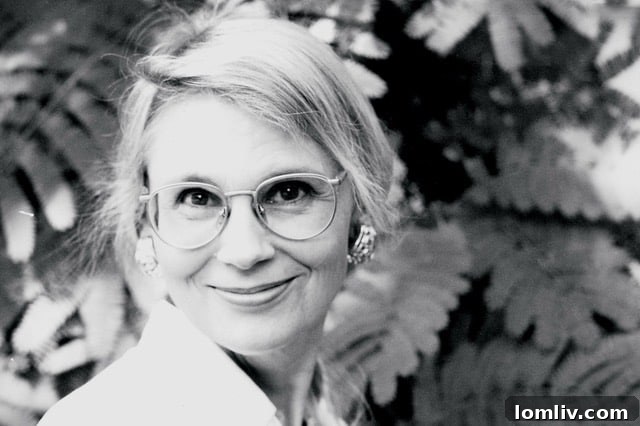
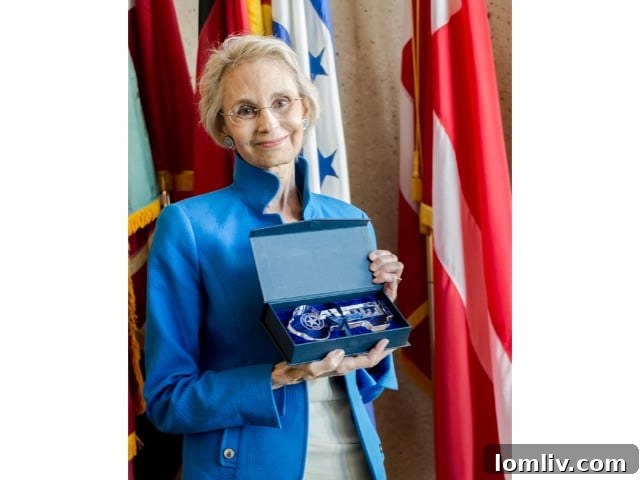
Dallas, and indeed the entire nation, recently marked the passing of Virginia Savage McAlester, a truly remarkable individual whose quiet determination shaped the landscape of historic preservation. More than just a local figure, she was a reluctant icon who gracefully and patiently enlightened countless individuals about the profound importance of safeguarding our architectural heritage. Her passing leaves a void, but we can find solace in the certainty that she departed knowing her efforts created an indelible impact—a legacy that will resonate for generations to come. Her work transcended mere brick and mortar; it was about preserving stories, cultures, and the very soul of our communities.
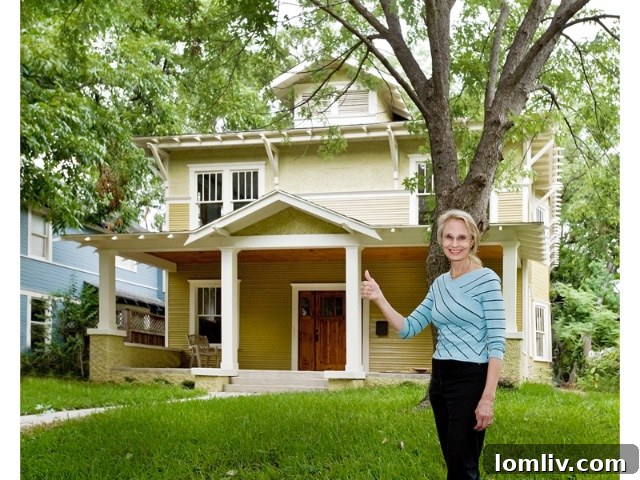
The term “icon” might have made Virginia cringe, underscoring her inherent humility. She was never one to seek the limelight, preferring to work diligently behind the scenes. Yet, her unique background and extraordinary contributions inevitably placed her in a spotlight she never craved but graciously accepted for the greater good of preservation. Her influence stemmed not from a desire for personal acclaim, but from a deeply rooted passion and an unparalleled intellect dedicated to her chosen field.
The Bedrock of a Legacy: Family Roots and Influences
To truly understand Virginia Savage McAlester’s extraordinary drive and unwavering commitment to preservation, one must delve into her remarkable family history. Her dear friend and former Texas State Representative, Harryette Ehrhardt, generously shared insights into the lineage that undeniably shaped Virginia’s destiny.
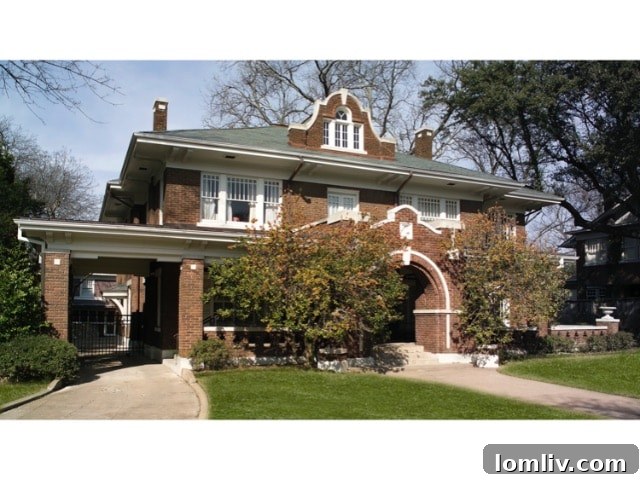
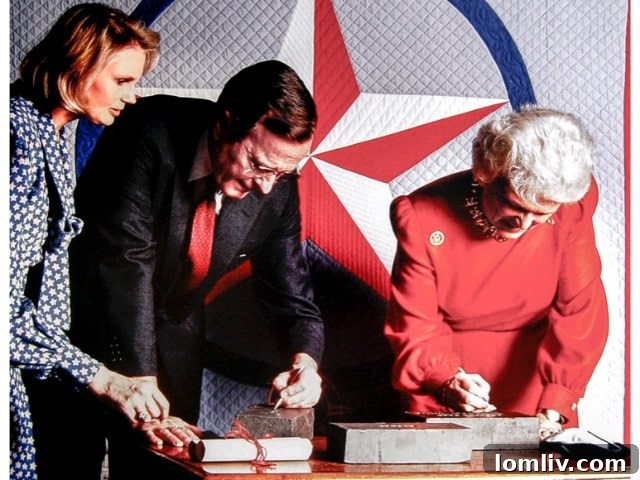
Virginia’s father, Wallace Savage, served with distinction as the Dallas mayor from 1949 to 1951. He was a visionary leader ahead of his time, a staunch champion of civil rights who courageously ended segregated ambulance service in the city and proactively addressed the critical need for more equitable housing for the African American community. His progressive policies laid a foundation of social justice and forward-thinking leadership that undoubtedly inspired his daughter. Furthermore, her father’s aunt and mother were pioneers in their own right, among the first suffragettes advocating for women’s voting rights. They also hold the distinction of being the second and third women to earn law degrees from The University of Texas, breaking barriers and setting precedents for future generations. Virginia’s mother, Dorothy, was a devoted activist and a fervent preservationist herself, instilling in Virginia an early appreciation for history and community advocacy. It is clear, then, that an inherent spirit of persistence, unwavering determination, profound intelligence, and a deep sense of civic responsibility were not merely acquired traits but were intrinsically embedded in her genetic makeup. Virginia Savage McAlester was, without a doubt, destined to create meaningful and lasting change.
Transforming Dallas: A Visionary Preservationist’s Impact
Virginia’s remarkable persistence is the reason why Fair Park proudly stands today as America’s most extensive and magnificent collection of Art Deco architecture. This national treasure, a testament to the Exposition of 1936, faced various threats over the decades. It was Virginia’s tireless advocacy, her deep research, and her unwavering ability to rally support that ensured this unparalleled architectural ensemble was not only protected but also celebrated. Her determination, equally powerful, resulted in the enduring protection of Swiss Avenue, a historic district that now stands forever safeguarded from inappropriate development, preserving its unique character and charm for future generations. These monumental achievements in Dallas are just two examples of her broader impact, as her influence catalyzed the creation and strengthening of numerous other historic districts throughout the city.
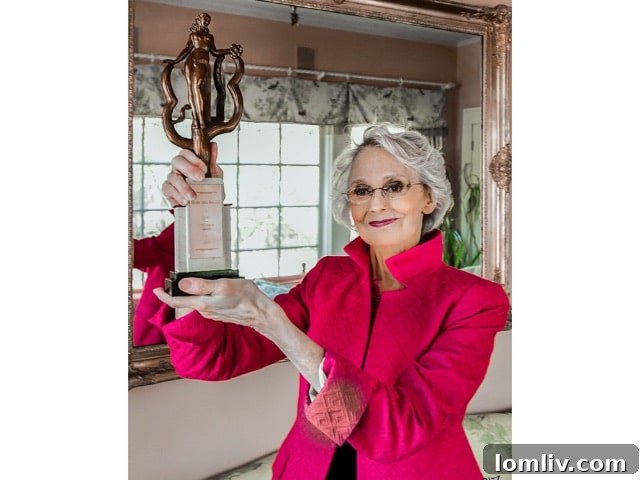
Her work was a masterclass in effective advocacy, demonstrating that with strategic education, unparalleled skill, and, above all, an approach rooted in grace, ordinary citizens could indeed challenge and triumph over seemingly insurmountable bureaucratic obstacles, even at City Hall. Virginia’s methodology involved meticulous research, clear communication, and building consensus, turning potential conflicts into collaborations for the common good. Harryette Ehrhardt eloquently summarizes this dedication: “Virginia devoted her incredible energy and intelligence to her calling as a preservationist. Her mission was to educate people about why we preserve historic architecture and to encourage them to become involved. She did her research. She knew how to get something done, and she knew who needed to be involved. Everything she did was for the good of the city.” This profound insight captures the essence of Virginia’s strategic brilliance and selfless commitment to Dallas.
A National Treasure: The Legacy of Her Literary Works
Beyond her profound local impact, Virginia Savage McAlester garnered national and international acclaim for her seminal contributions to architectural literature. She is perhaps best known for her books, with her most significant title, A Field Guide to American Houses, standing as an unparalleled authority in its field. This monumental work is not merely a recommended text but is required reading for preservation and architecture students in countless universities across the United States. Here at Daltxrealestate.com, it serves as our daily reference, an indispensable tool when chronicling the historic homes that define our city’s rich tapestry. It is universally acknowledged as the preservationist’s bible, a comprehensive and accessible guide that demystifies the complex world of American residential architecture.
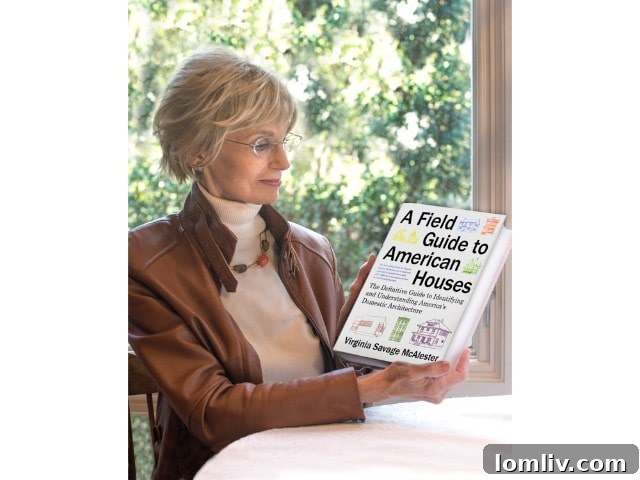
What many might not realize is the fascinating genesis of this groundbreaking book. Her partner and collaborator, Steve Clicque, shed light on Virginia’s unique and rigorous research process. He recounted how Virginia would frequently embark on trips to the revered Avery Architectural & Fine Arts Library at Columbia University in New York. There, she would immerse herself in the stacks, meticulously pulling out old magazines from the 1940s, ’50s, and ’60s, diligently copying photographs of homes.
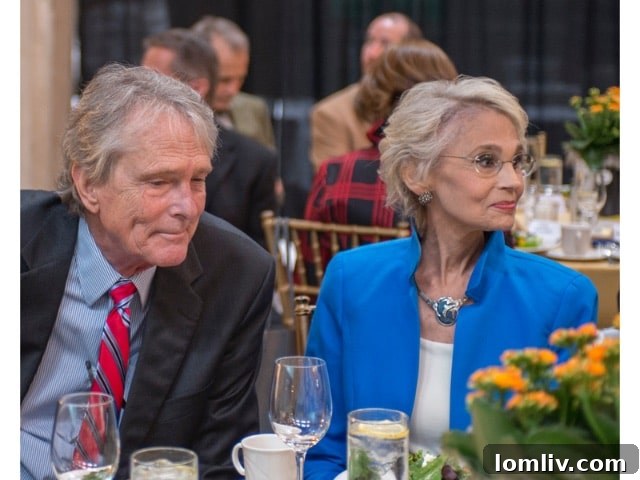
“She would go to the stacks and pull the old magazines from the 1940s, ’50s, and ’60s, and copy the photos,” Steve elaborated. “Then she’d come back to Dallas, compare them to what she saw here and wonder why she could not find the same thing in our neighborhoods.” This keen observation ignited a critical realization: there was a significant gap in the existing architectural lexicon. Many homes she encountered in American neighborhoods, while distinct and prevalent, lacked formal classification or even descriptive names. It was this realization that spurred her to undertake the monumental task of creating new terminology. Virginia courageously stepped into this void, inventing and defining terms for architectural styles that had previously gone unnamed. It was through her exhaustive research and discerning eye that terms like “Minimal Traditional” and “Millennium Mansion” entered the architectural vocabulary, providing clarity and categorization where none existed before. These innovations revolutionized how we understand and discuss American residential architecture, making her guide an indispensable resource for professionals and enthusiasts alike.
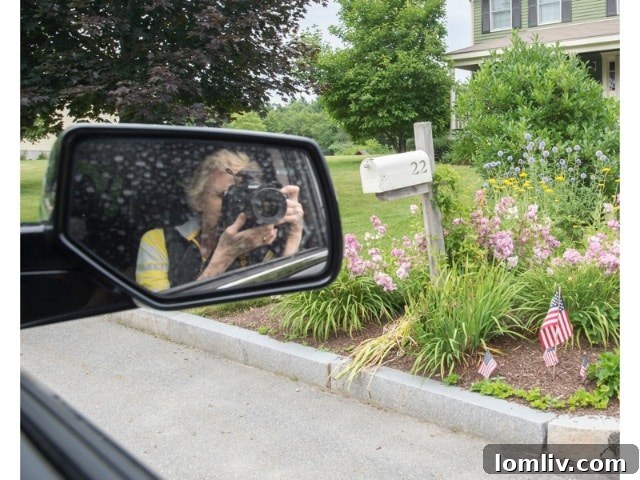
Unwavering Dedication: A Life of Research and Advocacy
For a true preservationist like Virginia, the pursuit of knowledge never ceases. When she wasn’t actively advising a neighbor on renovation strategies, recommending a course of action to a community group, persuasively advocating to a politician, or championing a critical cause, she and Steve Clicque were likely on a plane, embarking on another extensive research expedition. Their dedication knew no bounds, extending far beyond local archives.
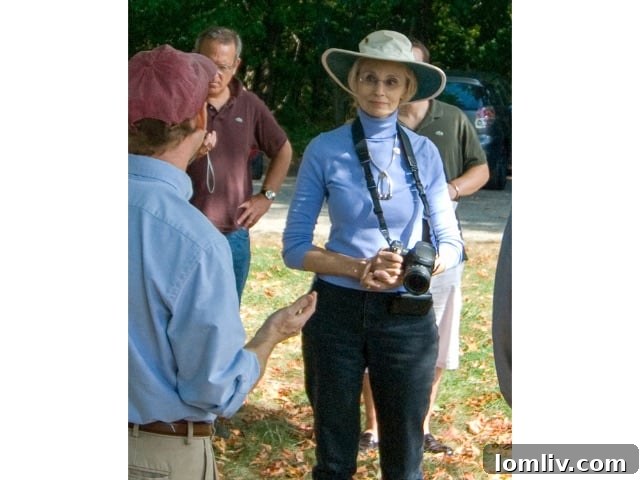
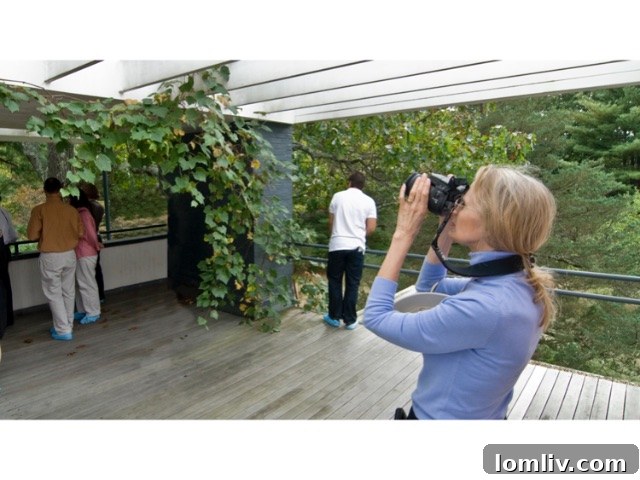
These were not leisurely vacations but intensive research missions. Six to eight times a year, they would undertake 10-day trips, traveling the world to document architectural styles. Virginia, ever the meticulous observer, carried a camera equipped with a long lens, while Steve complemented her efforts with a wide-angle lens on his. Together, they amassed thousands of photographs of houses, meticulously capturing details from the ancient structures of China to the distinct homes of New Zealand. Their unwavering focus often baffled their tour guides.
“We frustrated our tour guides,” Steve recollected with a chuckle. “They wanted to show us where Rod Stewart lived, and we wanted to see the ordinary neighborhoods.” This anecdote perfectly encapsulates Virginia’s core philosophy: her interest lay not in celebrity mansions but in the common, everyday architecture that truly defined a region’s heritage and evolution. She understood that the authentic story of a place resided in its vernacular buildings, the homes that housed generations, and the styles that reflected ordinary lives. This profound commitment to the everyday allowed her to develop the comprehensive, inclusive understanding of American homes that defines her enduring work.
Virginia never truly stopped working; her life was a continuous cycle of educating, writing, and leading by compelling example. Her work ethic was legendary, driven by an insatiable curiosity and a profound sense of purpose. “She was respected for her intelligence and diligence,” Steve affirmed. “Her opponents always carried on cordial conversations with her because there was a level of respect for her. Virginia had the ability to understand the complicated, explain it, make a point, and stay focused.” This ability to maintain respect and focus, even in adversarial situations, highlights her exceptional character and her dedication to achieving her goals through reasoned argument and grace, rather than confrontation.
Beyond the Professional: A Beloved Figure
While Virginia Savage McAlester was widely recognized and revered as a preservationist of national stature, at her heart, she was also a deeply devoted mother, grandmother, and friend. Her public persona was impressive, but her private life was equally rich, filled with the love and warmth of family and close companions. Harryette Ehrhardt shared a particularly poignant story that beautifully encapsulates the essence of a life truly well-lived. It came from Virginia’s then 9-year-old granddaughter, also named Virginia, who affectionately called her grandmother “Ginx.”
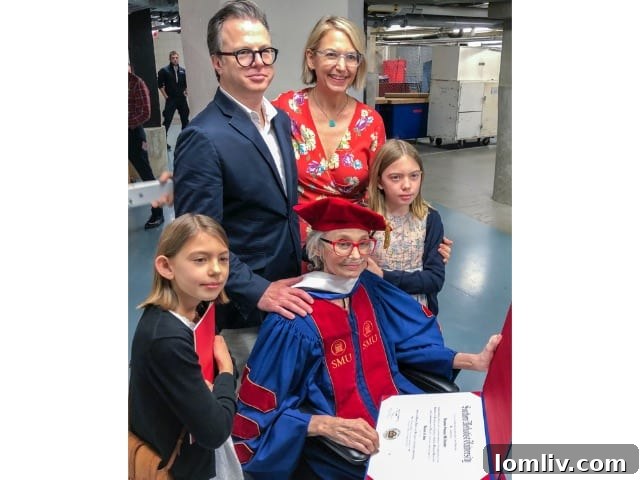
“She was talking about her grandmother to her mom,” Harryette recounted. The little girl, with an innocent wisdom that often transcends age, articulated a profound truth that perfectly summarizes Virginia’s impact:
“I realize it doesn’t matter how long you live, it matters what you did in the time you were alive. It seems like Ginx lived a really long time because she did so much.”
Indeed. Her granddaughter’s words beautifully distill the essence of Virginia’s remarkable existence. It wasn’t merely the duration of her life, but the incredible breadth and depth of her contributions that made her life feel immeasurably long and impactful. She filled every moment with purpose, education, advocacy, and an enduring love for historic architecture and the communities it defines.
Thank you, Virginia Savage McAlester. Your legacy is etched into the very fabric of our cities and our understanding of American heritage. We will all miss your wisdom, your grace, and your tireless spirit, but your work will continue to inspire and guide future generations of preservationists.