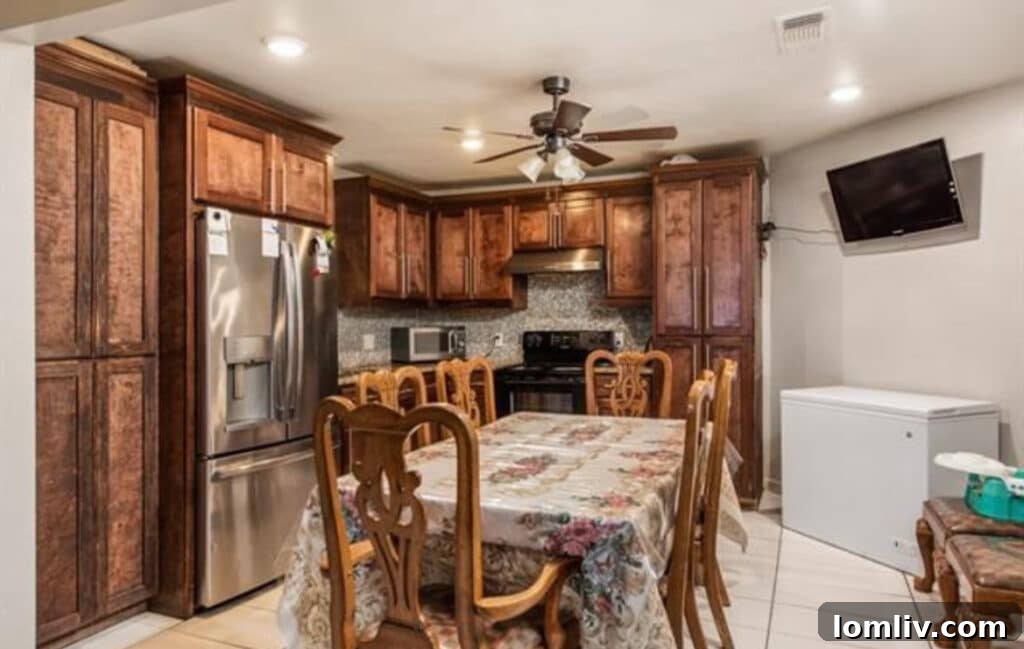
In a pivotal decision shaping the landscape of compassionate urban planning, the Dallas City Council recently granted a highly anticipated rezoning request. This crucial vote allows a group home on South Polk Street, dedicated to housing formerly unhoused military veterans, to continue its vital operations. The property, situated within a single-family neighborhood, will now legally function as a multifamily dwelling, bringing its current use into compliance with city regulations after a period of uncertainty and debate. This outcome marks a significant victory for the residents and advocates, highlighting the city’s commitment to supporting its veteran community.
The genesis of this controversy began last summer when a neighbor filed a code complaint. This complaint followed extensive renovations undertaken by the operators, who transformed the nine-bedroom house into individual living units specifically designed for military veterans who had experienced homelessness. Prior to these modifications, the group home operated legally under single-family zoning, benefiting from a designation that permitted such facilities for handicapped tenants. However, the remodeling, which included the addition of several bathrooms, inadvertently pushed the property out of compliance with existing zoning ordinances, necessitating the rezoning application filed by Phillip Mitchell, the group home’s applicant.
Assistant Planning Director Andreea Udrea clarified the intricate details of the situation. “It’s my understanding that at some point, they decided to improve the conditions and mistakenly added bathrooms, and that’s what threw them out of compliance,” Udrea explained. This oversight, while well-intentioned to enhance living conditions for the veterans, inadvertently triggered a bureaucratic hurdle that threatened the home’s ability to operate. The incident underscores the complexities of navigating city zoning laws, even when the underlying intent is to serve a vulnerable population. The path to resolution involved careful deliberation by various city departments, reflecting a broader challenge in balancing established urban planning principles with evolving community needs.
The journey to the City Council’s approval was not without its challenges. City staff had initially recommended denial of the rezoning request, citing various planning considerations. Despite this, the City Plan Commission, after thorough review and debate, ultimately approved the rezoning in a split vote back in September. This divergence in recommendations between city staff and the Plan Commission underscored the nuanced nature of the case, forcing the City Council to weigh conflicting perspectives and make a decision that balanced regulatory adherence with humanitarian concerns. The entire process was closely watched by community members and advocacy groups, highlighting the broader implications for similar housing initiatives across Dallas.
Further insights into the complexities surrounding this case, including its deferral to a later date, were extensively documented, indicating the significant public and official attention it garnered. The protracted nature of the decision-making process reflected the careful consideration given to all aspects, from zoning precedents to the immediate impact on the veterans residing at the South Polk Street property. Discussions throughout the deferment period allowed stakeholders to present their arguments and for the council to fully understand the ramifications of their ultimate vote.
South Polk Street Zoning Change: A Detailed Examination
The rezoning effort found a strong advocate in District 1 Councilman Chad West, whose district encompasses the specific area on the east side of South Polk Street, nestled between Cascade Avenue and Elmhurst Place. Councilman West’s support was pivotal in navigating the proposal through the council, emphasizing the immediate need to secure housing for the veterans. His advocacy highlighted the human element at the heart of the zoning debate, positioning the welfare of the residents as a paramount concern.
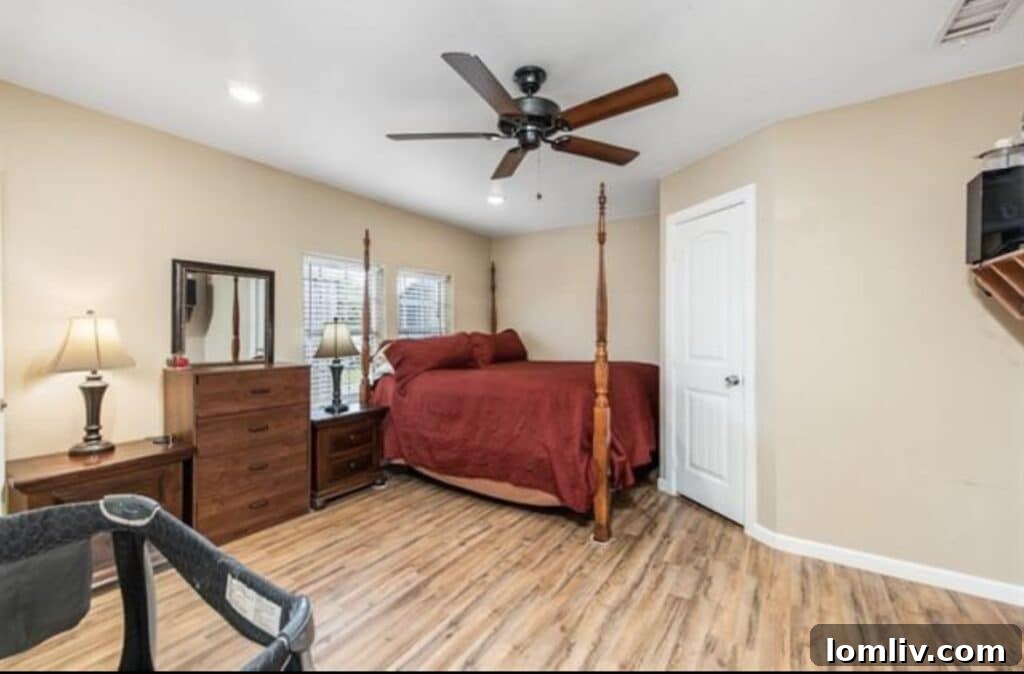
Councilman West elaborated on the specifics of the approved zoning change and the accompanying safeguards. “This zoning change will allow them to operate in compliance under multifamily rules with deed restrictions to prevent them from — if they ever tear it down or try to add more density or what have you — [taking] advantage of the zoning change beyond what their current use is,” West stated. This critical detail ensures that while the property’s zoning classification is updated to allow its current use, future modifications would not exploit the change for purposes contrary to the original intent of providing veteran housing. He also acknowledged the distinction between the “code issue,” concerning unpermitted work, and the “zoning issue,” which pertains to the authorized use of the property. While the code violations related to the unpermitted work remain a separate matter to be addressed, the zoning modification resolves the fundamental question of whether the veterans can legally reside there.
West further clarified that while the initial code issues surrounding the construction work persist, the City Council’s decision to modify the zoning offers immediate relief and stability for the veterans. This critical step ensures that they can remain in their homes, bringing the property into compliance with an authorized use under the new multifamily designation. The resolution of the zoning conflict provides a stable environment for the residents, allowing them to focus on their well-being rather than facing potential displacement. This pragmatic approach separated the regulatory compliance of the building’s usage from the permits required for its construction, prioritizing the residents’ housing security.
The community response to the rezoning proposal was multifaceted. The facility is surrounded by two distinct neighborhood associations. Interestingly, one of these associations actively supported the group home and its mission, recognizing the valuable service it provides to veterans. The other association, according to West, chose not to take an official position on the matter, indicating a mixed or neutral sentiment. Beyond organized groups, a few individual neighbors did express concerns, primarily revolving around parking requirements. This highlighted the perennial challenge in urban planning: balancing the needs of specific groups with the broader concerns of existing residential communities.
Addressing the parking concern, the home at 1608 South Polk St. currently has seven parking spaces, falling short of the nine spaces typically required for a multifamily dwelling of its size. However, applicant Phillip Mitchell quickly dismissed this as a “non-issue.” He explained that the tenants are predominantly elderly and disabled military veterans, none of whom own personal vehicles. This practical reality rendered the standard parking requirement irrelevant to the actual operational needs of the group home, illustrating how rigid regulations sometimes fail to account for the unique circumstances of specific communities. This detail was crucial in assuaging neighborhood fears and clarifying the practical impact of the rezoning.
A Unanimous Vote for Housing: Broader Implications and Future Compliance
Assistant Planning Director Udrea shed light on why city staff had initially recommended denial. She noted that a contributing factor was the rezoning’s incompatibility with the goals of the West Oak Cliff Area Plan (WOCAP). WOCAP, a comprehensive urban planning initiative, advocates for measures that allow “gentle density” in certain neighborhoods, aiming for controlled and integrated development. The proposed rezoning, in staff’s assessment, did not align with these specific parameters, presenting a conflict between area-wide planning strategies and a localized housing solution. This nuanced conflict was a central point of contention throughout the approval process, requiring a careful balance of differing urban development philosophies.
The West Oak Cliff Area Plan’s approval, as detailed in related reports, aimed to empower residents with greater control over new development, ensuring that changes align with community vision. The tension between this plan and the South Polk Street rezoning case underscored the complex decisions facing urban planners and city councils. It highlighted the challenge of implementing broad strategic plans while remaining flexible enough to address unique, pressing social needs. The decision ultimately required a council to consider the spirit of WOCAP alongside the immediate humanitarian imperative.
Councilman West, a prominent champion of WOCAP, openly acknowledged his internal conflict regarding the decision. Despite his strong commitment to planned development and community-led initiatives like WOCAP, he ultimately concluded that the overriding factor was the imperative to keep military veterans housed. “We don’t want to encourage people to do renovations and change their use outside of the guidelines of a proper permit,” he stated, recognizing the importance of proper procedures. “I had to weigh the benefit of us having this housing for formerly homeless veterans against that. The applicant is doing the right thing by trying to get into compliance now. For me that outweighs the other side, which is that I don’t like seeing these projects done without working within the guides of the city.” This statement encapsulates the moral and practical dilemma faced by policymakers: upholding regulations versus providing essential support for vulnerable populations. His decision underscored a compassionate realism, prioritizing human welfare while still acknowledging procedural shortcomings.
With the rezoning approved, the group home is now legally positioned to continue its invaluable service. However, Assistant Planning Director Udrea emphasized that the future operation of the home will require strict adherence to city codes and regulations. “The group home will have to apply for permits when upgrading and comply with city codes,” Udrea confirmed. This ensures that while the zoning issue is resolved, the property will operate within a framework of proper oversight and safety standards. This requirement is crucial for maintaining public trust and ensuring that such facilities meet all necessary structural and operational guidelines. The unanimous vote by the City Council to rezone the property reflects a powerful consensus on the importance of veteran housing and serves as a testament to Dallas’s commitment to its residents, especially those who have served the nation. This case sets a precedent for how Dallas might address similar complex zoning and housing challenges in the future, blending regulatory compliance with a profound sense of social responsibility.