Dallas High-Rise Living: Why the Middle Class is Still Waiting for Their Dream Condo
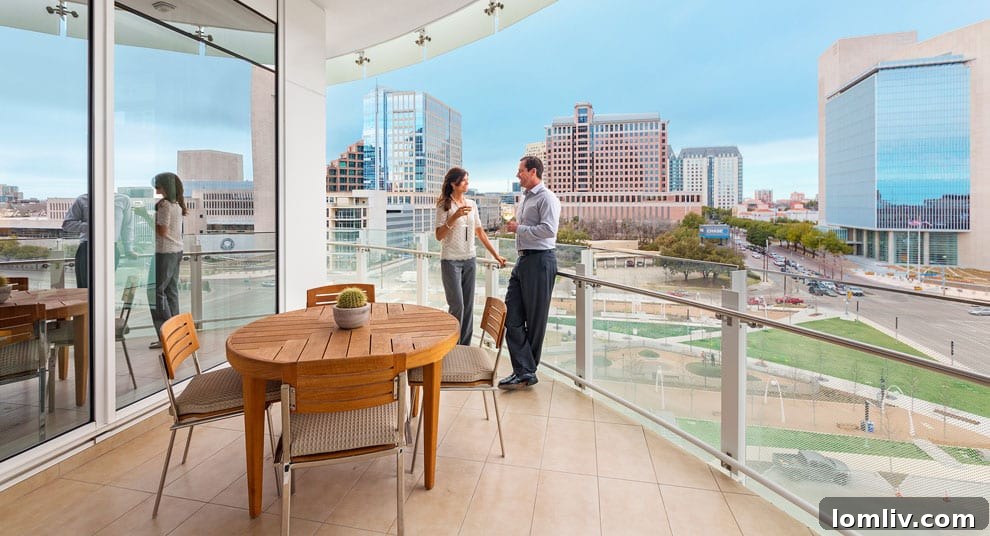
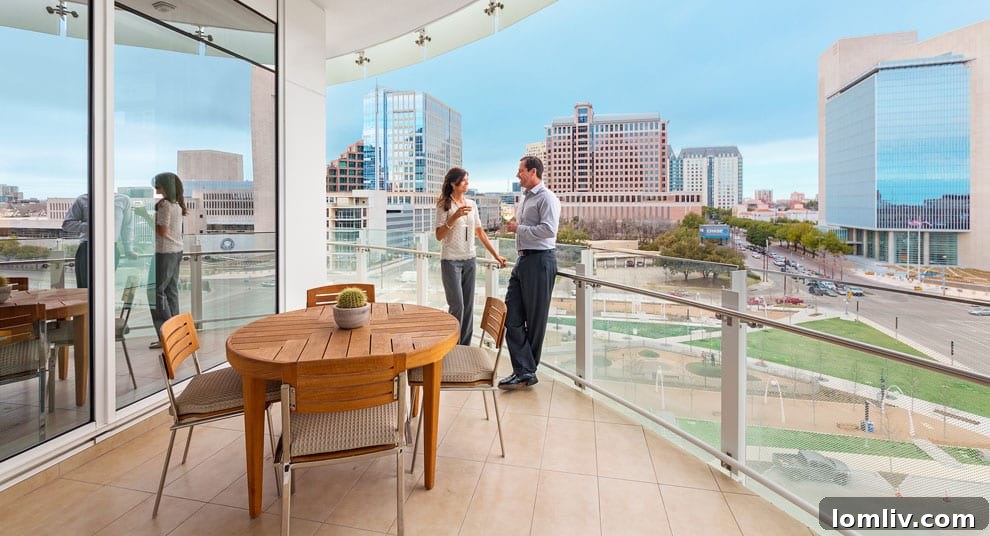
The term “porn” has evolved beyond its original context to describe things that are intensely desirable yet largely unattainable – be it mouth-watering food creations, exotic travel destinations, or, in the realm of real estate, the lavish homes we can only dream of owning. We’ve all indulged in “house porn,” scrolling through images of sprawling estates, architectural marvels, or an 8,000-square-foot penthouse overlooking a vibrant city skyline. These are properties that ignite our fantasies, far removed from the practicalities of our everyday lives. Eventually, many of us reconcile with reality, choosing the charming, achievable dream over the elusive fantasy. But what about the segment of society that aspires for more than a suburban sprawl, yet falls short of the ultra-wealthy bracket?
This brings us to a pressing question for Dallas developers and urban planners alike: Where are the accessible, desirable high-rises that the city’s robust middle-class can truly afford? It seems that as Dallas continues its impressive growth trajectory, the focus of new residential high-rise construction has almost exclusively shifted towards the luxury and ultra-luxury markets, leaving a significant void for middle-income buyers who yearn for the convenience and vibrancy of urban high-rise living.
The Great Divide: Dallas’s High-Rise Market Since 2007
As we navigate through the modern era, the landscape of Dallas’s new construction high-rises paints a stark picture: they are overwhelmingly designed for the affluent. In fact, one would be hard-pressed to identify a truly middle-class, starter high-rise built in Dallas since the completion of The Beat Lofts in the Cedars neighborhood back in 2007. At the time of its construction, The Beat’s location—nestled kitty-corner from the Dallas Police Department headquarters and a short stroll from a parole office—was hardly considered prime real estate. Developers even pitched the proximity to the police station as a security perk. Fast forward to today, and the Cedars has blossomed into a trendier, more sought-after area, highlighting how perceptions of urban neighborhoods can evolve. Yet, the essential problem persists: a lack of new, attainably priced high-rise options.
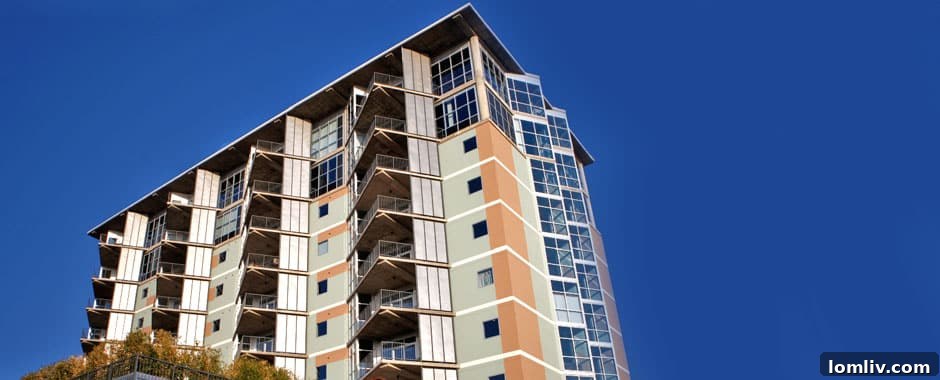
Even the seemingly more affordable options, like the ubiquitous, often unimaginative apartment complexes owned by REITs, are far from “cheap.” These developments, frequently erected on the cheapest, least attractive plots available, offer little in terms of long-term value for a middle-income individual or family. They typically involve high rental costs that continuously rise, provide no equity accumulation, and offer generic designs that lack the character and customization potential many homeowners desire. This cycle of high rent without ownership contributes to a stagnation in wealth building for those who could otherwise be investing in their own property.
An Inventory of Dallas Condos: Where Do Middle-Income Buyers Fit In?
Let’s take a closer look at the Dallas condo inventory since the turn of the millennium, categorizing these developments by the income bracket they primarily serve. This analysis starkly illustrates the focus on high-end luxury:
For the Wealthy:
- W Residences North/South (2004): Iconic towers offering sleek design and prime location within Victory Park, though the area’s initial promise for vibrant pedestrian life took time to fully materialize.
- The House (2007): Another key player in Victory Park, known for its modern aesthetics and comprehensive amenities, catering to a clientele seeking contemporary urban sophistication.
For the Very Wealthy:
- Vendome (2002): Situated in the prestigious Turtle Creek area, it offers classic elegance and spacious residences with high-end finishes.
- One Arts Plaza (2005): A striking presence in the Dallas Arts District, combining residential, office, and retail spaces with an emphasis on cultural access and modern design.
- Azure (2007): Renowned for its distinctive blue glass exterior and luxurious amenities, the Azure quickly became a landmark of upscale living in Dallas.
- Ritz Carlton Residences I/II (Completed in phases): Epitomizing five-star service and unparalleled luxury, these residences offer a lifestyle of exclusive comfort and prestige, complete with access to hotel amenities.
- Plaza at Turtle Creek I/II (2000): Offering refined living with picturesque views of Turtle Creek, these condos are celebrated for their sophisticated design and serene environment.
For the Cartoonishly Wealthy (Ultra-Luxury Segment):
- Museum Tower (2011): A true architectural masterpiece directly across from the Dallas Arts District, known for its breathtaking views, expansive units, and a price tag that positions it among the most exclusive residences globally.
- Stoneleigh Tower (2012): A meticulously renovated historic landmark, it blends classic grandeur with modern luxury, offering bespoke living experiences.
- Bleu Ciel (2015): With its distinctive curvilinear design and resort-style amenities, Bleu Ciel offers a vibrant, contemporary living experience in the Harwood District.
- Limited Edition (2016): As its name suggests, this boutique building offers highly exclusive, expansive residences with unparalleled privacy and bespoke services, representing the pinnacle of luxury.
And then, for the Upper-Middle Class (with caveats):
- Palomar/Highland (2005): Located adjacent to a major highway, offering convenience but also the constant backdrop of traffic noise. These often represent a compromise between location and accessibility.
- The Metropolitan, and 1505 Elm: Both are examples of converted office buildings. While adaptive reuse is a sustainable practice, it often results in units with smaller footprints, unconventional layouts, or limited natural light. These characteristics can make them less attractive for resale compared to purpose-built condominiums.
- The Beat Lofts (2007): As mentioned, its unique location near a police station and parole office initially presented a challenge, though the neighborhood’s evolution has softened this perception. It remains one of the few newer buildings that even aimed at a broader market segment.
This inventory clearly demonstrates a market skewed heavily towards the top. For the middle-income buyer, the new construction market is largely inaccessible. Instead, they are left to scout for “last-season’s” high-rises—much like finding designer goods at a consignment shop. While these older units might not feature the latest finishes or amenities, they present an invaluable opportunity to own a piece of Dallas’s urban fabric without the stratospheric price tag of new luxury developments. It’s about finding potential and applying vision.
Unlocking Hidden Value: The Case for Renovation and Older Buildings
A recent discussion sparked by a Candy’s Dirt posting highlighted this very dilemma: the glaring absence of middle-income high-rise options in Dallas. In that conversation, the potential hidden within an older Turtle Creek building was brought to light:
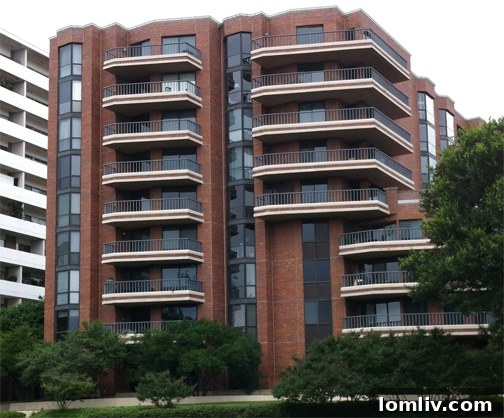
“There are relative bargains for those who don’t mind some work in older buildings. For example, there are four units (ED – now three) for sale at 3701 Turtle Creek that range from $211-259 per square foot and range from 1,141 to 2,120 square feet. HOAs are ~76¢ per square foot and include all utilities. Assuming 20% down and full-list price, with (unavoidable) property taxes, that’s $2,936.75 per month with a 15-year mortgage — $2,442.75 with a 30-year. The cheapest unit has a renovated kitchen and baths with mostly hardwoods — even bedroom carpet looks good. All I’d do is paint and remove the walls of mirrors.”
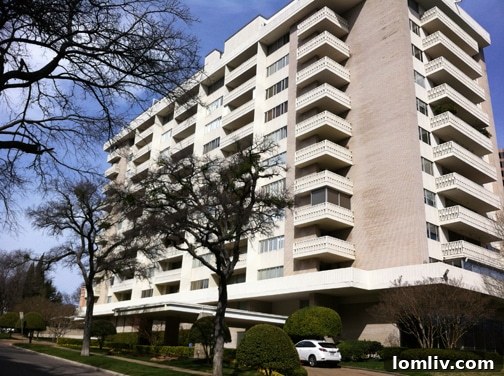
This anecdote perfectly encapsulates the current reality for middle-income high-rise aspirants in Dallas. With a discernible absence of newly constructed, affordably priced high-rise condos on the horizon, the savvy middle-income buyer must equip themselves with a paint brush, some imagination, and a willingness to undertake renovations. Often, these older units—which frequently boast more generous square footage than their modern counterparts—can be acquired for a similar monthly outlay as renting a brand-new, maintenance-free apartment. The catch? The “maintenance-free” aspect transfers from a landlord to the homeowner, requiring personal investment to transform a dated space into a personalized sanctuary.
The trade-off, however, is immensely rewarding. Unlike renting, where one is confined to builder’s beige walls and generic finishes, owning an older condo allows for complete creative freedom. Buyers can strip away the super-trendy, quickly-aging finishes that might have initially lured renters, replacing them with timeless designs and personal touches that truly reflect their style. This journey demands a slight shift in mindset, moving past an “entitlement to instant perfection” and embracing the process of slowly molding a dated condo into a warm, inviting home. The satisfaction of customization, coupled with the significant financial advantage of building equity, far outweighs the initial effort. When it’s time to sell, the profits reaped from their labor and vision will be a much more substantial return than merely recouping a security deposit.
Moreover, choosing to invest in and renovate an older building contributes to the sustainable revitalization of urban cores. It helps preserve the architectural heritage of Dallas while injecting new life and personality into established communities. This approach supports a healthier, more diverse real estate ecosystem, moving beyond the endless cycle of new luxury construction and generic rentals.
Looking Ahead: Fostering a More Inclusive High-Rise Market in Dallas
The current state of Dallas’s high-rise market presents both a challenge and an opportunity. For developers, there’s an untapped demand for thoughtfully designed, attainably priced condominiums that cater to the middle class. For policymakers, incentives and zoning considerations could encourage more diverse housing options. And for the middle-income buyer, the path to high-rise ownership currently lies in vision, patience, and a willingness to transform existing spaces. It’s a journey that offers not just a home, but a stake in the city’s future, built with personal effort and imbued with unique character.
Share Your Story: Do you have a personal HOA story to tell? Perhaps a piece of Dallas high-rise history you’d like to share? Realtors, are you currently featuring a listing in need of renovation, or one that perfectly showcases a successful transformation?
We’re always keen to hear from our community! If you’re interested in contributing to the conversation, or even hosting a Candy’s Dirt Staff Meeting to discuss these vital topics, please don’t hesitate to reach out. Marriage proposals are also welcome (as soon as they’re legally recognized in Texas)!
Email Jon at: [email protected]