Dallas Midtown: Pioneering a New Era of Urban Revitalization
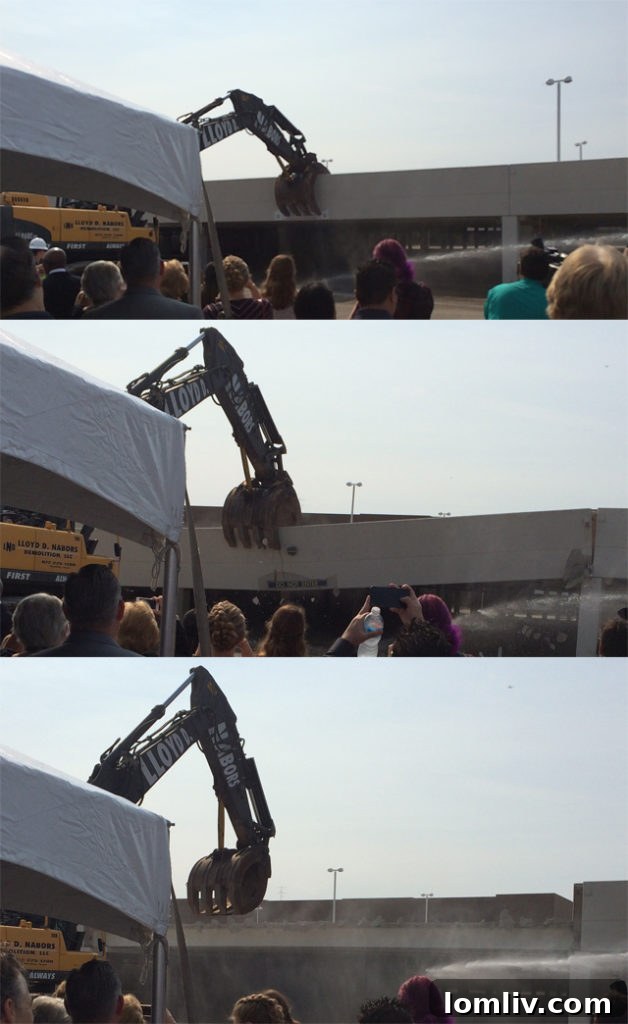
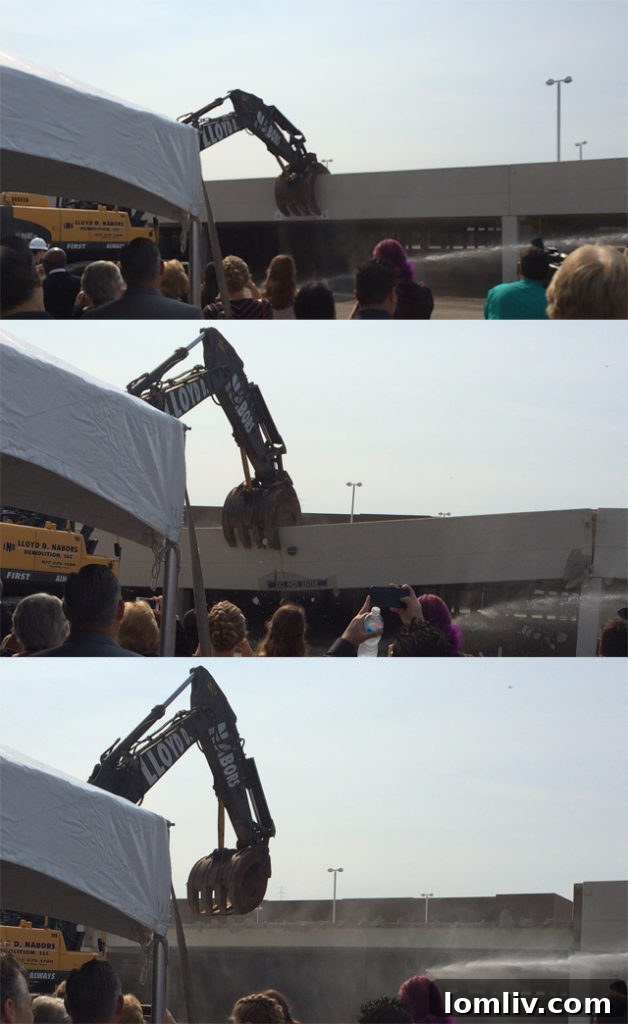
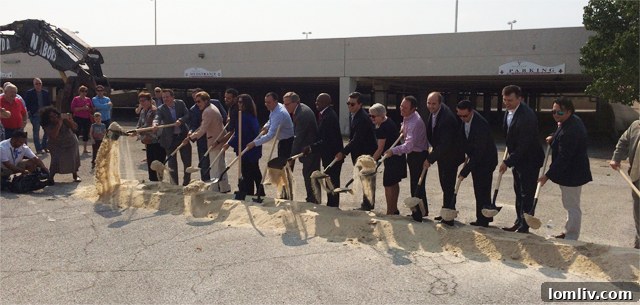
A recent, bustling Friday groundbreaking ceremony, under the warm Dallas sun, symbolized a pivotal moment—the culmination of four intensive years dedicated to political negotiations, meticulous planning, and unwavering perseverance for the Dallas Midtown project. This isn’t merely another construction venture; it represents a profound and necessary reimagining of a once-thriving retail landscape that, like many across the nation, succumbed to the evolving dynamics of modern commerce. What was once an air-conditioned ghost town, a testament to the challenges facing traditional retail, is now poised to transform into a vibrant, future-forward urban destination, echoing a broader national trend of adaptive reuse and urban renewal.
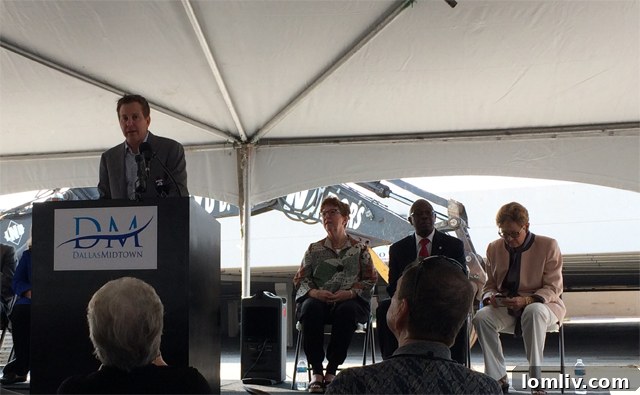
The vision for Dallas Midtown is far more than just replacing an outdated mall. It’s a strategic response to critical urban challenges, aiming to reverse the trend of corporate relocations predominantly favoring Dallas’s sprawling suburbs over its central core. For too long, the economic gravity has pulled businesses and residents outwards, leaving the heart of the city yearning for renewed investment and innovation. As developer Scott Beck eloquently articulated in his keynote address, this ambitious project serves as a crucial first step to “dazzle and entice” enterprises to establish roots closer to the vibrant pulse of Dallas. With the ceremonial first shovelfuls of earth now turned and demolition officially underway, the promise of Dallas Midtown begins its tangible manifestation.
Transforming the Urban Landscape: A Vision for Growth and Connection
While one might wish for a parallel multi-billion dollar plan in the immediate Dallas core, complete with an array of mixed-use residential and commercial high-rises to inject new life into downtown, the sheer scale of Dallas Midtown presents an unparalleled opportunity. Spanning a monumental 450 acres, such a vast expanse of developable land would be an impossibility in the dense urban center. This extensive footprint allows for a comprehensive, master-planned community that can truly redefine urban living and working. This scale also provides a unique advantage, enabling a level of integrated planning and amenity provision that smaller, infill projects cannot achieve.
The resulting development at Dallas Midtown is strategically positioned to rival, and perhaps even surpass, the success of existing mixed-use behemoths like Legacy West. By offering a compelling blend of commercial appeal and residential desirability, Midtown aims to attract both businesses seeking a dynamic environment and residents desiring to be closer to Dallas’s increasingly vibrant, authentic, and “Applebee’s-free” urban neighborhoods. This project isn’t just about constructing buildings; it’s about curating an experience—a lifestyle that resonates with modern urbanites who prioritize walkability, community, and access to diverse amenities.
A Commitment to Equitable Development: Investing in South Dallas
One of the most commendable aspects of the Dallas Midtown project is its embedded commitment to fostering equitable growth across the city. A significant trade-off within the development agreement provides a substantial $70 million in Tax Increment Financing (TIF) for South Dallas. While this figure may not compare to the multi-billion dollar investment in Midtown itself, its impact on the southern sector is expected to be transformative. This allocation demonstrates a vital understanding that northern Dallas’s prosperity should, and can, contribute to the revitalization of its often-neglected southern counterpart. It’s a powerful statement of civic responsibility and interconnectedness.
The TIF funding for South Dallas is more than just a financial injection; it’s an opportunity to leverage existing assets for future growth. Specifically, while Dallas Midtown will proudly feature a signature 20-acre central park, South Dallas boasts hundreds of acres of historic parkland in Fair Park—a cultural and recreational gem with immense untapped potential. The strategic deployment of this $70 million can serve as a catalyst to make Fair Park the true epicenter of revitalization for South Dallas, sparking economic development, enhancing community amenities, and creating a more balanced and prosperous city for all its residents. This equitable approach is crucial for sustainable urban development.
Designing Tomorrow’s Community: Mixed-Use Masterpiece
Current plans for Dallas Midtown envision a dynamic mixed-use environment designed to eventually accommodate tens of thousands of new residents. This ambitious residential component will feature modern apartments built and managed by A.G. Spanos, a family-run organization renowned for its vast real estate empire and, notably, its ownership of a national football team. This unique combination of real estate prowess and a deep connection to Texas’s sporting culture brings a distinctive flavor to the project—a powerful fusion akin to a hypothetical partnership between legendary developers Trammell Crow and Jerry Jones. For those keen on the intricate details of local development, keep an eye out: more insights into Spanos and its local executive vice president, Dimitri Economou, are anticipated soon.
Beyond the extensive residential offerings, the initial phases of development will also introduce pivotal commercial spaces. These include a state-of-the-art 10-screen Cinépolis luxury movie theater and an as-yet-unnamed luxury hotel boasting approximately 400 rooms. For those unfamiliar with Cinépolis, it’s a global cinematic powerhouse originating from Mexico, now ranking as the fourth-largest movie theater circuit worldwide, operating an impressive 4,917 screens across 13 countries. Their recent expansion into Dallas marks a significant addition to the city’s entertainment landscape, promising a premium viewing experience for Midtown residents and visitors alike.
The luxury hotel component is being developed by SPG, widely recognized as Starwood Hotels & Resorts. While the specific brand under the Starwood umbrella remains undisclosed, contextual clues hint at a high-end, design-forward offering. Given Starwood’s extensive portfolio of brands—which includes an impressive array from St. Regis and The Luxury Collection to Tribute Portfolio and Design Hotels—and the project’s emphasis on a modern, “hipper vibe” for a new build, speculation leans towards the Design Hotels brand. However, the exact choice is eagerly awaited. One thing is certain: if the brand turns out to be a Four Points, the developer will be sure to turn heads for a very different reason!
The Green Heart of Midtown: A 20-Acre Urban Oasis
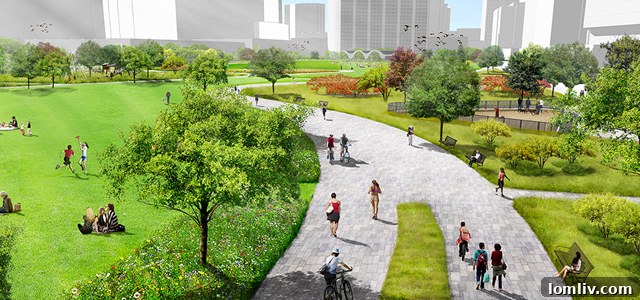
Integral to the holistic design of Dallas Midtown is its signature 20-acre central park. More than just a green space, this expansive urban oasis is envisioned as the communal heart of the development, providing residents and visitors with a vital connection to nature amidst the urban bustle. Such a large-scale park contributes significantly to the quality of life, offering spaces for recreation, relaxation, and community gatherings. It underscores a growing understanding in urban planning that accessible green infrastructure is not merely an amenity but a fundamental component of sustainable, healthy, and desirable communities. This park will serve as a verdant counterpoint to the surrounding residential and commercial density, fostering a sense of well-being and enhancing the overall appeal of Dallas Midtown as a place to live, work, and play.
As the initial groundbreaking dust settles, the vision for Dallas Midtown comes into sharper focus. This isn’t just about replacing an old mall; it’s about constructing a new future for Dallas—a future defined by integrated living, economic vitality, and equitable growth. Hats off to the Beck family and the entire Dallas Midtown team for their perseverance and ambition. We eagerly anticipate the eventual air-conditioned launch parties that will celebrate the grand opening of this transformative project.
The transformation of Dallas Midtown represents a beacon of progress for the city. It addresses critical needs by attracting businesses, housing residents, and fostering a vibrant community atmosphere. By thoughtfully integrating residential, commercial, and green spaces, the project sets a new benchmark for urban planning in the region. Furthermore, its commitment to supporting South Dallas through TIF funding exemplifies a progressive approach to city-wide development, ensuring that growth benefits all sectors. This initiative is poised to inject fresh energy into Dallas, making it an even more compelling destination for those seeking a dynamic and connected urban experience.

Remember: My primary focus revolves around the intricate world of high-rises, homeowners’ associations (HOAs), and the transformative power of renovation. However, my passion extends to appreciating both modern and historical architecture, always viewed through the lens of balance against the dynamic YIMBY (Yes In My Backyard) movement, which advocates for more housing development. If you’re considering hosting a daltxrealestate.com Staff Meeting event, I’d be delighted to collaborate. My writing has been consistently recognized by the National Association of Real Estate Editors, earning two Bronze awards (2016, 2017) and two Silver awards (2016, 2017) in 2016 and 2017. Do you have a compelling story to share, an innovative project to discuss, or perhaps even a marriage proposal to make? Don’t hesitate to reach out to me via email at [email protected].