Texas Primary Runoffs Deliver Historic Wins and Nail-Biting Finishes
The 2018 Texas primary runoff elections were a testament to the dynamic political landscape of the Lone Star State, featuring captivating races, historic breakthroughs, and finishes so close they kept voters on the edge of their seats well into the night. From the high-stakes Democratic gubernatorial contest to fiercely contested local and congressional battles, these runoffs set the stage for what promises to be an eventful general election in November. Voters across Texas cast their ballots, shaping the future of their parties and determining who would represent them in crucial campaigns ahead. These results not only showcased the evolving demographics and political appetites of Texas but also underscored the enduring power of local issues and candidate personalities in shaping electoral outcomes.
Lupe Valdez Secures Historic Democratic Gubernatorial Nomination
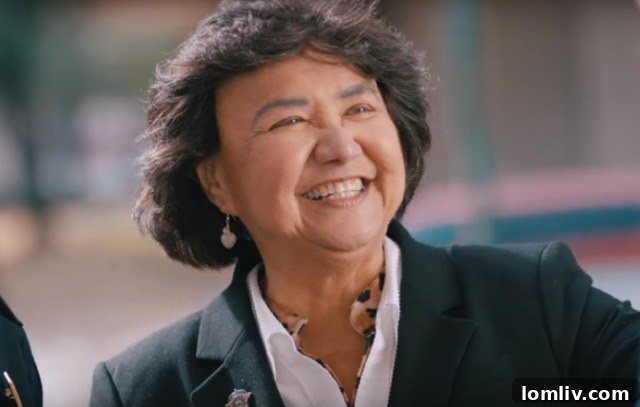
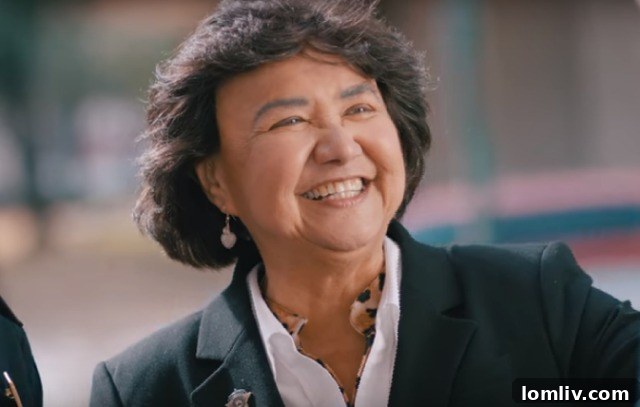
The Democratic primary runoff for Texas governor unfolded like a tense ping-pong match, with candidates Andrew White and Lupe Valdez trading leads throughout the early hours of election night. This back-and-forth created an atmosphere of suspense, as both campaigns eagerly watched the returns trickle in. However, as more precincts reported and ballots were tallied, former Dallas County Sheriff Lupe Valdez steadily pulled ahead, ultimately clinching the nomination with approximately 53 percent of the vote to White’s 47 percent. Her victory marked a significant and groundbreaking moment in Texas politics, making her the first openly gay and the first Latina candidate to win a major party nomination for governor in the state’s history. This groundbreaking achievement resonated deeply with her supporters and signaled a potential shift in Texas’s traditional political narratives, offering a new face for the Democratic Party in the state.
Valdez, a career law enforcement officer with a distinguished record, entered the political arena with a platform focused on crucial issues such as healthcare access, robust public education funding, and comprehensive criminal justice reform. Her campaign strategically emphasized her lived experience, her working-class background, and her unwavering commitment to representing marginalized communities, often highlighting her humble beginnings and her journey to become a trailblazer. Her win was widely celebrated as a powerful symbol of diversity, inclusion, and the progressive spirit within the Democratic Party, galvanizing a base eager for significant change in a state long dominated by conservative Republicans. Supporters saw her as a fresh voice capable of inspiring new voters and challenging the status quo.
Following a hard-fought and respectful campaign, Andrew White, the son of former Texas Governor Mark White, graciously conceded the race to Valdez. In a commendable display of party unity and a shared commitment to the Democratic cause, White immediately affirmed his readiness to support his former opponent in her formidable challenge against incumbent Republican Governor Greg Abbott. He publicly declared his willingness “to help in any way I can to give Greg Abbott an early retirement party,” underscoring the Democratic Party’s unified front and determination to unseat the Republican establishment in the upcoming general election. White’s campaign had largely focused on his business background and a more moderate appeal, aiming to attract a broader swath of voters, but ultimately, the progressive energy and historic momentum behind Valdez proved victorious in the runoff contest.
Addressing her enthusiastic supporters after her historic win, Valdez acknowledged the enormity of the task ahead with characteristic defiance and a strong sense of purpose. “I am constantly hearing this is going to be such an uphill battle,” she remarked, her voice resonating with conviction, before adding, “Please, tell me when I didn’t have an uphill battle.” This powerful statement encapsulated her campaign’s indomitable spirit – one of resilience, perseverance, and unwavering determination against long odds. It set the tone for her general election campaign, signaling her readiness to tackle the immense challenges of a statewide race in a historically conservative state, even as she aims to inspire and mobilize a diverse coalition of voters from all walks of life. Her journey from a working-class background to a historic gubernatorial nominee exemplifies the enduring American dream and the changing face of Texas politics.
Dallas County Commissioner Runoff: A Battle of Controversies and Close Margins
Locally, one of the most intensely watched and dramatically concluded races in the Republican runoffs was for Dallas County Commissioner, Precinct 2. This highly anticipated contest pitted Vic Cunningham against J. J. Koch, with the winner earning the right to face Democrat Winifred Cannon in the November general election. The seat had become vacant following Republican Mike Cantrell’s announcement of his retirement the previous year, setting the stage for a competitive and often contentious primary battle to fill the open position.
Both Cunningham and Koch found themselves entangled in significant controversies throughout their campaigns, adding layers of drama and public interest to an already compelling race. J. J. Koch faced considerable scrutiny after an email he sent was widely interpreted as blaming undocumented immigrants for economic challenges faced by the middle class, drawing criticism from various groups. Furthermore, allegations emerged suggesting he had offered to pay another candidate to drop out of the primary race, raising serious questions about his campaign ethics and integrity. These issues became talking points among voters and political commentators, shaping perceptions of his candidacy.
However, the controversies surrounding Vic Cunningham arguably overshadowed those of his opponent, drawing national attention and severe condemnation. Cunningham faced widespread and serious allegations regarding the frequent use of a deeply offensive racial slur, which caused immediate outrage. Perhaps most controversially, he openly admitted to establishing a trust fund for his children with a profoundly divisive and discriminatory condition: the inheritance would hinge on whether they marry someone who is straight, white, and Christian. This shocking admission sparked widespread outrage, condemnation from civil rights groups, and intense public debate, casting a long and damaging shadow over his candidacy and raising fundamental questions about his suitability for public office.
The fallout from Cunningham’s controversial statements and alleged actions was swift and severe, profoundly impacting the race. The esteemed Dallas Morning News, a prominent and influential voice in local and state politics, took the extraordinary step of rescinding its endorsement of Cunningham, a rare move that underscored the severity of the controversy. Furthermore, even the Dallas County Republican Party, typically loyal to its candidates, felt compelled to release a public statement condemning Cunningham’s actions and remarks, indicating the extent to which his controversies alienated even his own party’s establishment and base. These events highlighted the intense public scrutiny, ethical challenges, and moral standards that can define local political races, even for seemingly less prominent offices, demonstrating that voters and institutions demand accountability.
As early voting totals were released on election night, it initially appeared that Cunningham was poised for victory, holding a comfortable and seemingly decisive lead with 55 percent of the votes compared to Koch’s 45 percent. The prevailing question of the evening, as precinct results slowly began to come in, became whether this early lead would hold, or if the wave of negative revelations and public condemnation that emerged post-early voting would significantly drive additional voters to the polls, swaying the outcome in favor of his opponent, J. J. Koch. The suspense was palpable as election night progressed, with local political observers, news outlets, and voters eagerly awaiting the final results, understanding that the race was far from over despite the initial numbers.
The answer to this pressing question was agonizingly slow to materialize, adding to the dramatic tension of the evening. Returns trickled in at a glacial pace, prolonging the suspense and keeping both campaigns on tenterhooks. Around 10:30 p.m., a dramatic shift occurred: J. J. Koch pulled ahead, but by the slimmest of margins – a mere nine votes. This wafer-thin lead held for more than an hour, amplifying the tension as the remaining precincts were meticulously counted and verified. Finally, with all precincts reporting and the last ballots tallied, Koch’s improbable victory was confirmed, having beaten Cunningham by a razor-thin final margin of just 25 votes. This extraordinary finish underscored the power of every single ballot and the profound impact of campaign controversies on voter turnout and preferences, especially in local contests where every vote truly counts and public opinion can turn swiftly.
Other Significant Republican Primary Runoff Races
Beyond the highly publicized Dallas County Commissioner race, several other Republican primary runoff races drew significant attention and shaped the party’s general election lineup. In the contest for the right to succeed retiring U.S. Rep. Jeb Hensarling in Congressional District 5, a key battleground, Lance Gooden emerged victorious over Bunni Pounds. Gooden secured 53 percent of the vote to Pounds’s 47 percent, earning him the crucial opportunity to face Democrat Dan Wood in the general election. This particular race was closely watched as it determined who would represent a historically Republican stronghold, setting the stage for a critical battle to retain the seat for the GOP amidst shifting political currents and increased Democratic engagement.
Another compelling and controversial race unfolded in the Republican runoff for State Representative in District 107. Here, Deanna Metzger defeated Joe Ruzicka with 56 percent of the vote to Ruzicka’s 44 percent. Metzger now advances to challenge incumbent Democrat Victoria Neave, setting up another keenly observed contest. Metzger’s victory was particularly notable as it occurred despite serious allegations that she did not actually reside within the district she sought to represent, but rather lived in Fort Worth. This residency controversy, which even led to an illegal voting complaint, highlighted the challenges of candidate eligibility, voter trust, and the importance of local ties. Her win, bucking a perceived statewide trend towards more centrist candidates, underscored the complex and often unpredictable nature of primary elections, where local issues, individual candidate profiles, and grassroots support can sometimes override broader political currents and even significant controversies.
Key Democratic Primary Runoff Victories
On the Democratic side, several other important runoff elections shaped the party’s roster for the general election, demonstrating a renewed enthusiasm and strategic focus. In a high-profile race to determine who would challenge incumbent U.S. Rep. Pete Sessions, a long-standing Republican figure, Collin Allred secured a decisive victory over Lillian Salerno, winning by an impressive margin of almost 40 percent of the vote. Allred, a former NFL player and accomplished civil rights attorney, successfully positioned himself as a strong and viable challenger against Sessions, in a district that was becoming increasingly competitive due to demographic shifts and growing Democratic energy. His compelling victory signaled the Democratic Party’s determination and strategic investment in flipping congressional seats in Texas, viewing Sessions’s district as a prime target.
In other significant Democratic primary contests, Carl Sherman emerged victorious over Deshaundra Lockhart Jones for State Representative District 109, a seat that became open following the retirement of long-serving State Rep. Helen Giddings, prompting a new era of leadership. Sherman’s win marked a transition in an important legislative district, bringing fresh representation. Judicial races also saw important outcomes that will impact local governance. Martin Hoffman successfully retained his seat on the 68th Judicial District bench, demonstrating voter confidence in his continued service and experience. Meanwhile, Bridgett Whitmore and Paula Rosales both successfully unseated incumbent challengers to win their respective races for the 193rd Judicial District and County Court at Law No. 4 seats. These victories signify a potential shift in the local judiciary and reflect the voters’ desire for new representation on the bench, indicating a demand for change. Lastly, Pamela Luther triumphed over Marilynn Mayse for the County Criminal Court of Appeal, Place 2 spot, completing a series of important judicial selections for Dallas County that will influence the local legal landscape.

Looking Ahead: The November General Election
The 2018 Texas primary runoffs have concluded, leaving behind a trail of compelling narratives, historic firsts, and incredibly close contests that will undoubtedly shape the political future of the state. The results have firmly set the stage for a general election season that promises to be exceptionally vibrant, hard-fought, and closely watched across the entire state. From Lupe Valdez’s pioneering candidacy for governor, challenging a well-entrenched incumbent and aiming for a historic upset, to the nail-biting finishes in Dallas County Commissioner races and other key congressional and state legislative districts, Texas voters have demonstrated their engagement and their desire for impactful, responsive representation.
As candidates now pivot their focus and resources towards the intense battles of the November general election, the emphasis will critically shift to mobilizing broader coalitions of voters, refining campaign messages to resonate with a wider electorate, and directly addressing the most critical issues facing Texans today. These pressing concerns include affordable healthcare, quality public education, comprehensive immigration reform, economic opportunity, and infrastructure development. The outcomes of these runoffs underscore the importance of every single vote and highlight the shifting demographics and dynamic political forces at play within Texas. The path to victory in November will require immense effort, sophisticated strategic campaigning, and the crucial ability to connect authentically with a diverse electorate eager to make their voices heard and influence the direction of their state. The stage is unequivocally set for an unforgettable election cycle that could profoundly redefine the political landscape of Texas for years to come.