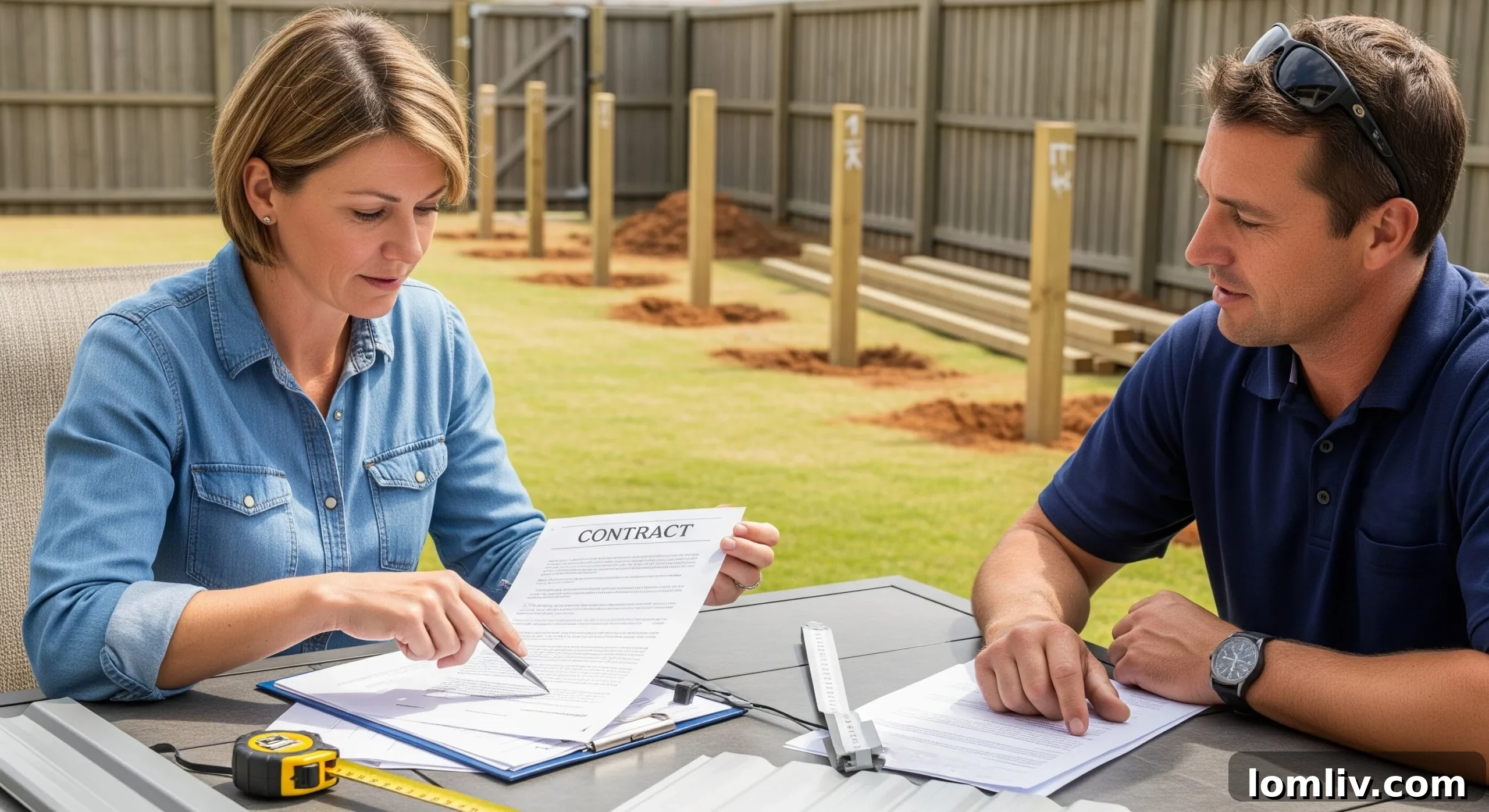
A well-defined property line is more than just a visual boundary; it’s a fundamental element of homeownership that enhances security, privacy, and curb appeal. In Utah County, investing in quality fencing serves multiple crucial purposes, from keeping beloved pets safely within your yard to deterring unwanted guests, and perhaps most importantly, clarifying property ownership – a conversation best avoided during a pleasant backyard barbecue.
This comprehensive guide is designed for homeowners in Provo, Orem, Lehi, Saratoga Springs, and surrounding Utah County communities. It aims to demystify the fence installation process, covering everything from understanding local installer services and navigating cost expectations to exploring material options, adhering to permit regulations, predicting project timelines, and confidently selecting the best fencing contractor for your specific needs.
Finding the Right Fence Company in Utah County: More Than Just a Search
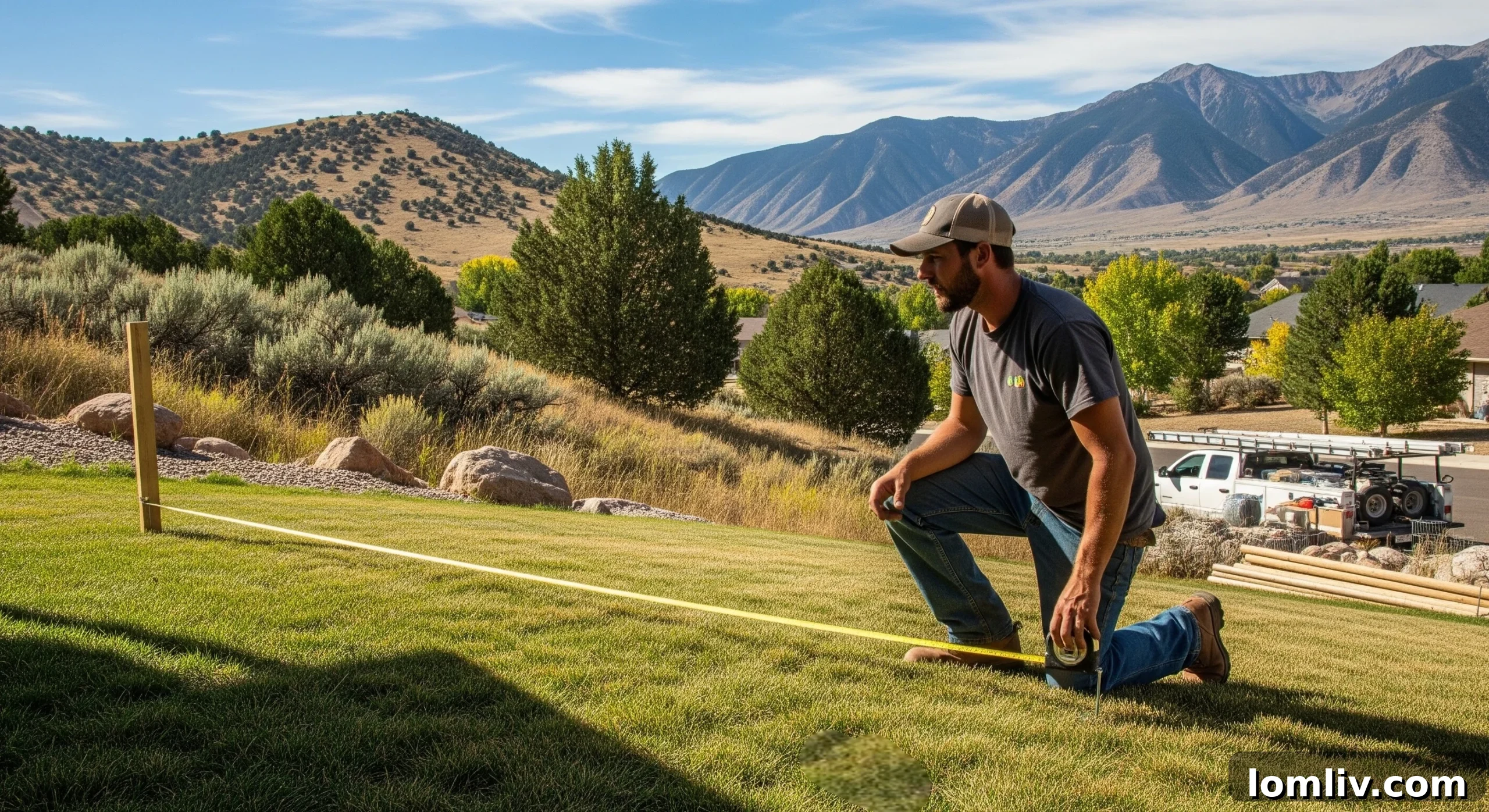
When you begin your search for “fence companies near me” in Utah County, shift your focus from catchy slogans to proven results. The best fencing crews offer more than just installation; they provide expertise in crucial aspects like precise layout planning, adapting to challenging slope changes, ensuring gates swing smoothly and securely, and guaranteeing posts remain steadfast against Utah’s strong winds and varied terrain. A truly reliable contractor will bring a blend of local experience, craftsmanship, and transparent communication to every project.
Here are a few well-regarded Utah County-area fence companies that homeowners often consider for their projects. Remember, this list is a starting point, and thorough due diligence, including checking recent reviews, asking for references, and viewing portfolios, is always recommended to ensure they align with your project’s specific requirements and your personal preferences:
- Stand Strong Fencing of Provo:
- Elk Ridge, Utah 84651 — 516 N Elk Ridge Dr | (385) 595-5050
- Google Maps (Stand Strong Fencing)
- Archer Fence and Supply LLC:
- Provo, UT 84601 — 409 N Draper Ln
- Stonehenge Fence & Deck:
- Orem, Utah 84057 — 140 N 1200 W
- Frontier Fence, LLC:
- Saratoga Springs, Utah 84045-7020 — 749 N Devonshire Dr
- Standard Fence:
- 701 S 100 E, Provo, Utah 84606
Beyond this initial list, consider asking potential contractors about their specific experience with projects similar to yours, their approach to tricky terrain common in areas like the bench of Provo or the slopes of Lehi, and their commitment to customer satisfaction from consultation to cleanup. A reputable company will be happy to provide detailed answers and solutions tailored to your unique property.
Fence Installation Costs in Utah County: A Detailed Breakdown of What to Expect
Understanding the financial aspect of fence installation is crucial for effective budgeting. In Utah County, the overall cost of a new fence is primarily influenced by several key factors: your chosen material, the complexity of your property’s terrain, the fence’s height and length, and any additional features like gates or old fence removal. Labor costs can also fluctuate based on these elements, with intricate installations or challenging site conditions often requiring more time and specialized equipment.
Here’s an overview of typical installed cost ranges per linear foot for common fencing materials in Utah County, though these are estimates and final bids will vary based on specific project details and contractor rates:
- Chain Link Fencing: Typically ranges from $8 to $40 per linear foot. This wide range accounts for basic galvanized chain link at the lower end, extending to heavier gauge, vinyl-coated, or colored chain link options which offer increased durability and improved aesthetics. Chain link remains the most budget-friendly option, especially for large areas or utility purposes.
- Wood Fencing: Expect costs between $10 and $45 per linear foot. Prices here are heavily dependent on the type of wood (e.g., pressure-treated pine vs. cedar), the fence style (e.g., standard picket, solid privacy, decorative lattice top), and the quality of posts and fasteners used. Cedar, while more expensive, offers natural resistance to rot and insects, making it a popular choice for longevity and beauty.
- Vinyl Fencing: Generally costs between $15 and $40 per linear foot. Vinyl is prized for its low maintenance and consistent appearance. The cost variation reflects different styles (full privacy, semi-privacy, picket), colors, and panel thicknesses. While the initial investment might be higher than some wood options, vinyl often provides long-term savings due to minimal upkeep requirements.
- Ornamental Iron/Steel Fencing: While not listed in the original ranges, ornamental iron or steel fences are also common for their aesthetic appeal and security. These can typically range from $30 to $80+ per linear foot, depending on design complexity, height, and finish.
- Composite Fencing (e.g., Trex-style): Similar to vinyl in its low-maintenance appeal, composite fencing can range from $45 to $120+ per linear foot. This material offers the look of wood without the maintenance, but comes at a premium price point.
Factors that Increase Costs:
- Challenging Terrain: Properties with significant slopes, rocky soil (prevalent in many Utah County bench areas), dense root systems, or limited access for equipment will incur higher labor costs for excavation and installation.
- Old Fence Removal: If an existing fence needs to be torn down and hauled away, this service will add to your total cost. Ensure your quote explicitly includes debris removal.
- Custom Gates: Gates can significantly impact your budget. A standard 3-4 foot walk-through gate is one thing, but a wider double gate (e.g., 8-10 feet for vehicle access) or custom-designed gates with heavy-duty hardware and automation can considerably increase expenses. Always discuss gate pricing early in the quotation process.
- Fence Height: Taller fences (e.g., 8 feet for high privacy or commercial applications) require more material and often more robust posts and deeper footings, increasing overall costs.
- Special Features: Decorative post caps, custom lattice work, or unique finishes will also add to the price.
To get an accurate estimate, always request a detailed, written quote that itemizes all costs, including materials, labor, permits (if the contractor handles them), old fence removal, and any surcharges for difficult site conditions. Comparing multiple quotes thoroughly will help you understand the market rate for your specific project.
Pro Tip:
Gates can significantly impact your budget. A standard walk gate is one thing, but a wide driveway gate with heavy-duty hardware and potentially custom fabrication is another. Always ask for gate pricing details early in the quotation process so the final quote doesn’t come as an unwelcome surprise. Ensure the quote specifies the type of gate, dimensions, latch mechanism, and hardware grade.
Vinyl vs. Wood vs. Chain Link vs. Other Materials: Choosing the Right Fence for Your Utah County Home
Selecting the ideal fencing material is a critical decision that balances aesthetics, functionality, maintenance, and budget. Begin by clarifying the primary goal for your fence: Is it for ultimate privacy, secure pet containment, pool safety, enhancing curb appeal, or simply defining property lines? Once your primary objective is clear, the material selection process becomes much more straightforward.
Here’s a deeper look at common materials suitable for Utah County, along with their pros and cons:
Vinyl Fencing
- Pros: Vinyl is renowned for its extremely low maintenance requirements. It resists rot, pests, and never needs painting or staining. A simple spray-down with a hose is usually all it takes to keep it looking new. It offers a clean, modern aesthetic and comes in various styles (full privacy, semi-privacy, picket) and colors, most commonly white or tan. It’s also very durable against the elements.
- Cons: The initial cost of vinyl fencing tends to be higher than wood or chain link. While durable, individual panels can be challenging to repair if damaged, sometimes requiring full section replacement. Some homeowners prefer the natural look of wood.
- Best For: Homeowners prioritizing minimal upkeep, long-term durability, consistent appearance, and full privacy. Excellent for pool enclosures and property lines where a clean, uniform look is desired.
Wood Fencing
- Pros: Wood fences offer a classic, warm, and natural aesthetic that many homeowners find appealing. They provide excellent privacy and can be customized in terms of style, height, and finish. Wood is generally more affordable upfront than vinyl, especially common types like pressure-treated pine. Individual boards can often be repaired or replaced, making maintenance manageable.
- Cons: Wood requires regular maintenance, including staining or sealing every few years, to protect against weathering, rot, and insect damage, which is particularly important with Utah’s intense sun and heavy snow. Without proper care, wood can warp, crack, fade, or succumb to decay.
- Best For: Homeowners seeking a natural look, high customization, strong privacy, and are willing to commit to regular maintenance. Popular choices include cedar for its natural resilience and appearance, and pressure-treated pine for its affordability.
Chain Link Fencing
- Pros: Chain link is the most budget-friendly fencing option and is excellent for securing large areas, containing pets, and defining boundaries without obstructing views. It’s durable, relatively quick to install, and requires minimal maintenance. Available in galvanized steel (silver) or vinyl-coated options (green, black, brown) for improved aesthetics and rust resistance.
- Cons: Offers very little privacy unless privacy slats are added, which incurs additional cost and can affect wind resistance. The industrial appearance is not preferred by all homeowners, especially for front yards.
- Best For: Utility applications, large property perimeters, securing backyards for pets and children, and commercial properties where cost-effectiveness and security are primary concerns over aesthetics and privacy.
Ornamental Iron/Aluminum Fencing
- Pros: These fences provide a sophisticated, elegant look that significantly enhances property value and curb appeal. They are incredibly durable, offering excellent security and requiring very low maintenance (especially aluminum, which doesn’t rust). They maintain open sightlines while clearly defining boundaries.
- Cons: The highest initial cost among common fencing materials. Offers no privacy.
- Best For: Front yard boundaries, pool enclosures where visibility is key, and homeowners prioritizing aesthetics, security, and minimal maintenance.
For a local starting point to explore options and service areas, the Stand Strong Fencing Provo page is a practical bookmark, offering insights into one local company’s offerings.
Furthermore, always consider the unique Utah County weather. The intense summer sun, dry climate, and heavy winter snow can take a significant toll on fencing materials. Ask prospective installers about the specific types of posts, fasteners, and protective coatings they use. These seemingly minor details are crucial and often determine whether your fence maintains its integrity and aesthetic appeal in year five or begins to show significant wear by year two.
Permits, Setbacks, and Property Line Basics in Utah County
Navigating local regulations is a critical step in any fence project. It’s vital to remember that city codes vary, so treat casual advice from neighbors or friends as hearsay rather than definitive guidance. Always consult your specific city’s planning or building department before commencing any construction.
Specific City Guidelines (Examples):
- Provo: The city code for Provo generally states that a structural yard barrier, such as a fence, standing at 7 feet or less, typically does not require a building permit. However, if your planned fence exceeds 7 feet in height, a formal permit process through the city’s planning department will be required. It’s always wise to verify current regulations, as codes can be updated.
- Orem: In contrast to Provo, Orem’s city guidelines often indicate that fencing projects generally require a permit. This can be true even when a full building permit isn’t necessary for other minor construction types. It’s crucial for Orem residents to contact the Orem City Planning Division to understand the specific requirements for their fence project, including height restrictions, setback requirements, and material approvals.
- Other Utah County Cities: Lehi, Saratoga Springs, American Fork, and other communities will have their own distinct codes. Always check their official city websites or contact their respective planning departments directly.
Essential Property Line Basics to Prevent Headaches:
- Do Not Guess Your Property Line: This is perhaps the most crucial piece of advice. Relying on visual cues or assumptions about where your property ends can lead to costly mistakes, disputes with neighbors, and the need for expensive redo work. Locating old survey pins, reviewing existing survey documents, or hiring a licensed land surveyor are the only reliable methods to confirm your exact property boundaries. Many issues arise from fences built even slightly on a neighbor’s land.
- Plan for Visibility at Corners and Driveways: Many cities, including those in Utah County, have specific regulations regarding fence setbacks and height restrictions near street intersections, driveways, and alleys. These rules are designed to ensure clear sightlines for drivers and pedestrians, enhancing safety. Tall, solid barriers in these areas are often restricted.
- Call 811 Before You Dig: This is a non-negotiable step. In Utah, you must call 811 at least two business days before any digging project begins. This free service ensures that underground utility lines (gas, water, sewer, electrical, communication) are located and marked on your property. Hitting a utility line can result in severe injuries, expensive repairs, service interruptions, and significant fines. “Call Before You Dig” is a public safety mandate.
- Understand HOA Regulations: If you live in a community governed by a Homeowners Association (HOA), their rules often supersede or add to city regulations. HOAs frequently have strict guidelines concerning fence materials, heights, styles, colors, and even placement. Obtaining HOA approval is a vital step and can sometimes be a lengthy process.
By diligently adhering to these guidelines, homeowners can avoid legal complications, maintain positive neighbor relations, and ensure their fence project proceeds smoothly and legally.
The Installation Timeline and Potential Delays for Your Utah County Fence Project
Understanding the typical timeline for fence installation and being prepared for potential delays can significantly reduce stress and improve project management. A straightforward residential fence installation can move surprisingly fast once all materials are on-site and permits are secured. However, projects involving longer runs, challenging grading, custom designs, or specialty panels will naturally require more time and meticulous planning.
General Project Stages and Estimated Timelines:
- Initial Consultation & Quote: 1-2 weeks (from initial contact to receiving detailed bids).
- Contract Signing & Deposit: Varies based on homeowner’s decision-making process.
- Permit Acquisition (if needed): 2-6 weeks, depending on city department workloads and complexity.
- HOA Approval (if needed): 2-8 weeks, depending on the HOA’s meeting schedule and review process.
- Utility Locates (811): At least 2 business days prior to digging.
- Material Lead Times: Varies greatly. Stock materials might be available immediately, while custom orders or specialty items could take 4-12 weeks or more, especially for certain vinyl colors, ornamental iron designs, or composite products.
- Site Preparation & Installation: A typical residential fence (e.g., 150-200 linear feet) can take 3-7 days of actual installation work, assuming good weather and no major surprises. Larger or more complex projects can extend to 2 weeks or more.
Common Slowdowns and Potential Delays in Utah County Fence Projects:
- HOA Review or Neighbor Agreements on Shared Lines: Delays often occur if homeowners associations are slow to approve designs or if disputes arise with neighbors regarding shared fences or property lines. It’s best to engage both your HOA and immediate neighbors early in the process.
- Permit Approvals from the City: City planning and building departments can experience high volumes, leading to longer processing times. Incomplete permit applications or discrepancies can further delay approval.
- Utility Locates and Clearance: While 811 is efficient, occasional miscommunications or delays in marking can occur. Additionally, installers need to work carefully around existing underground sprinklers, drainage systems, or other utilities not covered by 811, which can slow down post-hole digging.
- Material Lead Times: Supply chain issues can cause significant delays. If you choose a popular or custom material, ensure your contractor confirms availability and lead times before setting a firm start date.
- Harsh Weather Conditions: Utah’s climate can be unpredictable. Frozen ground in winter can make digging impossible, while heavy rain or snow can halt outdoor construction entirely. High winds can also be a safety concern, preventing work. Scheduling during optimal weather windows (spring to fall) can mitigate this risk.
- Unexpected Site Conditions: Encountering unforeseen rock formations, buried debris, or dense root systems during digging can require extra equipment or manual labor, pushing back the schedule.
Want to experience fewer surprises during your fence project? Ask your installer for a projected start date range, a clear “dig day,” and an estimated finish window. Defining these three mini-milestones upfront makes the project much more transparent and manageable for everyone involved.
Comprehensive Checklist: How to Hire the Best Utah County Fence Company
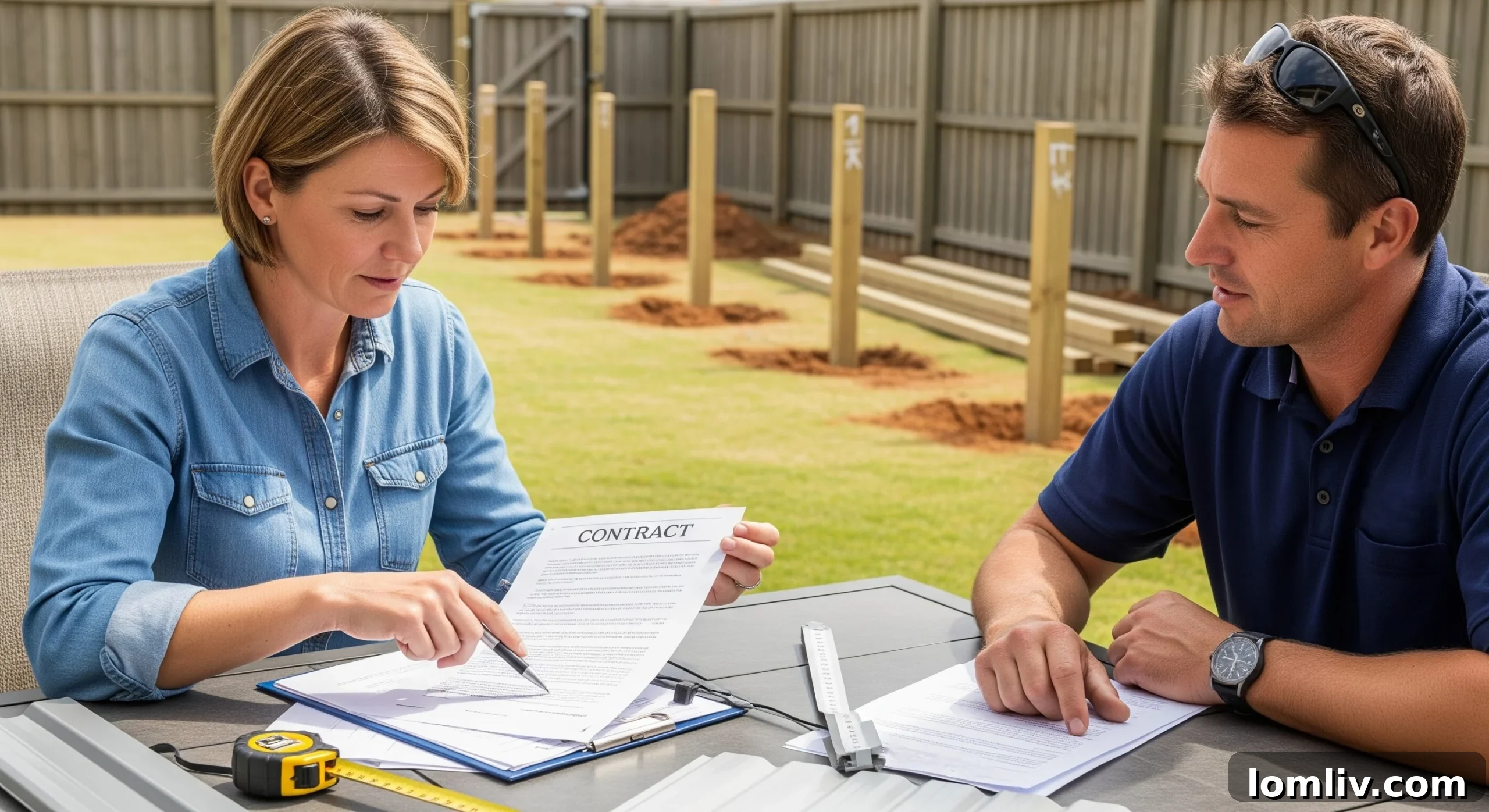
Choosing the right fence contractor is paramount to the success and longevity of your project. Here’s an expanded checklist to guide you through the hiring process, ensuring you find a reliable and skilled team in Utah County:
- Verify Licensing and Insurance: Always confirm that the company holds the necessary business licenses and, critically, comprehensive liability insurance and workers’ compensation. This protects you from financial responsibility if an accident occurs on your property or if a worker is injured. Also, ask who actually performs the work—an in-house crew or subcontractors—and verify that subcontractors are also properly insured and licensed.
- Inquire About What’s Included in the Quote: A detailed quote should clearly itemize all services. Ask specifically if it includes old fence removal, haul-off of debris, extraction of old fence posts (especially important if they’re concrete-set), and final site cleanup. Ambiguity here can lead to unexpected charges or a messy property after installation.
- Confirm Post Depth and Concrete Use: For enduring stability, especially in Utah County’s varied soil types and high-wind areas, proper post installation is key. Inquire about the planned post depth and whether concrete will be used for setting posts. Industry standards typically recommend setting posts one-third of their length into the ground with concrete for optimal stability.
- Get Gate Details in Writing: Gates are functional components that see a lot of use. Ensure your contract specifies the exact gate width, the type of latch mechanism (e.g., standard, self-closing, lockable), the intended swing direction (inward or outward), and the grade of hardware (e.g., standard duty, heavy-duty). These details impact both functionality and cost.
- Ask About Warranty Terms: A reputable contractor will stand behind their work. Inquire about the warranty terms for both workmanship (e.g., against faulty installation, leaning posts) and the materials used. Understand the duration of the warranty and what it specifically covers.
- Request a Simple Drawing or Layout Notes: To prevent misunderstandings, ask the contractor to provide a simple drawing or detailed layout notes that outline the fence’s path, height changes, gate placements, and any special features. This visual confirmation ensures both parties agree on the exact result before work begins.
- Check References and Review Portfolios: Ask for references from recent clients and take the time to contact them. Additionally, review the company’s portfolio of past projects, ideally similar to what you envision for your home. This provides insight into their quality of work and style.
- Understand the Payment Schedule: Discuss the payment structure upfront. A common practice is an initial deposit, progress payments, and a final payment upon satisfactory completion. Avoid contractors who demand full payment upfront.
- Clarify Communication Protocol: Know who your primary point of contact will be throughout the project and how communication will be handled for updates or unforeseen issues.
- Get Multiple Bids: Always solicit detailed bids from at least three different fence companies. This allows you to compare pricing, services, and contractor approaches effectively, ensuring you get the best value.
Conclusion: Enhancing Safety, Privacy, and Value for Your Utah County Home
A high-quality fence is a smart investment that goes beyond mere aesthetics; it significantly contributes to your home’s security, privacy, and overall curb appeal. It creates a defined sanctuary for your family, provides a safe play area for children and pets, and establishes clear boundaries that enhance neighborly relations. The journey to a perfect fence in Utah County begins with informed decisions and the selection of a trustworthy professional.
When choosing a fencing contractor in Provo, Orem, Lehi, or any other Utah County community, prioritize a company that excels in clear communication, provides a comprehensive and transparent scope of work in their pricing (including all details like gates, old fence tear-out, and specific materials), and demonstrates a thorough understanding of your city’s specific permit requirements and local regulations. Their expertise in navigating these local nuances will save you time, money, and potential headaches.
To ensure you find the ideal fit for your property and budget, dedicate time to comparing options. Call a few local providers, using the contact details suggested above or by finding others through local searches, and ask them the same set of detailed questions. This consistent approach will enable you to evaluate their responses, assess their professionalism, and ultimately select the right fencing partner who can deliver both exceptional results and peace of mind for your Utah County home.
Frequently Asked Questions (FAQs) About Fence Installation in Utah County
Here are answers to common questions homeowners have about fence projects in Utah County:
How much does fence installation typically cost in Utah County?
The cost varies significantly based on material, fence height, length, and site conditions. Generally, you can expect installed ranges per linear foot such as chain link ($8–$40), wood ($10–$45), and vinyl ($15–$40). Additional costs for gates, old fence removal, or challenging terrain will impact the total. Always get a detailed, itemized quote.
What fencing material is best for low maintenance in Utah County?
Vinyl is often considered the easiest option for low maintenance as it doesn’t require staining or painting and cleans up quickly with a hose. Chain link also offers low upkeep but provides less privacy and a different aesthetic. Composite fencing is another excellent low-maintenance choice, though it comes at a higher initial cost.
Do I need a permit for a fence in Provo or Orem?
In Provo, fences 7 feet or less in height typically do not require a building permit. However, for fences exceeding 7 feet, a permit is necessary. In Orem, the city generally requires a permit for most fencing projects, even if other minor construction types do not. Always confirm current regulations with your specific city’s planning department before starting work.
What are the biggest causes of delays in fence installation projects?
Common delays in Utah County include slow HOA approvals, extended city permit processing times, waiting for utility locates (calling 811), unexpected material lead times, and inclement weather conditions (like frozen ground in winter or heavy rain). Unforeseen site conditions, such as rocky soil or buried obstacles, can also cause slowdowns.
Is calling 811 before digging really necessary?
Yes, absolutely. Calling 811 in Utah at least two business days before you dig is a legal requirement and crucial for safety. It’s a free service that marks underground utility lines, preventing dangerous and costly accidents. Never assume it’s safe to dig without this step.
How do I effectively compare bids from different fence companies?
To compare bids effectively, ensure each quote lists the exact same items: specific material type and quality, total linear feet, number and type of gates, post depth and concrete use, hardware type, whether old fence removal and debris haul-off are included, and the estimated timeline. If one quote is significantly cheaper but lacks detail, it’s not necessarily a better deal—it might simply be incomplete and lead to hidden costs.
What are typical HOA rules for fences in Utah County?
HOA rules vary widely but commonly dictate approved fence materials, colors, heights, styles (e.g., solid privacy vs. semi-private), and setback requirements. Many HOAs require prior written approval for any fence installation or modification. Always check your specific HOA’s covenants, conditions, and restrictions (CC&Rs) and obtain approval before hiring a contractor or starting work.