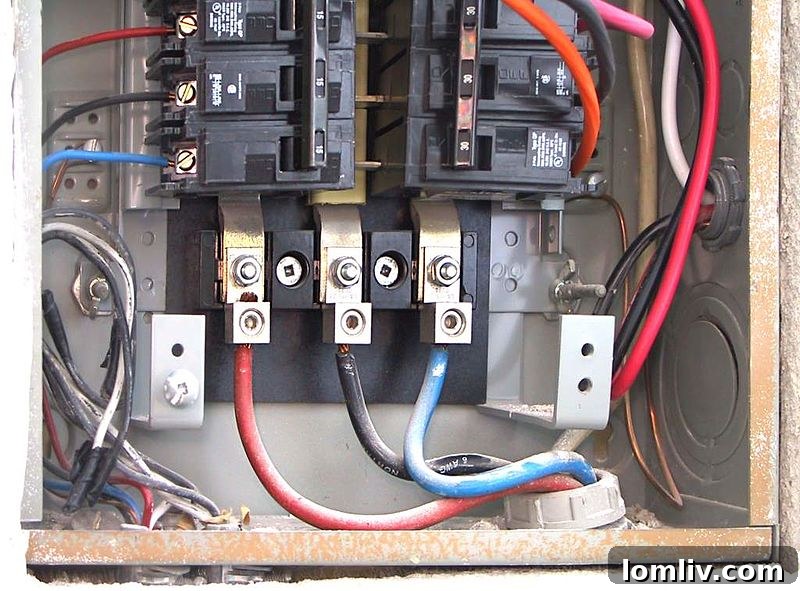
Comprehensive Guide to Electrical Panel Inspections: Ensuring Home Safety
Every week, the detail-oriented folks at Green Scene Home Inspections provide invaluable insights to Daltxrealestate.com readers through their educational series, “Upon Closer Inspection.” This week, we delve into the critical, often overlooked, world of electrical panel safety.
When embarking on the journey of purchasing a new home, prospective buyers and their inspectors meticulously scrutinize several major components: the roof, plumbing systems, structural foundation, HVAC, and, crucially, the electrical system. These represent some of the most significant investments within a property. Overlooking potential issues in these areas can lead to substantial, unforeseen repair costs down the line, turning your dream home into a financial headache.
Electrical issues, in particular, span a wide spectrum of severity, from minor inconveniences that disrupt daily life to outright dangerous conditions posing significant fire and shock hazards. Often, these problems stem from outdated equipment, substandard installation practices, or a general lack of ongoing maintenance. At the very heart of a home’s electrical network lies the panel box – the central distribution hub that controls power flow throughout the entire residence. Consequently, the electrical panel box is a paramount focus during any thorough home inspection.
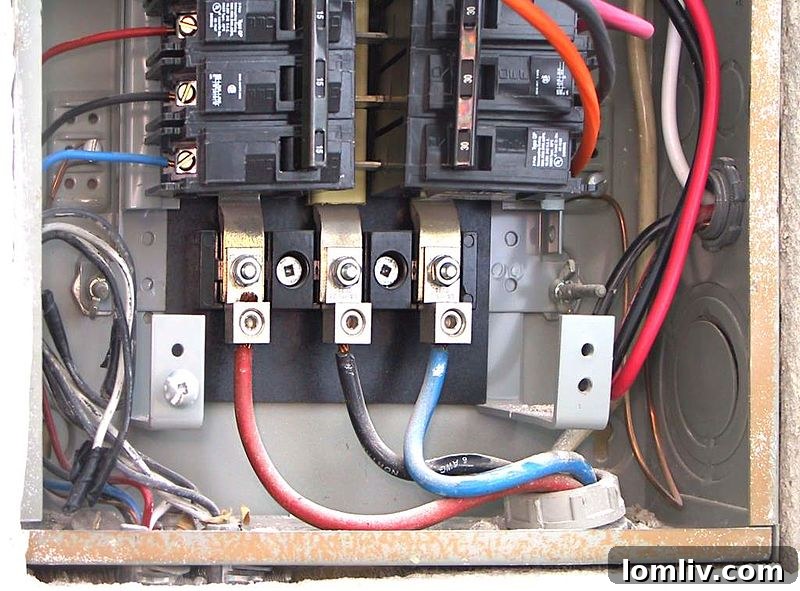
The Electrical Panel: Your Home’s Central Nervous System
Think of your home’s electrical panel, also known as a breaker box or service panel, as the central nervous system of your entire electrical infrastructure. It receives power from the utility company and then safely distributes it through individual circuits to every light fixture, outlet, and appliance in your home. Each circuit is protected by a circuit breaker, an essential safety device designed to automatically trip and cut power in the event of an overload or short circuit, thereby preventing overheating and potential fires.
Given its critical function, the condition and proper functioning of the electrical panel are non-negotiable for home safety. A compromised or improperly maintained panel can lead to a myriad of serious problems, from flickering lights and tripping breakers to much graver risks like electrical fires, severe shocks, and widespread power outages. This is precisely why a professional home inspector dedicates considerable attention to evaluating every aspect of the panel box.
Identifying Common Hazards: What Inspectors Look For
A skilled home inspector possesses the expertise to identify subtle yet significant red flags within an electrical panel. They are trained to spot issues that might escape the untrained eye, offering peace of mind or alerting you to necessary repairs. Let’s explore some of the most prevalent and dangerous problems inspectors frequently uncover:
Problematic Brands: The Challenger Panel and Beyond
In the insightful video above, Inspector John highlights several critical issues within a specific panel box, starting with its problematic brand. Some electrical panel brands have become notorious within the industry for inherent safety defects and design flaws, often leading to product recalls or widespread recommendations for replacement. Challenger panel boxes are one such brand that inspectors frequently flag due to known safety issues, including a propensity for circuit breakers to fail to trip under fault conditions, significantly increasing the risk of fire. Other brands with similar histories include Federal Pacific Electric (FPE) Stab-Lok panels and Zinsco panels. If your inspection reveals one of these brands, professional replacement is almost always recommended due to the severe safety risks involved.
Missing or Improperly Installed Bonding Screws: A Critical Grounding Component
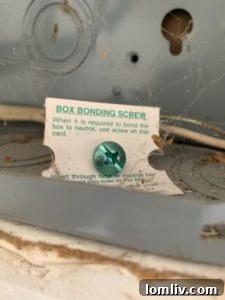
Inspector John previously emphasized the significance of the green bonding screw, a vital component that should be present and properly installed in every main service panel. This grounding screw threads into the panel box itself, establishing a crucial connection between the panel enclosure and the grounding conductor. Its primary purpose is to provide a safe, low-resistance path for fault current to return to the electrical source in the event of a short circuit. Without this essential bond, the metal casing of the electrical panel could become energized during a fault, turning it into a severe shock hazard. If an inspector finds your bonding screw missing or simply sitting unattached within the panel box, it indicates a serious grounding defect that requires immediate attention from a qualified electrician. For those interested in understanding the technicalities, here’s how to install it correctly – but remember, this is a job for a licensed professional.
Improperly Labeled or Mismatched Wiring
Another common concern is the presence of improperly labeled or mismatched wiring. Clear and accurate labeling of each circuit breaker (e.g., “Kitchen Outlets,” “Master Bedroom Lights”) is not just a convenience; it’s a safety imperative. It allows homeowners and electricians to quickly identify and shut off power to specific areas during emergencies or for maintenance. Unlabeled circuits can lead to dangerous guesswork. Furthermore, inspectors look for mismatched wire gauges, frayed insulation, or circuits wired with insufficient capacity for their load. These issues can lead to overheating, short circuits, and a heightened risk of fire.
Evidence of Vermin Infestation: Uninvited Guests
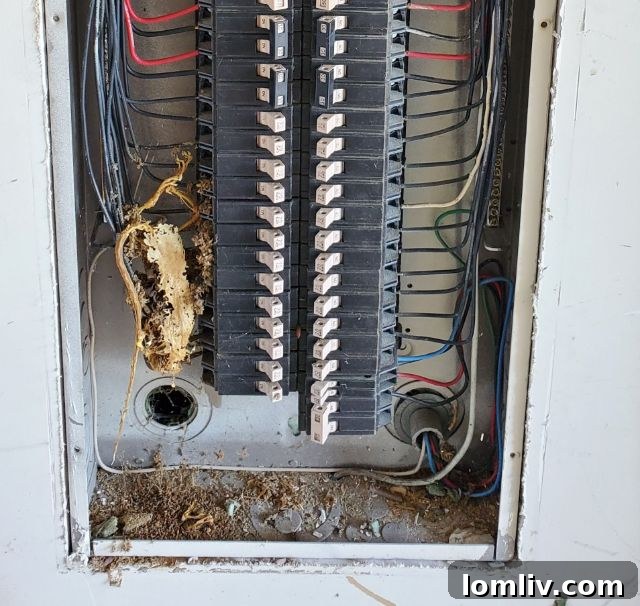
Dearly beloved, we are gathered here today to mourn the loss of this… whatever this once was… that likely crawled into the lovely warm panel box and then couldn’t get out. Rest in power, reptilian friend. While a moment of somber reflection for our departed reptilian friend, finding evidence of vermin or pests inside an electrical panel is far from a trivial matter. Rodents and insects are attracted to the warmth and shelter of these enclosed spaces. Once inside, they can chew through wire insulation, build nests that obstruct ventilation, or even short out circuits themselves, creating significant fire hazards and operational failures. The presence of droppings, nests, or deceased critters signals a breach in the panel’s integrity that needs immediate professional remediation, not only to remove the pests but to inspect for and repair any damage they may have caused.
Foreign Objects and Clutter
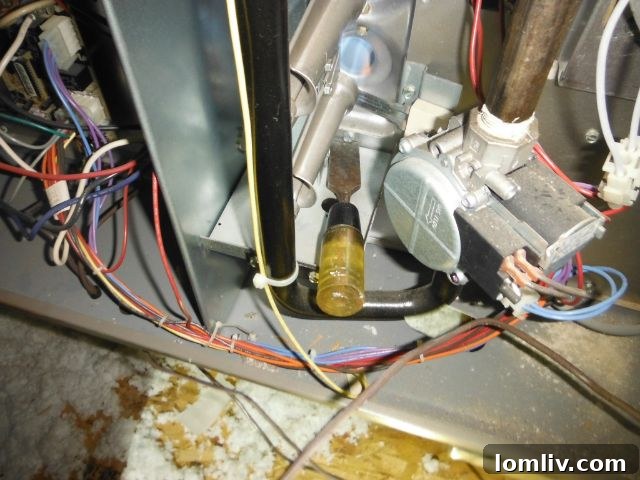
THAT’S where I left that! While perhaps humorous in context, discovering foreign objects like tools, discarded wires, or even children’s toys inside an electrical panel is extremely dangerous. Any conductive material introduced into the panel can cause a short circuit, lead to electrocution, or ignite a fire. The inside of an electrical panel should be pristine and free of anything not directly part of its designed electrical components. An inspector will meticulously check for such hazards, emphasizing the importance of keeping the panel box clear and its cover securely fastened at all times.
Other Critical Red Flags for Electrical Panels:
- Overcrowding and Double Tapping: Too many wires under a single breaker terminal, or too many breakers for the panel’s capacity, can lead to overheating and fire risk.
- Corrosion or Water Damage: Any signs of rust, water stains, or moisture indicate a severe problem that can compromise electrical integrity and safety.
- Missing or Damaged Panel Cover: The cover protects the live components from accidental contact and foreign objects. A missing or damaged cover exposes dangerous, energized parts.
- Burn Marks or Scorching: These are clear indicators of past or present electrical arcing and overheating, signaling an immediate and severe hazard.
- Outdated Fuses: In older homes, fuse boxes may still be present. While not inherently unsafe if properly maintained, they are less convenient and can be prone to homeowner modifications that bypass safety. An upgrade to a modern breaker panel is often recommended.
The Indispensable Role of a Professional Electrician
At Green Scene Home Inspections, and indeed across the entire home inspection industry, there’s a golden rule regarding electrical systems: **never, ever attempt DIY electrical work beyond the most basic tasks.** The risks associated with amateur electrical repairs or modifications are simply too great, potentially resulting in severe injury, electrocution, or catastrophic fires. Your electrical panel is a highly complex and dangerous component. The only acceptable “tinkering” for a homeowner is switching breakers on or off as needed. Any other issue, from a missing bonding screw to suspect wiring or a problematic panel brand, absolutely demands the attention of a licensed and qualified electrician.
Professional electricians possess the specialized knowledge, training, and tools required to safely diagnose, repair, and upgrade electrical systems in compliance with stringent safety codes. They understand the intricacies of grounding, bonding, circuit protection, and load calculations, ensuring that all work performed adheres to the highest safety standards.
Conclusion: Prioritizing Electrical Safety for Your Home
The electrical panel is the lifeblood of your home’s power system, and its health directly impacts the safety and functionality of your entire property. A thorough home inspection, with a particular focus on the electrical panel, is an indispensable step in the home buying process, helping you uncover potential hazards before they become costly or dangerous realities. From problematic brands like Challenger to uninvited vermin and critical grounding issues, a professional inspector provides invaluable insights.
Remember, when it comes to electricity, caution is paramount. Trust the experts at Green Scene Home Inspections to identify potential issues, and always defer to a licensed electrician for any repairs or modifications. Prioritizing electrical safety is not just about protecting your investment; it’s about safeguarding your family and your home.