Navigating the Silver Tsunami: Understanding America’s Unprecedented Demographic Shift and the Future of Senior Care
A seismic demographic shift is on the horizon, one that experts have aptly dubbed the “Silver Tsunami.” This phenomenon refers to the dramatic increase in the older adult population, a wave that is poised to reshape the very fabric of American society, economy, and healthcare system. Far from a distant concern, this transformation is unfolding rapidly, promising to bring about significant changes within the next two decades.
For the first time in U.S. history, projections indicate that older adults will soon outnumber young adults. This monumental shift signals a profound rebalancing of age demographics that demands immediate attention and strategic planning from individuals, families, businesses, and policymakers alike. The implications extend far beyond mere statistics, touching upon everything from urban planning and infrastructure to social support systems and the future of the workforce.
At the forefront of understanding and addressing this burgeoning challenge is Adam Lampert, CEO of Manchester Care Homes and Cambridge Caregivers. Lampert, a visionary leader in the senior care sector, has long recognized the magnitude of this demographic evolution. He points out that in a mere two decades, older adults will constitute nearly a quarter of the nation’s total population, a statistic that underscores the urgency of adapting our societal structures to meet their unique needs.
The Tides of Change: Unpacking America’s Aging Demographics
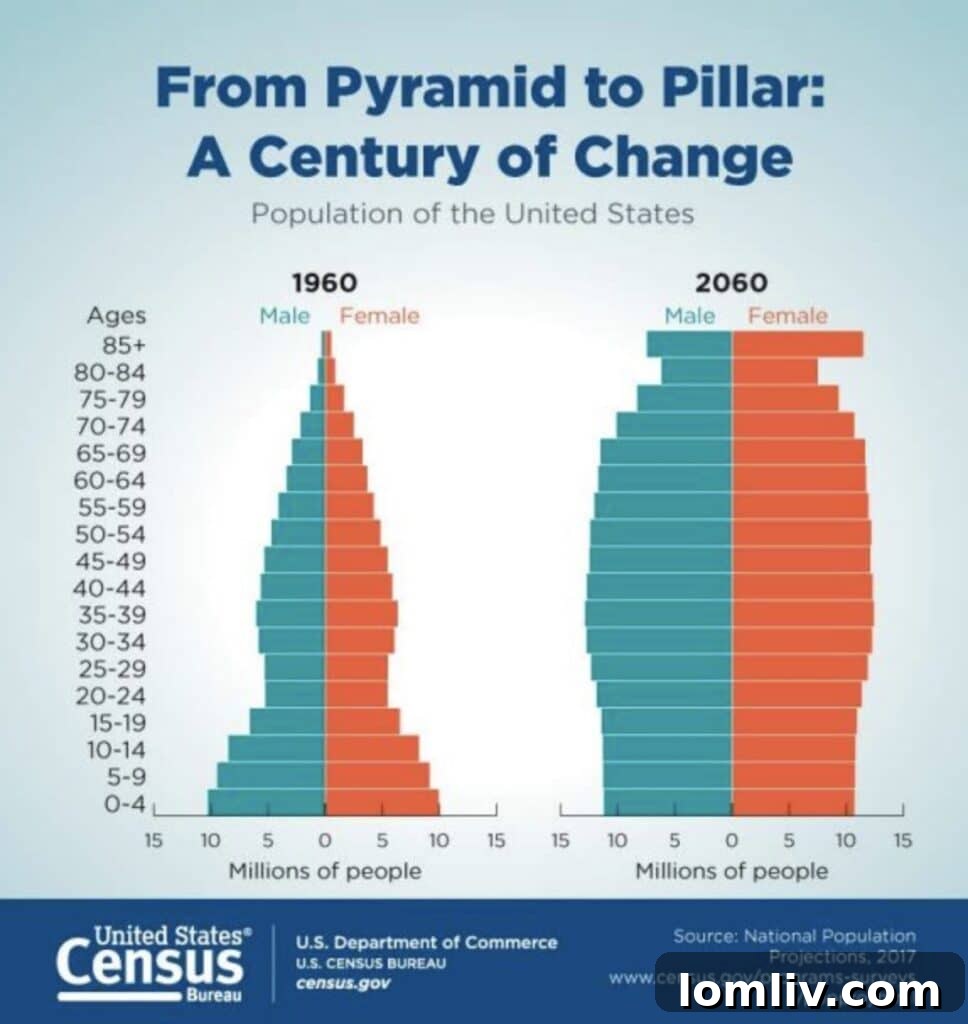
The primary catalyst for this “Silver Tsunami” is the aging of the Baby Boomer generation. Born between 1946 and 1964, this populous cohort has influenced every stage of American life, and their entry into seniorhood is no different. Beginning in 2030, all Baby Boomers will be older than 65. This milestone will see the percentage of Americans aged 65 and older jump significantly from approximately 15 percent today to an estimated 21 percent of the total population.
The projections become even more striking when we look further into the future. By 2060, nearly one in four Americans will be 65 years and older, profoundly altering the age distribution across the country. Within this older demographic, the fastest-growing segment will be those aged 85 and above, whose numbers are projected to triple. Furthermore, the nation is expected to witness a half-million centenarians, individuals living to 100 years or beyond, a testament to advancements in healthcare and quality of life, but also a signal of increased demand for specialized long-term care.
Adam Lampert’s early recognition of this profound trend dates back more than a decade, when he first strategically invested in assisted-living homes. His foresight, rooted in a keen understanding of demographic shifts and market needs as a Wharton MBA, positioned his organizations ahead of the curve. He emphasizes that what we are currently experiencing is merely the tip of a much larger, grayer iceberg. The coming years will see older adults definitively outnumbering children for the first time, making the landscape for senior care, support services, and community planning more critical than ever. Lampert’s businesses are not just observing this wave; they are strategically prepared to ride it, offering crucial solutions to a burgeoning population.
The Far-Reaching Implications of an Aging Nation
The “Silver Tsunami” is more than just a demographic shift; it is a catalyst for widespread societal change. Its implications ripple through various sectors, demanding innovative solutions and a re-evaluation of current practices.
Increased Demand on Healthcare Systems
One of the most immediate and significant impacts of an aging population is the escalating pressure on healthcare systems. Older adults typically require more medical attention, often dealing with multiple chronic conditions such as heart disease, diabetes, arthritis, and dementia. This surge in demand necessitates a substantial increase in geriatric specialists, skilled nursing facilities, home healthcare services, and advanced medical technologies. Hospitals will need to adapt their infrastructure and services to cater to an older patient base, focusing on preventative care, long-term condition management, and palliative care. Moreover, the prevalence of age-related diseases like Alzheimer’s and other forms of dementia will place immense strain on both medical resources and family caregivers, highlighting the need for specialized memory care facilities and support programs.
Economic and Workforce Transformations
An aging population also presents complex economic challenges. The dependency ratio – the number of retirees supported by the working population – will inevitably rise, putting stress on social security, Medicare, and pension systems. Governments will face tough decisions regarding funding and eligibility to ensure the sustainability of these vital programs. Furthermore, the workforce itself will undergo significant changes. With a larger proportion of the population in retirement, there could be potential labor shortages in key industries, necessitating strategies like encouraging delayed retirement, increasing immigration, or investing in automation. The caregiving economy, however, is poised for significant growth, creating new job opportunities but also demanding a robust, well-trained, and adequately compensated workforce.
Social and Community Adaptation
Beyond healthcare and economics, the “Silver Tsunami” will reshape social dynamics and community structures. There will be an increased need for age-friendly cities and communities, featuring accessible public transport, safe walking paths, easily navigable public spaces, and housing options that support independent living and aging in place. Social isolation among older adults is a growing concern, emphasizing the importance of community centers, intergenerational programs, and technology-driven solutions to maintain social connections. Families will also experience increased caregiving responsibilities, highlighting the need for stronger family leave policies, respite care services, and caregiver support networks to prevent burnout and ensure the well-being of both care recipients and providers.
Adam Lampert’s Proactive Approach: Riding the Wave with Care
Adam Lampert’s visionary leadership and strategic investments through Manchester Care Homes and Cambridge Caregivers exemplify a proactive and compassionate response to the “Silver Tsunami.” His understanding of the burgeoning needs of the aging population has allowed his organizations to create comprehensive, high-quality care solutions.
Manchester Care Homes: A Foundation of Quality Senior Living
Manchester Care Homes represents the pinnacle of assisted living, offering environments designed to foster well-being, dignity, and community for older adults. These homes are more than just residences; they are vibrant communities where residents receive personalized care tailored to their individual needs, while also enjoying engaging activities, nutritious meals, and opportunities for social interaction. Lampert’s philosophy centers on creating a supportive atmosphere that promotes independence where possible, while providing discreet assistance with daily activities such as bathing, dressing, medication management, and mobility. By anticipating the increased demand for such specialized facilities, Manchester Care Homes has strategically expanded its footprint, ensuring that more families have access to exceptional senior living options.
Cambridge Caregivers: Empowering In-Home Support
Complementing the offerings of Manchester Care Homes, Cambridge Caregivers addresses another crucial aspect of senior support: in-home care. Many older adults express a strong desire to age in place, remaining in the comfort and familiarity of their own homes for as long as possible. Cambridge Caregivers makes this possible by providing professional, compassionate assistance directly in the client’s residence. Their services range from personal care like hygiene assistance and meal preparation to companionship, medication reminders, light housekeeping, and transportation. This flexible and personalized approach allows seniors to maintain their independence and quality of life, while also offering peace of mind to their families. The growth of in-home care services is a direct response to the “Silver Tsunami,” as it provides a vital alternative to residential care, often at a lower cost and with greater flexibility.
The synergy between Manchester Care Homes and Cambridge Caregivers demonstrates Lampert’s holistic approach to senior care. Whether an individual thrives in a community setting or prefers the solitude of their own home, his organizations offer robust, tailored solutions designed to meet the diverse needs of an aging population. This integrated model is critical as the “Silver Tsunami” continues to gather force, providing a continuum of care that adapts to evolving requirements.
Preparing for the Future: Solutions and Strategies for an Aging America
Effectively navigating the “Silver Tsunami” requires a multi-faceted approach involving innovation, policy adjustments, and a societal shift in perspective.
Innovation in Senior Care and Technology Integration
Technological advancements offer immense potential to enhance the quality of life for older adults and support caregivers. Telemedicine can provide remote medical consultations, reducing the need for travel and improving access to specialists, particularly in rural areas. Smart home technologies, including automated lighting, fall detection sensors, and voice-activated assistants, can significantly improve safety and independence. Wearable devices can monitor vital signs and activity levels, alerting caregivers to potential issues. Furthermore, innovation in assistive devices, mobility aids, and communication tools will be crucial for maintaining seniors’ connectivity and engagement. Investing in research and development for these areas is paramount.
Policy and Societal Adjustments
Governments play a pivotal role in preparing for the “Silver Tsunami” through thoughtful policy development. This includes reforming social security and Medicare to ensure their long-term viability, investing in caregiver training and support programs, and incentivizing the development of age-friendly infrastructure. Urban planners must prioritize accessibility, safety, and opportunities for social engagement in public spaces. Furthermore, a societal shift in attitude towards aging is essential. Moving away from stereotypes and embracing the wisdom, experience, and continued contributions of older adults can foster more inclusive and supportive communities. Encouraging intergenerational connections and recognizing the value of elders as active participants in society can enrich lives across all age groups.
Community Engagement and Support Networks
Local communities are on the front lines of addressing the needs of an aging population. Developing robust local support networks, volunteer programs, and community centers tailored for seniors can combat isolation and promote active aging. Family members, who often bear the brunt of caregiving responsibilities, need access to resources, education, and respite care to sustain their own well-being. Collaboration between governmental agencies, non-profit organizations, and private sector leaders like Adam Lampert is vital to create comprehensive ecosystems of care and support that can effectively manage the challenges and harness the opportunities presented by the “Silver Tsunami.”
Conclusion: A Future Shaped by Foresight and Compassion
The “Silver Tsunami” is not merely a forecast; it is an unfolding reality that demands our collective attention and proactive engagement. While the scale of this demographic shift presents undeniable challenges, it also opens unprecedented opportunities for innovation, community building, and a redefinition of what it means to age in America. Leaders like Adam Lampert, with their early recognition and strategic investment in high-quality senior care through Manchester Care Homes and Cambridge Caregivers, are not just responding to this wave but are actively shaping a future where older adults can live with dignity, respect, and comprehensive support.
As the graying of America progresses, the foresight and dedication demonstrated by organizations committed to senior well-being will become increasingly critical. By fostering environments that prioritize health, independence, and community, and by advocating for policies that support an aging population, we can transform the “Silver Tsunami” from a looming challenge into a testament to societal progress and compassionate care. The time to prepare, innovate, and adapt is now, ensuring that every American can look forward to a future of security and quality in their later years.