For Texans, the dynamic climate is a constant companion. Yet, many homeowners often underestimate the profound and swift impact that a natural disaster can have on their property’s market value. Texas consistently ranks among the most disaster-prone states in the U.S., facing events powerful enough to devastate entire communities and significantly devalue real estate.
The economic scars of Hurricane Harvey in 2017 serve as a stark reminder, causing over $125 billion in damage and illustrating how home values in some affected areas plummeted by as much as 50% in the immediate aftermath. Beyond the headline-grabbing hurricanes, pervasive threats like severe flooding, devastating wildfires, and destructive hailstorms create long-term financial burdens and anxieties for property owners. With Texas homeowners insurance premiums now averaging around $4,600 annually – a staggering 117% higher than the national average – understanding these inherent risks is not merely about physical safety; it’s a critical component of safeguarding your financial future and ensuring your most valuable asset remains protected.
Navigating Property Damage Risks in Texas: A Comprehensive Guide
Owning a home in the Lone Star State presents unique challenges due to its diverse geography and susceptibility to extreme weather. The state sits at the heart of a growing climate crisis, with an estimated $1.1 trillion worth of real estate exposed to various natural hazards. Homeowners must grasp the specific threats that can diminish their property’s value, often when they least expect it.
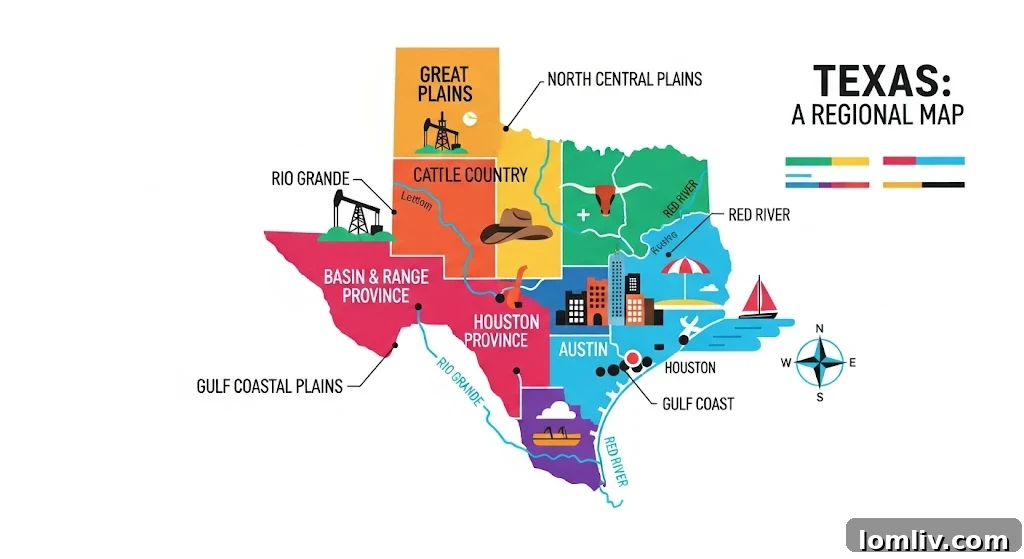
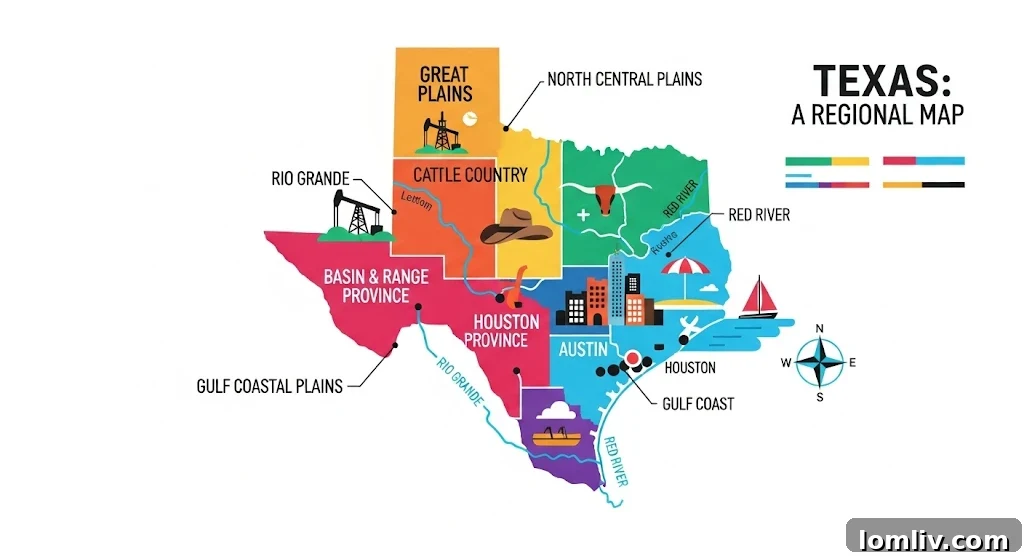
North Texas (Dallas/Fort Worth)
Known for its expansive clay soils, North Texas faces a high risk of foundation failure due to drastic shifting caused by fluctuating moisture levels. This region is also famously dubbed “Hail Alley,” experiencing frequent and severe hailstorms that lead to extensive roof damage and impact property resale values significantly.
Gulf Coast (Houston/Galveston)
The Gulf Coast is synonymous with high risks of flooding and hurricane damage, driven by its low elevation, proximity to the ocean, and intense tropical storm activity. Foundation issues are also common here, often exacerbated by ground subsidence from groundwater withdrawal, leading to property instability and extensive repair costs.
Central Texas (Austin/San Antonio)
This area is often referred to as “Flash Flood Alley” due to its unique topography and intense rainfall patterns, making sudden and severe flooding a major concern. While the prevalence of limestone bedrock in some areas can reduce certain types of foundation risks compared to DFW, pockets of expansive clay soil still exist, posing localized threats to structural integrity.
Texas: A Hotspot for Extreme Weather
Unfortunately, Texas consistently leads the nation in the frequency of major climate-related disasters. Since 1980, the state has endured approximately 190 confirmed climate disasters, each causing over $1 billion in losses. This alarming trend includes 20 severe droughts, 9 major floods, 126 severe storms, 16 tropical cyclones, and frequent, often devastating, winter storms. The year 2023 alone was particularly harsh, with Texas facing 15 billion-dollar weather disasters—the highest count since record-keeping began. This increasing frequency and intensity of events are closely linked to evolving climate patterns, placing immense and growing pressure on infrastructure and property values across the state.
Why Real Estate is Especially Vulnerable in High-Risk Zones
Beyond the direct impact of weather events, several systemic factors amplify the vulnerability of Texas real estate in high-risk zones. The way our communities are expanding, coupled with often inadequate insurance coverage, creates structural weaknesses that expose homeowners to significant financial losses.
- Expanding Wildfire Zones: Approximately 85% of all wildfires in the U.S. originate in or near what’s known as the Wildland-Urban Interface (WUI)—areas where developed neighborhoods meet wildlands. This dangerous zone expands by roughly 2 million acres each year in the United States as populations spread outwards, increasing the risk for countless homes in Texas. This expansion puts more properties directly in harm’s way, escalating the potential for catastrophic damage and driving up insurance costs in affected areas.
- Low Insurance Participation: Despite the escalating risks, insurance coverage often remains far below what is necessary for adequate protection. In counties like Kerr, which has recently experienced catastrophic flooding, only about 2.5% of homeowners carry flood insurance through the National Flood Insurance Program (NFIP). This low participation rate leaves a vast majority of homeowners financially exposed to one of the most common and costly natural disasters, often leading to personal bankruptcy and prolonged community recovery after an event.
- The Cost-to-Income Gap: The financial burden of home insurance in Texas is increasingly unsustainable. Homeowners now spend over 3% of their median household income on insurance premiums, making the state the sixth-least affordable for home insurance nationwide. This growing cost-to-income gap forces some homeowners to opt for higher deductibles, reduce coverage, or even go without essential protections, creating dangerous financial vulnerabilities and hindering market liquidity.
- Aging Infrastructure and Rapid Development: Many parts of Texas are experiencing rapid population growth, often leading to development in areas historically prone to flooding or other hazards. Simultaneously, aging infrastructure in older communities may not be equipped to handle the increased intensity of modern weather events, further exacerbating risks and making properties more susceptible to damage.
The Impact of Fire-Related Damage on Property Value
Fire incidents are not just physically destructive; their financial fallout can be devastating and long-lasting. Property values typically drop by 20–40% below pre-fire market rates, although local market conditions, the extent of the damage, and the quality of repairs will significantly influence where a specific property falls within that range. The ripple effects extend beyond mere structural damage, impacting marketability, insurance viability, and buyer confidence.
Understanding Property Value Impact: Common Damage Scenarios
While an interactive tool could dynamically estimate these impacts, here’s a static breakdown of how various issues typically affect a Texas home’s market value, based on common market data and professional assessments.
Common Property Issues and Their Market Value Impact
The following table outlines typical repair costs (as a percentage of home value) and the estimated market value impact based on the repair status for several key issues:
| Issue Type | Est. Base Repair Cost (% of Home Value) | Status: Professionally Repaired + Warranty (Impact) | Status: Unrepaired / As-Is (Impact) | Status: DIY Repair (No Warranty) (Impact) |
|---|---|---|---|---|
| Roof / Hail Damage | ~1.85% | +1.0%: A new roof is a selling point! It can actually increase marketability and slightly boost value. | -5.0%: An old or damaged roof is a major red flag for buyers and lenders, significantly reducing value. | -1.0%: DIY repairs may lack warranties, making buyers cautious. |
| Foundation Issues | ~2.5% | 0.0%: Properly repaired foundation restores marketability, though some stigma may remain. | -15.0%: Active foundation issues are severe, often preventing traditional financing. | -10.0%: Foundation work requires professional certification. DIY creates liability issues. |
| Flood History | ~4.0% | -5.0%: Even with repairs, a history of flooding affects insurance rates and buyer confidence. | -20.0%: Unrepaired flood damage makes a home virtually unsellable to standard buyers. | -15.0%: Incomplete flood remediation risks mold, scaring off buyers. |
| Termite Infestation | ~0.5% | 0.0%: Treated termites with a warranty usually neutralize the negative impact. | -3.0%: Active termites signal neglect and potential structural risks. | -2.0%: Without a professional treatment certificate, value remains suppressed. |
Note: These percentages are general estimates. Actual impacts can vary based on the severity of damage, specific market conditions, and the quality and documentation of repairs.
How Fire Damage Affects Appraisals and Resale
When a home has experienced fire damage, appraisers face a complex task. They must determine the property’s current market value based on its condition at the time of inspection, irrespective of what an insurance policy might eventually pay out. Appraisers meticulously evaluate all damaged areas, calculating the loss in value by considering repair costs, the extent of structural compromise, and comparing the property to similar, undamaged homes in the area. Even seemingly minor cosmetic issues, such as smoke discoloration or lingering odors, can noticeably shave off a portion of the value. Deeper structural damage, however, leads to significant reductions. Crucially, properties that undergo professional fire damage cleanup, executed by licensed contractors and backed by complete documentation, typically retain more value and instill far greater confidence in future buyers and lenders.
Insurance Hurdles You Might Face After a Fire
While most Texas homeowner policies cover damage from fire, smoke, and explosions, navigating the claims process can be a protracted and challenging ordeal. Insurance companies often prioritize total loss claims first, which can lead to significant delays in inspections and processing for less severe but still substantial damage claims. Furthermore, hidden damage—such as compromised wiring, structural elements within walls, or water damage from firefighting efforts under floors—often gets missed in the initial rush, potentially leading to underpayments. Many insurers have also begun withdrawing coverage from high-risk areas or are significantly increasing premiums, creating sky-high costs or dangerous gaps in coverage for homeowners, particularly those trying to sell a property with a fire history.
Long-Term Stigma and Buyer Hesitation
Perhaps one of the most significant hurdles a homeowner faces after a fire is the lingering market stigma. Even fully restored properties often elicit wariness from potential buyers and their lenders. Their concerns typically revolve around:
- Hidden structural weaknesses: Fears that not all damage was caught or fully remediated.
- Lingering smoke odors: The concern that unpleasant smells might reappear, especially on hot or humid days.
- Potential mold growth: Anxiety about mold and mildew development from water used to extinguish the fire, which can pose health risks and further property damage.
- Higher insurance rates: Buyers anticipate that their own homeowner’s insurance premiums might be elevated due to the property’s damage history.
Texas law mandates that sellers disclose previous fire damage, which naturally amplifies buyer and lender nervousness. The most effective defense against this stigma is providing a complete, transparent, and professionally verified record of all repairs, ensuring peace of mind for future owners.
How Weather Events Influence Buyer Perceptions and Market Value
Severe weather events fundamentally reshape how buyers evaluate properties in Texas. It’s no longer just about the physical structure; it’s about the psychological weight of potential future risks. Today’s savvy buyers are increasingly factoring in hidden environmental risks that directly affect a property’s long-term value, insurability, and livability.
Risk Perception Often Outweighs Actual Risk
A significant gap often exists between the perceived danger of a natural disaster and the actual exposure. For example, roughly 6 million homes across the U.S., valued at $3.4 trillion, face major flooding risks over the next 30 years—millions more than FEMA currently identifies. Consequently, first-time homebuyers, often driven by fear and limited historical data, are willing to pay a substantial premium, anywhere from $105,000 to $198,000 more, for homes with a lower perceived flood risk. Interestingly, despite these documented dangers, flood-prone Texas counties collectively gained over 380,000 residents between 2021 and 2022. This paradox suggests that while buyer caution about risk is growing, the allure and economic opportunities of Texas living continue to drive demand, even in vulnerable areas.
Disaster History Directly Drives Market Decisions
The immediate and extensive media coverage of recent disaster events profoundly shifts how buyers judge a property’s safety and investment potential. Market data consistently shows that real estate activity and values in areas severely impacted by disasters can plummet dramatically. For instance, after devastating wildfires, market activity in places like Paradise, California, fell by 40–50%, while nearby, unaffected areas often saw an increase in property values. This phenomenon, often referred to as “disaster memory,” illustrates that buyers make decisions based on recent and vivid experiences, often prioritizing perceived safety over other factors. A property’s proximity to a recent disaster zone, even if undamaged, can introduce a significant discount factor into its market valuation.
Recovery Speed Depends on Community Investment
The speed and extent of a region’s post-disaster recovery are heavily influenced by its economic strength and proactive community investment in resilience. Cities that invest heavily in protective infrastructure, such as improved seawalls, enhanced drainage systems, or updated building codes, tend to rebound faster and maintain higher property values. Houston, for example, despite facing recurring hurricane threats, added approximately 75,000 residents last year, partly due to ongoing resilience projects and economic diversification. Communities that successfully implement mitigation strategies often see federal flood insurance premiums decrease for their residents, which directly boosts property values and makes homes more attractive and affordable for buyers.
The Indispensable Role of Professional Restoration Services
In the aftermath of property damage, professional help often spells the difference between a minor setback and a total financial loss. Swift and expert action is paramount; it either halts the progression of damage in its tracks or allows it to spread relentlessly throughout your property, escalating costs and compromising structural integrity.
The “Golden Hour” for Repairs and Mitigation
Consider property damage akin to a medical emergency – the first 24 to 48 hours after an incident involving water damage, fire, or severe storms are absolutely critical. This period, often called the “golden hour,” creates a narrow window of opportunity to prevent further deterioration and drastically reduce overall repair costs. Waiting, even for a short time, can lead to exponential problems: water rapidly seeps into hidden areas of your home’s structure, fostering mold colonies that can form within just 24 hours. Acidic soot from fires can permanently etch surfaces if not promptly removed, and compromised structural elements can continue to degrade. Immediate professional intervention mitigates these secondary damages, safeguarding both your property and your wallet.
Working Strategically with Insurance for Maximum Coverage
Your insurance company expects you to act fast and responsibly to prevent additional damage. To protect your claim and ensure maximum coverage, several immediate steps are crucial. Firstly, notify your insurer immediately after the incident. Secondly, meticulously document everything: take timestamped photos and videos of all damaged areas before any cleanup begins, and keep detailed written notes. This evidence is vital for your claim. Thirdly, you are generally required to mitigate further loss by taking reasonable temporary measures, such as covering damaged roofs with tarps, boarding up broken windows, or shutting off utilities. Professional restoration companies are skilled in documentation and can assist with these critical steps, providing the detailed estimates and reports your insurer will require.
How Professional Restoration Enhances Future Marketability
When it comes to reselling a damaged property, buyers overwhelmingly prefer homes that have undergone professional restoration. This preference stems from the inherent trust in a “paper trail” of work. Licensed and certified contractors provide comprehensive documentation detailing exactly what was fixed, the materials used, and adherence to building codes. This paperwork serves as undeniable proof that the home is safe, structurally sound, and free from hidden issues. Such thorough documentation reassures not only potential buyers but also appraisers and lenders, who will see the property as a sound and secure investment. A professional restoration, complete with warranties and certifications, effectively neutralizes the stigma associated with past damage, allowing the property to regain more of its pre-incident market value.
The Bottom Line: Protecting Your Texas Home’s Value
Texas homes face some of the highest and most diverse disaster risks in the nation. These events carry a tangible financial cost, capable of reducing property values by up to 50% in the hardest-hit areas. Fire damage alone, if not handled meticulously, often leads to a substantial 20–40% drop in market worth. When these direct impacts are compounded by buyer hesitation, escalating insurance costs, and persistent market stigma, the financial stakes for Texas homeowners become incredibly high.
However, the narrative isn’t purely one of loss. Properties that benefit from fast, well-documented, and professional restoration consistently recover more of their value. Proactive preparation, immediate and decisive action after an incident, and maintaining robust, reliable insurance coverage are your most powerful tools. These steps are crucial not only for protecting your home’s physical safety and structural integrity but also for safeguarding its long-term market value and ensuring your enduring financial security in the face of Texas’s unpredictable climate.