Unraveling the Mystery: A Magnificent 1932 Spanish Eclectic Gem in Kessler Park
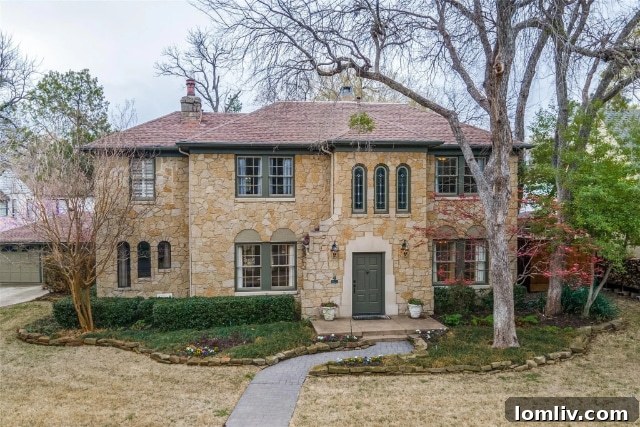
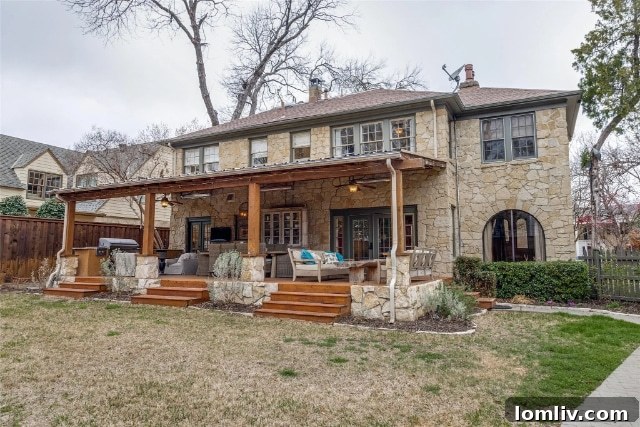
Nestled within the prestigious and historic landscape of Kessler Park, a stunning 1932 Spanish Eclectic residence has recently graced the market, presented by the esteemed David Griffin and Company. This architectural marvel, characterized by its elegant design and rich history, immediately captivates the eye. However, despite extensive research, the identity of its original architect remains an intriguing enigma, prompting a collective call to architectural enthusiasts and history buffs alike to help uncover its origins.
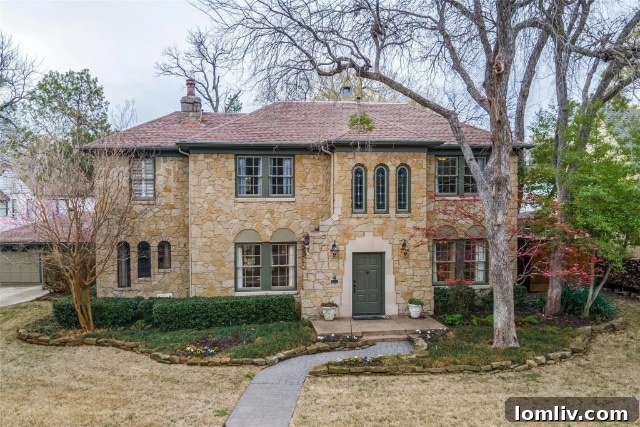
Upon first viewing this two-story, hipped-roof stone beauty, one might instinctively attribute it to the renowned Dallas architectural firm of Dines and Kraft. Their distinctive style left an indelible mark on many of the city’s cherished homes. Yet, a closer inspection reveals several design elements that diverge from their traditional oeuvre. Particularly striking are the unique stair-stepped arched windows adorning the facade and the exquisite triple-arched stained-glass windows positioned gracefully above the main entrance. These features hint at a different hand, a creative mind perhaps less bound by conventional styles.
Seeking guidance from local preservation experts, we consulted Donovan Westover, a respected authority on Dallas’s architectural heritage. Westover offered a compelling alternative, suggesting the home could be a design by the legendary partnership of Fooshee & Cheek. This proposition adds another layer to the mystery, pitting two of Dallas’s most influential architectural teams against each other in the quest for identification.
Fooshee & Cheek vs. Dines & Kraft: A Stylistic Comparison
The debate between Fooshee & Cheek and Dines & Kraft is central to identifying the architect of this Kessler Park masterpiece. “I think it resembles the Spanish Eclectic Fooshee & Cheek designed at 4200 Beverly Drive,” Westover noted, drawing a significant parallel to a known work. He continued, “Some things make it look like a Dines and Kraft, but it’s not a traditional design and they loved gabled roofs.” This observation is crucial. While Dines and Kraft were celebrated for their traditional designs and often favored gabled roofs, Fooshee & Cheek were known for their more adventurous and eclectic interpretations, particularly within the Spanish Eclectic style, incorporating unique architectural flourishes that pushed boundaries. The hipped roof of the Canterbury Court house, combined with its distinctive arched windows and stained glass, indeed aligns more closely with Fooshee & Cheek’s known penchant for innovative, non-traditional elements.
The Spanish Eclectic style itself, popular in the 1920s and 1930s, drew inspiration from a rich tapestry of Spanish Colonial, Mediterranean Revival, and Moorish architectural traditions. It’s characterized by stucco exteriors, terracotta tile roofs, decorative ironwork, and often, intricate window and door details. Architects like Fooshee & Cheek excelled at blending these influences, creating homes that felt both historically rooted and uniquely personalized. The property at 1112 S. Canterbury Court exemplifies this fusion, making the Fooshee & Cheek attribution a compelling argument.
Is There a Family Connection? Delving into the Home’s Early Owners
In our deep dive into the home’s past, we uncovered that the original owner of this magnificent Kessler Park Spanish Eclectic was a gentleman named Ollie Moore. An intriguing coincidence emerges when considering the Beverly Drive house, also a potential Fooshee & Cheek design, which was commissioned for Dr. Huge Leslie and Lydia Bowen Moore. Given the era—the Great Depression was underway, yet these homes represented significant investments—and the substantial cost associated with such bespoke residences, it stands to reason that the two Moore households might have been related. Such familial connections often led to architects being commissioned for multiple properties within the same family, potentially strengthening the case for a shared architectural hand.
The house continued to attract notable residents throughout its history. In the mid-1960s, it was home to Dr. Claude Uhler, a prominent psychiatrist who gained national recognition for his courageous stance on soldiers’ mental health. Dr. Uhler publicly suggested that the military was not adequately addressing the psychological well-being of its servicemen, a remarkably progressive viewpoint for his time. His advocacy highlights his character as a man significantly ahead of his era, and it’s fitting that such an individual resided in a home of equally dramatic and distinctive character. Other intriguing owners include Robert Joyce, proprietor of Peacock Cleaners on Lovers Lane, a local institution. His daughter, June Joyce, celebrated her marriage to Lt. Milton H. McNeely right within the walls of this historic residence, adding another layer of personal history to its narrative.
Kessler Park: A Canvas for Architectural Beauty
The location of this Spanish Eclectic gem further enhances its appeal. Kessler Park is celebrated as one of Dallas’s most picturesque and architecturally diverse neighborhoods, renowned for its winding streets, lush landscapes, and collection of beautifully preserved historic homes. David Griffin eloquently describes its charm: “Canterbury Court is one of the prettiest streets in Kessler Park. The street gently curves, and the house is so beautifully framed.” This harmonious blend of natural beauty and thoughtful urban planning makes Canterbury Court a coveted address, and this house, with its unique character, fits perfectly within its esteemed surroundings.
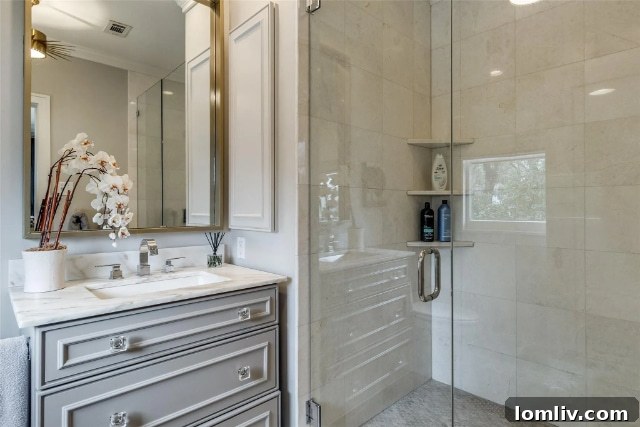
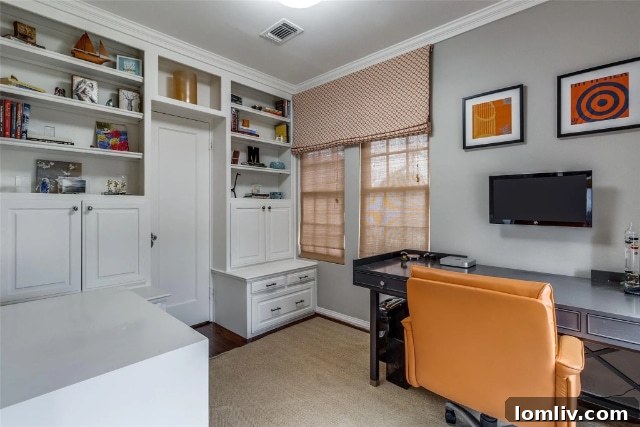
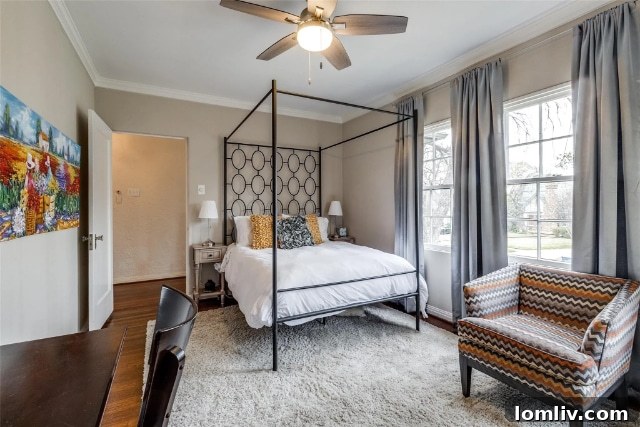
Exquisite Features and Meticulous Preservation
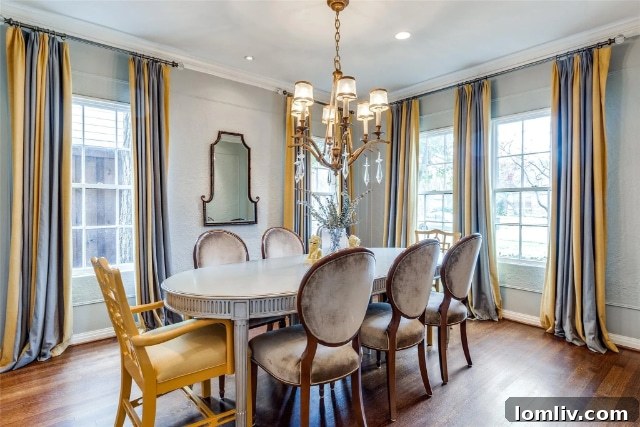
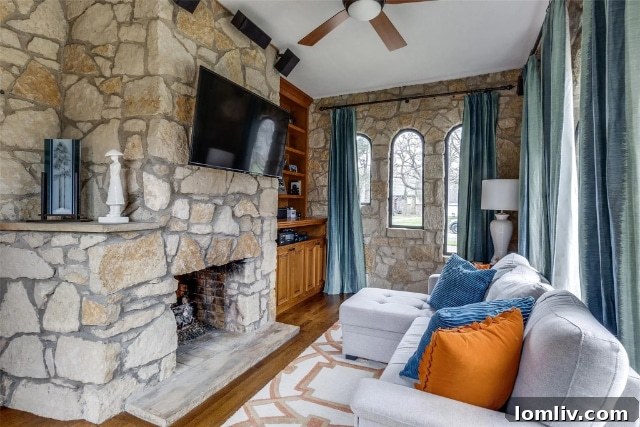
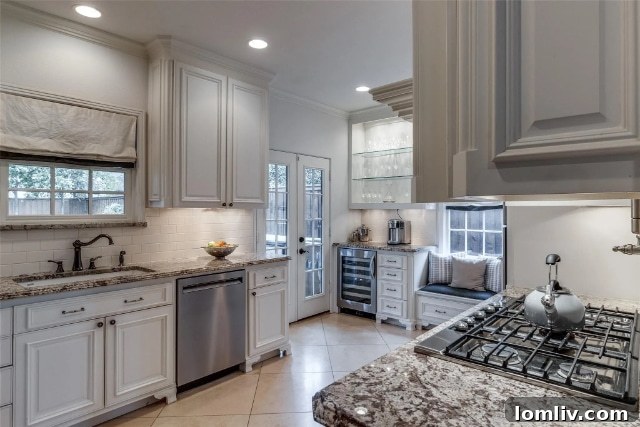
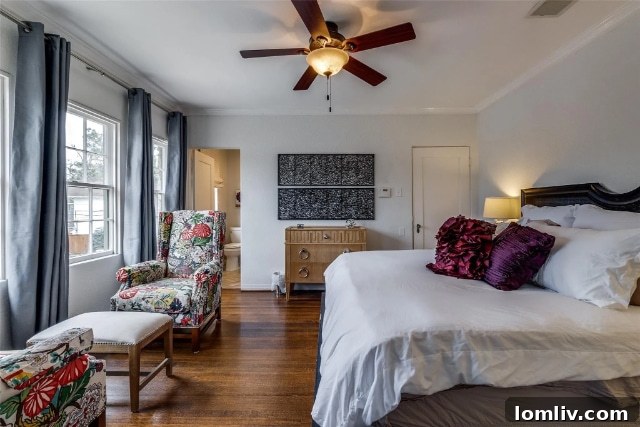
Beyond its intriguing history and potential architectural pedigree, the house itself is a testament to timeless design and thoughtful maintenance. This charming 2,522-square-foot stone home offers four bedrooms and two-and-a-half bathrooms, providing ample space for comfortable living. A remarkable feature is that every single room boasts exposures on at least two sides, flooding the interiors with natural light and creating an airy, inviting atmosphere throughout the day. This intelligent design maximizes light and cross-ventilation, a hallmark of well-conceived historic architecture.
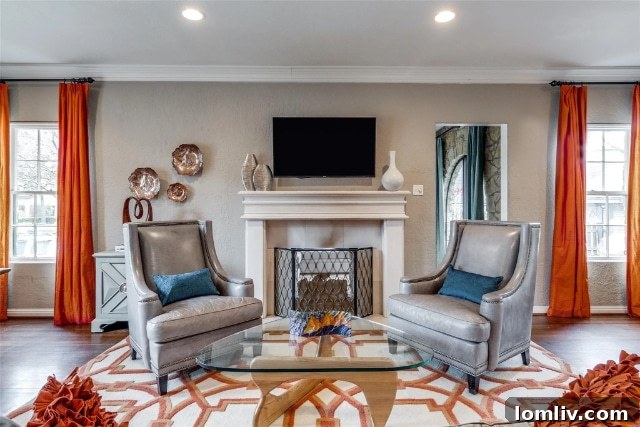
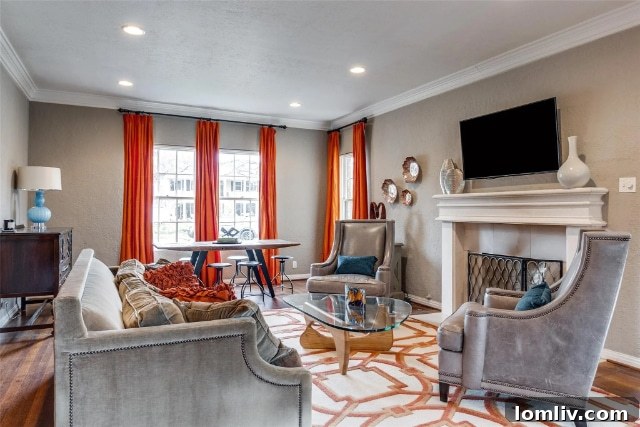
A significant investment in preserving its historical integrity was made in 2019 when all the incredible original windows were meticulously repaired by a master carpenter. This commitment ensures that the home’s period-appropriate aesthetic is maintained while offering modern functionality. The property has been beautifully maintained and has undergone extensive updates that blend harmoniously with its historic character, a crucial balance in preserving legacy homes. These updates likely include modernized systems and finishes that enhance comfort and convenience without detracting from the original charm, showcasing a deep respect for the house’s heritage.
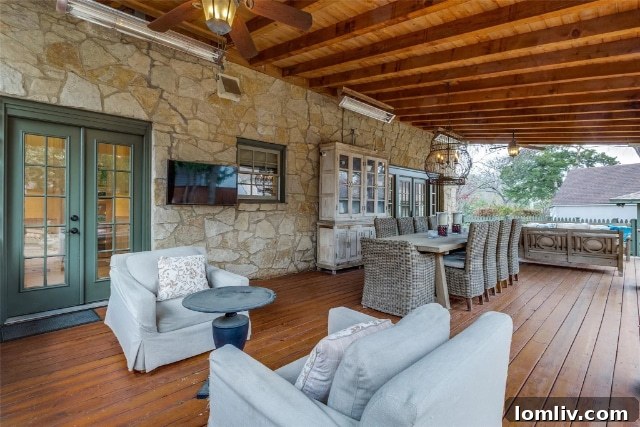
David Griffin underscores the home’s significance, stating, “This is the quintessential traditional Kessler Park home. It’s a textbook example of the best the neighborhood offers.” This endorsement speaks volumes about its quality, authenticity, and desirability within one of Dallas’s most sought-after historic districts. Owning a home like this isn’t just acquiring real estate; it’s becoming a steward of a piece of Dallas history, a residence that perfectly encapsulates the charm and architectural excellence of its era.
Join the Quest: Help Solve the Architectural Riddle
The allure of this 1932 Spanish Eclectic residence extends beyond its beauty and history; it lies in the lingering mystery of its creator. We invite architectural historians, local residents, and anyone with knowledge of Dallas’s historic homes to contribute to solving this fascinating puzzle. If you possess information that can definitively identify the architect or offer compelling evidence to confirm our hypothesis that this is indeed a Fooshee & Cheek design, please share your insights in the comments section. Your expertise could help unveil a significant piece of Dallas architectural history.
This exceptional property, located at 1112 S. Canterbury Court, is currently listed for $1.1 million by David Griffin and Company, offering a rare opportunity to own a piece of Kessler Park’s heritage. Prospective buyers and curious enthusiasts are encouraged to visit during the upcoming open house.
Open House: Sunday, March 19, 2-4 p.m.