The Unsung Heroes: Why America’s Teachers Are Undervalued and Underpaid
It’s a rare individual who has spent any meaningful time in a school environment and would assert that teachers are overcompensated. In fact, most people who truly understand the dynamic nature of children and the immense responsibility of shaping young minds would agree that educators are profoundly underpaid. This sentiment isn’t merely anecdotal; it’s a stark reality supported by extensive data and personal testimonies across the nation.
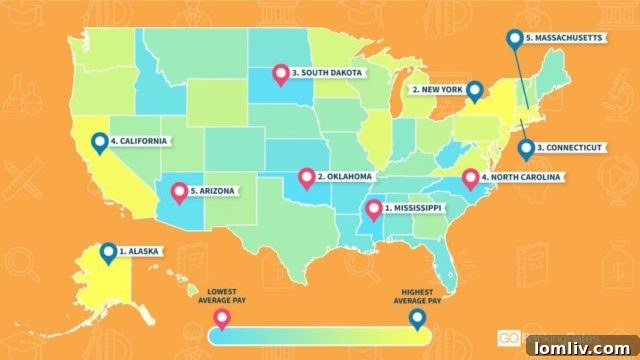
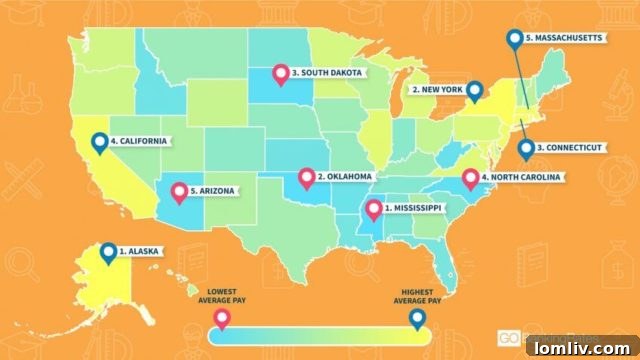
The issue of teacher compensation extends far beyond general public opinion. A recent and comprehensive study on teacher salaries by GOBankingRates vividly illustrates the significant disparities in average teacher pay across the United States. Unsurprisingly, many states grappling with some of the lowest average teacher salaries are precisely the ones currently making national headlines for teacher strikes and protests. These actions are not just calls for higher wages; they are desperate pleas for fair compensation that reflects the dedication, expertise, and critical role teachers play in our society.
National Overview: A Tale of Two Salary Extremes
The national landscape of teacher salaries presents a troubling picture of inequality. While some states offer competitive compensation, many others fall woefully short, creating significant challenges for educators and the communities they serve. States like Mississippi, Oklahoma, South Dakota, North Carolina, and Arizona consistently rank among those with the worst teacher pay. In these states, the average salary often struggles to keep pace with the cost of living and the educational requirements of the profession, leading to high teacher turnover and recruitment difficulties.
For instance, Mississippi, which frequently occupies the bottom spot for teacher pay, reports an average annual salary of approximately $42,990. This figure stands in stark contrast to states that prioritize education funding. On the other end of the spectrum, states like Alaska, New York, Connecticut, California, and Massachusetts lead the nation in teacher compensation, offering salaries that better reflect the demanding nature of the job. Alaska, for example, boasts an impressive average teacher salary of around $77,007, providing a stark benchmark for what adequate teacher pay could look like nationwide.
Teacher Salaries in Texas: Balancing Act in the Lone Star State
Texas, a state known for its booming economy and large population, finds itself somewhere in the lower-middle tier when it comes to teacher salaries. While not as dire as the bottom five states, the average teacher salary in Texas, recorded at approximately $55,093, still leaves many educators struggling to make ends meet, particularly in major metropolitan areas with a higher cost of living. This figure is a statewide average, and actual salaries can vary significantly based on district, experience, and specific roles.
Dallas ISD: Local Realities and Financial Hurdles
Delving deeper into local specifics, the average Dallas Independent School District (ISD) teacher salary is reported to be around $51,310, according to Glassdoor.com. Entry-level teachers in Dallas ISD typically start with a salary close to $50,000, as indicated by proposed salary schedules from recent school years. While stipends, incentives, and performance-based bonuses can potentially elevate these figures, allowing some educators to earn more, the base salary often dictates the core financial reality for most. Dallas ISD Superintendent Michael Hinojosa noted in a presentation that a fifth-year teacher in the district typically earns around $57,000 annually. However, even with these potential increases, the everyday expenses for a professional in a major city can quickly diminish the perceived value of these earnings.
Beyond the Bell: The True Workload of an Educator
To truly understand the financial predicament of teachers, one must first grasp the immense workload they undertake, often far exceeding standard perceptions. Let’s consider a fictional, yet highly representative, example: Ms. Jane Smith, a dedicated fifth-year teacher in Dallas ISD. If we were to naively assume that teachers work a mere 40 hours a week, it would elicit knowing laughter from any educator. The reality is vastly different.
Teachers in Dallas ISD are officially compensated for 187 days of work per year, as per the district calendar. However, this figure fails to capture the true scope of their labor. Teachers consistently work beyond contract hours, arriving early to prepare classrooms, staying late for grading and parent meetings, and dedicating countless hours on weekends and during “off-season” months to lesson planning, professional development, and acquiring necessary classroom resources. The idea of an eight-hour workday for a teacher is, for many, a whimsical fantasy, often stretching to 10-12 hours daily, if not more, during peak periods.
If we were to hypothetically apply Ms. Smith’s $57,000 salary to a highly unrealistic eight-hour, 187-day work year, her hourly wage would hover around $38. However, Ms. Smith, like countless other teachers, would quickly point out that her actual work week is significantly longer, making her effective hourly rate considerably lower. This extended workload, combined with the fact that her annual salary must sustain her through the entire calendar year – including summer months where paychecks may cease without an additional job – highlights a major financial vulnerability for educators.
The Staggering Financial Burden: Deconstructing a Teacher’s Budget
The challenges for teachers like Ms. Smith extend well beyond long hours; they deeply penetrate their personal finances. Let’s perform a more realistic “back-of-the-envelope” calculation, incorporating the often-overlooked costs and deductions that chip away at a teacher’s take-home pay.
First, from her $57,000 annual salary, Ms. Smith contributes significantly to the Texas Retirement System. Based on contributions, this could easily deduct around $3,000 or more annually, an essential but immediate reduction to her gross income. After other mandatory deductions like federal and state taxes and health insurance premiums, Ms. Smith might typically take home around $1,000 per week during the school year. However, with no pay during the summer months unless she secures a seasonal job, she must meticulously save throughout the academic year. Many teachers, like Ms. Smith, set aside a substantial portion of their weekly pay, perhaps $500, to cover summer expenses. This leaves her with approximately $500 per week for immediate needs during the school year.
Now, let’s look at her monthly expenses in Dallas:
- Housing: The average rent for a two-bedroom apartment in Dallas is around $1,124 per month. Even for a modest one-bedroom, rent can easily exceed $900.
- Student Loans: Given the educational requirements for teaching, many educators carry substantial student loan debt. Ms. Smith, for example, might pay approximately $500 a month towards her student loans. It’s also critical to note that in Texas, failure to stay current on student loan payments can result in the suspension of professional licenses, including teaching certificates, creating an immense pressure to pay on time.
- Transportation: A car is often a necessity for teachers, especially in sprawling cities like Dallas. A modest car payment might be $300, plus another $100 for insurance, and approximately $100 for fuel monthly.
- Utilities: Electricity, water, and internet can easily amount to $200 per month.
- Groceries: Even with careful budgeting, groceries for one person can easily reach $250 a month.
Adding these essential monthly expenses: $1,124 (rent) + $500 (student loans) + $300 (car payment) + $100 (car insurance) + $100 (gas) + $200 (utilities) + $250 (groceries) totals $2,574. If Ms. Smith takes home $2,000 per month after saving for summer ($500/week * 4 weeks), she is already facing a deficit of $574 per month. This negative balance means she lacks funds for crucial needs like additional classroom supplies, professional clothing, personal hygiene products, unexpected emergencies, and, perhaps most importantly, any form of recreation or personal enrichment. Her dedicated savings for the summer are constantly at risk of being raided to cover immediate shortfalls during the school year.
The Hidden Costs: Investing in Students
Beyond personal expenses, teachers frequently dip into their own pockets to support their classrooms and students. Ms. Smith, like the vast majority of educators, likely spends around $1,000 or more each year on classroom supplies that district budgets don’t cover. This includes everything from basic stationery and art supplies to books and educational games. More profoundly, many teachers go above and beyond, providing for their students’ basic needs. Ms. Smith might, for example, frequently take home dirty clothes of students who lack access to laundry facilities, washing them so these children can attend school feeling clean and confident, free from the added burden of worrying about their appearance. Such acts of profound generosity, while commendable, represent an additional financial and emotional burden placed on already strained professionals.
The Second Job Phenomenon: A Sad Reality for Educators
It is no wonder then that Ms. Smith, like an alarming number of her colleagues, often holds two jobs just to afford basic necessities like toilet paper, let alone a comfortable living. The reality is that most teachers have side hustles, and for many, these side hustles even have their own supplementary gigs. This widespread need for additional income speaks volumes about the inadequacy of their primary salary. It forces dedicated professionals to divide their time and energy, potentially detracting from their focus on lesson planning, professional development, and crucial rest – all of which directly impact the quality of education they provide.
Can you name another profession that mandates a college degree, often a master’s, yet frequently requires its practitioners to take on a second job simply to make ends meet? This paradox highlights a fundamental flaw in how society values and compensates its educators. The necessity of a “side hustle” for a teacher is not a sign of entrepreneurial spirit; it is a symptom of systemic underpayment and a glaring indication that the foundational pillars of our education system are being compromised.
The Broader Implications: Why Fair Teacher Pay Matters for Everyone
The underpayment of teachers has far-reaching consequences that extend beyond the financial struggles of individual educators. It directly impacts the quality of education our children receive, the future of our workforce, and the overall health of our communities. Low salaries contribute to a severe teacher shortage, as talented individuals are dissuaded from entering a profession that demands so much while offering so little in return. Experienced teachers, burnt out and financially strained, often leave the profession prematurely, leading to a loss of invaluable institutional knowledge and mentorship.
When teachers are constantly worried about their own financial stability, it inevitably affects their ability to fully invest in their students and classrooms. It diverts their energy and focus from pedagogical innovation to simply making ends meet. Investing in fair teacher compensation is not merely an act of kindness; it is an essential investment in our collective future. It ensures that the best and brightest are attracted to and retained in the teaching profession, leading to improved student outcomes, a more robust economy, and a more informed citizenry.
Conclusion: A Call for Valuation and Action
The evidence is clear: America’s teachers are undervalued and underpaid. The immense dedication, specialized skills, and tireless effort they pour into shaping the next generation are simply not reflected in their compensation. Through national disparities, local struggles in districts like Dallas ISD, and the poignant realities exemplified by individuals like Ms. Jane Smith, the message resonates loudly: our educators are struggling. The pervasive need for side hustles underscores a systemic issue that demands urgent attention and meaningful solutions. It’s time for society to truly recognize the profound value of teaching and to ensure that those who dedicate their lives to education can do so with dignity, financial stability, and the support they deserve. Our future depends on it.
Bethany Erickson is an education, consumer affairs, and public policy columnist for Daltxrealestate.com. Contact her at [email protected].