Embarking on a journey into the world of commercial real estate, especially within a dynamic hub like the Dallas-Fort Worth (DFW) metropolitan area, requires a strategic and informed approach. DFW stands out as a colossal and ever-evolving market, presenting a unique blend of opportunities and considerations for both seasoned investors and newcomers. While it shares many characteristics with other major metropolitan areas, DFW boasts distinctive advantages and nuances that can significantly impact investment success. To navigate this vibrant landscape effectively, understanding the key factors contributing to its growth and stability is paramount. This comprehensive guide will delve into essential insights every investor should know before making their mark in one of the nation’s most coveted commercial real estate markets.
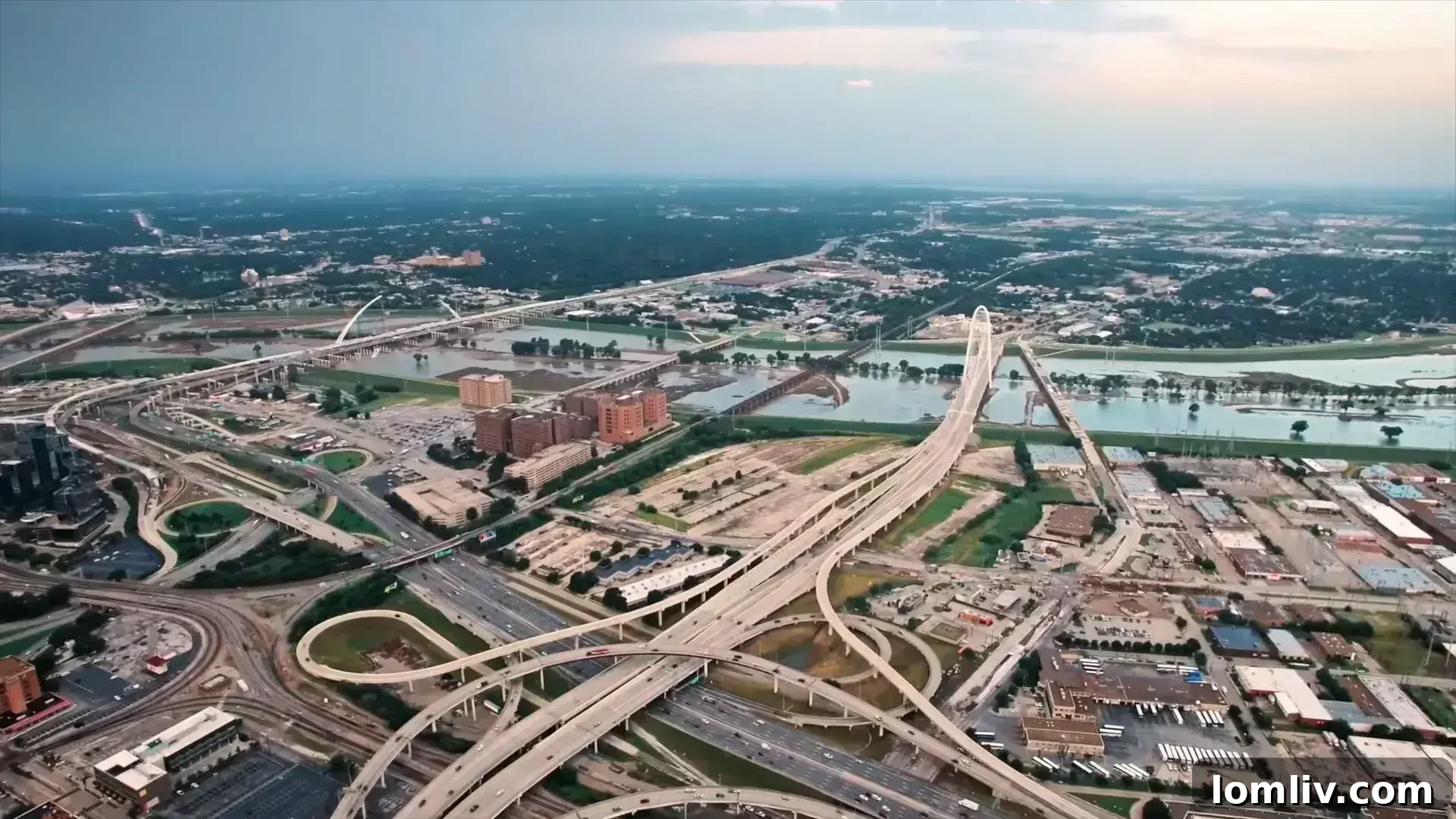
1. Market Research is Vital for DFW Commercial Real Estate
In the high-stakes game of commercial real estate investment, thorough market research isn’t just a suggestion; it’s the bedrock of sound decision-making. For a market as extensive and competitive as Dallas-Fort Worth, an in-depth understanding of its underlying economic currents is absolutely crucial. Investors must meticulously analyze various economic indicators to identify lucrative opportunities and mitigate potential risks.
Understanding Key Economic Indicators in DFW
- Job Growth: DFW consistently ranks among the top regions for job creation in the U.S. This isn’t accidental; a diverse economy fueled by tech, finance, logistics, healthcare, and corporate relocations ensures a steady stream of new employment opportunities. Robust job growth directly translates to increased demand for office spaces, retail establishments catering to a growing workforce, and multi-family housing for new residents. Researching specific industry growth patterns can pinpoint sectors ripe for commercial development or acquisition.
- Population Trends: The Dallas-Fort Worth metroplex is experiencing explosive population growth, drawing in thousands of new residents annually. This demographic influx drives demand across all commercial real estate sectors, from an urgent need for multi-family units and single-family rentals to increased retail spending and a greater demand for services. Understanding where this population is settling within DFW can inform strategic investment in specific submarkets.
- Major Industries and Corporate Relocations: DFW is a magnet for Fortune 500 companies and major corporations seeking a pro-business environment, skilled labor force, and central geographic location. Companies like Toyota, Charles Schwab, and McKesson have significantly expanded their footprints here. The presence and expansion of these industrial giants not only create jobs but also spur demand for industrial spaces (warehouses, distribution centers), office parks, and even specialized facilities, creating a ripple effect across the entire commercial real estate ecosystem.
- Infrastructure Development: Ongoing investments in DFW’s infrastructure, including road expansions, public transit projects (DART), and airport upgrades (DFW and Dallas Love Field), significantly enhance accessibility and connectivity. Improved infrastructure can open up new development corridors, increase property values in previously underserved areas, and make logistics more efficient for industrial tenants.
Identifying Opportunities and Mitigating Risk
Market research goes beyond just identifying growth; it’s also about understanding the delicate balance of supply and demand. Is a particular submarket becoming oversupplied with office space, or is there an unmet demand for experiential retail? Analyzing vacancy rates, absorption rates, and rental growth trends provides critical insights into market health. Investors should also assess the competitive landscape to identify unique niches or undervalued assets that might be overlooked by larger players.
Consider the recent example of rapper 50 Cent’s investment team in Shreveport, Louisiana, a city neighboring Dallas. Their thorough market analysis enabled them to identify struggling commercial properties in the downtown area that presented significant value opportunities. Economic indicators suggested an optimal buying window. This illustrates the principle: effective market research allows investors to discern the true potential of properties, whether they are distressed assets or emerging opportunities, by aligning acquisitions with prevailing economic conditions. For DFW, this might mean identifying up-and-coming neighborhoods or sectors poised for exponential growth, rather than just focusing on established, high-priced areas.
Ultimately, comprehensive market research serves as your compass, guiding you toward lucrative possibilities in DFW commercial real estate. It empowers you to make data-driven decisions that align with the market’s trajectory and your investment goals.
2. Do Your Due Diligence in DFW Commercial Real Estate
Once market research has guided you to potential investment opportunities in the DFW area, the next critical step is to perform comprehensive due diligence. This rigorous process ensures that you fully understand the physical, financial, and legal aspects of a property before committing to a purchase. Never take a property’s asking price or initial presentation at face value; treat every potential acquisition with the scrutiny it deserves as a significant investment.
Thorough Property Inspections and Assessments
Due diligence begins with an exhaustive physical inspection of the property. This goes far beyond a superficial walkthrough. Engage qualified professionals, including structural engineers, HVAC specialists, electricians, and plumbers, to assess the condition of all building systems. Key aspects to investigate include:
- Structural Integrity: Foundations, roofing, walls, and load-bearing elements.
- Mechanical Systems: HVAC, plumbing, electrical, and fire suppression systems. Understand their age, maintenance history, and expected remaining lifespan.
- Environmental Assessments: Phase I and potentially Phase II environmental site assessments are crucial to identify any potential environmental contamination (e.g., asbestos, lead paint, soil contamination from previous industrial use) that could lead to significant remediation costs or legal liabilities.
- ADA Compliance: Ensure the property adheres to all Americans with Disabilities Act requirements, or budget for necessary modifications.
Knowing any and all potential issues with the property before contracts are signed allows you to negotiate repairs, adjust the purchase price, or even walk away from a deal if the risks are too high.
Zoning, Regulations, and Legal Considerations
Understanding the regulatory landscape is equally vital in DFW. Property zoning dictates what types of businesses or activities can operate on a given parcel of land. You must verify that the property’s current or intended use aligns with local zoning ordinances. Additionally, investigate:
- Building Codes: Ensure the property meets current local building codes, especially if you plan renovations or new construction.
- Permitting History: Review past permits for construction or major repairs to ensure all work was done legally and to code.
- Legal Review: Engage a reputable commercial real estate attorney in DFW to conduct a thorough review of all legal documents. This includes title searches to identify any liens, easements, or encumbrances that could affect your ownership or use of the property. Review existing leases to understand tenant obligations, lease terms, renewal options, and potential liabilities.
- Property Taxes: Understand the current and projected property tax burden, which can significantly impact your operating expenses.
Financial Analysis and Projections
Beyond physical and legal aspects, a robust financial analysis is paramount. This involves projecting the property’s potential income and expenses to determine its profitability. Utilize advanced tools like a top-rated lease management software program to perform detailed analyses of:
- Projected Cash Flows: Forecast the net income the property is expected to generate over time, factoring in rental income, operating expenses (utilities, maintenance, insurance, property management fees), and debt service.
- Cap Rates (Capitalization Rates): A key metric in commercial real estate, the cap rate helps evaluate the potential return on an investment property. It’s calculated by dividing the net operating income (NOI) by the property’s current market value. Understanding prevailing cap rates in DFW submarkets allows for accurate property valuation.
- ROI (Return on Investment): Calculate the overall profitability of the investment over its anticipated holding period, considering both income generation and potential appreciation.
- Sensitivity Analysis: Stress-test your financial models against various scenarios (e.g., higher vacancy rates, increased operating costs, changes in interest rates) to understand the property’s resilience.
By diligently performing these steps, you gain a clear picture of the property’s true value, potential challenges, and overall investment viability, empowering you to make a confident and informed decision in the competitive DFW market.
3. Are You Looking for a Specific Type of Commercial Property in DFW?
The Dallas-Fort Worth commercial real estate market is incredibly diverse, offering a wide spectrum of property types to suit various investment strategies and business needs. Before diving in, it’s crucial to define what specific sector aligns best with your goals, as each offers unique opportunities and challenges. It’s no secret that many of these sectors are absolutely thriving in the DFW area, driven by continuous population and economic growth.
Office Space: Adapting to New Work Realities
DFW boasts a vast inventory of office spaces, from sleek high-rises in the Central Business District to sprawling suburban office parks. The market is currently adapting to evolving work patterns, with a growing demand for flexible layouts, collaborative zones, and amenity-rich environments. Investors should consider:
- Submarket Dynamics: Areas like Uptown, Legacy West (Plano), and Las Colinas offer distinct advantages. Uptown is known for its vibrant urban feel, attracting professional services and tech firms. Legacy West is a corporate hub with mixed-use developments, popular with major corporations. Las Colinas offers a more suburban corporate campus environment.
- Flight to Quality: Many tenants are upgrading to newer, more efficient buildings with better amenities and health-focused features.
- Flexible Workspaces: The rise of co-working and hybrid models is creating demand for flexible lease terms and adaptable office configurations.
Retail Malls and Spaces: The Evolution of Consumer Experiences
Despite the growth of e-commerce, DFW’s robust consumer base continues to drive a vibrant retail sector. The focus has shifted, however, from traditional enclosed malls to experiential retail, mixed-use developments, and convenient local shopping centers. Investment opportunities include:
- Experiential Retail: Properties that offer entertainment, dining, and unique experiences alongside shopping.
- Neighborhood Centers: Essential services, grocery-anchored centers, and medical retail continue to perform strongly.
- Mixed-Use Developments: Integrating retail with residential, office, and hospitality elements creates dynamic, walkable communities.
Industrial: The Logistics Powerhouse of Texas
DFW’s strategic central location, extensive transportation network (major highways, two international airports, rail lines), and access to a large labor pool make it a prime hub for industrial real estate. This sector has seen explosive growth, fueled by e-commerce expansion and supply chain optimization:
- Warehouses and Distribution Centers: High demand for large-scale logistics facilities, cross-dock, and build-to-suit options.
- Last-Mile Facilities: Smaller infill warehouses closer to population centers for rapid delivery.
- Manufacturing and Flex Space: Demand for advanced manufacturing facilities and flexible spaces that combine office and light industrial uses.
Multi-Family Residential: Catering to a Growing Population
With DFW’s relentless population growth, the multi-family sector remains a cornerstone of the commercial real estate market. A continuous influx of residents, coupled with evolving lifestyle preferences, ensures strong demand across various asset classes:
- Class A Luxury Apartments: High-end amenities in prime urban and suburban locations.
- Workforce Housing: Growing demand for affordable and moderately priced rental units.
- Student Housing: Proximity to major universities like UT Dallas, SMU, and UNT fuels this specialized niche.
- Build-to-Rent Communities: Single-family homes in master-planned communities offered exclusively for rent.
Emerging Sectors and Specialized Properties
Beyond these traditional categories, DFW is also seeing growth in specialized commercial properties:
- Life Sciences: Driven by major medical centers and universities, demand for biotech labs and research facilities is rising.
- Data Centers: Abundant power, fiber optic connectivity, and lower natural disaster risk make DFW an attractive location.
- Hospitality: As a major convention and tourism destination, hotels and short-term rentals remain a viable investment.
By clearly defining your preferred property type and understanding the specific dynamics of its DFW submarkets, you can better target your investment search and capitalize on the region’s diverse economic strengths.
4. Make Good Use of Technology in DFW Commercial Real Estate
In today’s rapidly evolving commercial real estate landscape, leveraging technology is no longer an option but a necessity. From property management to attracting tenants, innovative solutions are revolutionizing how investors acquire, operate, and optimize their assets in markets like DFW. Embracing smart tech and sustainable practices can significantly enhance property value, tenant appeal, and operational efficiency.
The Rise of Smart Buildings and IoT
The concept of “smart buildings” is transforming commercial spaces, offering unparalleled efficiency, comfort, and security. These advanced properties integrate Internet of Things (IoT) devices and sophisticated systems to automate and optimize various functions. For investors in DFW, considering properties that can capitalize on or be upgraded with smart tech is a significant advantage:
- Automated Climate Control: Smart HVAC systems learn tenant preferences and adjust temperatures automatically, reducing energy consumption and utility costs.
- Smart Lighting: Occupancy sensors and daylight harvesting systems ensure lights are only on when needed, further conserving energy.
- Advanced Security Systems: Integrated access control, surveillance cameras, and smart locks enhance safety for tenants and assets.
- Predictive Maintenance: Sensors in building systems can detect potential failures before they occur, allowing for proactive maintenance and reducing costly downtime.
Tenants are increasingly seeking these technologically advanced commercial spaces due to the improved comfort, convenience, and lower operating expenses they offer. Investing in or upgrading to smart building features can significantly differentiate your property in the competitive DFW market, attracting higher-quality tenants and potentially commanding higher rental rates.
Streamlining Operations with Lease Management Software
Effective property management, especially for a portfolio of commercial assets, relies heavily on robust technological tools. Lease management software programs have become indispensable for streamlining operations and maximizing profitability. These platforms offer a suite of functionalities designed to enhance efficiency:
- Lease Tracking and Administration: Centralized database for all lease documents, terms, clauses, and expiration dates, ensuring compliance and preventing oversights.
- Automated Reminders: Alerts for critical dates like rent escalations, lease renewals, and maintenance schedules.
- Financial Reporting: Generate detailed reports on income, expenses, vacancy rates, and profitability, aiding in financial analysis and strategic planning.
- Tenant Communication Portals: Facilitate seamless communication, service requests, and document sharing with tenants.
- Document Management: Securely store and organize all property-related documents, from contracts to inspection reports.
By automating routine tasks and providing real-time data, lease management software frees up property managers to focus on strategic initiatives and tenant satisfaction, ultimately leading to improved operational efficiency and a healthier bottom line for investors.
Embracing Sustainability and Green Initiatives
Beyond “smart,” the concept of “green” building and sustainability is gaining immense traction in DFW commercial real estate. Environmentally conscious tenants and investors are increasingly prioritizing properties that demonstrate a commitment to ESG (Environmental, Social, and Governance) principles. Could your property benefit from a “green” approach?
- Energy Efficiency: Implementing features like energy-efficient windows, LED lighting, high-efficiency HVAC systems, and smart thermostats can drastically reduce utility costs.
- Renewable Energy Sources: Exploring solar panels, geothermal systems, or other alternative energy solutions can not only lower operating expenses but also enhance a property’s appeal and marketability.
- Water Conservation: Rainwater harvesting systems, low-flow fixtures, and drought-tolerant landscaping contribute to responsible resource management.
- Green Certifications: Pursuing certifications like LEED (Leadership in Energy and Environmental Design) or Energy Star can publicly demonstrate a property’s sustainability credentials, attracting environmentally conscious tenants and potentially increasing property value.
Investing in green upgrades provides long-term benefits, including reduced operating costs, increased tenant satisfaction, enhanced corporate social responsibility, and a competitive edge in the market. Furthermore, local, state, or federal programs may offer tax incentives or grants for properties that adopt sustainable practices.
Revitalization and Adaptive Reuse: Bringing the Past into the Future
An often-overlooked yet highly profitable strategy in DFW involves the revitalization or adaptive reuse of older properties. Taking an antiquated building and transforming it into a modern, functional, and aesthetically pleasing commercial space can be incredibly rewarding. These types of commercial investments often fall under the category of “revitalization” and can involve:
- Modern Upgrades: Installing new, energy-efficient appliances, contemporary fixtures, and advanced technological infrastructure.
- Architectural Preservation: Maintaining the historic character of a building while integrating modern design elements and functionality.
- Repurposing: Converting an old warehouse into loft office spaces, a historic building into a boutique hotel, or an outdated retail center into a vibrant mixed-use development.
Such projects not only breathe new life into communities but can also come with significant financial incentives, including local, state, or federal tax credits and grants designed to encourage urban renewal and historic preservation. By strategically leveraging technology and a forward-thinking approach to design and sustainability, investors can unlock substantial value in DFW’s existing property stock.
On Your Mark, Get Set, Buy!
The Dallas-Fort Worth commercial real estate market remains a beacon of opportunity for astute investors. Its robust economy, relentless population growth, diverse industry base, and commitment to innovation create a fertile ground for success across all property sectors. Navigating this dynamic landscape requires a combination of diligent market research, rigorous due diligence, strategic property type selection, and a keen eye for leveraging modern technology and sustainable practices.
The DFW metroplex is alive with potential, and investors are taking real notice, flocking to capitalize on its unique advantages. It’s no longer just about finding a property; it’s about identifying that beautiful needle in our commercial real estate haystack with a well-informed, tech-savvy, and future-proof approach. By understanding the intricate details and applying a thoughtful strategy, you are well-positioned to unlock significant value and achieve your investment goals in one of the nation’s most exciting commercial real estate markets.