In today’s competitive real estate market, where first impressions are formed in mere seconds online, the visual appeal of a property is paramount. It’s no longer just an advantage; it’s an absolute necessity to showcase a home in its absolute best light. From a broker’s perspective, the decision to invest in professional real estate photography is a straightforward one, almost instinctive. It’s a fundamental truth that professional photographers are indispensable for effectively marketing a home for sale, diligently working to capture its unique charm and potential through their lens.
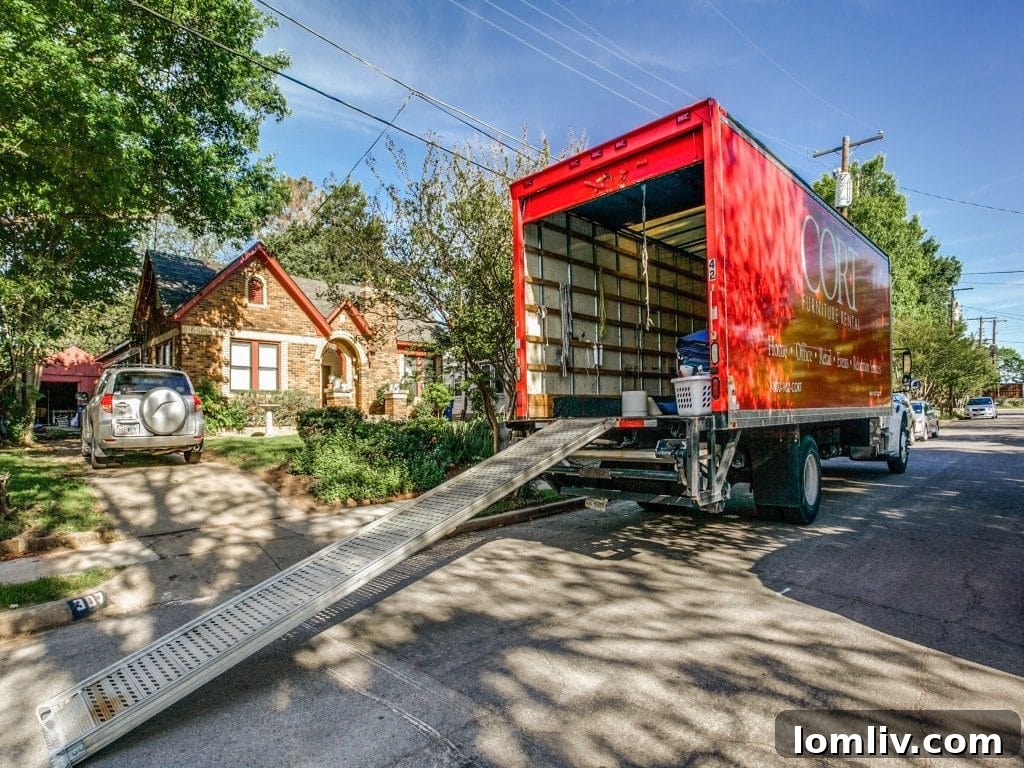
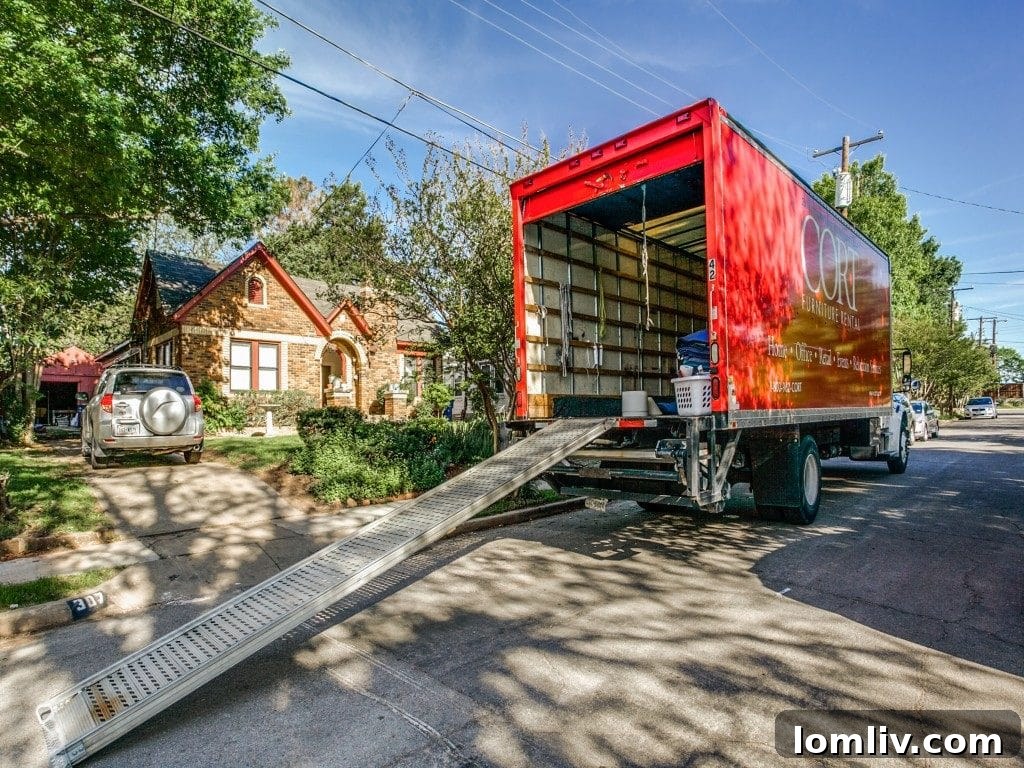
The debate around what constitutes ethical and effective real estate photography is also clearer than ever. While some might be tempted to digitally alter major structural elements or remove unsightly public utilities, the consensus among industry experts, as highlighted in an insightful article in theLA Times, firmly advises against such heavy-handed photoshopping of power lines or utility boxes. Instead, the focus should be on expert manipulation of light, careful composition, and thoughtful staging. A skilled professional photographer will meticulously adjust lighting to perfectly illuminate interiors, ensure furniture like chairs are perfectly aligned and spaced, and even make sure pillows are fluffed to perfection. These subtle, yet impactful, enhancements elevate the property’s presentation without misrepresenting it. And the evidence is overwhelming: homes presented with professional photographs consistently sell faster and for significantly more money.
The contrast between amateur and professional photography in real estate cannot be overstated. Sellers often underestimate the power of high-quality visuals, sometimes believing their smartphone is sufficient. However, this common misconception can have tangible financial repercussions, as highlighted by luxury real estate professionals.
“I’ve had clients tell me, ‘I’ve got an iPhone 6,’ and I have to stop myself from cringing,” said luxury real estate broker Kofi Nartey of the Agency. This sentiment resonates deeply within the industry, as amateur photos often fail to capture the true essence, spaciousness, and overall appeal of a property.
A comprehensive 2013 Redfin study provided concrete data to support this professional consensus. It found that professionally photographed homes sell faster and for more money than homes listed with point-and-shoot photos. The report’s findings were particularly compelling for properties in mid-to-high price ranges: homes priced between $400,000 and $499,999, which featured professional pictures, sold for an average of $11,200 more than comparable homes showcased with amateur photos. This substantial difference underscores that professional photography is not an expense, but a strategic investment that yields significant returns for sellers.
The objective of a great real estate photograph extends far beyond merely documenting a space. It’s about crafting an immersive experience, inspiring desire, and fostering a deep connection between prospective buyers and the property before they even step foot inside. As renowned real estate photographer Erik Grammer eloquently puts it:
“A good photograph makes someone interested in seeing the property. A great photograph makes them feel like they’ve been there.” This powerful statement encapsulates the goal of elite real estate photography: to transcend the two-dimensional image and create a profound sense of presence and belonging for the viewer, effectively translating into increased showings and stronger offers.
Achieving such impactful results requires meticulous planning and a deep understanding of visual storytelling. Professional photographers approach each shoot with a strategic mindset, beginning their preparation long before they even arrive at the property. Their comprehensive process is a testament to the dedication required to capture a home’s true potential.
One of the initial steps involves extensive pre-shoot research. This often includes studying the house’s orientation using tools like Google Earth. By understanding how the property is positioned relative to the sun, photographers can accurately predict the best possible lighting conditions throughout the day. This foresight allows them to schedule the shoot for optimal times, ensuring each room, and particularly the exterior, benefits from natural light that enhances its features rather than casting harsh shadows. The angle and intensity of the sun are critical factors that heavily influence the overall mood and aesthetic of the final images.
Beyond natural light, the photographer will also engage with the real estate agent or seller to determine the most important “profile” for the home. Is the stunning façade and landscaping its primary selling point? Or is it a spectacular backyard oasis with a pool and expansive views? Understanding whether the front or back of the property holds more significance in its appeal guides the photographer in allocating time and effort, ensuring those key areas are captured with extraordinary care and precision. They will scout the location for the best vantage points, considering elements like curb appeal for the front exterior and the functionality and beauty of outdoor living spaces for the rear.
During the actual shoot, professionals employ a suite of specialized equipment far beyond what a smartphone can offer. This includes high-resolution cameras, a variety of lenses (wide-angle for interiors, telephoto for details), tripods for sharp, level shots, and advanced lighting setups. They meticulously adjust artificial lighting to complement natural light, eliminating dark corners and enhancing architectural details. Every shot is carefully composed, considering leading lines, the rule of thirds, and balanced symmetry to create aesthetically pleasing and impactful images.
Staging plays an equally crucial role. While photographers are not typically professional stagers, they often provide invaluable advice on preparing the home. This might involve decluttering surfaces, arranging furniture to create inviting pathways, or adding small decorative touches that enhance the overall ambiance. They look at a room not just as a space, but as a potential photograph, ensuring every element contributes positively to the visual narrative. This includes making sure all lights are on, blinds are open to maximize natural light, and personal items are discreetly stored away to allow prospective buyers to envision themselves living in the space.
After the shoot, the work is far from over. Post-production is where the magic truly happens. This involves a range of ethical enhancements: color correction to ensure accuracy, exposure blending to manage dynamic ranges between bright windows and darker interiors, lens distortion correction to maintain realistic perspectives, and sharpening to bring out fine details. Minor imperfections, such as dust spots or small smudges, might be subtly retouched, but the core integrity of the property is always maintained. This meticulous attention to detail in post-processing ensures the final images are polished, professional, and consistent, presenting the property in its absolute best and most appealing light.
In conclusion, the era of relying on amateur snapshots for real estate listings is unequivocally over. In a market driven by visual content and online engagement, professional real estate photography has evolved from a luxury to an indispensable marketing tool. It is an investment that pays dividends, attracting more interested buyers, facilitating quicker sales, and ultimately securing higher selling prices. By understanding and valuing the meticulous preparation, specialized skills, and advanced techniques employed by professional photographers, sellers and agents can significantly elevate a property’s appeal and achieve superior results in their real estate endeavors.