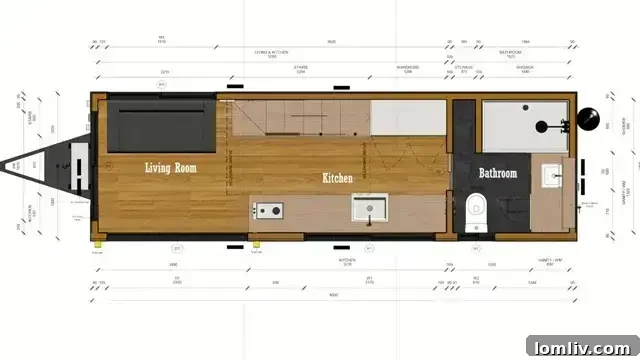
In a world where urban living is becoming increasingly popular, the concept of spacious homes often remains a distant dream for many. Across the globe, including vibrant nations like Australia, average house sizes are consistently shrinking. Reports indicate that the typical Australian home measures between 232 and 252 square meters, a footprint that necessitates smart solutions for comfortable living, especially for those residing in bustling metropolitan areas.
However, dwelling in a compact space doesn’t mean you have to sacrifice comfort, functionality, or personal style. On the contrary, with thoughtful design strategies, intelligent furniture selections, and a few savvy approaches to maximize every square inch, even the most modest living areas can be transformed into inviting, spacious, and highly efficient sanctuaries. This guide delves into practical and aesthetically pleasing ways to optimize your small home, proving that less space can indeed mean more possibilities.
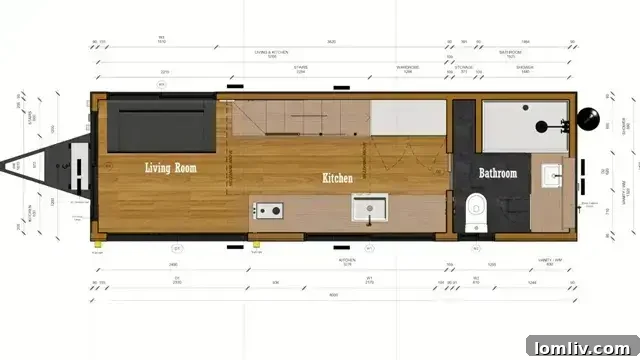
Embark on a journey to redefine your living experience, ensuring every corner of your home serves a purpose and contributes to an environment that feels both expansive and uniquely yours.
1. Embrace the Power of Decluttering for Maximum Space

Whether you’ve recently downsized into a smaller dwelling or have accumulated possessions over years in your current property, it’s highly probable that you have more items than your space can comfortably accommodate. This accumulation can quickly make any room feel cramped, disorganized, and visually overwhelming. Therefore, the single most impactful step you can take towards making your small home feel larger and more serene is to embark on a thorough decluttering mission.
The immediate impact of removing excess items you no longer want, use, or need is truly remarkable. A small area can instantly feel significantly more spacious and airy once freed from clutter. To approach this task effectively, consider tackling it either room-by-room, focusing on one specific area at a time, or by category, such as clothing, books, kitchenware, or decorative items. This systematic approach prevents overwhelm and ensures a comprehensive clear-out.
When making decisions about what to keep and what to let go of, consider the “one-year rule” – if you haven’t used an item in the past year, it’s likely a candidate for removal. For items you decide to part with, organize them into distinct piles: those suitable for donating to charity, selling online through platforms like Facebook Marketplace or local consignment shops, recycling, or finally, discarding responsibly. This mindful disposal not only helps others benefit from your surplus items but also contributes to reducing your environmental footprint, aligning with sustainable living practices.
2. Optimize Climate Control: Ditch Bulky Appliances for Integrated Solutions

Australia, known for its generally warm climate, experiences diverse weather patterns across its vast landscape. While most regions enjoy sunshine for a significant portion of the year, southern states like New South Wales and Victoria, along with the national capital of Canberra, face notably cold winters. This climatic variation often leads homeowners to rely on portable fans for cooling and standalone heaters for warmth, essential for regulating indoor temperatures throughout the year.
However, these individual appliances, while functional, present a significant challenge in small living spaces. They are often bulky, consume valuable floor real estate, and can create visual clutter. A much more efficient and space-saving solution is to invest in a reverse-cycle air conditioning system. These modern units offer both heating and cooling capabilities within a single, streamlined system, typically installed high on a wall or integrated into the ceiling, thus freeing up precious floor space.
Beyond their space-saving design, modern reverse-cycle air conditioners are also considerably more energy-efficient than separate fans and heaters. This means lower electricity bills and a reduced carbon footprint, making them a smart long-term investment for any small home. If you already have such a system, ensuring it’s running optimally is key. Regular maintenance is crucial for efficiency and longevity. For those seeking guidance on upkeep or repairs, a comprehensive resource like this guide to all your AC repair questions can be invaluable.
3. Master the Illusion: Harnessing Mirrors and Skylights for Expansiveness
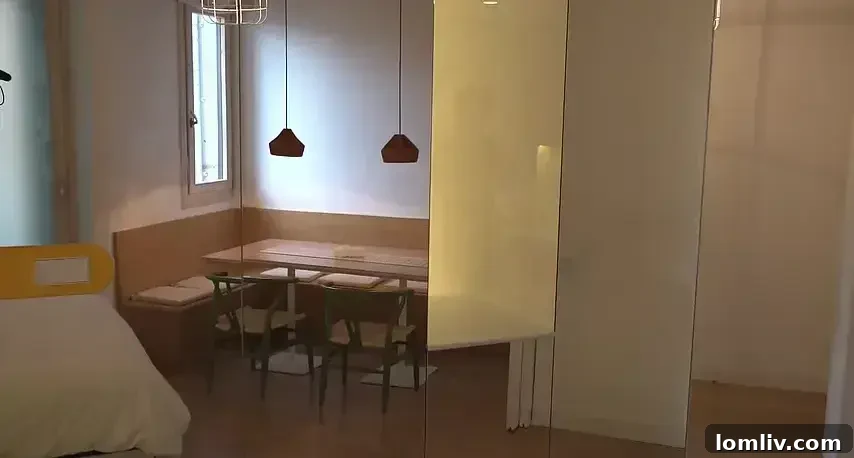
Creating an illusion of greater space is a time-honored interior design trick, and few elements are as effective in achieving this as mirrors and skylights. These reflective and light-admitting features can dramatically transform the perception of size in any home, particularly in compact dwellings.
Mirrors work by reflecting both light and the surrounding environment, essentially doubling the visual space. When natural light bounces around a room, it makes the area feel brighter, more open, and less confined or claustrophobic. A highly effective strategy is to position a large mirror directly across from a window. This placement not only maximizes the reflection of natural light but also brings the outdoor view indoors, further enhancing the sense of openness and connection to the outside world.
Additionally, incorporating floor-length mirrors, especially in bedrooms or hallways, can add significant depth to your space, drawing the eye upwards and creating an impression of higher ceilings. Skylights, on the other hand, introduce natural light from directly above, flooding the room with sunshine without requiring wall space. They are particularly beneficial in areas with limited or no conventional windows, such as internal hallways, bathrooms, or rooms that lack adequate natural light, instantly brightening and expanding these often-overlooked spaces. Both mirrors and skylights, when used thoughtfully, are powerful tools in crafting an expansive and inviting atmosphere within a small home.
4. Illuminate Smartly: Strategic Lighting for Smaller Interiors

While maximizing natural light is paramount, the intelligent use of artificial lighting is equally crucial for enhancing the feel and functionality of a small home. Beyond mere illumination, smart lighting solutions play a pivotal role in shaping ambiance, highlighting features, and, most importantly, making a room appear more spacious.
One of the primary goals in small spaces is to free up valuable floor area. This means opting for lighting fixtures that don’t intrude on pathways or occupy precious corners. Instead of bulky floor lamps that can dominate a room, consider elegant wall sconces that provide ambient light while remaining flush with the wall. Pendant lights, strategically hung, draw the eye upwards, creating an illusion of height, and can serve as both task and accent lighting without occupying any floor space. Under-cabinet lighting in kitchens or shelving units not only provides functional illumination but also creates depth and defines different zones within a room.
Furthermore, incorporating dimmable or adjustable lighting systems allows you to control the intensity and even the color temperature of your lights. This flexibility is invaluable; bright, cool light can make a room feel expansive and energetic during the day, while warm, dimmed lighting can create a cozy, intimate, and seemingly larger atmosphere in the evening. Layered lighting – a combination of ambient, task, and accent lights – adds depth and dimension, preventing shadows that can make a room feel smaller and more enclosed.
5. Embrace Adaptability with Multi-Functional Furniture

In the realm of small home design, multi-functional furniture stands out as an absolute game-changer. These innovative pieces are designed to serve more than one purpose, effectively maximizing utility while minimizing the footprint. For residents of smaller homes or apartments, such furniture isn’t just a convenience; it’s a strategic necessity that can significantly enhance both liveability and storage capacity.
Consider the classic example of a sofa bed. During the day, it provides comfortable seating, and by night, it effortlessly transforms into an additional sleeping option for guests, eliminating the need for a dedicated guest room. Similarly, storage ottomans offer a comfortable footrest or extra seating while cleverly concealing blankets, books, or remote controls. Nested tables can be pulled apart for various uses when entertaining and then neatly tucked back together to save space.
The innovation doesn’t stop there. Folding or expandable furniture, such as wall-mounted desks or dining tables, provides exceptional flexibility. These pieces can be deployed for working, dining, or hobbies and then folded away flush against the wall when not in use, instantly reclaiming valuable floor space. Murphy beds, which fold vertically into a wall cabinet, are another ingenious solution for transforming a bedroom into a living area during the day. When selecting multi-functional furniture, prioritize quality, durability, and a design that seamlessly integrates with your existing decor, ensuring these pieces not only save space but also contribute to the overall aesthetic of your home.
6. Leverage Every Inch: The Power of Vertical Storage
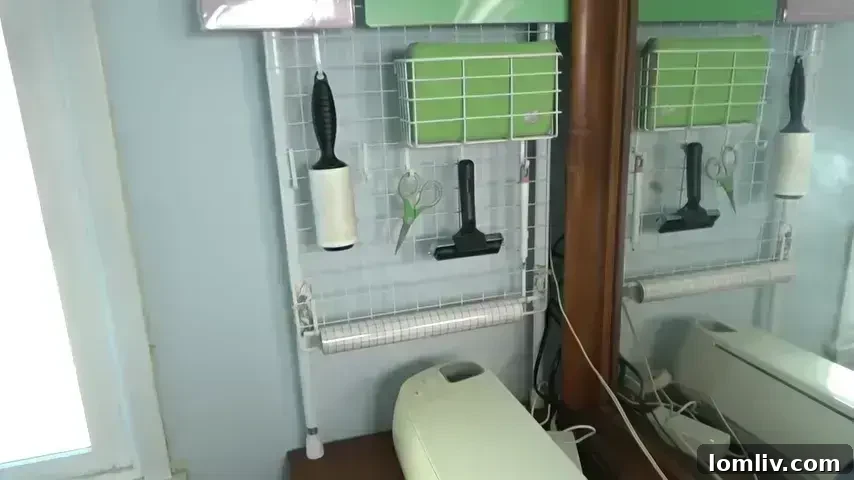
When floor space is at a premium, the only direction left to expand is upwards. Vertical storage solutions are indispensable for small homes, transforming unused wall space into highly functional areas for organization and display. By drawing the eye upward, these solutions not only increase storage capacity but can also make a room feel taller and more expansive.
In Australia, the standard ceiling height for most rooms (excluding the kitchen) is 2.4 meters, offering a substantial amount of vertical real estate waiting to be utilized. Floating shelves are an excellent choice for displaying books, decorative items, or even kitchen essentials without the bulk of traditional bookcases. Wall-mounted cabinets, particularly those extending close to the ceiling, provide enclosed storage for items you prefer to keep out of sight, maximizing every cubic inch.
Consider hanging racks in the kitchen for pots and pans, pegboards for tools or craft supplies, and tall, narrow bookshelves that occupy minimal floor space while offering extensive storage. In bathrooms, over-the-toilet storage units or recessed medicine cabinets can make a significant difference. Even the backs of doors can be utilized with hanging shoe organizers or pantry shelves. By thoughtfully integrating various vertical storage options, you can keep your floors clear, reduce clutter, and create a more open, efficient, and visually appealing environment throughout your small home.
7. Customization is Key: Maximizing Space with Built-In Solutions
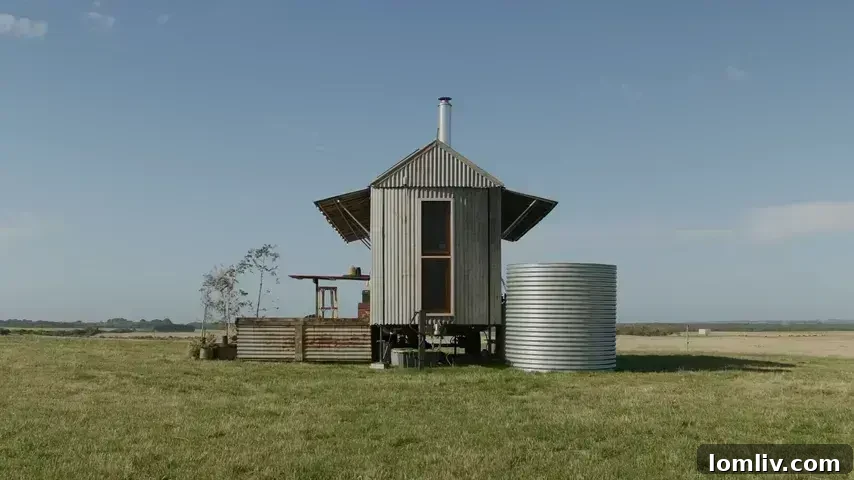
For homes and apartments characterized by unique layouts, awkward nooks, or unusual wall angles, off-the-shelf furniture often falls short. This is where built-in solutions truly shine. Custom-designed shelves, cabinets, desks, and seating can transform what would otherwise be dead or wasted space into highly functional and aesthetically pleasing areas, perfectly tailored to the specific dimensions and needs of your home.
Built-ins offer unparalleled advantages for small space living. They seamlessly integrate with the existing architecture, creating a streamlined, uncluttered look that makes a room feel larger and more cohesive. Imagine a wall-to-wall bookshelf that perfectly fills an alcove, a window seat with hidden storage underneath, or a custom desk that fits precisely into a previously unused corner. These solutions maximize storage capacity without encroaching on valuable floor space, making them ideal for everything from wardrobes and entertainment units to pantry storage.
While some homeowners might find modular furniture kits that happen to fit their unique dimensions, for a truly bespoke solution, enlisting a skilled carpenter or cabinetmaker is often the best route. They can design and craft pieces that not only meet your storage and functional requirements but also enhance the overall architectural character of your home. Beyond practicality, built-ins provide ample opportunities to display personal mementos, art, and trinkets, adding personality and warmth without adding clutter, thereby increasing both the functionality and perceived value of your property.
8. Embrace the “Less Is More” Philosophy with Minimalist Decor
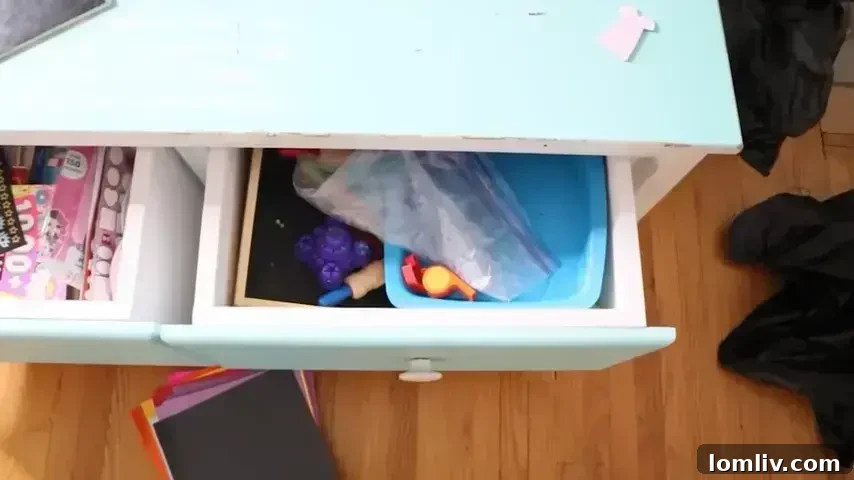
When you reside in an apartment or a smaller home, adopting a minimalist approach to home decor is not just a trend; it’s a highly effective strategy for creating an open, airy, and tranquil environment. The core principle of minimalism—that “less is more”—is particularly pertinent in compact spaces, where every object contributes significantly to the overall visual landscape.
A minimalist aesthetic focuses on intentionality, functionality, and clean lines. Instead of trying to display every possession you own, which can quickly lead to visual clutter and make a room feel smaller, curate your decorative items thoughtfully. Choose a few key pieces that truly resonate with you and enhance the room’s character. For instance, opt for a single, impactful statement piece of artwork rather than a busy gallery wall, or a carefully selected plant that adds life without overwhelming the space. This approach encourages appreciation for what you have, rather than being surrounded by an abundance of items that may not serve a purpose.
Beyond decor, the minimalist philosophy extends to furniture choices and color palettes. Opt for furniture with simple, uncluttered designs and avoid over-furnishing a room. A neutral color scheme with pops of accent colors can also contribute to a sense of spaciousness and serenity. By embracing minimalism, you cultivate an environment that feels expansive, calming, and effortlessly stylish, proving that a smaller footprint can indeed lead to a richer, more focused living experience.
By implementing these strategic design and organizational principles, anyone can transform a compact dwelling into a comfortable, functional, and aesthetically pleasing home. From intelligent decluttering and space-saving appliances to the illusion-creating power of mirrors and the practicality of multi-functional furniture, every tip is designed to help you maximize your living potential, regardless of square footage. Embrace these ideas and unlock the hidden spaciousness within your own Australian home.