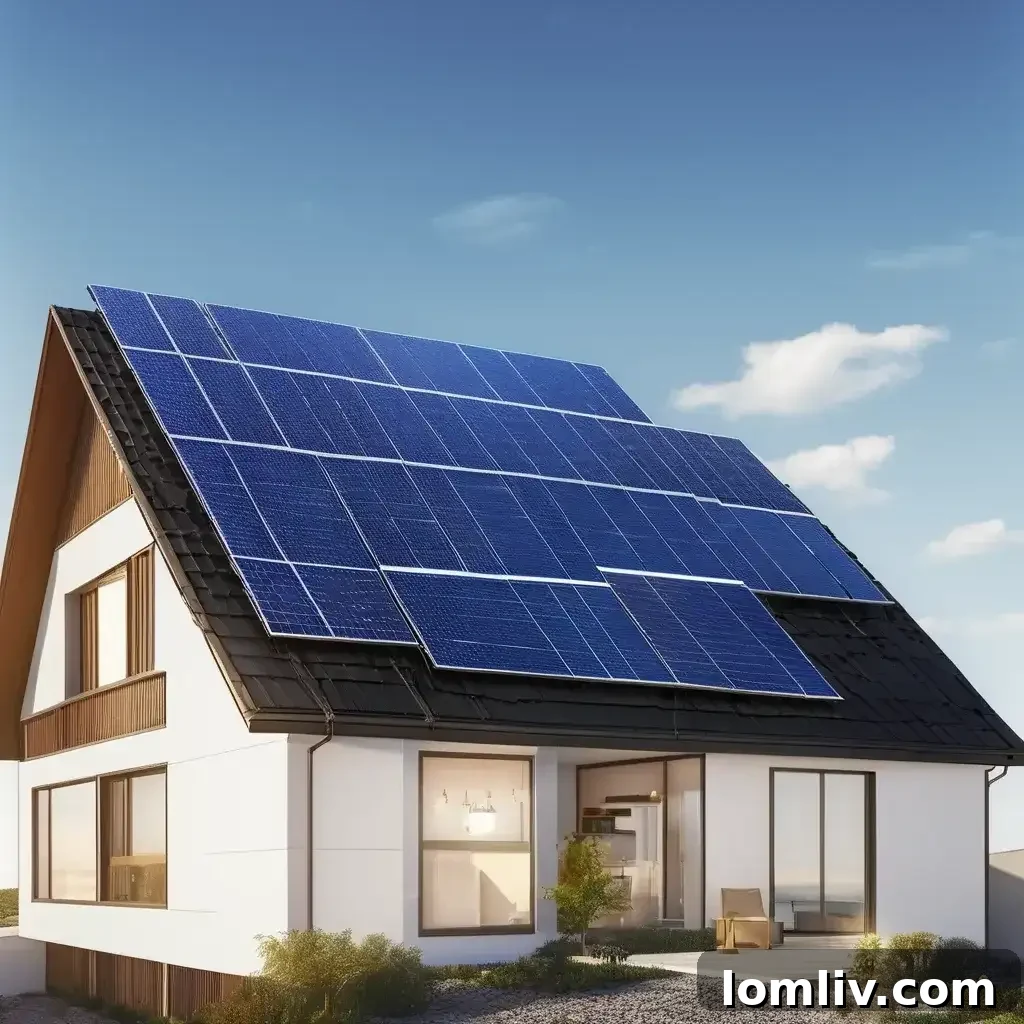
Investing in solar energy is a monumental step towards a sustainable future, offering homeowners not only significant environmental benefits but also substantial financial advantages. Among the most impactful incentives making this transition accessible are solar rebates. These financial programs are specifically designed to reduce the upfront cost of installing solar power systems, making renewable energy an economically viable option for a broader range of households and helping to mitigate your carbon footprint.
Understanding the diverse landscape of available rebates, such as the widely recognized Solar Power Rebate Victoria program, is crucial for homeowners looking to maximize their savings and simplify the process. This comprehensive guide aims to demystify solar rebates, providing all the essential information you need to confidently embark on your solar journey and unlock the full potential of these valuable incentives.
Understanding Solar Rebates and How They Work
Solar rebates are essentially financial incentives offered by various governmental bodies, utility companies, and local agencies to encourage the adoption of renewable energy technologies. These programs serve as a cornerstone of clean energy initiatives, playing a critical role in offsetting the typically high initial costs associated with installing solar panels. By reducing this financial barrier, rebates transform solar energy from a niche luxury into an increasingly attractive and attainable option for a vast number of homeowners across the globe.
The mechanics of how these rebates work can vary significantly. Some rebates might come in the form of direct cash payments or grants, issued once your solar system is installed and operational. Others may take the form of tax credits, allowing you to subtract a percentage of your installation costs directly from your income taxes. Additionally, some utility companies offer rebates as credits applied to future energy bills or through performance-based incentives, where you receive payments based on the actual electricity your system generates over time. These diverse structures are often tailored to specific regional energy goals, with states and utilities implementing programs designed to alleviate strain on their local grids, promote energy independence, and accelerate the transition to sustainable power sources.
Types of Solar Rebates Available to Homeowners
The world of solar rebates is multifaceted, offering a variety of incentives from different levels of government and private entities. Navigating these options is key to maximizing your investment in solar energy.
Federal Solar Incentives: The Investment Tax Credit (ITC)
At the federal level, the most significant and widely utilized incentive is the Solar Investment Tax Credit (ITC). This powerful program, provides a significant tax credit for the installation of new solar photovoltaic (PV) systems for residential properties. Currently, the ITC allows homeowners to deduct a substantial percentage (typically 30% for systems placed in service from 2022 to 2032) of the cost of their solar energy system from their federal taxes. This credit applies to both the panels themselves and associated costs such as labor, permits, and mounting equipment. The ITC is not a rebate in the traditional sense of a direct payment but rather a credit that reduces the amount of income tax you owe, potentially even resulting in a refund if the credit exceeds your tax liability and can be carried forward.
State-Specific Rebate Programs
Beyond federal incentives, many states offer their own unique solar rebate programs, often targeting specific needs or promoting particular types of renewable energy development. These state-level rebates are especially beneficial for homeowners in regions with very high electricity costs, where the financial incentive to switch to solar is already strong. State programs can come in various forms:
- Cash Rebates: Direct payments based on the size or capacity of your installed solar system.
- Performance-Based Incentives (PBIs): Payments received over time based on the actual electricity generated by your solar panels, often measured in kilowatt-hours (kWh).
- Solar Renewable Energy Certificates (SRECs): In some states, homeowners earn SRECs for every megawatt-hour (MWh) of electricity their solar system generates. These certificates can then be sold on a market to utility companies needing to meet renewable energy quotas, providing an additional revenue stream.
- Property Tax Exemptions: Many states exclude the added value of a solar system from your property tax assessment, meaning your property taxes won’t increase even though your home’s value has.
- Sales Tax Exemptions: Some states exempt solar energy equipment from sales tax, further reducing the upfront cost.
Utility Company Rebates
In addition to government programs, many local utility companies offer their own rebates and incentives to homeowners who install solar panels. These utility rebates are a great resource, particularly in areas where the utility is looking to reduce peak demand on the grid or promote localized power generation. Utility programs can include:
- Direct Cash Rebates: Similar to state programs, these offer a one-time payment for installing solar.
- Net Metering Programs: While not a direct rebate, net metering is a crucial incentive where your utility credits you for any excess electricity your solar panels produce and feed back into the grid, effectively reducing your monthly bill.
- Time-of-Use (TOU) Rates: Some utilities offer specific rates for solar owners, encouraging them to use or store power during off-peak hours.
Local Government and Municipal Programs
Finally, some local governments and municipalities also offer rebates or incentives. These can be specific to certain equipment, the installation process, or both, reflecting local environmental goals or community initiatives. These smaller, more localized programs can often be stacked with state and federal incentives for even greater savings.
How to Qualify for Solar Rebates
While the prospect of solar rebates is exciting, accessing them requires meeting specific eligibility criteria. These criteria vary widely depending on the type of rebate, the location, and the specific program details. Understanding these requirements upfront is essential for a smooth application process.
Common eligibility criteria often include aspects like property ownership, system size, and specific installation standards. For instance, the federal tax credit (ITC) generally applies only to newly installed, residentially-generated solar panels on your primary or secondary residence. It typically covers systems that are owned, not leased. State-run programs, such as the Solar Power Rebate Victoria, often require strict compliance with state guidelines in regard to installation standards, requiring certified installers and specific equipment types to ensure safety and performance.
Other common qualification factors may include:
- Property Type: Most residential rebates are for single-family homes, but some may extend to multi-family dwellings or even small businesses.
- System Ownership: Rebates usually require you to own the solar system, rather than leasing it or being part of a Power Purchase Agreement (PPA).
- System Size and Capacity: Some programs have minimum or maximum system sizes to qualify, ensuring the system is appropriately scaled for residential use.
- Installer Certification: Many rebates require that your solar system be installed by a licensed and certified solar contractor to ensure quality and compliance with local codes.
- Equipment Standards: The solar panels and inverters used may need to meet certain efficiency or safety standards to qualify for specific incentives.
- Energy Audit Requirements: In some cases, you might need to undergo a home energy audit before or after installation to prove overall energy efficiency improvements.
- Application Deadlines: Rebate programs often have specific application windows or limited funding, making timely application critical.
Given that different details might come with changing locations, the specific aspects of a particular program, or different energy-efficient equipment, it’s highly recommended to conduct thorough research. This being the case, early application, combined with thorough consultation with a reputable solar installer, can significantly ensure your eligibility and streamline the entire process. A knowledgeable installer can guide you through the specific requirements in your area and help you gather the necessary documentation.
Steps to Apply for Solar Rebates
Once you understand the available rebates and eligibility criteria, the next step is the application process. While specifics vary, there’s a general roadmap homeowners can follow to successfully secure their solar incentives.
- Research Available Incentives: Begin by researching all federal, state, local, and utility-specific programs applicable to your home and location. Websites of government energy departments, utility companies, and reputable solar installers are excellent resources. Tools like the DSIRE (Database of State Incentives for Renewables & Efficiency) can also be invaluable.
- Consult with a Solar Installer: A qualified solar installer will be an invaluable partner in this process. They can help identify which rebates you qualify for, provide system design and cost estimates, and often assist with the rebate application paperwork directly.
- Gather Required Documents: This is a critical step. You’ll typically need documents such as:
- Proof of property ownership (deed, property tax statements)
- Utility bills to demonstrate current energy consumption
- Detailed invoices and receipts for solar equipment and installation costs
- System design specifications and technical data sheets for panels and inverters
- Permits and inspection certificates
- Your social security number or tax identification for federal tax credits
- Complete the Application Form: Fill out the application forms accurately and completely. Some rebates are meant to be applied for through specific government websites or utility portals, which may require creating an account. For the federal ITC, your tax preparer will help you claim it when filing your annual tax return.
- Submit Your Application: Ensure all required documents are attached and submit your application well before any deadlines. Keep copies of everything for your records.
- Await Review and Verification: After submission, there will typically be a pending review process. This could involve verification by the rebate provider, an inspection of your installed system to ensure compliance with standards, or a request for additional information. This stage can take anywhere from a few weeks to several months.
- Receive Your Rebate: Once your application is approved, rebates are usually issued in one of several forms: as a check mailed directly to you, a direct deposit into your bank account, or as a credit applied to your future utility bills by some utility companies. For tax credits, the benefit is realized when you file your taxes.
Patience is key during this process. Staying organized and proactive in responding to any requests for information will help ensure a smooth and successful outcome.
Maximizing Savings with Stacked Rebates and Incentives
One of the most powerful strategies for making solar energy truly affordable is to “stack” multiple rebates and incentives. Combining federal, state, and utility-level programs can dramatically reduce your out-of-pocket expenses and significantly shorten the payback period for your solar installation. This strategic approach ensures you harness every possible financial benefit available.
For instance, a homeowner might first claim the federal Investment Tax Credit (ITC), which offers a substantial percentage off the total system cost. They could then layer on a state-specific cash rebate program, followed by an incentive from their local utility company for installing renewable energy. Furthermore, regional programs, such as the Solar Power Rebate Victoria, or property tax exemptions for solar installations, can further reduce the overall cost and accelerate the return on investment. Some states also offer sales tax exemptions on solar equipment, which provides an immediate saving at the point of purchase.
To effectively stack incentives, it’s crucial to work with a reputable and experienced solar installer. A good installer will not only design and install a high-quality system but will also possess an in-depth understanding of the complex landscape of local, state, and federal incentives. They can guide you through which programs are compatible with each other, help you navigate the eligibility requirements for each, and assist with the necessary paperwork to ensure you don’t miss out on any potential savings. Their expertise can be invaluable in identifying all applicable financial benefits and maximizing your overall return on investment, transforming a significant investment into a remarkably cost-effective upgrade for your home.
Solar Rebates and the Long-Term Value of Your Home
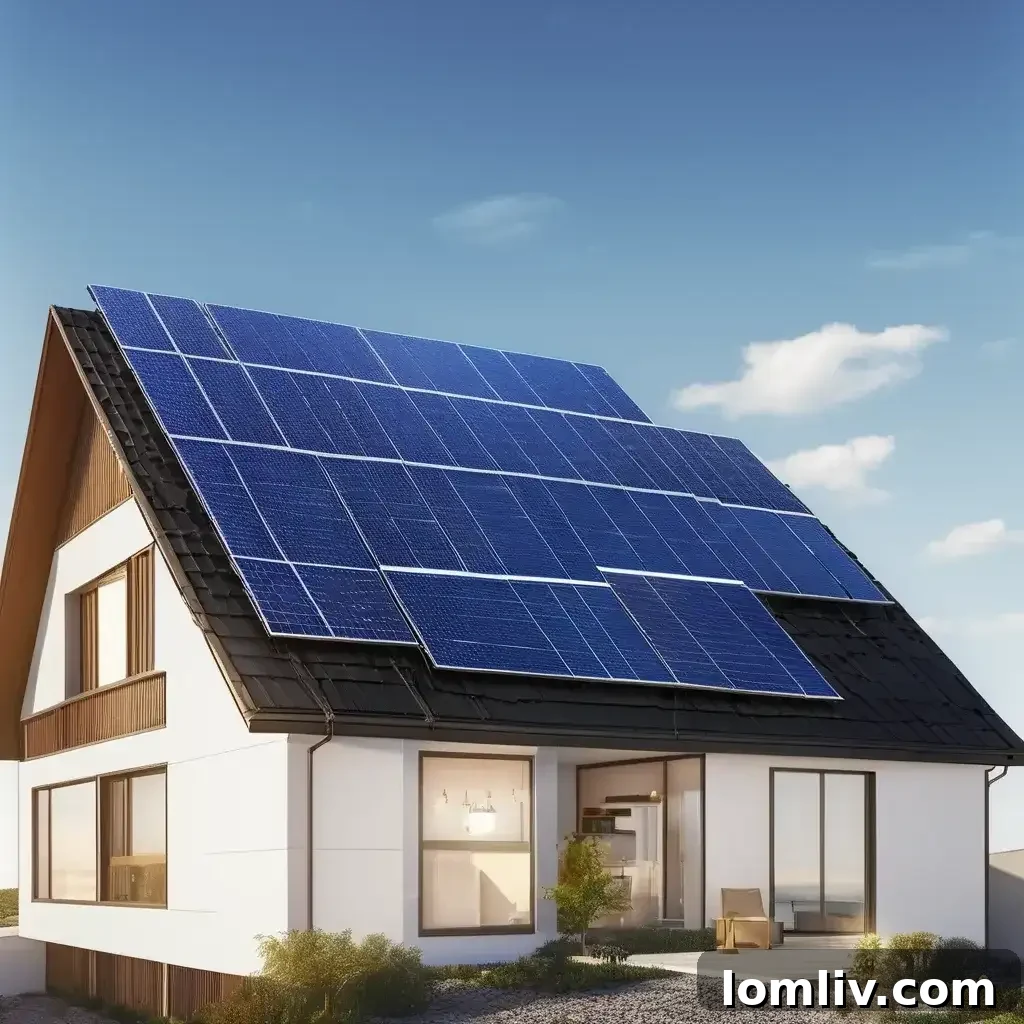
Beyond the immediate financial relief provided by rebates and the ongoing savings on energy bills, installing solar panels offers a significant long-term benefit: it demonstrably improves your property value. In today’s competitive real estate market, homes equipped with renewable energy installations are increasingly in demand. Buyers are actively seeking properties that offer long-term utility savings, reduced environmental impact, and greater energy independence.
Studies consistently show that homes with solar panel systems sell more quickly and at a higher price than comparable non-solar homes. The perceived value comes from several factors: the immediate savings on electricity bills, the insulation from fluctuating energy prices, and the appeal of living in a more sustainable home. Solar rebates play a crucial role in making this initial investment more manageable, thereby making it easier for homeowners to add substantial, lasting value to their property. This “solar equity” becomes an attractive selling point, distinguishing your home from others on the market.
Furthermore, if you decide to sell your home, any remaining incentives or the inherent energy-saving benefits of the solar system can often be passed along to the new buyer, further enhancing your property’s marketability and potentially allowing you to recoup a larger portion of your initial investment. The combination of immediate cost reductions through rebates and the future appreciation of your property’s value makes investing in solar an exceptionally smart financial decision, delivering both present and future benefits.
The ability of solar energy to reduce energy costs is undeniable, but its power to enhance value to a property is a long-term asset that savvy homeowners recognize. With solar installations becoming a highly desirable feature, the investment is not just in energy independence but also in a more valuable and marketable asset.
Solar Rebates for a Greener Future
Solar rebates are more than just financial handouts; they are a powerful catalyst for accelerating the transition to a cleaner, more sustainable energy landscape. By significantly reducing the initial investment, these incentives ensure that switching to clean energy remains quite affordable and accessible for household owners, often with little to no significant upfront cost. This financial support removes one of the biggest barriers to widespread solar adoption, empowering individuals to make environmentally responsible choices without financial strain.
Thanks to robust schemes such as the Solar Power Rebate Victoria, among many other federal, state, and utility programs, solar installations are becoming not only accessible but also remarkably affordable. These programs make renewable energy sources increasingly viable and well-appreciated by the public. The cumulative effect of these initiatives is a greener future, characterized by reduced carbon emissions, increased energy independence, and more stable electricity grids.
Ultimately, by intelligently combining federal, state, and local rebates with other incentives, and ensuring a high-quality installation from a reputable provider, homeowners can assure substantial financial savings over the lifespan of their solar system. This synergistic approach transforms the dream of clean, affordable energy into a tangible reality for millions, paving the way for a healthier planet and more prosperous communities for generations to come. Embracing solar energy, aided by these vital rebates, is a clear step towards a brighter, more sustainable tomorrow.