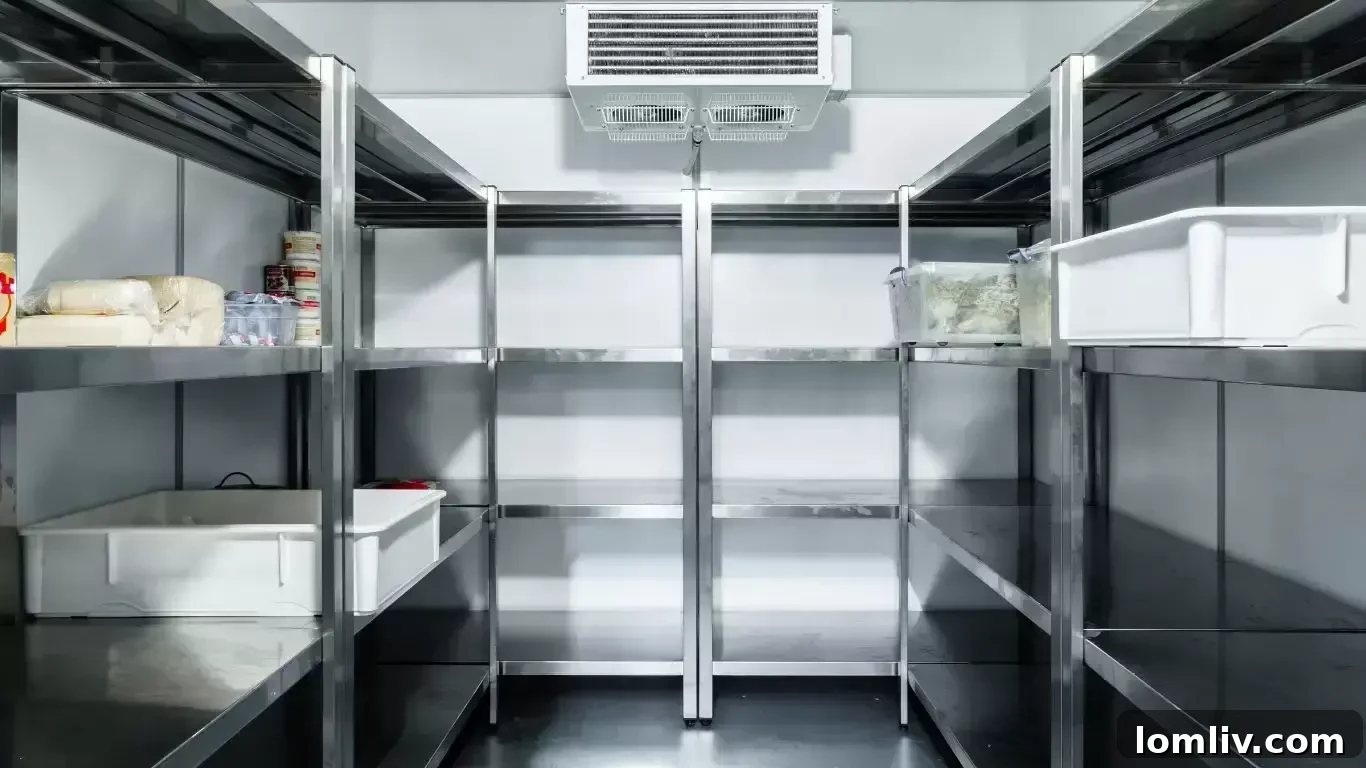
In the dynamic world of commercial real estate, specialized equipment often forms the backbone of successful businesses operating within leased spaces. As a real estate professional or property manager, understanding the nuances of maintaining these critical assets is paramount, not just for tenant satisfaction but also for preserving property value and operational efficiency. Among the most vital pieces of equipment for a wide array of businesses, from bustling restaurants and expansive grocery stores to specialized retail outlets, is the walk-in freezer. These indispensable units are subjected to continuous use, and while occasional walk-in freezer repair is an inevitable part of their lifecycle, a proactive and consistent approach to routine maintenance can dramatically extend their operational life, minimize costly downtime, and significantly improve their energy efficiency.
For anyone managing a commercial property equipped with a walk-in freezer, or for businesses considering leasing a space that includes one, adopting a comprehensive maintenance strategy is a smart investment. It safeguards against unexpected breakdowns, mitigates high energy bills, and ensures compliance with critical food safety standards. This guide will outline essential tips to maximize the lifespan, efficiency, and reliability of your walk-in freezer, transforming potential headaches into predictable, manageable costs.
1. The Critical Importance of Regular Condenser Coil Cleaning
One of the most straightforward yet profoundly impactful maintenance tasks for any walk-in freezer is the routine cleaning of its condenser coils. These coils are the heat-rejection component of the refrigeration system, responsible for dissipating the heat absorbed from inside the freezer into the ambient air. Over time, these coils inevitably accumulate layers of dirt, dust, grease, and other airborne contaminants. When these layers build up, they act as an insulating blanket, severely hindering the coils’ ability to release heat effectively. This forces the compressor, the “heart” of the refrigeration system, to work much harder and for longer periods to maintain the desired internal temperature. This increased workload not only drives up energy consumption and, consequently, your utility bills, but also accelerates the wear and tear on the compressor and other vital components, dramatically shortening their lifespan.
Regular condenser coil cleaning is a primary preventive measure against premature equipment failure and an essential practice for optimal walk-in freezer efficiency. Ideally, these coils should be cleaned every three to six months, depending on the environment in which the freezer operates. Businesses in dusty areas or those with high levels of airborne grease (like kitchens) may require more frequent cleaning. This can often be performed by trained in-house staff using a stiff brush and a vacuum cleaner, ensuring proper disconnection from power before beginning. For a more thorough cleaning or if you’re unsure, professional HVAC or refrigeration technicians can provide specialized services, often using coil cleaning solutions to remove stubborn buildup.
2. Diligent Inspection of Door Seals and Gaskets for Air Leaks
The integrity of the door seals and gaskets on a walk-in freezer is absolutely fundamental to its energy efficiency and overall performance. These flexible rubber or magnetic strips are designed to create an airtight barrier, preventing the escape of cold air from the freezer and the infiltration of warmer, humid ambient air. Over time, due to constant opening and closing, general wear and tear, or even accidental damage, these seals can become brittle, cracked, torn, or simply lose their magnetic grip. Even a small gap or crack can lead to a significant loss of cold air, forcing the refrigeration system to run almost continuously to compensate. This not only results in substantially higher energy bills but also places immense strain on the compressor and evaporator coils, leading to accelerated wear and a greater risk of breakdown.
Regularly inspecting the door seals and gaskets should be a non-negotiable part of your maintenance routine. Look for visible signs of damage, such as cracks, tears, hardening, or areas where the seal appears loose. A simple and effective test involves closing a piece of paper or a dollar bill in the freezer door; if you can easily pull it out with minimal resistance, the seal is compromised and needs immediate attention. Promptly repairing or replacing damaged gaskets is a relatively inexpensive fix that can yield significant savings in energy costs and prevent more costly commercial freezer repair issues down the line. A tight, effective seal is key to maintaining stable internal temperatures and optimizing the operational life of your equipment.
3. Vigilant Monitoring of Temperature and Humidity Levels
Maintaining a consistent and appropriate temperature, typically around -10°F (-23°C) for most walk-in freezers, along with controlled humidity levels, is crucial for both equipment efficiency and the preservation of stored products. Fluctuations in temperature can be detrimental for several reasons. For the equipment, frequent swings force the compressor to cycle on and off more often and work harder to re-establish the set point, leading to increased energy consumption and premature wear of mechanical components. From a product perspective, inconsistent temperatures can lead to freezer burn, quality degradation, and, in some cases, compromise food safety, making it a critical concern for businesses like restaurants and grocery stores.
To ensure optimal performance and product integrity, it is essential to install reliable thermometer or monitoring systems that provide real-time temperature data. Digital thermometers with alarms for temperature deviations are highly recommended. Daily manual checks of these readings, or implementing an automated monitoring system, can help detect any anomalies early, allowing for prompt investigation and corrective action before minor issues escalate into major breakdowns. Abnormal readings could indicate anything from a compromised door seal to a malfunctioning thermostat or a more serious refrigeration problem. Similarly, excessive humidity inside the freezer can lead to accelerated ice buildup, which negatively impacts efficiency and storage capacity, as discussed in the next point.
4. Proactive Management of Ice Buildup and Scheduled Defrosting
While a certain amount of frost can be normal in any freezer, excessive or rapid ice buildup within a walk-in freezer is a strong indicator of an underlying issue. This could range from compromised door seals allowing humid air to enter, a malfunctioning defrost system, or poor airflow caused by obstructed evaporator coils. Regardless of the cause, significant ice accumulation poses multiple problems. Firstly, it drastically reduces the available storage capacity, hindering inventory management. Secondly, it acts as an insulator on the evaporator coils, severely impairing their ability to absorb heat from the freezer compartment. This forces the unit to work much harder and longer, consuming more energy and increasing the likelihood of component failure. Furthermore, large ice formations can physically damage internal components like fans and shelves.
It is essential to regularly check for ice buildup. Many modern walk-in freezers feature automatic defrost cycles, which are designed to melt away frost at regular intervals. However, these systems can sometimes malfunction or be overwhelmed by excessive humidity ingress. Therefore, periodic manual checks are still necessary. If you notice significant ice accumulation, consider scheduling a manual defrost every few months or as needed. During a manual defrost, ensure all products are safely removed and stored, the unit is powered down, and the ice is allowed to melt naturally or carefully removed with non-abrasive tools. Addressing the root cause of excessive ice buildup, whether it’s a faulty seal or a defrost system issue, is critical to maintaining optimal walk-in freezer performance and longevity.
5. The Indispensable Value of Routine Professional Inspections
While diligent in-house maintenance can address many common issues and significantly extend the life of your walk-in freezer, there’s no substitute for the expertise of a qualified refrigeration technician. Scheduling routine professional inspections is a cornerstone of a comprehensive maintenance plan, providing an invaluable layer of protection against unexpected and potentially catastrophic breakdowns. Experienced technicians possess the specialized knowledge, tools, and diagnostic equipment to identify potential problems that may not be apparent to the untrained eye. They can spot subtle signs of wear, detect refrigerant leaks, assess the condition of electrical components, and calibrate critical settings like thermostats and pressure controls.
During a professional inspection, technicians typically perform a thorough diagnostic check of the entire refrigeration system, including refrigerant levels, compressor health, fan motor operation, electrical connections, and the efficiency of the defrost cycle. They can identify minor issues, such as slightly low refrigerant or a misaligned fan blade, and correct them before they escalate into major, costly repairs that could lead to significant downtime and product loss. These preventive checks are a cost-effective strategy, transforming reactive, emergency repair calls into predictable, budgeted maintenance expenses. Investing in regular professional servicing ensures your walk-in freezer remains reliable, energy-efficient, and fully compliant with safety regulations for many years to come, offering true peace of mind for property managers and business owners alike.
6. Essential Cleaning of Drain Lines to Prevent Blockages
The drain lines in a walk-in freezer play a crucial role in maintaining hygiene and operational efficiency. Their primary function is to channel away the condensation and melted frost water produced during the defrost cycle. When these drain lines become clogged with debris, ice, mold, or food particles, they can lead to a cascade of problems. Blockages can cause water to back up and pool inside the freezer, creating unsanitary conditions conducive to mold and bacterial growth, which poses serious health and safety risks, especially in food-based businesses. Standing water can also lead to foul odors, potential water damage to the freezer structure or surrounding flooring, and even impact the efficiency of the refrigeration system by creating an overly humid environment. In extreme cases, blockages can cause water to leak outside the unit, creating slip hazards and structural damage.
To prevent these issues, regular cleaning of the drain lines is essential. This task should be performed every few months, particularly for freezers with heavy use or those located in environments prone to debris. Simple warm water can often flush out minor blockages. For more stubborn clogs, a mixture of warm water and mild bleach or a specialized drain cleaner can be used, following manufacturer guidelines. If persistent blockages occur or if you notice any unusual smells or water pooling, it’s a clear signal to call a professional technician. They can perform a thorough cleaning, identify the cause of recurring blockages, and ensure the entire drainage system is functioning correctly, preventing future costly problems and maintaining a hygienic storage environment.
7. Cultivating Energy-Efficient Practices for Enhanced Equipment Longevity
Beyond the mechanical aspects of maintenance, fostering a culture of energy efficiency among employees and team members can have a substantial positive impact on the lifespan and operational cost of your walk-in freezer. Every time the freezer door is opened, a significant amount of cold air escapes, and warmer, humid air rushes in. This forces the refrigeration system to work harder to restore the internal temperature, leading to increased energy consumption and accelerated wear on the compressor and other components. Simple, consistent practices can collectively make a big difference.
Encourage staff to minimize the frequency and duration of door openings. Training employees to retrieve all necessary items in a single trip, and to keep the door open for the shortest possible time, can significantly reduce the workload on the freezer. Implementing visual reminders or regular training sessions can reinforce these habits. Furthermore, consider installing PVC strip curtains or air barriers just inside the freezer door. These inexpensive additions act as a secondary barrier, significantly reducing the loss of cold air when the main door is opened, making them a wise investment for high-traffic freezers. Proper inventory management, ensuring the freezer is well-organized and stocked efficiently, also plays a role, as it allows staff to quickly locate items without prolonged door openings. These small, consistent energy-efficient practices not only contribute to lower utility bills but also significantly prolong the operational life and reliability of your valuable walk-in freezer equipment.
Final Thoughts
For commercial real estate managers and business owners alike, the proper maintenance of a walk-in freezer might initially seem like a secondary concern, but it is, in fact, a critical component of property asset management and operational profitability. Neglecting these vital units can lead to exorbitant energy bills, unexpected and costly emergency repairs, significant downtime, product spoilage, and potential regulatory issues.
By diligently implementing these essential maintenance strategies—from routine cleaning of condenser coils and vigilant inspection of door seals to professional servicing and cultivating energy-efficient habits—you can significantly extend the operational life of your walk-in freezer, minimize utility expenses, and avoid the hassle and financial strain of unexpected breakdowns. This proactive approach ensures a consistent and reliable cold chain for your business, safeguarding your investments and contributing to seamless operations. Ultimately, a well-maintained walk-in freezer is a reflection of well-managed property and a smart business decision.
Should you have further questions regarding specific commercial property needs, require guidance on assessing spaces with specialized equipment, or seek expert advice on equipment maintenance integration into your property management plan, I am here to assist. Remember, a little attention and foresight today can save you a considerable amount of time, money, and stress tomorrow—your freezer, your budget, and your business operations will certainly be grateful!