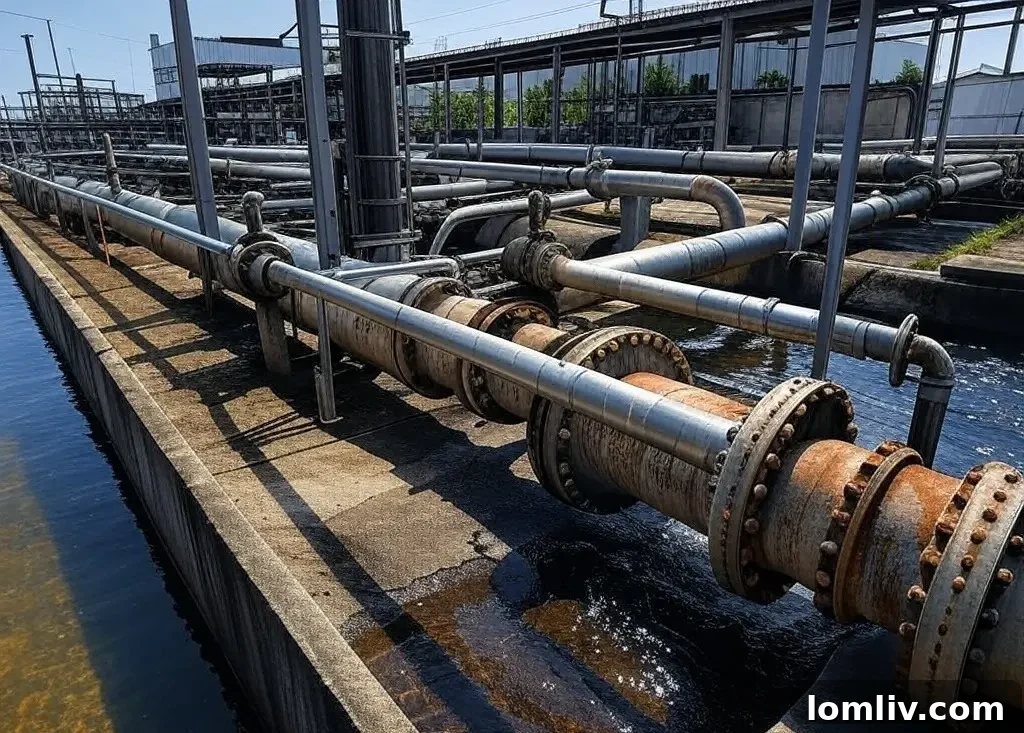
Industrial zones stand as the undisputed engines of global economies, fueling innovation, manufacturing, and processing operations that underpin our modern world. Yet, within these bustling hubs, a silent but formidable challenge persists: effective water management. The absence of a meticulously designed industrial drainage system can transform a minor downpour into a major catastrophe, leading to significant operational disruptions, irreparable equipment damage, and crippling financial losses. Businesses that overlook the crucial role of robust drainage systems expose themselves to an array of risks, jeopardizing not only their infrastructure but also the safety of their workforce and their long-term viability.
In this comprehensive guide, we will delve into the multifaceted benefits of state-of-the-art industrial drainage systems, illustrating their indispensable value across various sectors. Drawing insights and examples from industry leader ULMA, renowned for its pioneering advancements in drainage technology, we will explore how these systems enhance efficiency, bolster safety, and deliver substantial economic advantages, ensuring a resilient and sustainable industrial future.
1. Enhanced Operational Efficiency: The Foundation of Productivity
In any industrial setting, uninterrupted operations are paramount. Water accumulation, whether from rainfall, spills, or process waste, poses a direct threat to this continuity. An advanced industrial drainage system acts as the first line of defense, safeguarding critical infrastructure and maintaining peak operational performance.
How Do Drainage Systems Prevent Water Accumulation?
Efficient drainage systems are engineered marvels, meticulously designed to channel water away from critical areas, allowing factories and processing plants to operate seamlessly. By integrating strategically placed channels, sumps, and optimal gradients, these systems proactively prevent water from pooling or flooding. This prevents not only surface water accumulation but also addresses subsurface water issues, protecting foundations and underground utilities.
For instance, ULMA drainage channels are not merely conduits; they are sophisticated engineering solutions crafted to manage high volumes of water swiftly and effectively. Their design prioritizes rapid evacuation, ensuring that even during intense rainfall or significant spills, vital infrastructure remains protected and operational areas stay dry. This proactive approach minimizes the risk of production halts and allows machinery to function without interruption, preserving precious manufacturing time.
What Problems Arise from Water Accumulation?
The repercussions of uncontrolled water accumulation extend far beyond a simple wet floor. Standing water can accelerate the corrosion and rust of expensive machinery, compromising their structural integrity and reducing their operational lifespan. Electrical systems are particularly vulnerable, with water ingress leading to short circuits, power outages, and potential fire hazards. Infrastructure components such as concrete flooring, building foundations, and storage facilities can suffer significant damage, necessitating costly and time-consuming repairs.
The most immediate and impactful problem is operational downtime. When production lines are forced to halt due to water-related issues, businesses face a cascade of financial penalties: lost output, delayed deliveries, increased maintenance costs, and a potential loss of client trust. A properly implemented drainage system mitigates these risks significantly, extending the service life of equipment, reducing the frequency and cost of repairs, and most importantly, maintaining timely and predictable production schedules. This commitment to continuous operation is a direct driver of profitability and competitive advantage.
2. Improving Safety and Preventing Accidents: Protecting Your Workforce and Reputation
In any industrial environment, worker safety is paramount. Uncontrolled water introduces a myriad of hazards that can lead to severe accidents, regulatory fines, and a damaged corporate reputation. Effective drainage systems are therefore critical components of a comprehensive safety management strategy.
How Do Drainage Systems Create a Safer Work Environment?
Without adequate drainage, wet floors and water-soaked areas become treacherous, presenting serious slip-and-fall risks, which are among the most common industrial accidents. Beyond physical injuries, water can exacerbate electrical hazards by creating conductive pathways, increasing the likelihood of electrocution or equipment malfunction. In facilities handling chemicals or hazardous materials, pooling water can facilitate the spread of contaminants, turning localized spills into widespread environmental and health threats.
An effective industrial drainage system swiftly removes these dangers, maintaining dry and safe working surfaces. By preventing water accumulation, it ensures clear pathways for workers, machinery, and emergency vehicles, drastically reducing the probability of accidents. This proactive approach to hazard mitigation not only protects the physical well-being of employees but also fosters a culture of safety, boosting morale and productivity.
How Does Proper Drainage Reduce These Risks?
A well-designed drainage system acts as a protective shield against workplace hazards. By rapidly drying out surfaces, it eliminates the primary cause of slips, trips, and falls. Crucially, it channels water away from electrical installations, preventing short circuits and maintaining the integrity of power systems. Furthermore, in environments where spills are a possibility, specialized drainage solutions can be integrated with spill containment systems to prevent hazardous liquids from spreading, thus minimizing exposure risks and facilitating safer cleanup operations.
Reducing the likelihood of accidents translates into significant benefits: lower rates of worker injury, fewer lost workdays, reduced workers’ compensation claims, and a decrease in potential legal liabilities. This commitment to a safer working environment not only complies with stringent health and safety regulations but also strengthens the company’s reputation as a responsible and caring employer, attracting and retaining top talent.
3. Delivering Long-term Economic Benefits: An Investment, Not an Expense
While the upfront cost of installing a high-quality industrial drainage system might seem significant, it pales in comparison to the substantial long-term economic benefits it delivers. It’s an investment in resilience, efficiency, and sustained profitability.
Can Drainage Systems Save Businesses Money?
Absolutely. Investing in quality industrial drainage systems is a strategic financial decision that yields impressive returns. By preventing costly repairs to damaged equipment and infrastructure, businesses avoid significant capital outlays. The reduction in operational downtime means continuous production, maximizing output and revenue generation. Furthermore, extending the lifespan of valuable assets through effective water protection significantly defers replacement costs, contributing directly to the bottom line.
Beyond these direct savings, there are numerous indirect financial advantages. Reduced accident rates lead to lower insurance premiums and fewer legal expenses. Compliance with environmental regulations through proper stormwater management helps avoid hefty fines and penalties. Moreover, a well-maintained, hazard-free facility enhances property value and attracts more favorable business partnerships, ultimately boosting overall profitability and market standing.
Is the Investment Worth It?
While a quality drainage system requires an initial capital outlay, the long-term savings and benefits are undeniable and far outweigh the initial expenditure. Consider the potential costs of inaction: a single major flood could devastate equipment, halt production for weeks, and incur millions in repairs and lost revenue. In contrast, a robust drainage system offers continuous protection, ensuring operational continuity and asset longevity.
The return on investment (ROI) for advanced industrial drainage is not just measured in direct cost avoidance but also in increased productivity, enhanced safety, and greater operational predictability. It’s an investment in peace of mind, allowing businesses to focus on their core operations without the constant threat of water-related disruptions. For companies aiming for sustainable growth and long-term success, investing in superior drainage infrastructure is not merely advisable; it is a critical necessity.
Advanced Solutions from ULMA: Pioneering Drainage Technology
When it comes to cutting-edge industrial drainage, ULMA stands at the forefront, offering solutions that combine innovation, durability, and environmental responsibility.
What Makes ULMA a Leader in Drainage Technology?
ULMA specializes in developing and manufacturing advanced drainage solutions, prominently featuring polymer concrete channels. This material is a game-changer in the industry, renowned for its exceptional durability, impressive compressive strength, and remarkable resistance to chemicals and extreme temperatures. Unlike traditional concrete, polymer concrete is non-porous, preventing water absorption and making it highly resistant to frost damage and aggressive substances commonly found in industrial environments. Its smooth internal surface facilitates superior hydraulic flow, minimizing sediment build-up and reducing maintenance requirements.
Beyond material science, ULMA’s leadership stems from its commitment to innovative design. Their systems are not generic; they are engineered with specific applications in mind, offering a vast array of channel types, grate designs (from pedestrian to F900 load ratings for heavy-duty traffic), and integrated components like sumps and filtration units. This modularity allows for the creation of truly tailored drainage networks that deliver optimal performance under the most demanding industrial conditions, ensuring reliability and longevity that far surpasses conventional systems.
How Does ULMA Customize Drainage Systems?
ULMA’s approach to drainage solutions is highly collaborative and site-specific. Understanding that every industrial facility has unique needs, their process begins with a detailed site analysis. This involves comprehensive topographical surveys, assessment of soil conditions, analysis of historical rainfall data, identification of potential contaminants, and a thorough review of existing infrastructure. ULMA engineers then perform meticulous hydraulic calculations to determine optimal channel sizing, gradient, flow rates, and discharge points, ensuring that the system can efficiently manage anticipated water volumes.
This bespoke engineering ensures that each drainage system is perfectly matched to its environment, handling specific loads, chemical exposures, and flow requirements. ULMA also excels at integrating new drainage solutions seamlessly with existing setups, employing careful planning and precision engineering to minimize disruptions during installation. This commitment to customization guarantees not only superior performance but also maximum efficiency and cost-effectiveness, providing industrial clients with a drainage solution that truly fits their operational reality.
Common FAQs About Industrial Drainage Systems
Addressing common questions can help industrial operators make informed decisions about their drainage infrastructure.
How often should industrial drainage systems be maintained?
For most industrial zones, routine inspections and maintenance should be conducted at least twice a year, with increased frequency recommended in regions prone to heavy rainfall or in facilities with high levels of debris or chemical waste. Regular maintenance involves visual checks for damage, removal of accumulated debris, flushing channels, and verifying the integrity of grates and connections. This proactive approach helps detect minor issues before they escalate into costly problems, ensuring continuous, smooth operation and extending the overall lifespan of the system.
What types of drainage systems suit different facilities?
The ideal drainage system is highly dependent on the specific needs and operational characteristics of the facility. Light-industrial areas, such as warehouses or logistics centers with medium traffic loads, might require shallow channels with medium load-bearing grates. In contrast, heavy-duty sites like port terminals, manufacturing plants with heavy machinery, or airports demand robust, deeper channels capable of handling substantial water volumes and extreme weight loads (e.g., ULMA’s F900 load class channels). Food processing plants, pharmaceutical facilities, and chemical sites require specialized hygienic channels made from corrosion-resistant materials, often with sloping bases for self-cleaning and specific grate designs to meet stringent sanitation standards. ULMA offers an extensive range of options, allowing for tailored solutions that meet these diverse and demanding requirements.
What are the environmental benefits of effective industrial drainage?
Beyond operational efficiency, effective industrial drainage plays a crucial role in environmental protection. By properly collecting and channeling stormwater and process water, it prevents uncontrolled runoff that could carry pollutants, chemicals, and sediment into natural waterways or groundwater. Many modern drainage systems can be integrated with oil separators, sediment traps, and other treatment units to clean the water before it’s discharged into municipal systems or the environment, ensuring compliance with local and national environmental regulations. This responsible water management helps mitigate ecological impact and protects local ecosystems.
How do modern drainage systems integrate with smart facility management?
The latest advancements in industrial drainage include integration with smart facility management systems. This involves embedding sensors within channels and sumps to monitor water levels, detect blockages, and even identify changes in water quality. These smart systems can provide real-time data, alert maintenance teams to potential issues before they become critical, and enable predictive maintenance schedules. This level of connectivity enhances operational control, reduces manual inspection labor, and ensures maximum efficiency and reliability of the drainage infrastructure.
In Conclusion
Effective industrial drainage networks are no longer a mere utility but a fundamental pillar supporting operational efficiency, ensuring robust safety, driving long-term profitability, and fostering environmental stewardship in industrial environments. From preventing costly downtime and equipment damage to safeguarding worker well-being and maintaining regulatory compliance, the benefits of a well-designed drainage system are far-reaching and critical to sustained success.
With its state-of-the-art technology, unparalleled expertise in polymer concrete, and tailor-made solutions, ULMA stands as a trusted partner, empowering companies to overcome complex water management challenges. By investing in ULMA’s high-performance drainage systems, businesses can protect their infrastructure, ensure continuous and uninterrupted production, and create safer, more sustainable workplaces. For operators committed to achieving excellence and securing long-term success in an increasingly competitive landscape, strategic investments in superior drainage infrastructure make undeniable commercial sense.