The Silent Saboteur: Tree Roots and the Hidden Threat to Urban Sewer Systems
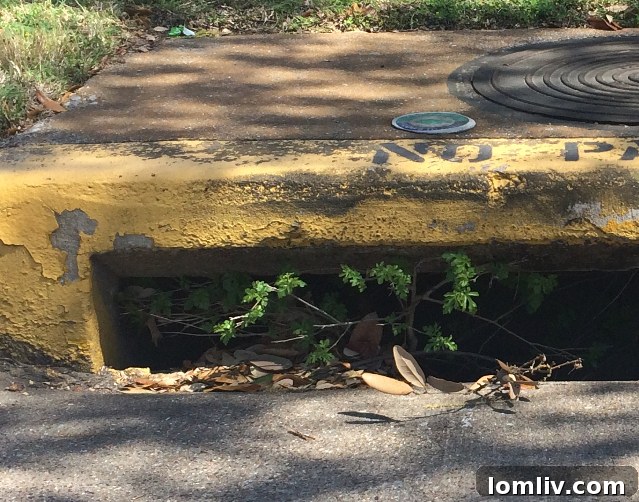
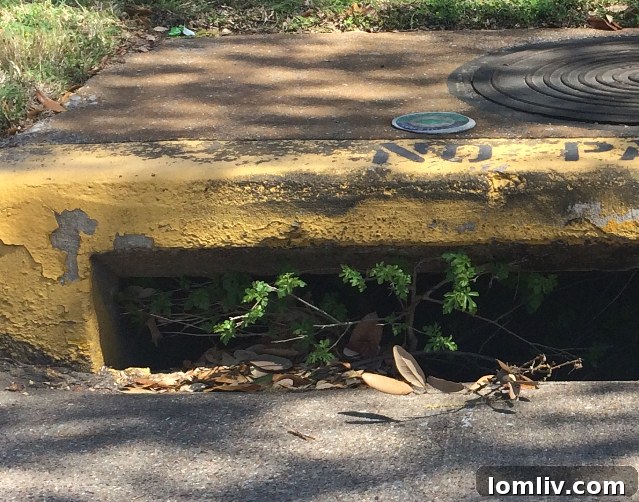
In the constant quest for greener, more aesthetically pleasing urban environments, cities are often celebrated for their initiatives to plant trees and enhance natural spaces. Yet, beneath the very sidewalks and streets we traverse, a silent, relentless battle often unfolds. The very elements that contribute to a city’s charm – its trees – can, under specific circumstances, become a formidable adversary to its critical underground infrastructure. What appears to be a mere sapling defiantly pushing through a sewer grate is, in reality, a potent symbol of an ongoing, often overlooked, urban challenge: the invasion of sewer systems by tree roots.
The image of a robust young tree emerging from a sewer isn’t just a quirky anomaly; it’s a stark reminder of nature’s formidable tenacity and a municipality’s continuous struggle to maintain its vital arteries. While we might initially marvel at the resilience of such “unwanted herbage,” which thrives in the shadows, tirelessly seeking sustenance without rest or remuneration, the reality is far from benign. These root systems, far from being helpful carbon dioxide scrubbers in this context, silently inflict significant damage, impacting water flow, accelerating concrete degradation, and leading to costly repairs. This scenario prompts a crucial question: how do such obvious breaches in infrastructure go unnoticed, and what are the broader implications for urban planning and sustainability?
Nature’s Unseen Engineers: How Tree Roots Infiltrate Sewer Pipes
The journey of a tree root into a sewer pipe begins with an almost imperceptible vulnerability. Tiny tree seeds, dispersed by wind, water, or even animals, often find their way into the smallest cracks in asphalt, concrete, or directly into the micro-fissures of older, less robust sewer pipes and their joints. Once a seed lands in a moist, nutrient-rich environment – precisely what a sewer system provides – it germinates. The initial sprout, driven by an innate biological imperative, extends its root system in search of water, oxygen, and nutrients. The dark, consistently moist environment of a sewer line, often carrying nutrient-rich wastewater, becomes an irresistible magnet for these pioneering roots.
As these fine feeder roots grow, they exploit any existing weakness in the pipe structure. They can penetrate hair-thin cracks in clay, concrete, or even cast-iron pipes. They will force their way through loose pipe joints, especially common in older infrastructure. Once inside, the roots continue to grow, expanding in diameter and forming a dense, fibrous mat. This expansion exerts immense pressure on the pipe walls, turning a minor crack into a significant fracture, dislodging pipe sections, and eventually causing outright pipe collapse. A tree root system, even from a seemingly small 1-inch diameter tree visible on the surface, signifies a far more extensive, subterranean network that has likely been developing for months, if not years, out of sight and out of mind.
The Pervasive Impact: Damage to Urban Infrastructure and Public Health
The consequences of tree root intrusion into sewer systems extend far beyond the mere physical damage to pipes. It represents a multifaceted threat to public health, environmental integrity, and municipal budgets:
- Severe Blockages and Backups: Roots act as natural filters, trapping grease, waste, paper, and other debris flowing through the sewer. Over time, these accumulations form formidable blockages that restrict or completely halt wastewater flow. This often leads to sewage backups into homes and businesses, causing extensive property damage, health hazards, and significant cleanup costs.
- Structural Integrity Compromise: The outward pressure from growing roots can crack, fracture, and even shatter sewer pipes. This damage can range from minor leaks to complete pipe collapse, necessitating costly and disruptive excavation and replacement. Concrete and clay pipes are particularly vulnerable to this type of root-induced stress.
- Environmental Contamination: Compromised pipes leak untreated sewage into the surrounding soil, groundwater, and potentially local waterways. This poses serious environmental risks, leading to soil and water contamination, harming aquatic ecosystems, and threatening public health through exposure to pathogens and pollutants.
- Increased Maintenance Costs: Municipalities must invest heavily in reactive measures such as frequent root cutting, hydro-jetting, and emergency repairs. These recurring costs strain public works budgets that could otherwise be allocated to preventative maintenance or infrastructure upgrades.
- Reduced System Capacity: Even without complete blockages, extensive root growth reduces the effective diameter of sewer pipes, diminishing their capacity to handle peak wastewater flows, especially during heavy rainfall.
The seemingly innocuous “little storm water runoff” these “migrant saplings” ask for becomes a double-edged sword when sewer systems are compromised. Efficient stormwater management relies on unobstructed drainage. When tree roots block combined sewers or dedicated stormwater pipes, they exacerbate urban flooding during heavy rains, causing property damage and further straining emergency services.
The Oversight Enigma: Why Does This Go Unnoticed?
It’s natural to question how a noticeable tree growing from a sewer could go unaddressed for a prolonged period. The observation that countless municipal workers and local residents pass by such a sight daily, yet no one alerts the authorities, points to a confluence of factors common in many urban settings:
- Public Apathy and Desensitization: In bustling urban environments, people are often bombarded with various stimuli. Minor anomalies like a plant in an unexpected place can be overlooked or dismissed as someone else’s responsibility. There’s a tendency to assume that if it’s visible, the “city” must already know.
- Lack of Public Awareness: Many residents may not understand the severe implications of tree roots in sewers. They might view it as harmless, or even a quaint display of nature’s persistence, rather than a significant infrastructure threat. Educational campaigns can bridge this knowledge gap.
- Municipal Resource Constraints: Public works departments often operate with limited budgets and personnel, leading to a reactive approach to maintenance rather than a purely proactive one. Emergency calls and critical failures often take precedence over routine inspections of less obvious issues.
- Focus on Subsurface Inspections: While municipalities do conduct regular CCTV (Closed-Circuit Television) inspections of sewer lines to detect root intrusion and other defects, these are typically scheduled and don’t necessarily capture every new surface manifestation immediately. A visible tree often indicates a problem that has already matured significantly underground.
- Communication Gaps: Even if someone notices, the process of reporting it might be unclear or perceived as cumbersome, leading to inaction.
This “oversight enigma” highlights the critical need for an accessible, efficient public reporting system and a proactive municipal inspection regime. The community’s vigilance, coupled with timely governmental response, forms the first line of defense against escalating infrastructure damage.
Proactive Solutions: Detection, Prevention, and Integrated Urban Planning
Effectively managing the threat of tree root intrusion requires a comprehensive strategy that combines cutting-edge detection with intelligent urban planning and consistent maintenance. Cities are employing various methods to safeguard their sewer systems:
Advanced Detection and Reactive Maintenance
- CCTV Sewer Inspections: Regular, scheduled inspections using robotic cameras provide detailed visual assessments of sewer pipe interiors, identifying root intrusion, cracks, misalignments, and blockages early. This allows for targeted maintenance before failures occur.
- Hydro-jetting and Mechanical Root Cutting: High-pressure water jets are used to scour pipes clean, dislodge debris, and sever minor roots. For more stubborn intrusions, specialized mechanical cutters attached to cleaning equipment physically remove root masses. While effective, these are often temporary solutions as roots tend to regrow.
- Chemical Root Treatment: Environmentally safe herbicides specifically designed for sewer application can be used to inhibit root growth or kill existing roots within pipes. These treatments require careful application to minimize environmental impact.
- Trenchless Rehabilitation: For damaged pipes, trenchless technologies like Cured-In-Place Pipe (CIPP) lining or pipe bursting can repair or replace pipes without extensive excavation, reducing disruption and costs. These methods also create a smooth, joint-free pipe that is highly resistant to future root intrusion.
Sustainable Urban Planning and Preventative Measures
- Strategic Tree Selection: Collaborating with arborists to select tree species with deep, non-aggressive taproot systems, or those with slower-growing roots, for planting near utility corridors is paramount. Avoiding species known for spreading, fibrous root systems near infrastructure is a key preventative step.
- Root Barriers: Installing physical root barriers made of durable materials (e.g., HDPE plastic, geotextile fabric) around new tree plantings or alongside existing utility lines can redirect root growth downwards or away from pipes, preventing lateral spread.
- Modern Pipe Materials and Installation: Utilizing root-resistant pipe materials, such as PVC or ductile iron with watertight, tightly sealed joints, significantly reduces entry points for roots. Proper installation techniques that ensure stable bedding and correct grading also minimize future vulnerability.
- Adequate Setback Distances: Establishing and enforcing clear guidelines for minimum setback distances between tree planting locations and underground utilities is a fundamental preventative measure. This ensures a buffer zone where roots are less likely to pose a threat.
- Tree Maintenance Programs: Regular pruning and health checks of urban trees contribute to their overall vitality, potentially reducing their desperate search for water and nutrients through sewer lines.
The Economics of Foresight: Investing in Resilient Infrastructure
The choice between reactive emergency repairs and proactive preventative maintenance has significant economic ramifications for any city. Neglecting early signs of root intrusion leads to exponentially higher costs down the line. A minor crack and a small root today can translate into a collapsed pipe, extensive property damage from sewage backup, and expensive environmental cleanup tomorrow.
Investing in regular CCTV inspections, strategic tree planting, root barriers, and modern pipe materials might seem like a substantial upfront cost. However, these investments demonstrably lead to long-term savings by preventing catastrophic failures, reducing emergency response demands, and extending the lifespan of critical infrastructure. Consider the cost of replacing a few meters of pipe versus the repair of multiple flooded basements, traffic diversions for weeks, and potential fines for environmental contamination. The economics overwhelmingly favor foresight and consistent investment in resilient urban infrastructure.
Community Engagement: Turning Observers into Protectors
The original text humorously suggested watering the “brave fighter” rather than “snitching.” While the sentiment of appreciating nature’s resilience is understandable, it underscores a critical point: community involvement is indispensable. Residents are the eyes and ears of the city, often the first to notice anomalies that could signal underlying infrastructure problems. Reporting a visible tree growing from a sewer, unusual water pooling, or persistent unpleasant odors near drains isn’t “snitching”; it’s a vital act of civic responsibility that helps prevent larger, more costly, and more disruptive issues for the entire community.
Municipalities should actively foster easy and accessible channels for citizens to report infrastructure observations – through user-friendly mobile apps, dedicated online portals, or clearly advertised phone lines. Public education campaigns can empower residents by explaining the significance of such issues and their role in maintaining a healthy, functional urban environment. By transforming passive observers into active participants, cities can create a powerful network of community protectors for their vital underground systems.
Conclusion: Building Greener, More Resilient Cities
The seemingly innocuous sight of a tree growing out of a sewer is more than just an oddity; it is a potent symbol of the complex interplay between nature and engineered systems in our urban landscapes. It serves as a stark reminder that while greening our cities brings immense benefits, this must be balanced with diligent protection of our unseen, yet utterly essential, underground infrastructure. The consequences of neglecting tree root intrusion range from extensive pipe damage and costly repairs to compromised stormwater management and significant environmental and public health hazards.
For cities like University Park and countless others, the path forward involves embracing vigilance, prioritizing proactive maintenance, and integrating comprehensive urban planning. By consistently investing in advanced detection technologies, implementing smart planting strategies, adopting root-resistant materials, and fostering robust community engagement, we can ensure that our urban environments remain both vibrantly green and structurally sound. This holistic approach will safeguard our vital underground systems, allowing them to function seamlessly and support healthy, resilient, and sustainable cities for generations to come. Let’s make every day a “Happy Monday” by working together to protect our shared urban tapestry, both above and below ground.