Unmasking Deception: My Personal Encounter with a Zillow Real Estate Scam and How to Stay Safe
In today’s fast-paced digital world, online real estate platforms have revolutionized how we buy, sell, and rent properties. They offer unparalleled convenience, allowing millions to browse potential homes from the comfort of their couches. Yet, this very accessibility, coupled with the allure of a “too good to be true” deal, has unfortunately created a fertile ground for sophisticated fraudsters. My own recent experience serves as a stark reminder that vigilance is paramount when navigating the vast digital real estate market, even on reputable sites like Zillow.
The Irresistible Bait: A Dream Home at an Unbelievable Price
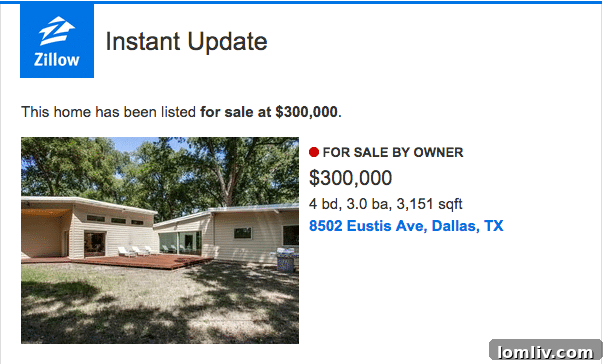
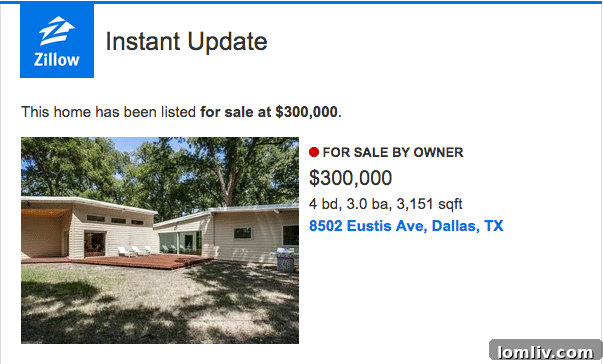
My journey into the murky waters of online real estate scams began, as it often does, with a moment of pure, unadulterated optimism. Browsing Zillow, I stumbled upon what appeared to be an absolutely incredible deal: a stunning four-bedroom, three-bathroom renovated midcentury modern home, listed at an astonishing $300,000. My heart quickened; my mind raced with possibilities. Who wouldn’t be tempted to grab their checkbook and sprint towards such an opportunity? The photos showcased a beautifully updated interior, sleek lines, and a prime location – it was, by all appearances, a gem.
But then, a subtle, uneasy feeling started to creep in. A familiar pang of recognition struck me. This house… it looked incredibly familiar. Hadn’t I seen this property on the market before? And if memory served, it was listed at a price significantly higher, perhaps even more than double the current asking price, just last year. This sudden realization was like a record scratch, halting my hopeful fantasy and replacing it with a growing sense of suspicion. The initial thrill gave way to a chilling question: was this too good to be true?
Unraveling the Deception: My Investigation into a Bogus Listing
That gnawing feeling compelled me to dig deeper. My journalistic instincts kicked in, and what followed was a mini-investigation that quickly exposed the listing as a complete fabrication – a sophisticated real estate scam designed to ensnare unsuspecting buyers. The first critical step was to verify the actual ownership and status of the property. I managed to track down the phone number of the true homeowner of the residence located at 8502 Eustis Ave, Dallas, TX 75218. The subsequent phone call was, as expected, rather awkward. When I inquired about his house being for sale, the homeowner was genuinely surprised, even confused. He unequivocally confirmed that his property was absolutely not on the market and that he had no idea anyone was attempting to sell it on Zillow.
This revelation immediately highlighted a critical vulnerability: the listing was advertised as “for sale by owner” (FSBO). Unlike traditional listings handled by licensed real estate agents, FSBO properties bypass a crucial layer of professional vetting and due diligence. There was no Realtor to follow up with directly, meaning the listing’s authenticity primarily had to pass muster with Zillow’s internal review processes alone. What’s even more perplexing and concerning is that Zillow’s own public records clearly indicated that the property had already been sold on October 8, 2014, for a substantial $685,000 – a stark contrast to the $300,000 advertised by the fraudulent seller. This discrepancy alone should have been a major red flag, yet the listing remained active.
Engaging with Real Estate Professionals
To further understand the mechanics of this scam and to see how far the deception could go, I decided to contact the supposed seller through Zillow’s agent contact form. To my surprise, I was connected with Shaun Walding, a legitimate RE/MAX Realtor. Mr. Walding was incredibly kind, apologetic for the situation, and promised to follow up on the suspicious listing. His professional response provided a glimmer of legitimate real estate insight into the situation.
In an update following his investigation, Walding confirmed my suspicions. He drove by the property and found absolutely no “For Sale” sign in the yard, nor any other indication that the home was on the market. He also shared valuable context, noting that similar scams are often perpetrated on platforms like Craigslist, where fraudsters post pictures of already occupied properties, claiming they are for lease. They then disappear with the collected deposit and first month’s rent, leaving hopeful tenants stranded and out of pocket. While rental scams are unfortunately common, Walding stated that a “for sale by owner” scam of this nature on Zillow was a first for him, underscoring the evolving nature of online fraud.
Eventually, the bogus listing for 8502 Eustis Ave was taken down. However, I never received any official communication from Zillow or the actual homeowner regarding the resolution. This left me wondering about the broader implications: would Zillow take decisive action against the fraudulent seller? Would they report the incident to law enforcement? These questions highlight the larger challenge of accountability in the digital real estate marketplace.
Beyond a Single Incident: Understanding the Landscape of Online Real Estate Scams
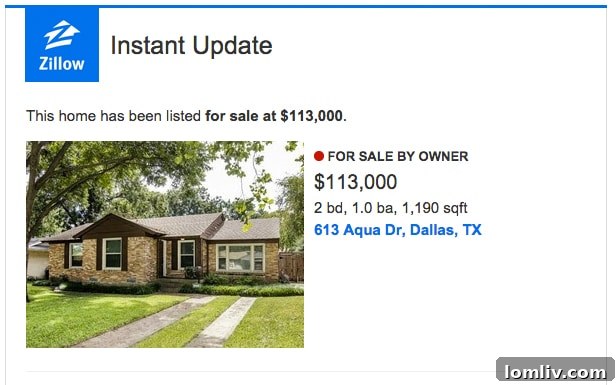
My experience was not an isolated incident. In fact, on the very same day, I received another notification about a similarly suspicious FSBO listing: 613 Aqua Dr. was advertised on Zillow for $113,000, despite having been sold in October of the previous year for a significantly higher price of $195,000. This pattern of drastically underpriced properties with conflicting sales histories clearly indicates a systemic issue and underscores the need for extreme caution among prospective buyers.
Real estate scams come in various forms, and while my incident focused on a fake “for sale” listing, it’s crucial for consumers to be aware of the broader spectrum of online fraud:
- Fake Listings (Sales): Like my experience, these involve advertising properties that are not genuinely for sale or are owned by the scammer. The goal might be to collect personal information (identity theft), collect a “viewing fee,” or even to convince buyers to wire a “deposit” for a property they will never acquire.
- Rental Scams: This is arguably the most common type. Scammers post attractive rental properties (often with stolen photos) at below-market rates. They pressure prospective tenants for upfront payments (deposits, first month’s rent) before they can view or move into the property, then disappear with the money.
- Wire Transfer Fraud: Often targeting buyers during the closing process, scammers impersonate real estate agents, title companies, or attorneys and send fraudulent wiring instructions to buyers, diverting large sums of money into their own accounts.
- Foreclosure Relief Scams: Targeting distressed homeowners, these scams promise to save homes from foreclosure for an upfront fee but provide no actual service.
- Title Fraud: In rarer but highly damaging cases, fraudsters may attempt to forge documents to transfer ownership of a property, often targeting vacant homes or properties owned by elderly individuals.
The internet provides a veil of anonymity, making it easier for fraudsters to operate and harder for victims to seek recourse. The emotional intensity of buying a home can also cloud judgment, making individuals more susceptible to seemingly urgent, attractive offers.
Safeguarding Your Investment: How to Spot and Avoid Real Estate Scams
In an increasingly digital world, exercising extreme caution and due diligence is your best defense against online real estate fraud. Here are critical steps to protect yourself, whether you’re a buyer, renter, or homeowner:
For Buyers and Renters:
- Scrutinize “Too Good to Be True” Deals: If a property is significantly underpriced compared to similar homes in the area, consider it a major red flag. Always research comparable sales.
- Verify the Listing Agent/Owner: For traditional listings, ensure the agent is licensed and affiliated with a legitimate brokerage. For FSBO listings, independently verify the owner’s identity and property ownership through public records (county assessor’s office, property tax records) before engaging in any financial transactions.
- Insist on In-Person Viewings: Never agree to send money or sign documents for a property you haven’t seen in person or had a trusted representative inspect. Be wary of excuses for not being able to show the property immediately.
- Beware of Pressure Tactics: Scammers often try to rush you into making decisions or sending money, claiming other interested parties are waiting. Take your time, conduct your research, and don’t succumb to urgency.
- Question Unusual Payment Methods: Legitimate real estate transactions rarely involve gift cards, cryptocurrency, or direct wire transfers to personal accounts. Always use secure, traceable payment methods, and verify all wiring instructions directly with your title company or attorney via a confirmed phone number (not one provided in an email).
- Look for Discrepancies: Compare details in the listing (address, number of rooms, features) with public records and previous sales history. Inconsistencies are tell-tale signs of fraud.
- Trust Your Gut: If something feels off, it probably is. Don’t let excitement override your common sense.
For Homeowners:
- Regularly Monitor Your Property: Periodically search for your address on major real estate platforms (Zillow, Realtor.com, Trulia, etc.) to ensure your property isn’t being fraudulently listed for sale or rent.
- Set Up Alerts: Consider setting up Google Alerts for your property address to be notified if it appears in new online content.
- Be Cautious with Personal Information: Protect your personal and financial data online. Identity theft can lead to more severe real estate fraud.
- Work with Reputable Professionals: If you are genuinely selling or renting your property, engage with licensed real estate agents and established legal professionals.
The Role of Platforms and Law Enforcement
My lingering questions about Zillow’s response highlight the broader challenge faced by online platforms. While these companies strive to implement security measures and moderate listings, the sheer volume of daily new posts makes it an ongoing battle against increasingly sophisticated fraudsters. Platforms have a responsibility to continually enhance their fraud detection algorithms, improve their verification processes, and respond swiftly to reports of suspicious activity. However, users must also play their part by reporting scams immediately.
When a scam involves financial loss or potential identity theft, reporting to law enforcement is crucial. This includes local police departments, as well as federal agencies like the FBI’s Internet Crime Complaint Center (IC3). While recovering funds or identifying scammers can be difficult, reporting contributes to intelligence gathering that can prevent future incidents.
Conclusion: Vigilance is Your Ultimate Safeguard
My encounter with a fake Zillow listing was a valuable, albeit unsettling, lesson. It underscored that while the digital age has made real estate more accessible, it has also introduced new avenues for deception. The allure of a perfect deal, combined with the anonymity of the internet, creates a potent environment for fraudsters. The two distinct bogus FSBO listings I encountered within a short period serve as a powerful reminder that such scams are not isolated incidents but rather a persistent threat.
Therefore, I urge everyone navigating the real estate market online to remain critically aware. Cultivate a healthy skepticism, especially when faced with offers that seem too good to be true. Empower yourself with knowledge, conduct thorough due diligence, and never hesitate to verify information independently. Your ultimate safeguard in the dynamic world of online real estate is constant vigilance. Have you ever encountered a bogus listing on Zillow or any other online real estate platform? Share your experiences and contribute to a safer online community.