Every week, the meticulous professionals at Green Scene Home Inspections provide Daltxrealestate.com readers with invaluable insights into the world of home inspections. For those curious to understand what a trained eye truly observes, be sure to follow our series, “Upon Closer Inspection.”
Uncovering Hidden Worlds: The Home Inspector's Encounters with Pests
As dedicated home inspectors, our work often takes us into the deepest, darkest, and most often overlooked corners of a property. Whether we're navigating cramped crawl spaces beneath foundations, venturing into dusty attics, or scrutinizing the intricate nooks and crannies within a house, it's almost a guarantee that we’ll encounter a diverse array of insects and other pests. These encounters are not mere coincidences; they are crucial indicators of a home's overall health and potential underlying issues that could impact its structural integrity or the well-being of its occupants.
While many home inspectors are qualified to perform Wood Destroying Insect (WDI) Inspections, it's important to clarify our role. We are not pest control experts; rather, we are trained to identify the tell-tale signs of current or previous pest infestations. Our mission is to meticulously examine a property for any evidence of pest activity – from droppings and nests to damaged wood or active colonies. When such signs are discovered, our primary responsibility is to inform you, the homeowner or prospective buyer, that further evaluation and potential treatment by a qualified pest control professional are highly recommended. This distinction is vital: an inspection identifies the problem, while pest control resolves it.
More Than Just a Nuisance: The Dangers of Unaddressed Pests
Pests are more than just an inconvenience; they can pose significant threats to a home’s structural integrity, property value, and even the health of its residents. From the relentless chewing of termites to the venomous bite of a spider, understanding the risks associated with common household pests is paramount for any homeowner. Our job is to be the first line of defense, shining a light on these hidden dangers before they escalate into costly and complicated problems.
Ants, Ants Everywhere: A Clear Sign of Trouble
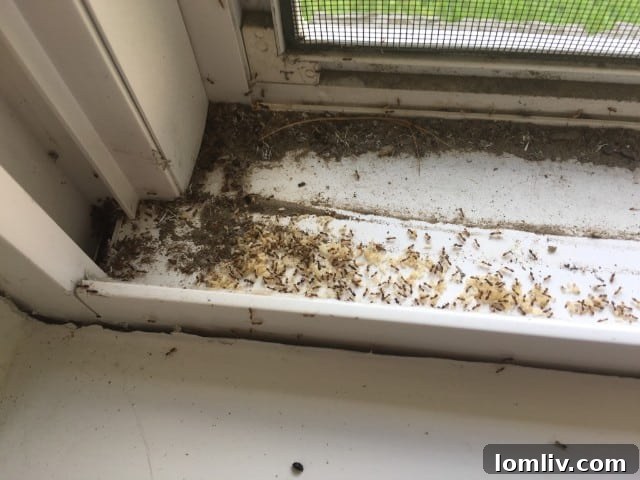
Sometimes, detecting a pest infestation doesn't require the seasoned eye of a home inspector. The image above, showing a significant ant infestation on a windowsill, serves as a glaring example. This particular house was listed for sale, raising a critical question: wouldn't the sellers want to address such an obvious issue before prospective buyers tour the property? Visible signs of active infestations, even something as common as ants, are significant red flags. They suggest a larger colony is present, likely within the walls, foundation, or other hidden areas of the home. For a buyer, this immediately translates to potential pest control expenses and concerns about the home's maintenance history. Ants, while often perceived as merely annoying, can indicate deeper problems, especially when their numbers are substantial. They can contaminate food, spread bacteria, and in the case of carpenter ants, even cause structural damage.
A home inspector observing such an infestation would note the location and extent, recommending a professional pest control assessment. It’s not just about sweeping away the visible evidence; it’s about eradicating the source and preventing future incursions. Ignoring such clear signals can lead to recurring problems and diminish a home's appeal and value.
Encountering the Eight-Legged Assassin: The Black Widow
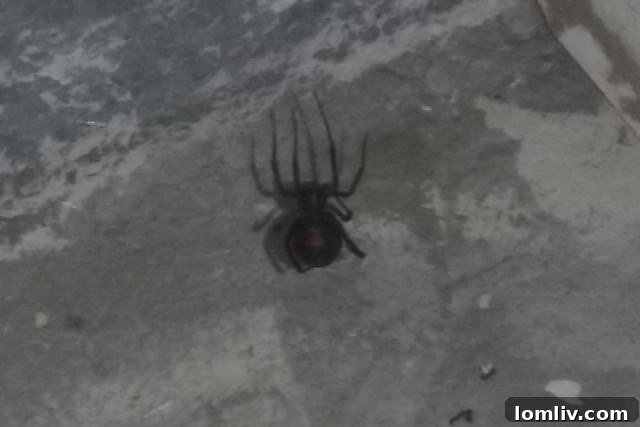
Indeed, that is unmistakably a black widow spider. These notorious arachnids are easily recognized by the distinctive red hourglass marking on their glossy black abdomen. Encountering one of these ladies can certainly send shivers down anyone's spine, and your reaction—whether it's a calm retreat or a decisive "smash"—often depends on your personal level of arachnophobia. However, regardless of your immediate response, discovering a black widow spider during a home inspection is always a significant finding that warrants attention.
Black widows are typically reclusive, preferring to lurk in dark, undisturbed areas. Common habitats include piles of wood or boxes, under eaves, in crawl spaces, basements, or cluttered garages. Since home inspectors are in the business of thoroughly disturbing these often-neglected areas, we frequently encounter them. It is crucial to remember that black widow spiders are venomous, and their bite can be quite severe, potentially causing muscle pain, nausea, abdominal cramps, and other systemic effects. While rarely fatal for healthy adults, their bites can be particularly dangerous for children, the elderly, or those with compromised immune systems.
Upon finding a black widow, an inspector will not only document its presence but also recommend vigilance and potentially professional pest removal. Homeowners should take precautions by wearing gloves when working in areas where spiders might hide and ensuring storage areas are kept clean and organized. For more comprehensive information on black widows, particularly their presence in North Texas, you can consult resources like the Texas Department of State Health Services. Learning about their habits and recognizing their appearance is the first step in ensuring your home remains a safe environment.
Understanding their favored environments helps homeowners take preventative measures. Regular decluttering, sealing cracks and openings, and eliminating other insects that serve as their food source can help deter black widows. An inspector's report detailing such a sighting is a powerful reminder that vigilance is key to pest management and safety.
The Silent Destroyers: Wood Destroying Insects
If general creepy-crawlies don't fully get to you, the thought of wood-destroying insects silently undermining your home's structure certainly will. Termites are perhaps the most infamous type of Wood Destroying Insect (WDI) we encounter, but they are far from the only threat in North Texas. Carpenter Ants are another very common WDI, and while their method of destruction differs from termites, their impact can be equally significant and costly if left unaddressed.
Carpenter Ants vs. Termites: Understanding the Difference
Unlike termites, which actually eat wood, carpenter ants excavate and tunnel through wood to create nests. They chew through softened or damp wood, forming smooth, clean galleries for their colonies. While they don't consume the wood for nutrition, their continuous tunneling can severely compromise the structural integrity of wooden beams, supports, and other components of a home. This can lead to weakened structures, sagging floors, and extensive damage over time. These little guys aren't as fast or universally destructive as termites, but they can be incredibly annoying, notoriously hard to get rid of without professional intervention, and they do bite, though not venomously.
Signs of carpenter ant infestation often include seeing large ants (typically black, red, or a combination) in your home, especially at night. You might also find small piles of sawdust-like material (frass) expelled from their tunnels, which can contain bits of insect body parts. A home inspector actively searches for these subtle but critical indicators, often tapping on wood surfaces to listen for hollow sounds that signify internal damage. For more detailed information on Carpenter Ants and their prevalence in North Texas, resources from Texas A&M AgriLife Extension provide excellent insights.
The video above showcases a swarm of carpenter ants, a phenomenon often observed when a mature colony is sending out reproductive members to establish new nests. This is a clear sign of an established, significant infestation within or very near the home, and it demands immediate attention from pest control professionals. An inspector identifying such activity provides invaluable information to a buyer or seller.
Proactive Pest Management: Protecting Your Investment
When you're in the process of buying a home, knowing its history with insect infestations is critical. A thorough home inspection, particularly one that includes a WDI inspection, provides essential peace of mind. It allows you to enter a real estate transaction fully aware of any existing pest issues, enabling you to negotiate repairs or treatments, or simply factor them into your decision-making process.
As a homeowner, vigilance is your best defense against pests. Scheduling regular pest control visits is not an extravagance; it's a vital part of home maintenance. Proactive treatments can catch incipient infestations before they spiral out of control, saving you significant costs and stress in the long run. Beyond professional services, simple preventative measures can go a long way:
- Seal Entry Points: Caulk cracks in foundations, seal gaps around pipes, and repair damaged screens to block pest access.
- Manage Moisture: Repair leaky faucets, ensure proper drainage around the foundation, and maintain good ventilation in attics and crawl spaces. Many pests, especially carpenter ants and termites, are attracted to damp wood.
- Maintain Landscaping: Keep shrubs and trees trimmed away from the house, store firewood far from the foundation, and remove leaf litter and other organic debris that can harbor pests.
- Regular Cleaning: Keep kitchens clean, store food in airtight containers, and regularly declutter basements, attics, and garages.
From the persistent trails of ants and the hidden damage caused by termites or carpenter ants to the unsettling presence of venomous spiders like the black widow, there are countless pests eager to build their homes in and around yours. A comprehensive home inspection provides the initial critical assessment, while ongoing homeowner diligence and professional pest control ensure your property remains safe, sound, and pest-free. Protecting your home from these unseen invaders is an ongoing commitment, but with the right knowledge and resources, it's a manageable one.