Revitalizing Turtle Creek: A Major Investment in Dallas’s Historic Pedestrian Bridges
Turtle Creek, a prestigious Dallas neighborhood nestled between the vibrant districts of Oak Lawn and Uptown, is renowned for its opulent apartment buildings and the iconic Rosewood Mansion. This picturesque area, characterized by its lush greenery and tranquil waterways, is now the focus of a significant restoration initiative. A substantial project is underway to breathe new life into its aging pedestrian bridges, aiming to enhance both their structural integrity and aesthetic appeal for residents and visitors alike.
A Collaborative Vision for Enhanced Walkability
The city of Dallas, in a powerful display of public-private partnership, is collaborating with two pivotal local organizations: the Turtle Creek Association (TCA) and the Turtle Creek Conservancy (TCC). Together, they are investing approximately half a million dollars to restore the historic bridges that span the scenic Turtle Creek corridor. This collaborative effort underscores a shared commitment to improving the urban landscape, making the area more welcoming, accessible, and enjoyable for pedestrians. Such partnerships are crucial in developing sustainable urban infrastructure that serves the community’s needs while preserving its unique charm.
The strategic importance of this project cannot be overstated. By joining forces, the City of Dallas, the TCA, and the TCC are not merely repairing infrastructure; they are investing in the very fabric of the Turtle Creek community. The funding will cover essential repairs, aesthetic enhancements, and the implementation of durable, sustainable materials designed to withstand the test of time. This initiative highlights a forward-thinking approach to urban planning, recognizing that well-maintained public spaces are vital for a thriving metropolitan area. The restoration will solidify Turtle Creek’s reputation as a prime example of luxurious urban living seamlessly integrated with natural beauty and historical reverence.
Catalyst for Growth: Supporting Dallas’s Development Boom
This restoration initiative arrives at a time when the Turtle Creek area is experiencing an unprecedented surge in development. Currently, commercial and residential real estate projects totaling an estimated $2 billion are in progress, transforming the skyline and attracting significant investment. Among these high-profile developments is a new Four Seasons Hotel & Residences, a monumental project with an anticipated price tag of about $475 million. According to a state report, this luxury establishment is slated to open its doors in October 2027. The bridge restoration project is intrinsically linked to this growth, as improved pedestrian infrastructure is essential for supporting increased foot traffic, enhancing property values, and contributing to the overall appeal of a rapidly developing, high-end district like Turtle Creek.
The influx of nearly $2 billion in development projects, including the prestigious Four Seasons, underscores Dallas’s robust economic health and its appeal as a destination for luxury living and sophisticated commerce. The pedestrian bridge restoration is not an isolated effort but a complementary component that ensures the foundational infrastructure matches the caliber of new developments. By enhancing walkability and aesthetic coherence, these restored bridges will provide a seamless experience for residents and guests navigating between their upscale residences, fine dining establishments, retail outlets, and natural green spaces. This symbiotic relationship between infrastructure investment and private development creates a positive feedback loop, further cementing Turtle Creek’s status as one of Dallas’s most desirable and dynamic neighborhoods.
Project Scope and Meticulous Timing
The restoration work is specifically targeted at eight historic bridges within the Turtle Creek corridor. Construction is carefully scheduled to commence in the third quarter of 2025. This precise timing is crucial, as it strategically avoids the colder weather months that could impede the proper application of protective paints and coatings, ensuring the longevity and quality of the restoration. J.D. Trueblood, president and CEO of the Turtle Creek Association, emphasizes that due to the nature of ongoing maintenance tasks inherent in preserving historic infrastructure, the project does not have a set finish date. This long-term commitment reflects a dedication to continuous upkeep, ensuring that these vital pedestrian links remain pristine for future generations. Ultimately, the restoration aims to significantly enhance the appeal and sophistication of this picturesque route, directly supporting the substantial real estate investments being poured into the area.
The selection of eight specific bridges for immediate restoration highlights a focused approach to preserving key historical assets while modernizing them for contemporary use. This phased strategy allows for thorough planning and execution, minimizing disruption while maximizing impact. The continuous maintenance philosophy articulated by the TCA underscores a proactive approach to preservation, moving beyond simple repair to embrace a holistic stewardship of these historical structures. This commitment not only protects the structural integrity of the bridges but also safeguards their cultural significance and aesthetic contribution to the Turtle Creek landscape. The investment in these bridges is a clear signal that Dallas prioritizes both its heritage and its future, creating a walkable, beautiful environment that complements the high-value real estate surrounding it.
Connecting Communities: Bridges to Nature and Recreation
Initial construction efforts on the Turtle Creek Park bridges are anticipated to begin in the fall, specifically focusing on the bridges located at Lemmon Avenue and Hall Street. These particular bridges are expected to attract significant pedestrian traffic, serving as crucial arteries for residents and visitors. They provide convenient and safe access to the nearby Katy Trail, an immensely popular linear park that draws over a million visitors annually. The restoration will make these connections even more inviting and safer, encouraging greater use of both the trail and the surrounding green spaces.
The Katy Trail is not just a path; it’s a vibrant hub for recreation, health, and community interaction in Dallas. Its popularity stems from its extensive reach, connecting various neighborhoods and offering a unique urban escape for walking, jogging, cycling, and socializing. The Turtle Creek bridges, particularly those at Lemmon Avenue and Hall Street, are vital conduits to this beloved amenity. By enhancing these access points, the restoration project directly supports a healthier, more active lifestyle for Dallasites. Improved bridge infrastructure means better safety features, enhanced lighting, and smoother pathways, which collectively encourage more people to step outside and utilize the incredible recreational opportunities available on the Katy Trail and within Turtle Creek Park. This focus on connectivity underscores a broader city vision to create integrated urban spaces where natural beauty and outdoor activity are easily accessible.
A Unified Effort for a Cohesive Urban Fabric
This comprehensive restoration project is a testament to inter-departmental collaboration, involving key municipal entities: the Department of Transportation, Parks and Recreation, and Dallas Water Utilities. The overarching goal of this unified effort is to establish a seamless visual transition. Imagine moving from the bustling cityscape of downtown Dallas into the serene natural environment and sophisticated architectural grandeur of Turtle Creek. This seamless integration is not just about aesthetics; it’s about creating a cohesive urban experience that enhances the area’s attractiveness. This enhanced appeal, in turn, plays a significant role in continuing to draw nearly $2 billion in development projects to the area, reinforcing its status as a prime location for investment and upscale living.
The involvement of multiple city departments highlights the project’s complexity and its broad impact on urban life. The Department of Transportation ensures structural integrity and pedestrian safety, Parks and Recreation focuses on integrating the bridges with the surrounding green spaces, and Dallas Water Utilities addresses any potential impact on the waterway itself, ensuring environmental protection. This multi-faceted approach ensures that every aspect of the restoration is meticulously planned and executed. The “seamless visual transition” concept is more than just a design principle; it’s about fostering a sense of continuity and harmony within the urban environment. It means that as one travels through Dallas, the transition from high-rise modernity to tranquil parklands feels natural and intentional, enhancing the overall sensory experience and contributing to the city’s unique identity. Such thoughtful urban planning is a cornerstone for sustainable growth and community well-being.
Preserving History, Building for the Future
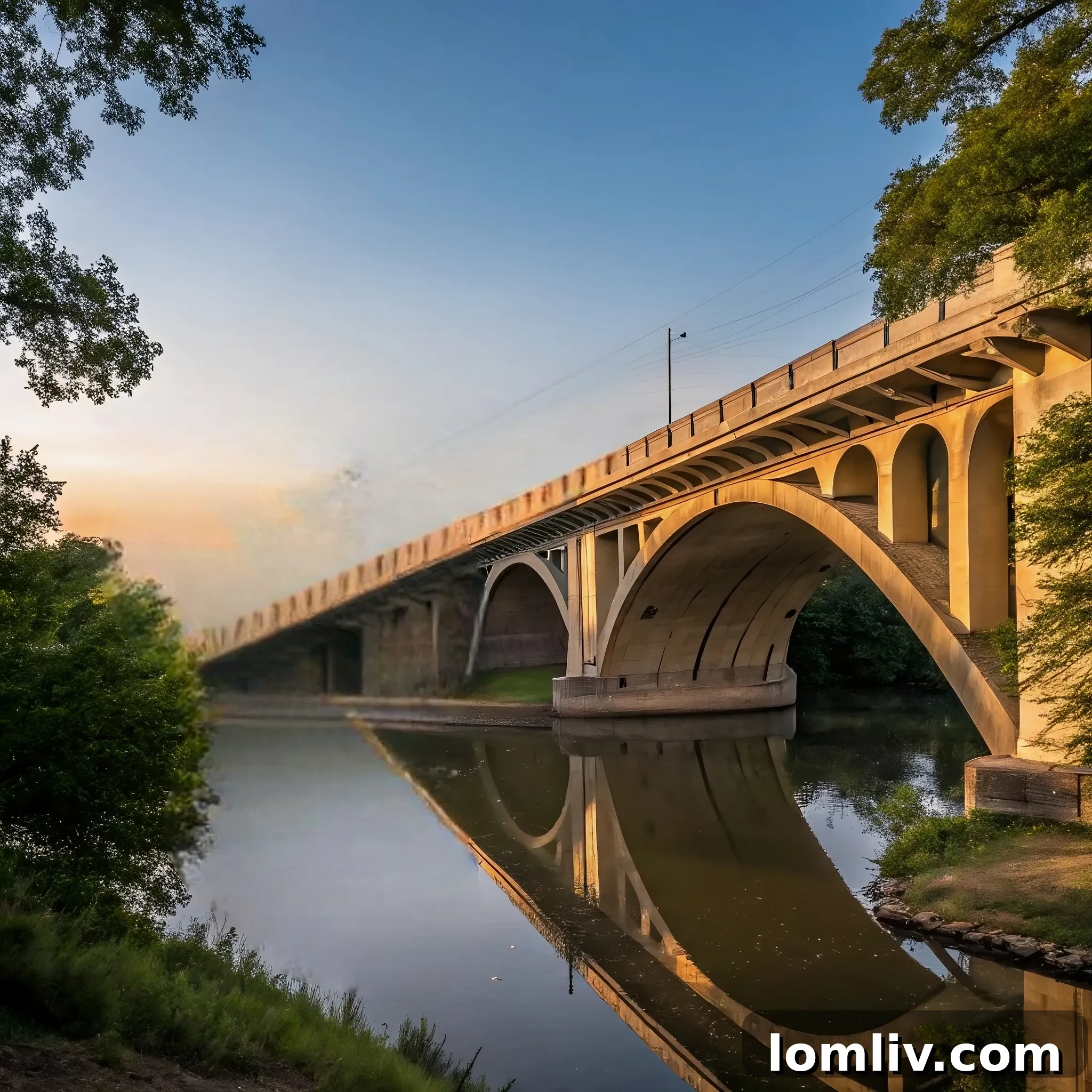
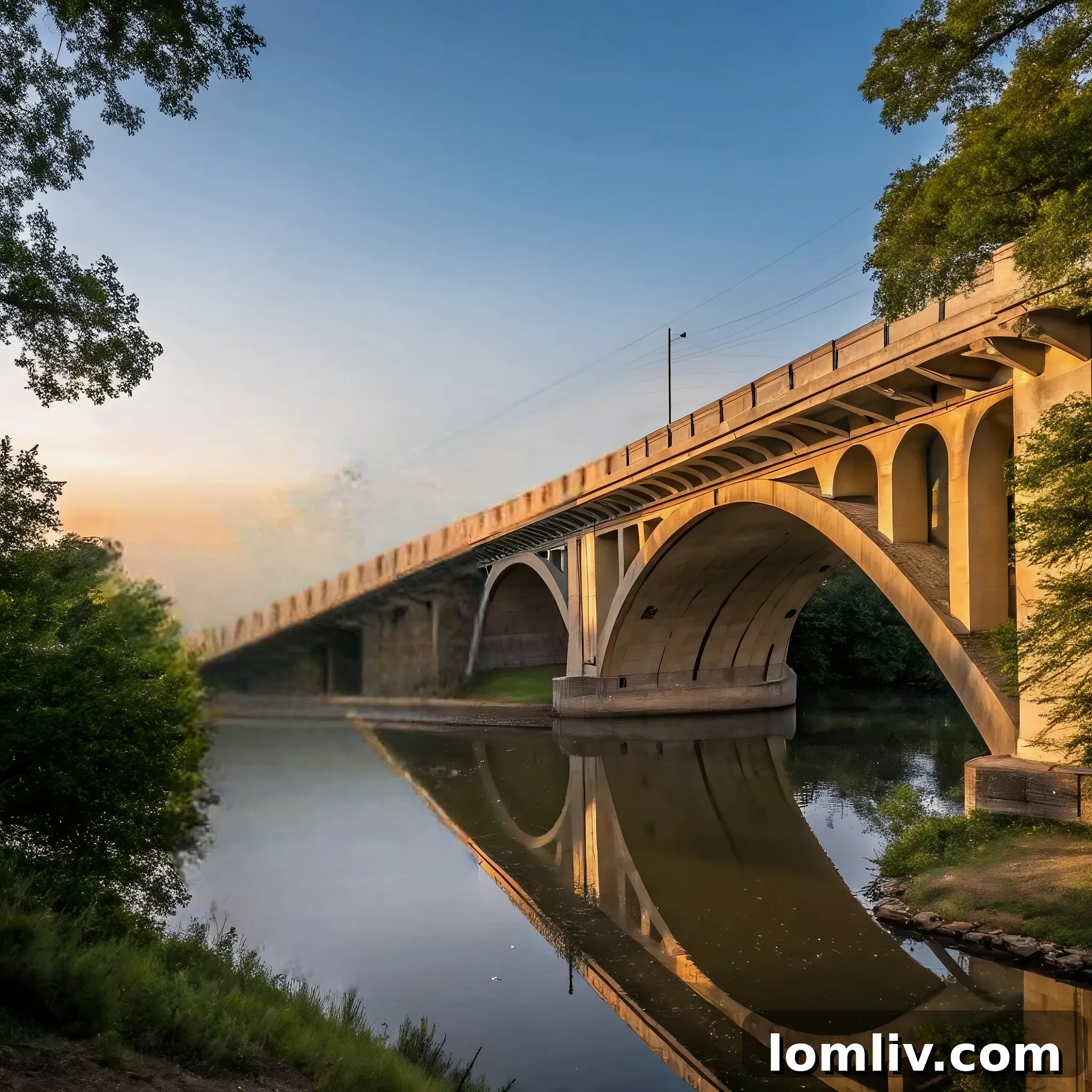
Many of the bridges targeted for restoration in Turtle Creek boast a rich history, with several being over a century old. This venerable age, while lending character, has also resulted in visible wear and tear, including structural degradation and the presence of graffiti. The necessity for renewal is thus paramount. The restoration will extend beyond structural fixes to include revitalizing the surrounding areas, meticulously repainting historical elements, and replacing outdated lanterns with modern, energy-efficient alternatives that complement the historic aesthetic. A key commitment of this project is the use of sustainable materials that blend harmoniously with the natural environment, ensuring that the bridge restoration is built to last. This foresight means that, once renovated, these bridges will require minimal upkeep, representing a smart, long-term investment in Dallas’s infrastructure.
The emphasis on both historical preservation and modern sustainability is a delicate balance, but one that is crucial for a project of this magnitude. Restoring these century-old structures means not just repairing damage but also employing techniques and materials that respect their original design while bringing them up to contemporary standards of durability and safety. This involves careful material selection—for example, choosing paints that are weather-resistant and eco-friendly, or using robust, locally sourced materials where appropriate. The replacement of old lanterns with new, historically appropriate yet energy-efficient lighting not only enhances nighttime safety and aesthetics but also reduces the project’s environmental footprint. By committing to minimal future upkeep, the city is ensuring that the initial investment provides lasting value, preventing the need for costly extensive repairs down the line and allowing funds to be directed to other critical urban development projects.
A Broader Vision for a Walkable Dallas
This ambitious initiative to enhance the Turtle Creek bridges is part of a larger, more comprehensive vision championed by city officials: transforming Dallas into a more pedestrian-friendly metropolis. The project strategically begins with smaller neighborhoods like Turtle Creek, which possess the most significant potential for increased walkability. By demonstrating success in these areas, the city aims to create a blueprint for broader urban transformation. The ultimate goal is to transform these historic bridges from mere crossings into vibrant, interconnected landmarks that not only facilitate movement but also enhance the cultural and aesthetic identity of Dallas. They will serve as symbols of connectivity, sustainability, and a community dedicated to a higher quality of urban life.
The strategic choice to begin with neighborhoods like Turtle Creek, with their inherent walkability and high resident engagement, ensures visible and immediate positive impacts. These successes can then inspire and inform similar projects across the city, fostering a culture of pedestrian-first urban planning. A pedestrian-friendly Dallas means reduced reliance on vehicles, cleaner air, increased opportunities for social interaction, and a healthier population. The bridges, once fully restored, will transcend their functional role. They will become destinations in themselves, inviting people to linger, to appreciate the surrounding beauty, and to connect with their environment on a deeper level. By creating such vibrant landmarks, Dallas is not just investing in infrastructure; it’s investing in its identity, its future, and the well-being of its citizens, solidifying its place as a truly modern, livable, and sustainable city.