

The dynamic landscape of Texas real estate is constantly evolving, with significant developments impacting professionals, homebuyers, and the state’s economy. This week, we delve into a pivotal leadership transition within the Texas Real Estate Commission (TREC) and the Texas Appraiser Licensing and Certification Board (TALCB), examine the latest trends in statewide and North Texas home sales, and uncover compelling insights into how different generations are navigating the challenging journey of saving for a home down payment. From critical regulatory oversight to market fluctuations and consumer behavior, these stories paint a comprehensive picture of the current state of real estate in the Lone Star State.
As a cornerstone of consumer protection and professional standards, the Texas Real Estate Commission plays an indispensable role in maintaining the integrity and stability of the state’s vibrant real estate market. The upcoming retirement of a long-serving executive director signals a new chapter for the agency, demanding a leader with vision, experience, and a deep understanding of the industry’s complex regulatory framework. Simultaneously, economic indicators suggest a nuanced picture for home sales, with broader state trends diverging somewhat from regional performance, necessitating a closer look at local market dynamics. Finally, the strategies employed by prospective homeowners, particularly millennials, to overcome financial hurdles in achieving homeownership provide valuable insights into generational economic realities and the evolving challenges of affordability.
TREC Embarks on Search for New Executive Director

A significant leadership change is on the horizon for the Texas Real Estate Commission (TREC) and the Texas Appraiser Licensing and Certification Board (TALCB). After a distinguished career, longtime executive director Douglas Oldmixon is set to retire in March 2020, prompting a comprehensive search for his successor. This pivotal role is not merely an administrative position but a dual leadership responsibility, as the TREC executive director simultaneously serves as the commissioner for the Texas Appraiser Licensing and Certification Board.
The individual stepping into these shoes will inherit a broad mandate, directly influencing the organizational culture and the efficient, day-to-day operations of both agencies. According to TREC, the executive director is tasked with critical responsibilities that underpin the integrity and effectiveness of real estate regulation across Texas. These include the meticulous management of staff and agency resources, ensuring that the dedicated teams are well-supported and equipped to serve the public. Furthermore, the role involves overseeing the annual budget, a crucial duty that demands fiscal prudence and strategic allocation of funds to maximize impact and maintain accountability to Texas taxpayers.
Beyond operational management, a core responsibility of the new executive director will be to develop and implement a forward-thinking strategic plan. This vital endeavor requires close collaboration with TREC and TALCB policymakers, who are appointed by the Governor, ensuring that the agencies’ long-term vision aligns with state objectives and stakeholder needs. The strategic plan guides the agencies in anticipating future challenges, adapting to market changes, and continuously enhancing their services to both professionals and consumers.
TREC and TALCB provide comprehensive oversight for a wide array of critical services within the Texas real estate ecosystem. This includes regulating real estate brokers, ensuring that professionals adhere to ethical standards and state laws. They also oversee property appraisals, a vital function that guarantees fair and accurate property valuations, crucial for both buyers and sellers. Property inspections, home warranties, and various other aspects of real estate transactions also fall under their purview, ensuring a robust framework of consumer protection. Crucially, these agencies are responsible for professional licensing, developing and enforcing robust education requirements for real estate agents and appraisers, and conducting thorough complaint investigations to address grievances and uphold accountability. This multifaceted role underscores the profound impact the new executive director will have on safeguarding the interests of millions of Texans involved in real estate transactions, fostering public trust, and promoting a healthy, competitive market.
Prospective candidates for this impactful position are expected to possess a deep understanding of regulatory frameworks, strong leadership acumen, and a commitment to public service. The search process will undoubtedly be rigorous, aiming to identify a leader capable of navigating the complexities of Texas real estate and appraisal licensing for years to come. For those interested in learning more about the specific qualifications and application process for this significant executive director position, further details are available via the official TREC portal, offering a deeper dive into the expectations and challenges of this critical state leadership role. Click here to find out more about the executive director position.
Mixed Signals in North Texas Closings as State Home Sales Trend Upward
The Texas housing market is exhibiting a fascinating dichotomy, with statewide sales experiencing an encouraging resurgence, while specific regional markets, like North Texas, present a more complex and varied picture. Following a period of second-quarter declines across the state, overall housing sales are now trending upwards once again. This positive shift is largely attributable to the influence of lower interest rates, which have provided a welcome boost to buyer affordability and market confidence. In tandem with this trend, mortgage applications for both home purchases and refinancing have continued their ascent, signaling renewed activity and a willingness among consumers to engage with the housing market.
However, when narrowing the focus to North Texas, the narrative becomes more nuanced. At the closing table, the region has experienced what many are describing as a “mixed bag,” indicating that not all sub-markets or property types are performing uniformly. While some areas within North Texas may be witnessing robust activity and appreciating values, others could be experiencing slower sales, increased inventory, or more moderate price growth. This regional variance often reflects localized economic conditions, specific supply-demand dynamics, and varying levels of new construction that differentiate communities even within the same metropolitan area.
Despite these regional differences, certain underlying market conditions remain consistent. Supply continues to be a critical factor across the state. While described as stable, the current inventory levels remain notably far below the six months generally accepted as the benchmark for a balanced market. A balanced market implies an equal footing for buyers and sellers, allowing for reasonable negotiation and less upward pressure on prices. The persistent low supply signals a seller’s market, where properties often sell quickly and competition among buyers can be intense. This sustained imbalance contributes to continued home price appreciation, a trend that has been observed consistently. However, the rate of appreciation has begun to slow, suggesting a slight moderation in the market’s previous rapid growth. Despite this deceleration, home prices continue to outpace wage growth, a significant challenge for many prospective homebuyers, particularly first-time purchasers struggling to save for a down payment amid rising living costs. This widening gap between housing costs and income levels underscores the ongoing affordability crisis affecting many communities.
The interplay of interest rates, supply constraints, and wage stagnation creates a complex environment for the Texas real estate market. While lower interest rates offer a glimmer of hope by reducing the cost of borrowing, the fundamental issue of limited inventory continues to drive up overall purchase prices. This situation requires careful monitoring from policymakers, developers, and consumers alike to ensure the long-term health and accessibility of homeownership across the state.
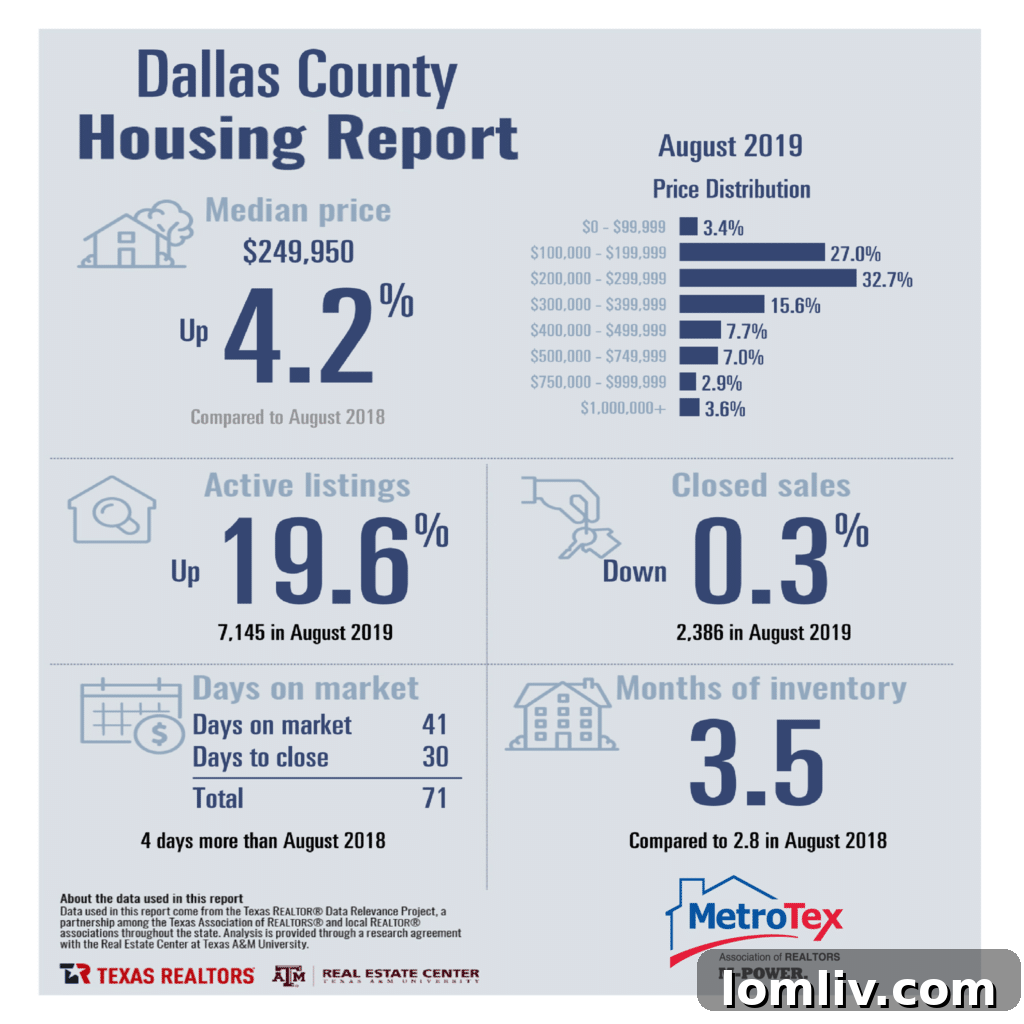
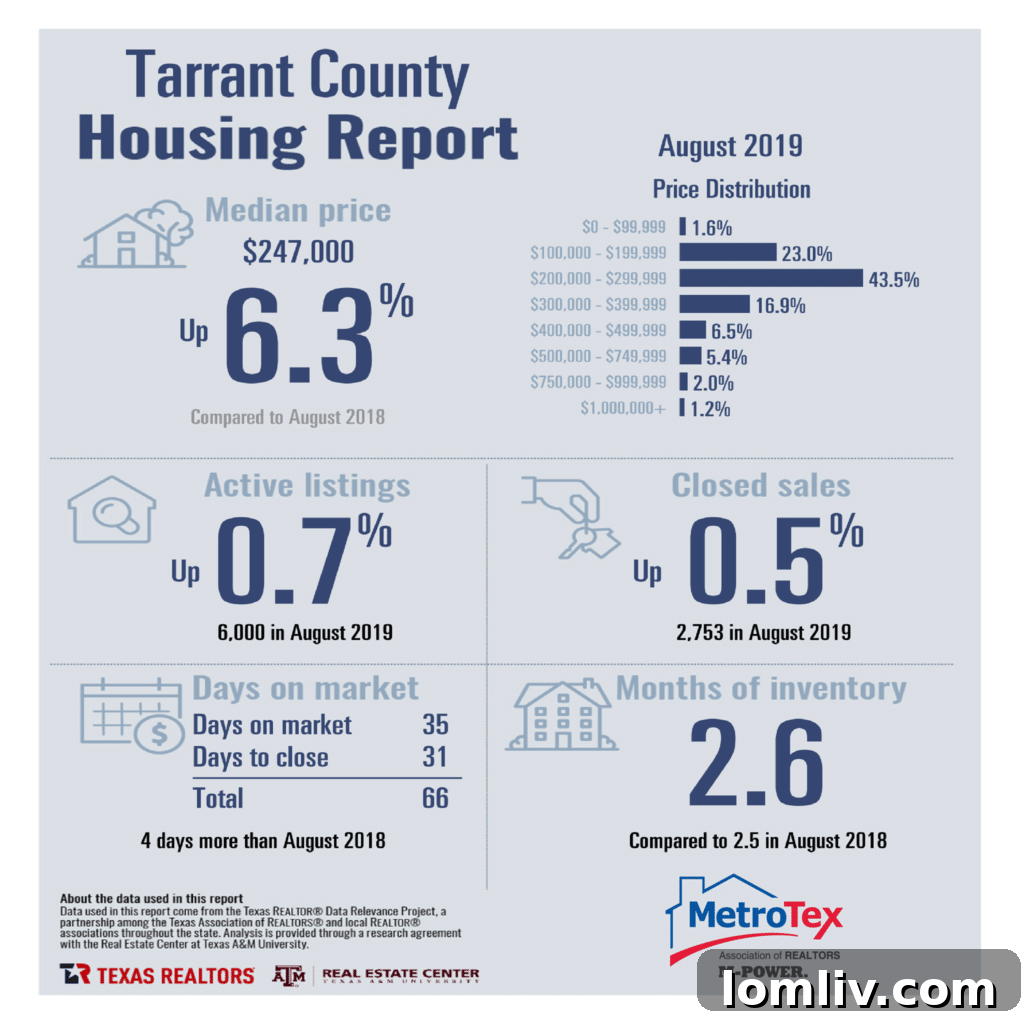
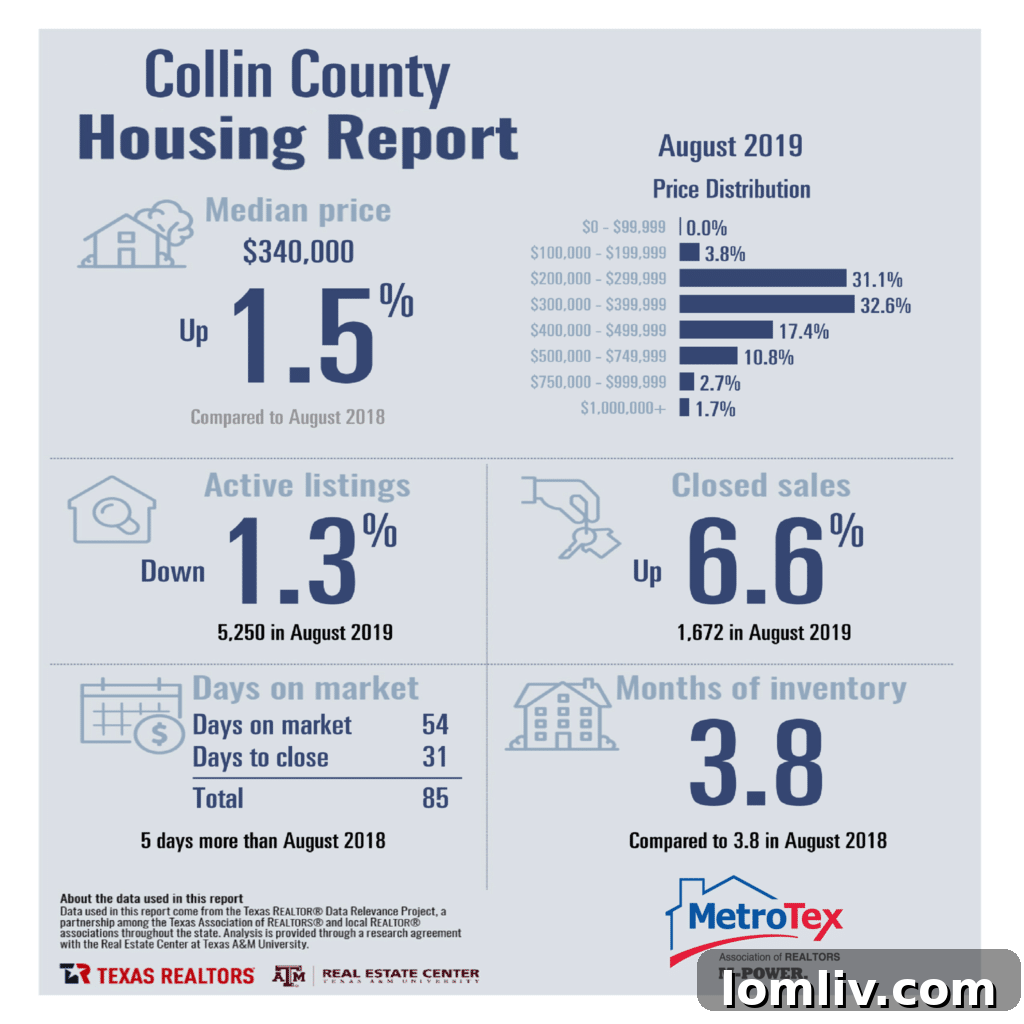
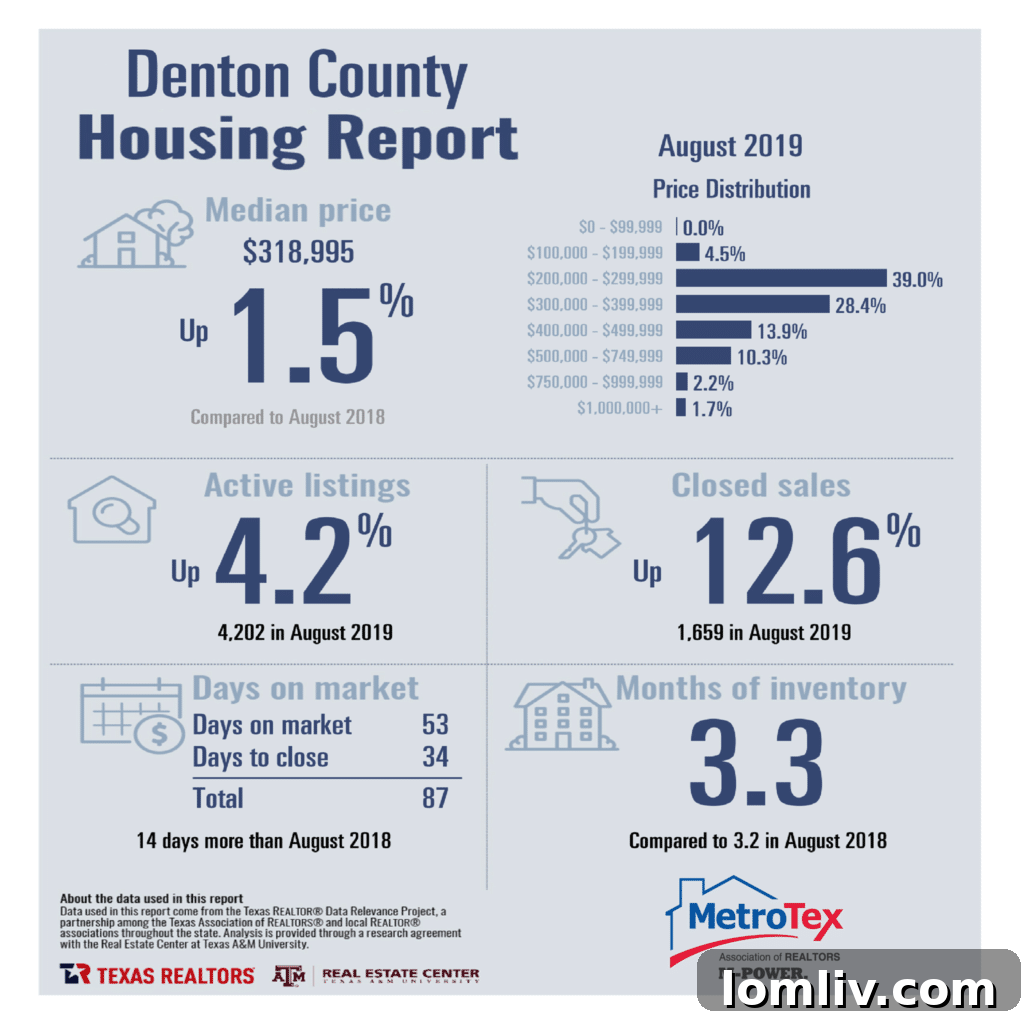
Source: Texas A&M Real Estate Center
Millennials Increasingly Tapping Retirement Savings for Down Payments
The dream of homeownership remains strong for many, but the path to achieving it has become increasingly challenging, particularly for the Millennial generation. A recent survey conducted by Bankrate sheds light on the creative, and sometimes financially precarious, strategies millennials are employing to secure a down payment for their first home. The findings reveal a generation willing to make significant sacrifices, including tapping into their retirement savings, extending their stay with family, and even selling personal items, all in pursuit of owning property.
A staggering forty-five percent of prospective Millennial homebuyers explicitly state that the escalating cost of living is the primary barrier preventing them from purchasing a home. This reflects broader economic pressures faced by this demographic, including student loan debt, wage stagnation relative to housing costs, and inflation impacting everyday expenses. These financial realities force millennials to consider unconventional methods to accumulate the necessary funds for a down payment, which is often the largest hurdle to homeownership.
Despite these formidable obstacles, Bankrate’s research also highlights a remarkable self-reliance among millennials. The survey found that they are more likely than previous generations to save their own money for a down payment, with 53 percent indicating they are primarily using their own funds. This compares to 47 percent of Gen Xers and 45 percent of Baby Boomers who relied on their personal savings. This generational difference could be attributed to a variety of factors, including a delayed entry into the workforce, a greater awareness of financial planning tools, or simply a necessity driven by less access to traditional forms of financial assistance from family or a more stable economic environment.
The time commitment required to save for a down payment also varies significantly across generations. Millennial homeowners reported needing, on average, three full years to accumulate their down payment funds. In contrast, Gen Xers required two years and nine months, while Baby Boomers, who entered the housing market in a different economic era with potentially lower relative housing costs and higher real wage growth, typically needed two and a half years. This extended saving period for millennials not only delays their entry into homeownership but can also impact other major life milestones, such as starting families or advancing careers.
Another particularly interesting and somewhat concerning finding from the Bankrate survey underscores a widespread lack of financial literacy regarding down payments. More than half of all U.S. adults surveyed admitted they had no idea how much the minimum down payment for a home is currently. This lack of awareness can be a significant barrier for prospective buyers, as many operate under the misconception that a 20% down payment is always required, when in reality, various loan programs (such as FHA loans or conventional loans with private mortgage insurance) allow for significantly lower down payments. This knowledge gap suggests a critical need for increased financial education to empower more individuals to pursue homeownership by demystifying the associated costs and financing options.
The choices made by millennials to achieve homeownership, including the use of retirement savings, reflect the evolving economic landscape and the amplified challenges of affordability. While these strategies demonstrate remarkable determination, they also highlight potential long-term financial risks, such as jeopardizing retirement security. Understanding these trends is crucial for financial advisors, policymakers, and housing professionals to better support prospective homebuyers in an increasingly competitive and complex market.
Source: Bankrate