

Welcome back to “Upon Closer Inspection,” your weekly deep dive into the critical world of home inspections, brought to you by the meticulous professionals at Green Scene Home Inspections. Our mission is to empower Daltxrealestate.com readers with invaluable knowledge, helping you understand the intricacies of home safety and maintenance. In the dynamic realm of Texas real estate, staying informed is paramount, especially when standards and regulations evolve. This week, we’re spotlighting significant updates to the Texas Real Estate Commission (TREC) approved Home Inspection Report, changes that became effective on September 1, 2021. For anyone involved in Texas real estate, from aspiring homeowners to seasoned agents, understanding these modifications is crucial for navigating property transactions with confidence and ensuring peace of mind. These revisions reflect TREC’s ongoing commitment to enhancing consumer protection, bolstering safety standards, and providing greater transparency in home inspection reports across the Lone Star State. Join us as we break down what these key changes entail and their profound implications for both buyers and sellers.
The Texas Real Estate Commission (TREC) serves as the authoritative body overseeing real estate licenses and setting industry standards throughout Texas. Its role is pivotal in maintaining integrity and professionalism within the real estate sector. When TREC introduces changes to the approved Home Inspection Report, it’s not merely procedural; it signals an advancement in consumer safeguards and a clearer definition of what constitutes a comprehensive and reliable home inspection. These updates are designed to arm prospective homebuyers with more detailed, critical information about the property they are considering, allowing them to make more informed decisions. For sellers, being aware of these new requirements can help them anticipate potential findings and prepare their homes accordingly, streamlining the sales process. Let’s delve into the five key areas where these inspection report standards have been refined, ensuring every Texas homeowner benefits from a higher level of scrutiny and transparency.
1. Enhanced Scrutiny of Water Distribution Systems
One of the most significant updates in the revised TREC Home Inspection Report pertains to a detailed assessment of a property’s water distribution system. Inspectors are now explicitly required to identify and report the specific type of piping used within the home. This seemingly minor detail carries substantial weight, as the material of a home’s plumbing can have significant implications for its longevity, maintenance, and potential future issues. Understanding the type of pipes running through a property offers a critical glimpse into the integrity of its infrastructure, directly impacting a homeowner’s experience and potential financial outlays.
Different piping materials come with their own set of advantages, disadvantages, and typical lifespans. For instance, **PEX (cross-linked polyethylene)** piping has become increasingly popular in modern construction due to its flexibility, resistance to corrosion, and ease of installation. It’s known for being durable and less prone to bursting in freezing conditions compared to traditional metal pipes, making it a favorable finding in an inspection report. **Copper piping**, a long-standing standard, is celebrated for its exceptional durability and resistance to bacterial growth. While generally robust and reliable, older copper installations can sometimes show signs of corrosion or pinhole leaks, and its initial installation cost is higher.
On the other hand, **Galvanized steel pipes**, commonly found in homes built before the 1960s, are often a cause for concern. These pipes, once praised for their strength, are notorious for corroding from the inside out, leading to reduced water pressure, discolored water, and eventual leakage. The presence of extensive galvanized piping often signals a significant plumbing upgrade may be necessary, a crucial detail for any potential buyer. Similarly, **PB (polybutylene)** piping, sometimes referred to as Quest pipe, represents a notable historical concern. Widely used between the late 1970s and mid-1990s, PB piping was later found to be highly susceptible to deterioration when exposed to common disinfectants in municipal water supplies, leading to sudden and catastrophic leaks. Its presence in a home often warrants immediate attention and is a major red flag for insurance companies and homebuyers alike, frequently necessitating complete replacement.
By mandating the explicit identification of these pipe types, TREC ensures that homebuyers are fully informed about the potential risks, maintenance needs, and expected lifespan of their plumbing system right from the outset. This level of detail empowers buyers to better assess long-term costs and potential liabilities, thereby fostering more transparent and secure real estate transactions in Texas. An inspector’s accurate identification provides a clear picture, enabling buyers to proceed with their purchase fully aware of the plumbing system’s condition and any necessary considerations.
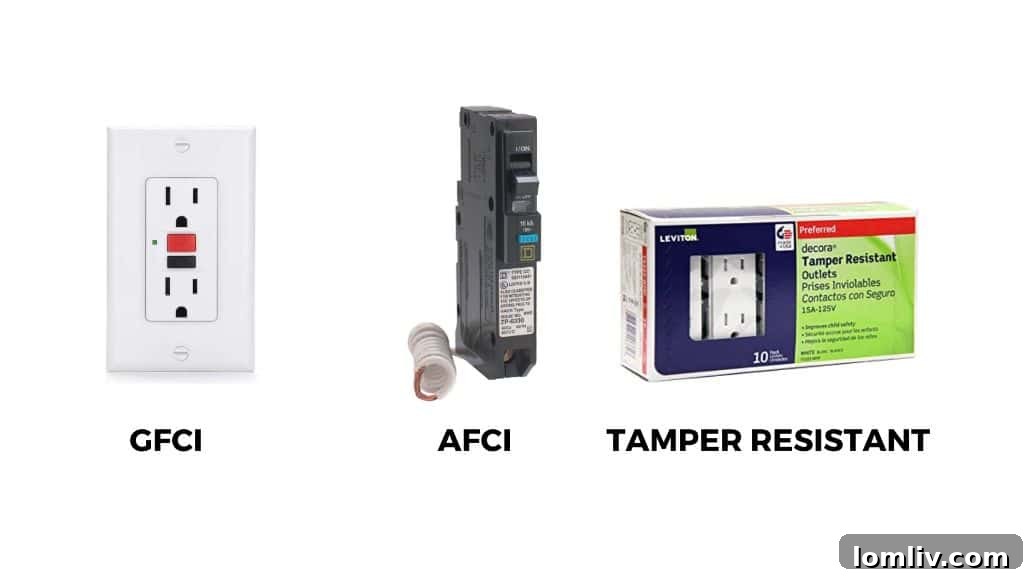
2. Enhanced Electrical Safety Standards: GFCI, AFCI, and Tamper-Resistant Outlets
Electrical safety remains a paramount concern in home inspections, and the updated TREC standards have significantly tightened reporting requirements for electrical receptacles. These new regulations are designed to dramatically reduce the risk of electrical shock and fire hazards, protecting residents, especially children. All outlet receptacles are now required to be either a Ground-Fault Circuit Interrupter (GFCI) or an Arc-Fault Circuit Interrupter (AFCI) in specific areas, and they must also be “tamper-resistant.” This trio of safety measures forms a robust defense against common household electrical dangers.
A **GFCI outlet** is an essential safety device designed to protect against electric shock. It rapidly detects imbalances in electrical current, indicating that electricity is flowing through an unintended path—such as a person’s body. Upon detecting such a ground fault, the GFCI immediately trips, cutting off power in a fraction of a second, thereby preventing severe injury or electrocution. These outlets are typically required in areas where water is present, such as bathrooms, kitchens, laundry rooms, garages, and outdoor locations, as water significantly increases the risk of electrical shock. An inspector will verify their presence and test their functionality during a home inspection.
**AFCI outlets** or breakers, on the other hand, are designed to protect against fires caused by arc faults. An arc fault occurs when there’s an unintentional electrical discharge across a gap in a conductor, often caused by damaged wires, loose connections, or frayed cords. These small, uncontrolled sparks can generate intense heat, easily igniting nearby insulation, wood, or other combustible materials, leading to devastating fires. AFCI devices detect these dangerous arc faults and quickly shut off the power before a fire can start. They are typically required in bedrooms and other living areas where residents sleep, providing critical fire protection that traditional circuit breakers cannot. The inspector’s role involves ensuring these protective devices are installed correctly and functioning as intended to safeguard the entire electrical system.
Beyond these protective mechanisms, the new standards also mandate that all outlets be **”tamper-resistant” (TR)**. These outlets are specifically designed with internal shutter mechanisms that block the insertion of foreign objects into the receptacle openings. The shutters only open when a two-pronged or three-pronged plug is inserted simultaneously, effectively preventing children from inserting hairpins, keys, or other objects into one of the slots and receiving an electric shock. Tamper-resistant outlets are identifiable by a “TR” marking on the outlet face or by their packaging. This requirement underscores a commitment to child safety, preventing countless potential accidents in homes. For home inspectors, verifying the presence and proper function of GFCI, AFCI, and TR outlets means a more thorough evaluation of a home’s electrical system, providing buyers with greater assurance of their property’s safety and compliance with modern electrical codes. This comprehensive approach to electrical safety offers unparalleled protection against both shock and fire hazards, reflecting the evolving standards for safe residential living.
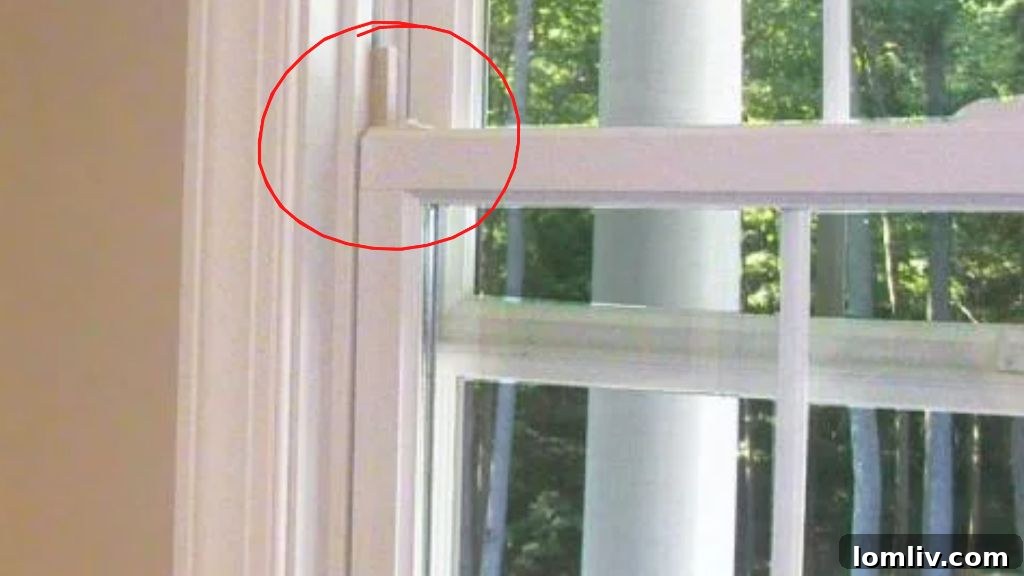
3. Critical Window Safety Measures to Prevent Falls
In an impactful move to bolster residential safety, especially for families with young children, the TREC updates now include stringent requirements for window safety, specifically addressing fall prevention. This vital change aims to mitigate the serious risks associated with falls from elevated windows, which can lead to severe injuries or fatalities. The new standard mandates that all windows located on the second story or higher, with a windowsill positioned 24 inches or less from the interior finished floor, must be equipped with a device that prevents the window from opening more than 4 inches. This proactive measure is a testament to the ongoing efforts to make homes safer, particularly for vulnerable populations.
The rationale behind this specific measurement and location requirement is rooted in documented accident statistics. Windows on upper floors, especially those close to the floor level, pose a significant fall risk for toddlers and young children who may not perceive the danger or have the motor skills to prevent themselves from falling out. A 4-inch opening limit is carefully chosen to allow for adequate ventilation while being small enough to prevent a child’s head or body from passing through. This simple yet effective device can be a window guard, a limiter, or a stop that physically restricts the opening distance.
Home inspectors, under the new TREC guidelines, will now meticulously check these specific windows to ensure compliance. This inspection includes verifying not only the presence of such a device but also its functionality and secure installation. The absence of these safety mechanisms in qualifying windows will be explicitly noted in the inspection report, flagging a crucial safety hazard that potential homebuyers should address. For homeowners, understanding this requirement means potentially installing these devices prior to listing their home, enhancing its safety appeal and minimizing inspection-related concerns.
The implementation of this standard reflects a broader commitment to creating safer living environments. It encourages builders and homeowners alike to consider the immediate environment of a child or vulnerable occupant, transforming what might otherwise be an overlooked detail into a critical safety feature. By focusing on windows on the second and third stories, or even higher, and emphasizing the sill height relative to the floor, TREC is directly targeting the most hazardous scenarios. This update significantly contributes to peace of mind for parents and caregivers, ensuring that architectural design and safety regulations work hand-in-hand to protect residents from preventable accidents. The importance of this specific code change cannot be overstated, as it directly impacts the physical well-being and security of a home’s occupants, making it a pivotal enhancement to the Texas home inspection process.
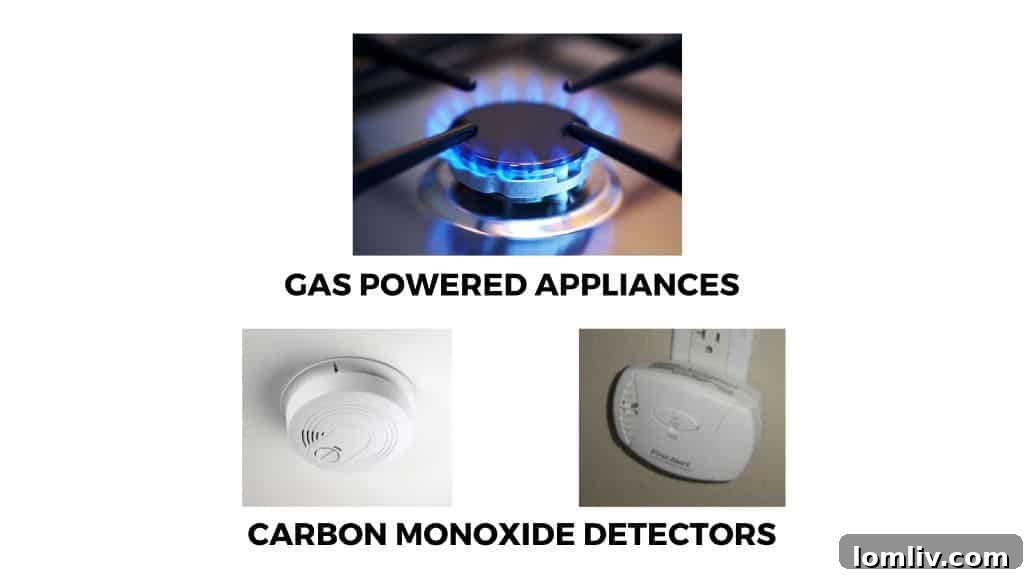
4. Consolidated Gas System Information and Mandatory Carbon Monoxide Detector Reporting
The recent TREC updates bring improved clarity and heightened safety awareness regarding gas systems and carbon monoxide detection within homes. One key change streamlines how gas-related information is presented in the inspection report: details pertaining to gas appliances will no longer be scattered with individual appliance descriptions but will now be centralized in their own dedicated section specifically for gas systems. While this may seem like a minor organizational shift, it significantly enhances the readability and comprehensiveness of the report, making it easier for all parties—especially those familiar with previous report formats—to quickly locate and understand critical gas system information. This consolidation ensures that all aspects of a home’s gas infrastructure are reviewed collectively, providing a holistic view of its safety and functionality.
Perhaps even more crucial than the organizational change is the new mandate regarding carbon monoxide (CO) detectors. The updated standards now require inspectors to explicitly call out the absence of carbon monoxide detectors on all home inspection reports. This is a monumental step forward in residential safety, addressing the silent, invisible, and odorless threat posed by carbon monoxide. CO is often referred to as “the silent killer” because it’s undetectable by human senses and can lead to severe illness or death, even at low concentrations, by displacing oxygen in the bloodstream.
Common sources of carbon monoxide in a home include improperly vented furnaces, water heaters, gas stoves, clothes dryers, fireplaces, and even car exhaust from an attached garage. Any combustion appliance that uses natural gas, propane, oil, kerosene, wood, or charcoal can produce CO if it’s not functioning correctly or is inadequately ventilated. The symptoms of CO poisoning are often mistaken for the flu, including headaches, dizziness, nausea, and fatigue, making early detection via a CO detector absolutely critical for occupant safety.
By requiring inspectors to report the absence of these life-saving devices, TREC is placing a direct emphasis on proactive safety measures. This new reporting requirement serves as a strong recommendation for homebuyers to install CO detectors in appropriate locations, such as hallways near sleeping areas and on every level of the home. Inspectors will note whether these detectors are present, functional, and correctly placed. Their absence will no longer be an implicit finding but an explicit one, compelling buyers to consider this essential safety upgrade immediately. This change not only elevates the standard of home safety reporting but also educates and protects homebuyers from a pervasive and potentially fatal hazard, underscoring TREC’s commitment to prioritizing the well-being of Texas residents in every real estate transaction.
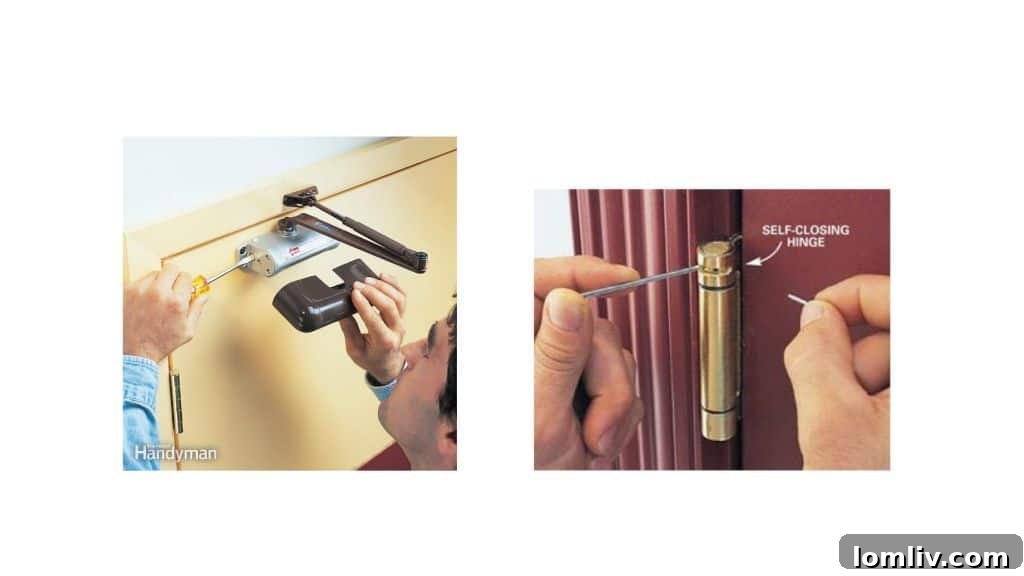
5. Enhanced Garage Door Fire Safety Standards
The garage, often serving as a storage area for vehicles, fuels, chemicals, and various flammable materials, presents a significant fire risk within a residential property. Recognizing this inherent danger and the critical need to prevent fire spread to the main living areas of a home, TREC has introduced an important update concerning garage access doors. The new standard mandates enhanced fire safety measures for all garage access doors that directly connect to the main residence and are not equipped with a self-closing device. Specifically, these doors must now be outfitted with two spring-loaded hinges.
The primary purpose of this requirement is to establish a robust fire barrier between the garage and the habitable space of the home. Fire-rated doors are designed to withstand fire for a specified period, but their effectiveness is severely compromised if they are left ajar. A self-closing device, often an automatic door closer, ensures that the door returns to its closed and latched position after being opened, thereby maintaining the integrity of the fire separation. However, many older homes or certain door types may lack such an automatic closer.
This is where the new requirement for two spring-loaded hinges comes into play. These specialized hinges contain a spring mechanism that automatically pulls the door shut after it’s opened. By requiring two such hinges per door, TREC ensures a stronger, more reliable closing force, preventing the door from remaining accidentally open. In the event of a garage fire, this mechanism is crucial: it prevents flames, smoke, and toxic gases from rapidly spreading into the main dwelling, giving occupants more time to evacuate safely and potentially limiting structural damage.
Home inspectors will now meticulously check these access doors to verify that they are either equipped with a functional self-closing device or, failing that, are fitted with the required two spring-loaded hinges. The absence of these crucial safety features will be clearly documented in the inspection report. This detail is not merely a compliance check; it is a critical safety finding that directly impacts the overall fire safety plan of the home. For homebuyers, this provides an immediate understanding of a potential fire hazard and a clear recommendation for remediation. For sellers, proactively ensuring these doors meet the new standard can significantly enhance the perceived safety of their property and potentially expedite the sales process. This updated standard is a testament to TREC’s continuous efforts to fortify residential safety protocols, emphasizing preventative measures against common household dangers and safeguarding lives and property.
The recent updates to the Texas Real Estate Commission’s Home Inspection Report represent a significant advancement in consumer protection and home safety standards across Texas. From the detailed identification of water piping types and the robust electrical safety measures like GFCI, AFCI, and tamper-resistant outlets, to critical window fall prevention devices, consolidated gas system information, mandatory carbon monoxide detector reporting, and enhanced garage door fire safety, each change is designed to provide homebuyers with a more comprehensive and transparent understanding of their potential property.
These revisions underscore TREC’s commitment to ensuring that home inspections are not just a formality but a powerful tool for informed decision-making. For real estate professionals, understanding these updated requirements is vital for advising clients effectively. For homebuyers, these changes mean a higher standard of scrutiny and greater peace of mind regarding the safety and structural integrity of their investment. As the real estate landscape continues to evolve, staying abreast of these regulatory enhancements is essential for everyone involved. We encourage you to consult with a TREC-licensed home inspector to ensure that your home, or the home you are considering, meets these crucial safety and quality standards. Stay tuned for more expert insights from Green Scene Home Inspections in our ongoing “Upon Closer Inspection” series, helping you navigate the complexities of home ownership with confidence.