Preston Hollow’s Future: Unpacking the Debate Over Transwestern’s Luxury Apartment Proposal
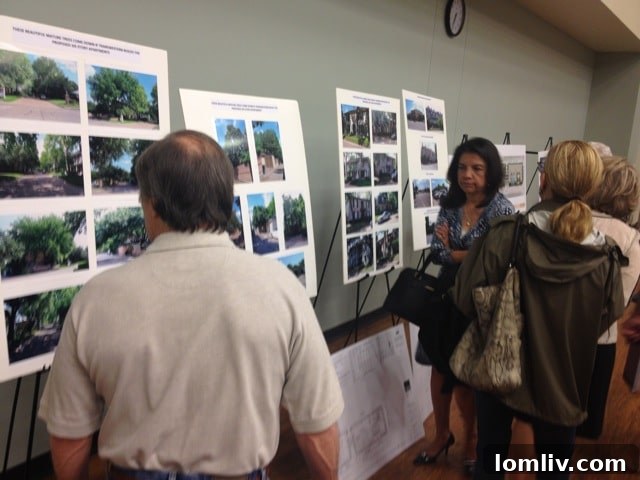
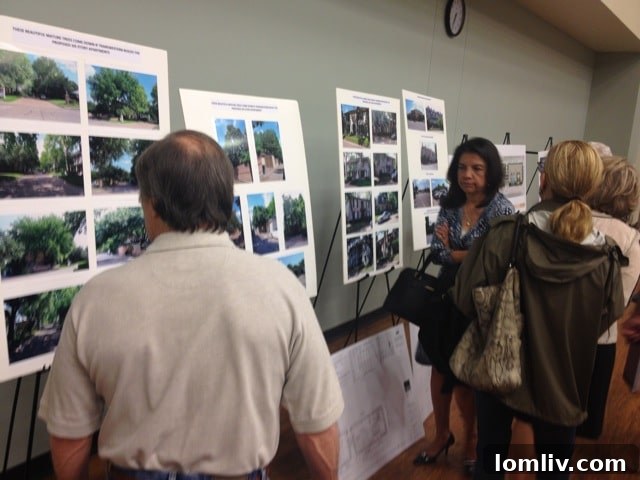
A recent town hall meeting regarding Transwestern’s ambitious plans for a 220-unit luxury apartment complex at the strategic northeast intersection of Preston Road and Northwest Highway in Dallas concluded with a significantly nuanced and deeply debated discussion. What began with an air of palpable tension quickly evolved into a multi-faceted discourse, showcasing the varied perspectives of one of Dallas’s most distinguished neighborhoods, Preston Hollow.
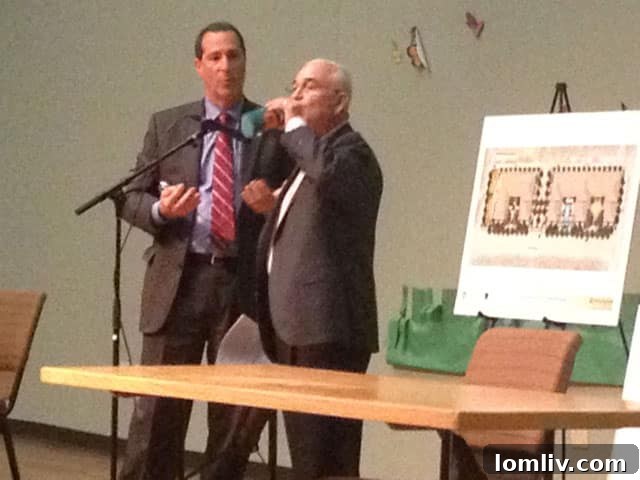
Following a concise presentation by Bill Dahlstrom, Transwestern’s attorney, who detailed the updated statistics and proposed design elements of the development, Councilman Lee Kleinman opened the floor. This allowed leaders from nearby homeowners associations and other concerned residents a crucial opportunity to voice their opinions, concerns, and sometimes, their impassioned opposition to the proposed project. The atmosphere, initially charged with a mix of anticipation and apprehension, gradually shifted as the discussion progressed, moving from fervent outcries to more structured queries and responses.
Indeed, the early moments of the meeting were marked by a few angry and highly emotional contributions, with some attendees barely waiting for their turn to speak. However, a noticeable change in tenor occurred when Dahlstrom returned to the microphone to address the myriad of points raised. His responses ushered in a brief, yet critical, Q&A session. While the quiet-yet-furious arm waving from parts of the audience indicated underlying frustration, the direct exchange remained largely peaceful, a testament to the community’s desire for a constructive dialogue despite their profound disagreements.
Prominent Voices Join the Fray: Community Leaders and Legal Experts Weigh In
The significance of the proposed development drew a considerable crowd of approximately 150 to 200 people, including several prominent figures. Among them were former Dallas Mayor Laura Miller, a highly respected voice in local politics, and Lisa Blue Baron, a well-known trial lawyer who made the journey from her home in Washington, D.C., specifically to attend and participate in the meeting. Their presence underscored the high stakes involved and the widespread interest in the future of the Preston Hollow community. Furthermore, Michael Jung, an attorney retained by local residents to represent their interests, captivated the audience by presenting several compelling facts and legal considerations pertinent to the debate.
Jung, renowned for his successful efforts in challenging plans for a lakeside restaurant at Boy Scout Hill on White Rock Lake, emphasized a critical point: this proposed 220-unit building would represent the tallest new development spanning the vast area between North Central Expressway and Denton Drive. His remarks highlighted the potential for the project to drastically alter the skyline and character of the predominantly residential neighborhood. He vehemently rejected the notion of adding more apartments to the area, asserting that a quick online search on platforms like Google would readily demonstrate an existing abundance of available apartments in Dallas, questioning the necessity and timing of such a high-density development.
Amidst thunderous applause following Jung’s remarks, a crucial question resonated throughout the hall, igniting further debate: Would the approval of this particular planned development inadvertently ease the path for other, potentially less compatible projects in the future? The concern was palpable – could this project set a precedent, opening the floodgates for developments that might not align with the established scale, architectural standards, or the cherished character of Preston Hollow? This question of precedent became a recurring theme, illustrating the residents’ deep-seated fear that this decision could irrevocably shape the future trajectory of their beloved community.
Resident Concerns: Height, Density, Traffic, and Privacy at Stake
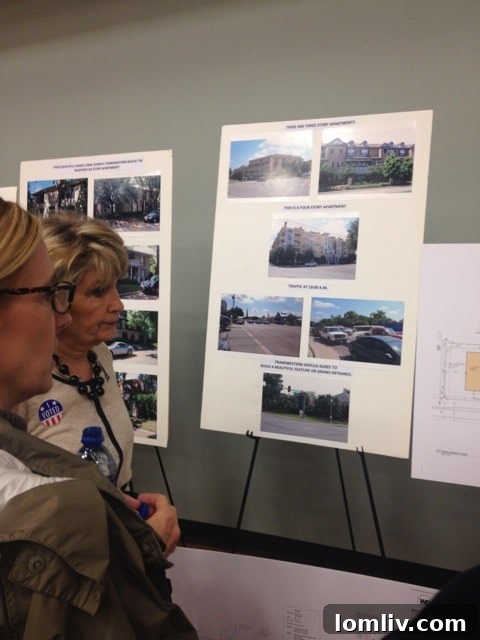
Ashley Parks, representing the Preston Hollow East Homeowners Association (PHEHA), further underscored the community’s collective opposition. She revealed that her HOA had successfully gathered close to 1,500 signatures on a petition, meticulously outlining their primary objections to Transwestern’s Planned Development (PD) application. The core concerns, echoed by numerous residents, revolved around the proposed building’s excessive height, the increased density it would bring to the area, and the inevitable surge in traffic congestion on already busy roads.
A particularly poignant concern articulated by Parks, and later echoed by at least one other speaker that evening, centered on privacy. Residents expressed deep apprehension that the balconies of the proposed luxury apartments, particularly those facing north, would directly overlook their private backyards. This, they argued, would fundamentally erode the sense of privacy and seclusion that homeowners in Preston Hollow have long come to expect and cherish. “We acquired our property with a clear understanding of what was permitted on that adjacent site,” Parks asserted passionately. “Transwestern’s proposal seeks to fundamentally alter that understanding. Privacy is not merely a preference; it is a significant concern that impacts our quality of life. This isn’t about whether development occurs, but about preserving our rights as property owners.” Her statement encapsulated the sentiment of many homeowners who feel their established property values and lifestyle are under threat.
Parks additionally pointed out a crucial misalignment: the proposed PD, in her view, did not align with the principles of the city’s comprehensive “Forward!Dallas” plan. This pivotal urban planning document explicitly mandates that new developments should integrate seamlessly within the parameters of their surrounding neighborhoods, particularly concerning density, intensity, and overall size. More importantly, Forward!Dallas emphasizes the preservation of the existing character and human scale of the surrounding community. These sentiments were powerfully reiterated by other neighborhood board presidents who spoke, including Jim Christon of Preston Hollow South Neighborhood Association, and Marc Hall, a prominent restaurateur and resident of 6040 Place condos. Hall, whose impassioned address extended even after gentle and then firm reminders from Councilman Kleinman to conclude, further underscored the widespread community consensus against the current proposal.
Nuances and Transwestern’s Position: A Complex Landscape
However, an unexpected counterpoint emerged from speakers representing Townhouse Row, a segment of the community directly adjacent to the proposed site. These residents indicated that they intended to sell their properties irrespective of the development’s outcome. More notably, they highlighted that Transwestern had maintained an open line of communication with nearby residents throughout the planning process. They cautioned that if this current, collaborative plan were to be rejected, future development on the site, potentially under existing zoning regulations, might not offer the same level of resident engagement or concessions. This was a critical point: according to the current multi-family zoning already in place for the site, a developer could, in theory, construct efficiency apartments without requiring extensive city council approval or public input, potentially resulting in a far less desirable outcome for the neighborhood. This offered a stark alternative, prompting some to consider whether the current proposal, despite its flaws, might be the lesser of two evils.
The discussion then circled back to the “Forward!Dallas” plan when former Mayor Laura Miller approached the microphone. Her plea to Transwestern was both impassioned and remarkably concise. “We possess the capability to construct something of exceptionally high quality, fully compliant with the current zoning regulations,” Miller declared, her words punctuated by fervent applause. “I earnestly request that this current application be withdrawn, and that we, as a community, collaborate to devise a plan that seamlessly integrates with the existing zoning framework, satisfying both developer and residents.” Her call for collaboration rather than confrontation resonated deeply with many in attendance.
Following Mayor Miller, Lisa Blue Baron presented her concerns. Drawing upon her extensive experience as a trial lawyer, she articulated a grave apprehension regarding the anticipated increase in traffic volume stemming from the development. She forecasted a rise in distracted driving incidents, leading to a higher frequency of accidents in the immediate vicinity. Baron powerfully echoed the fears of many residents: Transwestern’s plans for heightened density, if approved, would undoubtedly establish a dangerous precedent for future urban development in Dallas. “Once this development is approved, once this structure rises, it will inevitably make every subsequent similar project significantly easier to pass,” she warned, emphasizing the long-term implications for zoning and community integrity.
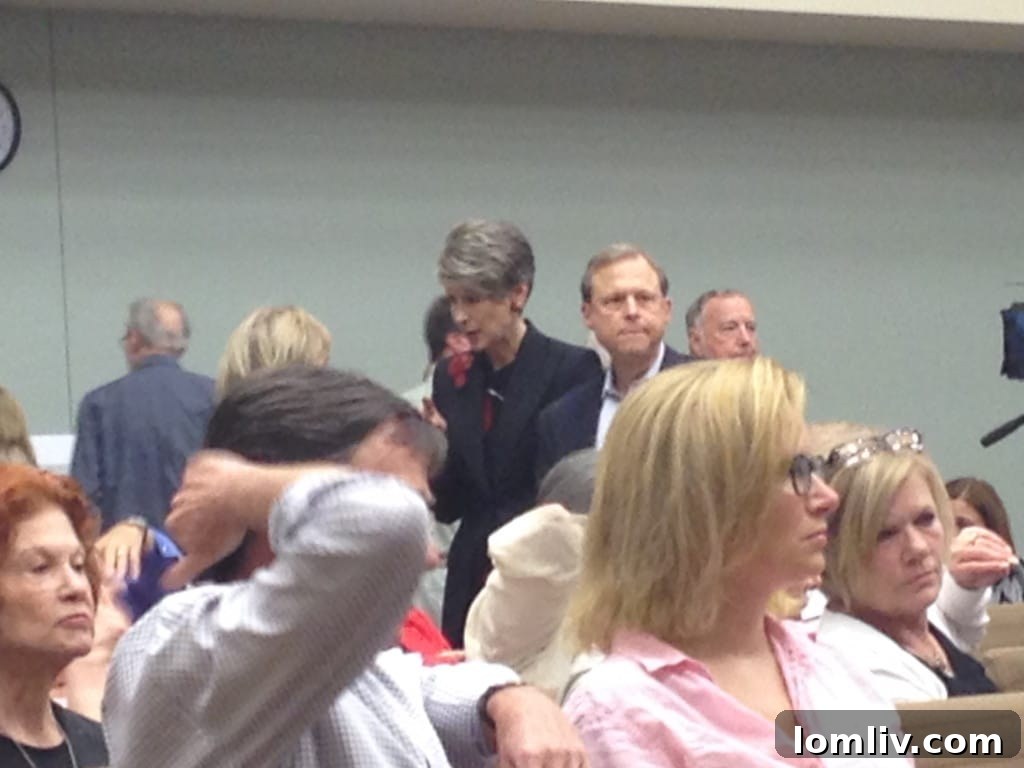
The strength of the community’s opposition was visually demonstrated when Steve Collins, a resident of Northwood, asked all those opposed to Transwestern’s plans to stand. From the reporter’s vantage point, only a handful of individuals remained seated, primarily comprising Transwestern’s executives and their representatives, offering a striking visual testament to the widespread community sentiment against the proposal.
Transwestern’s Concessions and Design Adjustments
In a discussion following the meeting, Sarah Dodd, a representative involved in the project, shed light on Transwestern’s significant efforts to address community concerns. She explained that the developer had already substantially scaled back the original scope of the building. The revised plan now proposes a maximum of six stories instead of the initial eight. Crucially, the revised design eliminates efficiency apartments entirely, focusing instead on 220 spacious units, each spanning a minimum of 1,000 square feet. This extensive re-evaluation was the culmination of six months of ongoing, intensive dialogue and negotiation with nearby residents, a process that commenced in December of the previous year.
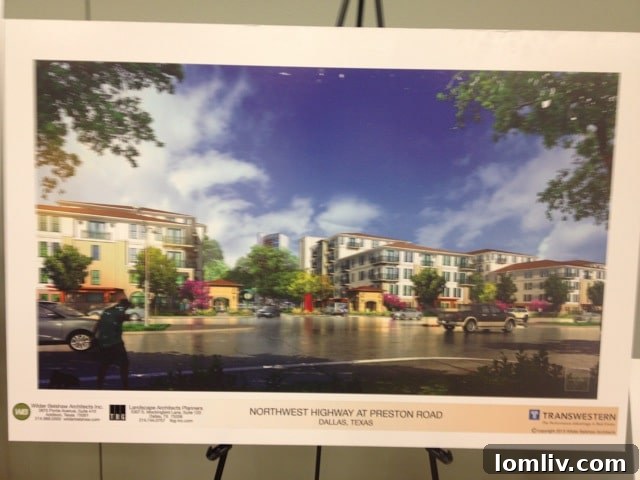
The total investment for this revised luxury apartment complex is projected to be between $80 to $100 million. The design incorporates wide setbacks on all sides of the property, creating significant buffer zones from adjacent residences. A notable, voluntary inclusion by Transwestern is publicly accessible green space – a feature not mandated by current zoning but chosen by the developer to enhance community amenities and appeal. Each residential unit is slated to receive two dedicated parking spaces within an underground garage, supplemented by ample visitor parking. Furthermore, only 60 percent of the lot will be covered by buildings, ensuring ample open space. The structures themselves will feature a distinctive stair-step design, cleverly engineered to reduce the overall visual height and mass, helping the complex integrate more harmoniously with the surrounding neighborhood’s scale.
The Road Ahead: Planning, Zoning, and Dallas City Council
The next critical juncture for this highly scrutinized development involves the Planning and Zoning Commission. This body is tasked with meticulously reviewing Transwestern’s detailed proposal and, subsequently, formulating a recommendation for the Dallas City Council. The Commission’s decision will be pivotal, guiding the City Council on whether to approve or reject the Planned Development (PD) application submitted by Transwestern. This ongoing dialogue between developers, residents, and city officials underscores the complex challenges and community engagement inherent in urban planning within rapidly developing areas like Dallas, particularly when balancing growth with the preservation of cherished neighborhood character.