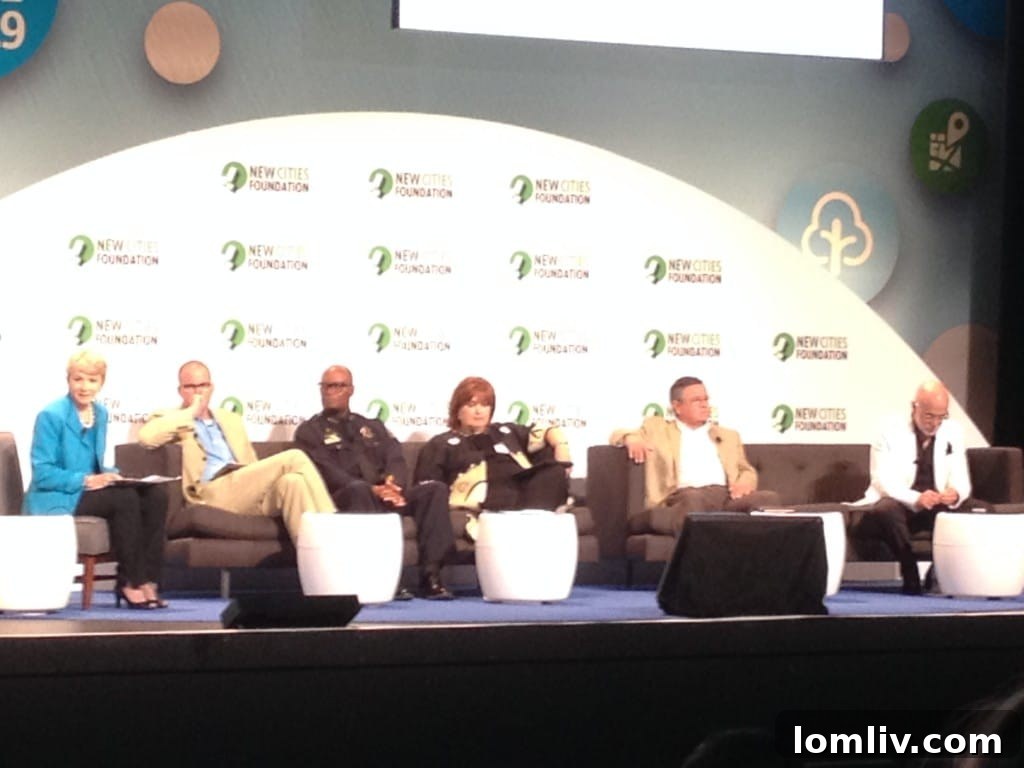
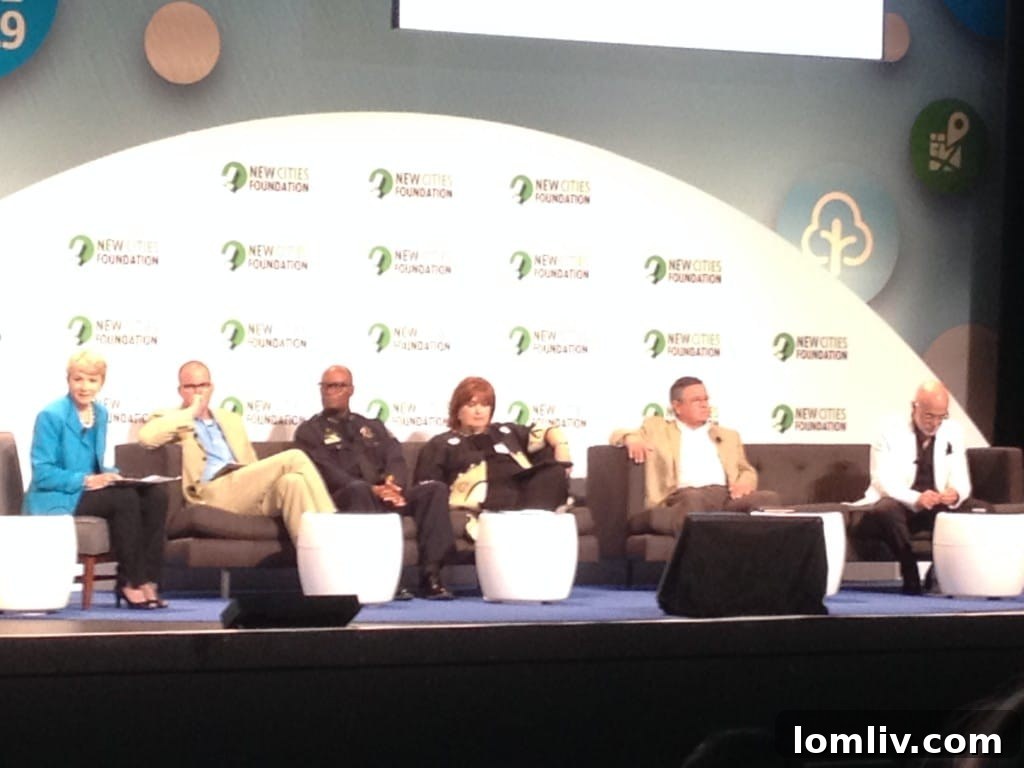
Dallas, a city known for its bold ambition and a spirit of continuous reinvention, often finds itself at the forefront of discussions about urban development and metropolitan transformation. Recently, I had the privilege of attending the New Cities Summit, where a powerful panel discussion titled “Dallas: A Case Study in Re-imagination and Transformation” offered profound insights into the city’s remarkable journey. As anticipated, the conversation celebrated how far Dallas has progressed, a sentiment perfectly captured by moderator Rena Pederson, former chief of the editorial department for “The New Dallas” series. Pederson aptly described Big D’s prevailing “try, try again” mentality, a characteristic many outside observers echoed when reflecting on their perceptions of our rapidly evolving city.
Yet, beyond the deserved accolades for its dynamic growth and visionary projects, the panel prompted deeper questions. Are we, in our relentless pursuit of progress, inadvertently overlooking critical aspects of sustainable development? Where might Dallas be lagging, even as it pushes forward? These pressing questions, though not fully explored during the session, lingered as essential considerations for the city’s long-term future.
The Architects of Dallas’s Urban Renaissance
The panel featured a diverse group of thought leaders, each offering a unique perspective on the multifaceted nature of Dallas’s ongoing transformation. Their insights collectively paint a picture of a city grappling with rapid change, striving for innovation, and seeking to balance grand visions with the practical needs of its residents.
Brent Brown: Empowering Communities Through Deliberate Design
Brent Brown, representing bcWORKSHOP, brought a vital perspective on community engagement and the power of local identity, particularly in areas like West Dallas experiencing significant transition. Brown highlighted Dallas’s audacious spirit, recalling a pivotal moment in the city’s history: “When the Trinity River stood in the way of development inside downtown Dallas, we didn’t bat an eye. We moved the river.” This powerful anecdote serves as a testament to the city’s unwavering determination and its capacity to overcome seemingly insurmountable obstacles. Brown emphasized that this same powerful agency must be channeled into fostering deep connections between residents and their neighborhoods. He asserted that the “marrying of urban design matters,” underscoring that truly transformative urban spaces are not accidental but rather “made through the deliberate design of cities for people.” For Dallas to truly re-imagine itself, it must prioritize human-centric design, ensuring that new developments enhance, rather than erode, the unique fabric of its diverse communities. This approach is fundamental to creating resilient and beloved urban environments, focusing on how design can empower local identities and foster a sense of belonging amidst rapid change.
Veletta Forsythe Lill: The Long Game of Cultural Investment
Veletta Forsythe Lill echoed the theme of Dallas’s enduring evolution, reminding attendees that while the city’s growth may appear sudden to newcomers drawn by its booming job market, it is, in fact, the culmination of decades of strategic effort. She cited the visionary initiative to establish the Arts District downtown as a prime example of a concerted effort to revitalize a deteriorating urban core. This cultural investment not only breathed new life into the city center but also firmly established Dallas as a world-class cultural destination, boasting architectural marvels like the Winspear Opera House, which served as a fitting venue for the New Cities Foundation’s summit. However, Lill stressed that the journey is far from complete. Having successfully invested in iconic structures, the next crucial step is to build vibrant, livable neighborhoods around these cultural anchors. “We’ve invested in the buildings,” Lill stated, “now we need to make sure we’re investing in the human factor.” This means prioritizing pedestrian-friendly spaces, accessible public amenities, and community-building initiatives that transform impressive buildings into thriving urban ecosystems where people want to live, work, and connect. It’s about translating architectural grandeur into tangible quality of life for residents.
Ramon Miguez: Future-Proofing Dallas Through Flexible Infrastructure
As Dallas continues its rapid urbanization, the demands on its foundational systems intensify. HDR VP Ramon Miguez, an esteemed engineer, underscored the critical need for more flexible and adaptive infrastructure to support the city’s evolving urban landscape. He pointed out that downtown Dallas, originally designed for a primarily 9-to-5 workforce, was not built to sustain a thriving 24-hour population. The transformation of areas like Main Street, he argued, necessitates significant infrastructural upgrades and a more fluid approach to resource allocation. Miguez advocated for enhanced communication regarding the true costs of maintaining the city’s infrastructure, alongside a more focused and strategic reinvestment plan. Ensuring better access to resources and embracing innovative solutions in transportation, utilities, and public services are paramount for Dallas to continue its growth without compromising essential functions or resident quality of life. This forward-thinking approach to infrastructure is not merely about repair; it’s about proactively designing systems that can adapt to future urban challenges and opportunities, ensuring the city’s longevity and prosperity.
Michael Tregoning: Crafting Spaces Where Life Flourishes
Michael Tregoning, representing Headington Companies, shifted the focus to creating urban spaces that genuinely attract and retain people, citing projects like the Joule Hotel as prime examples. The Joule, transformed into a trendy downtown hotspot brimming with gathering spaces, embodies Tregoning’s philosophy: “You want to build with a personality that is consistent with the neighborhood.” This principle emphasizes the importance of authenticity and character in urban development, moving beyond generic structures to create places that resonate with their surroundings and foster a sense of place. While jokingly suggesting the Tony Tasset three-story “Eye” sculpture adjacent to the Joule might cater to optometrists, the deeper message was clear: bold public art and distinctive architecture contribute significantly to an area’s unique appeal. Tregoning stressed the urgent need to draw even more residents back into the city core, urging developers to prioritize the creation of attractive, vibrant, and highly desirable places to live. This means fostering mixed-use developments, engaging public spaces, and amenities that support a dynamic urban lifestyle, thereby enriching Dallas’s burgeoning population and enhancing its overall appeal as a premier place to reside.
Ensuring Safety: A Foundation for Urban Success
A crucial component of any successful urban transformation is ensuring the safety and security of its citizens. Dallas Chief of Police David Brown delivered a concise yet impactful presentation, highlighting the impressive strides made in crime reduction. Thanks to a strategic combination of robust community engagement, cutting-edge technology, and data-driven crime prevention initiatives, Chief Brown proudly declared, “Dallas is the safest it’s been since the 1960s.” This achievement is particularly noteworthy given the city’s increasing diversity and rapid population explosion. The implementation of new platforms that facilitate seamless engagement between residents and Dallas Police officers further strengthens this success, fostering trust and collaboration. A safe city is not only a desirable place to live but also a powerful magnet for economic investment and continued growth, solidifying Dallas’s reputation as a thriving and secure metropolitan hub.
The Critical Lens: Beyond Celebration to Sustainable Growth
After the panel concluded, I had the opportunity to speak with former city councilmember Ann Margolin, whose insights provided a sobering yet essential counterpoint to the celebratory tone. While acknowledging the invaluable work of organizations like the Communities Foundation of Texas in addressing poverty, Margolin felt the discussion had missed a critical element: the unaddressed challenges and areas where Dallas might be falling short. Her perspective underscored the vital importance of shedding light on these shortcomings to ensure a truly equitable and sustainable transformation for the entire city.
The Imperative of Maintenance: A Looming Challenge
Margolin passionately articulated a crucial principle: “I want us to be careful that we only build things we can afford to maintain.” Her words resonated deeply, highlighting a pervasive challenge facing many rapidly developing cities. The allure of new, gleaming projects often overshadows the long-term, less glamorous, but equally vital task of maintaining existing infrastructure and services. Dallas, despite its impressive growth, finds itself in a precarious balancing act. The city faces agonizing choices, exemplified by the dilemma of whether to invest in maintaining services at its overtaxed animal shelter, ensure adequate funding for its jail, police, and firefighters, keep its libraries open, or desperately needed repairs to its crumbling roads. In this context, the continued construction of new parks and bridges while existing essential services falter raises serious questions about fiscal responsibility and priority setting. The danger lies in creating an impressive facade while the fundamental pillars of urban life erode from within, ultimately undermining the very transformation Dallas seeks to achieve.
The Paradox of Growth: Budget Shortfalls Amidst Rising Valuations
Margolin also articulated a common frustration among residents: “My property taxes — my property valuation — went up this year, so I’m paying more taxes, and they tell us that we’re still $30 million in the hole? How does that happen?” This poignant question encapsulates the paradox of rapid growth. Despite a booming real estate market leading to increased property valuations and, consequently, higher tax revenues, Dallas continues to grapple with significant budget deficits. This phenomenon often stems from a complex interplay of factors, including rising operational costs, escalating pension liabilities, and the sheer scale of investment required to support a burgeoning population while simultaneously addressing decades of deferred maintenance. The disconnect between increased tax contributions and persistent budget shortfalls highlights a critical area for transparent discussion and strategic planning. Residents expect that their higher contributions should translate into improved, or at least stable, essential services, not a perpetual state of fiscal constraint. Addressing this perception gap and providing clear answers is vital for maintaining public trust and fostering a shared vision for Dallas’s future. Such complex financial realities warrant a dedicated public discourse, perhaps even a future panel discussion, to unravel the intricacies and chart a sustainable path forward.
Dallas’s Continuing Journey: A Call for Balanced Progress
The “Dallas: A Case Study in Re-imagination and Transformation” panel at the New Cities Summit offered a compelling snapshot of a city confidently charting its future. Dallas’s “try, try again” mentality, its bold urban design initiatives, cultural investments, and relentless pursuit of safety all attest to its unwavering ambition. However, as Ann Margolin astutely highlighted, true transformation goes beyond grand new constructions and economic booms. It demands a holistic approach that places equal, if not greater, emphasis on the diligent maintenance of existing infrastructure and the sustainable funding of essential services. For Dallas to truly realize its full potential as a world-class city, its leaders and citizens must engage in an ongoing, transparent dialogue about these critical trade-offs. The city’s journey of re-imagination must be balanced by a steadfast commitment to fiscal prudence, ensuring that every resident benefits from its progress and that the foundations of its vibrant urban life remain strong and well-supported for generations to come. The goal is not merely a reimagined city, but a resilient, equitable, and sustainable Dallas for all.