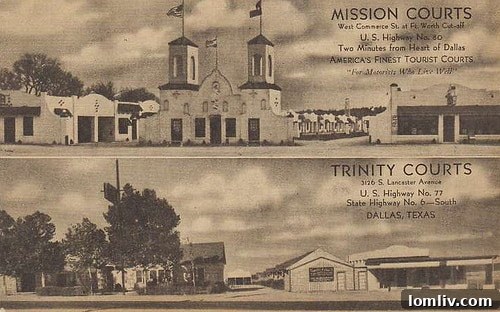
The landscape of West Dallas is undergoing a dramatic transformation, driven by ambitious real estate ventures and a renewed vision for urban living. At the forefront of this revitalization is the acquisition of the historic Mission Motel site by Trammell Crow Residential (TCR), a move set to introduce a dynamic mixed-use development to the vibrant West Commerce Street corridor. This project, while significant in its own right, is part of a larger narrative of growth and investment reshaping one of Dallas’s most promising neighborhoods.
Before delving into the exciting details of this new development, it’s crucial to clarify a common point of confusion regarding the esteemed Crow name in Dallas real estate. Trammell Crow Residential, often referred to as TCR, operates as an entity under Crow Holdings. This enterprise is distinctly separate from Trammell Crow Co., a subsidiary of the global commercial real estate firm CBRE, which has garnered attention for projects like the proposed Sam’s Club in Uptown East/East Village/Cityplace. While both carry the venerable “Crow” name, reflecting the family’s deep roots in Dallas development, Trammell Crow Residential is directly owned and managed by the Crow family, maintaining its independent legacy in residential property innovation.
With that important distinction established, let’s turn our attention to the physical transformation underway. TCR’s recent acquisition focuses on the site of the former Mission Motel, an iconic relic of the historic Route 66 era situated on West Commerce Street. This property lies just a stone’s throw from Sylvan | Thirty, itself a groundbreaking mixed-use development that transformed another old motel site, the Alamo Plaza Hotel Courts. The area also boasts the beautifully restored Belmont Hotel, a local landmark that houses the critically acclaimed restaurant, Smoke, from renowned chef Tim Byres. The Mission Motel, once a bustling motor inn welcoming travelers, represents one of the last surviving examples of classic motor court architecture on West Commerce, its fading grandeur hinting at a bygone era of road trips and Americana.
The plans for the Mission Motel site are ambitious and forward-thinking. Trammell Crow Residential intends to construct approximately 300 modern rental units, complemented by an impressive 14,000 square feet of ground-floor retail space. This mixed-use approach aims to create a vibrant, walkable community that caters to the evolving demands of urban residents. Given the motel’s current state of disrepair, the structure is slated for demolition. This decision, while practical for new construction, inevitably raises questions among local preservationists, recalling the impassioned debate surrounding the demolition of the Alamo Plaza Hotel Courts. In a thoughtful gesture of reconciliation, developers of Sylvan | Thirty, Oaxaca Interests, pledged to incorporate the iconic old Alamo Plaza sign into their new designs, a symbolic nod to the area’s rich history. It remains to be seen how preservation efforts might intersect with TCR’s plans for the Mission Motel, but the potential for a respectful balance between progress and heritage is a dialogue keenly observed by the community.
This particular project by Trammell Crow Residential is more than just a standalone development; it’s a key piece in the larger puzzle of West Dallas’s burgeoning multifamily boom. The area, once characterized by its industrial past and underutilized land, has experienced an explosion of new construction and investment. This remarkable transformation is largely attributable to the completion of the iconic Margaret Hunt Hill Bridge, designed by world-renowned architect Santiago Calatrava. Once controversially dubbed the “bridge to nowhere,” this elegant overpass, gracefully spanning the Trinity River, has since become a powerful catalyst, drawing significant investment from major players in Dallas business and real estate. The bridge has effectively reconnected West Dallas with the downtown core, unlocking its immense potential for urban revitalization and growth.
The “bullish” sentiment among developers regarding West Dallas and North Oak Cliff is palpable and well-founded. According to reports from seasoned real estate journalists like Steve Brown, developers are not only building but also experiencing exceptional success in leasing units within this rapidly transitioning urban landscape. The demand for modern, well-located rental properties in these areas is consistently exceeding expectations. As one executive, Bancroft, noted, “Each one of our deals has gotten well above what we expected in rental rates.” This strong market performance underscores the appeal of West Dallas to a diverse range of residents seeking vibrant communities, convenient access to the city center, and contemporary living spaces.
The planned Commerce Street development by Crow Residential is just one of many apartment projects actively shaping this dynamic neighborhood. The area is becoming a true hotbed for multifamily construction, reflecting a collective vision for a pedestrian-friendly, amenity-rich urban environment. Alongside the aforementioned Sylvan | Thirty and projects from Wood Partners, other notable developers are making significant contributions. Henry S. Miller Co. is actively working on another rental community in proximity to the historic Belmont Hotel, further enhancing the residential offerings in this charming sub-district. Furthermore, visionary developers Robert Shaw and Dallas Cowboys legend Roger Staubach have announced ambitious plans for hundreds of new apartments within the expansive Trinity Groves development on Singleton Boulevard. Trinity Groves, a pioneering culinary and entertainment district, is transforming an industrial stretch into a lively destination, providing residents with an unparalleled array of dining and leisure options right at their doorstep.
The convergence of these major projects – from the residential density brought by TCR, Wood Partners, and Henry S. Miller, to the lifestyle amenities offered by Sylvan | Thirty and Trinity Groves – paints a clear picture of West Dallas as a premier destination for urban living. The area’s unique blend of historical charm, modern architecture, and strategic location provides a compelling proposition for both developers and residents. As the cranes continue to dot the skyline and new businesses open their doors, West Dallas is confidently shedding its old identity, emerging as a vibrant, interconnected, and highly sought-after urban hub in the heart of Dallas. This exciting era of redevelopment promises not only new homes and commercial spaces but also a renewed sense of community and opportunity for all who choose to live, work, and play within its evolving boundaries.