Protecting your home extends beyond mere aesthetics and smart home innovations; it encompasses safeguarding its structural integrity and ensuring the well-being of your family. Your home represents a significant, often the largest, investment you’ll make, and like any valuable asset, it demands consistent care and attention. While we readily address visible issues like a cracked window or a leaky faucet, some of the most insidious threats to our homes remain hidden from plain sight, silently eroding their value and safety. Proactive prevention is invariably more cost-effective than reactive repair, a principle that holds particularly true when it comes to effective pest management.
The Critical Importance of Home Pest Control
Many homeowners mistakenly perceive pests as minor nuisances, easily overlooked until an infestation becomes severe. However, unchecked pest activity can lead to a cascade of serious problems, compromising your family’s health, comfort, and the structural soundness of your property. Common household pests, including rodents, cockroaches, termites, and ants, pose multifaceted risks that demand serious attention.
Threats to Structural Integrity and Property Value
- Termites and Carpenter Ants: These wood-destroying insects are notorious for their ability to silently hollow out wooden supports, beams, and flooring. Often, their destructive work goes unnoticed until significant and costly damage has already occurred, requiring extensive repairs that can devalue your home.
- Rodents: Beyond their unsanitary presence, rodents like mice and rats can gnaw through various building materials, including drywall, insulation, and even electrical wiring, creating entry points for other pests and compromising the building envelope.
- Moisture-Seeking Pests: Pests such as silverfish and some types of beetles thrive in damp environments, indicating underlying moisture problems that can lead to rot and further structural degradation if left unaddressed.
Electrical Hazards and Fire Risks
Rodents, driven by an instinct to continuously gnaw to keep their incisors sharp, frequently target electrical wires. This destructive habit can strip insulation, exposing live wires and leading to short circuits, power outages, and potentially devastating house fires. Such incidents not only pose immediate danger but also result in expensive electrical repairs and could jeopardize insurance coverage if pest-related damage is not properly documented.
Health, Hygiene, and Family Well-being
- Disease Transmission: Pests are vectors for numerous pathogens. Cockroaches and rodents can spread bacteria like Salmonella and E. coli, contaminating food preparation surfaces and stored goods. Ticks and mosquitoes can transmit more serious diseases such as Lyme disease, West Nile virus, and malaria, posing significant public health risks.
- Allergies and Asthma Triggers: Droppings, shed skin, and saliva from pests like cockroaches and dust mites are potent allergens. Their presence can trigger allergic reactions, exacerbate asthma symptoms, and reduce indoor air quality, particularly in sensitive individuals and children.
- Psychological Impact: Living in a pest-infested home can cause significant stress, anxiety, and discomfort. The constant worry about creepy crawlies, the unsanitary conditions, and the potential for bites can severely impact your family’s peace of mind and overall quality of life.
- Food Contamination: Pests readily infiltrate pantries and food storage areas, spoiling food supplies with their waste and bodies. This not only leads to wasted groceries but also presents a health risk if contaminated food is inadvertently consumed.
Adopting a Comprehensive, Multi-Layered Defense: Integrated Pest Management (IPM)
Modern pest control increasingly relies on Integrated Pest Management (IPM), a holistic and sustainable approach that prioritizes long-term prevention and minimizes reliance on broad-spectrum chemical treatments. IPM isn’t just about killing pests; it’s about understanding their biology, habits, and entry points to create an inhospitable environment for them.
Core Principles of IPM for Homeowners:
- Inspection and Identification: Regularly inspecting your home for signs of pest activity and correctly identifying the pest species is the foundational step. Different pests require different strategies.
- Monitoring: Continuous monitoring helps track pest populations and the effectiveness of control measures. This might involve traps or regular visual checks.
- Setting Action Thresholds: Deciding when and what type of intervention is necessary. IPM aims to manage pests to acceptable levels, not necessarily to eradicate every single insect.
- Prevention: The cornerstone of IPM. This involves making your home unattractive and inaccessible to pests.
- Control: When prevention isn’t enough, targeted control methods are employed, ranging from physical removal to precise application of the least toxic effective pesticides.
Key Preventative Measures You Can Implement:
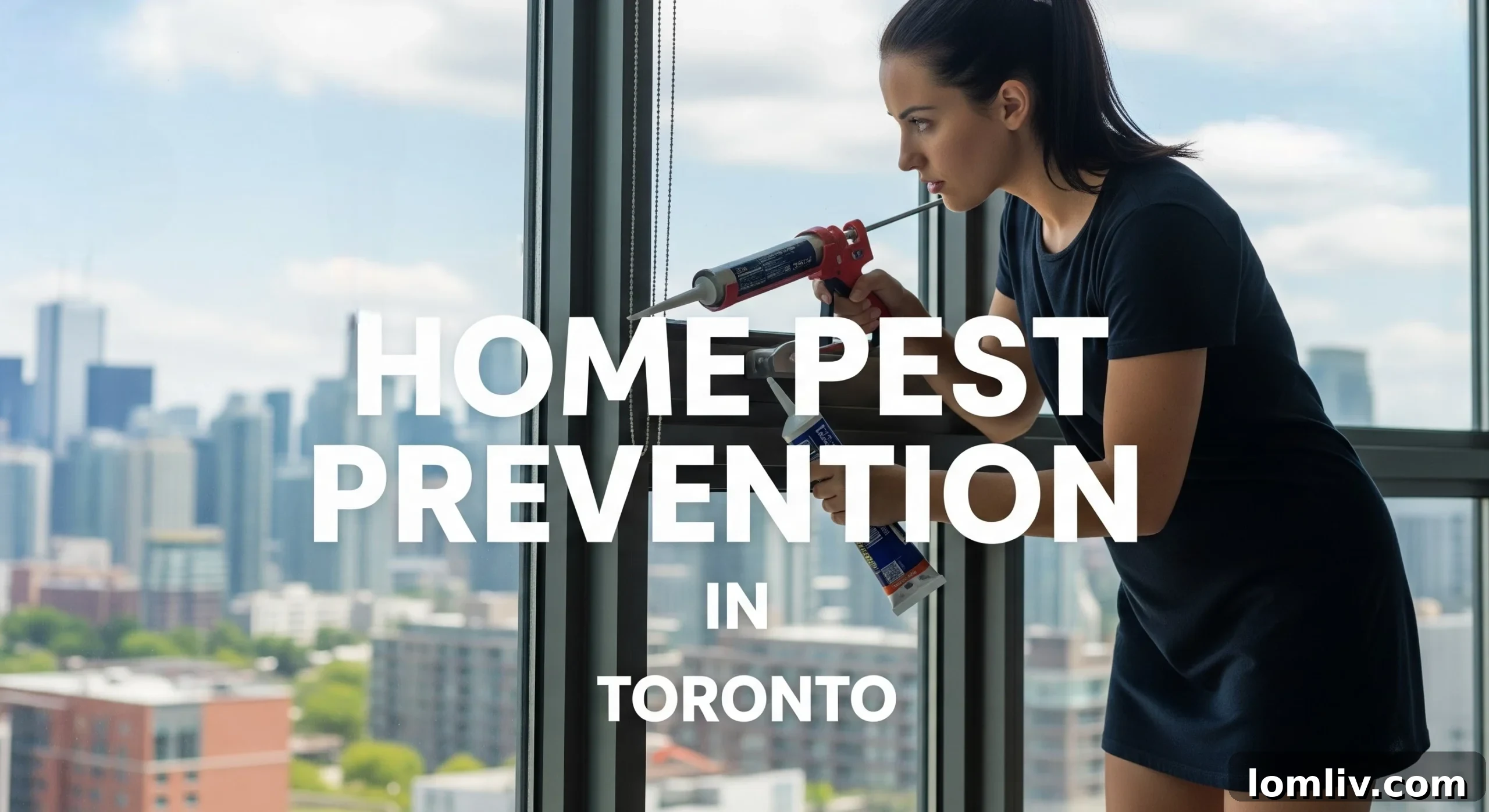
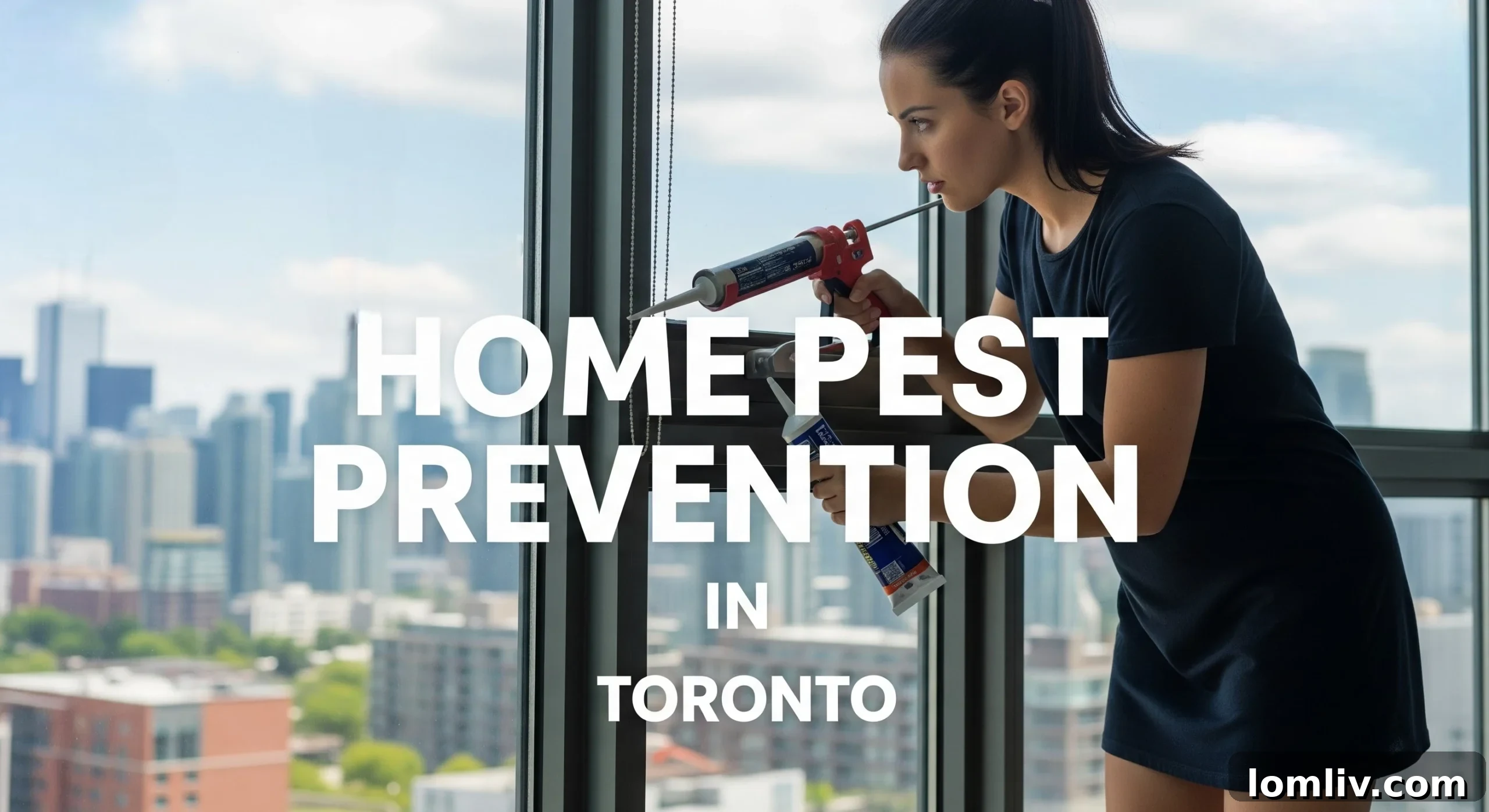
- Sealing Entry Points: Pests are opportunists. Even a tiny crack in the foundation, a worn-out weatherstrip, or a gap around a utility line can be an open invitation. Conduct a thorough inspection of your home’s exterior and seal any potential entry points with appropriate materials like silicone caulk, steel wool (for rodent entry points), or expanding foam. Pay attention to gaps around pipes, wires, and vents.
- Maintaining a Sanitary Environment: Pests are attracted to food and water sources. Store all food in airtight containers, clean up spills immediately, and regularly empty trash cans, ensuring they have tight-fitting lids. Avoid leaving pet food out overnight.
- Controlling Moisture: Many pests, including cockroaches, silverfish, and termites, are drawn to moisture. Fix leaky faucets, pipes, and roofs promptly. Ensure proper ventilation in bathrooms, kitchens, and basements. Consider using a dehumidifier in damp areas.
- Managing Landscaping: Trim tree branches and shrubs so they don’t touch your home, creating “bridges” for pests. Keep firewood stored away from the house and elevated off the ground. Clear leaf litter and debris from around your foundation, as these provide hiding spots for pests.
- Securing Doors and Windows: Ensure all window screens are intact and properly fitted. Install door sweeps on exterior doors to prevent crawling insects and rodents from slipping underneath.
When Professional Expertise Becomes Indispensable
Despite the most diligent preventative efforts, some infestations prove too challenging for a DIY approach. In bustling urban environments like Toronto, where dense populations and diverse seasonal changes create unique pest pressures, securing a quality professional pest control provider is crucial. This is where a specialized service, such as Pest Control Plus, offers invaluable assistance to homeowners.
Advantages of Professional Pest Control Services:
- Advanced Diagnostics and Root Cause Identification: Professionals possess the expertise and specialized tools (like thermal cameras or moisture meters) to accurately identify pests, locate hidden nesting sites, and determine the root cause of an infestation, rather than just treating the visible symptoms.
- Customized Treatment Plans: A one-size-fits-all approach is rarely effective. Professional exterminators develop tailored strategies based on the specific pest, severity of the infestation, and unique characteristics of your home, ensuring the most effective and efficient resolution.
- Safety and Regulatory Compliance: Licensed professionals are trained in the safe and responsible application of pest control products, adhering to strict environmental and health regulations. They know which products are safe for use around children and pets, minimizing risks that DIY chemical applications might pose.
- Access to Professional-Grade Products and Techniques: Professionals have access to advanced treatments and equipment not available to the general public, leading to more potent and lasting results. They also employ integrated techniques that combine various methods for superior outcomes.
- Long-Term Solutions and Warranties: Many professional services offer ongoing monitoring and preventative maintenance plans, often backed by warranties. This provides peace of mind, knowing that if pests return, they will be dealt with promptly.
- Documentation for Insurance and Property Appraisals: Professional service records are becoming increasingly important for insurance claims related to pest damage and can be a valuable asset during future property appraisals or sales, demonstrating responsible home maintenance.
Your Seasonal Home Pest Control Checklist
Pest activity fluctuates significantly with the seasons, requiring a dynamic and proactive approach to home protection. Understanding seasonal pest behaviors allows homeowners to anticipate and address specific challenges throughout the year.
Spring: Awakening and Emergence
As the ground thaws and temperatures rise, many pests emerge from hibernation or begin to multiply. Ants, termites (often seen swarming), and various stinging insects become more active. This is the prime time to:
- Clean out your gutters and downspouts to prevent water from pooling around your foundation, which attracts mosquitoes and other moisture-loving pests.
- Inspect your home’s exterior for new cracks or openings that may have formed over winter and seal them.
- Check window and door screens for tears and repair them to keep flying insects out.
- Look for termite mud tubes around your foundation and in your crawl space.
Summer: Peak Activity and Proliferation
The warmth and humidity of summer create ideal conditions for many pests to thrive and reproduce rapidly. Mosquitoes, flies, cockroaches, and stinging insects are at their most active. Focus on:
- Ensuring all window and door screens are in excellent repair to prevent insect entry.
- Managing trash effectively by using bins with tight-fitting lids and emptying them frequently, especially food waste.
- Trimming back vegetation and trees that touch your house, creating pathways for pests like ants and spiders.
- Eliminating standing water sources in your yard (e.g., bird baths, old tires) to reduce mosquito breeding grounds.
- Sealing food items in airtight containers and cleaning kitchen surfaces regularly to deter ants and cockroaches.
Fall: Seeking Shelter
As temperatures begin to drop, pests like rodents (mice and rats), spiders, and overwintering insects (such as box elder bugs and stink bugs) start seeking warm, protected places to spend the colder months – often inside your home. This is the critical time to:
- Seal any gaps around utility lines, pipes, and vents leading into your attic or basement.
- Install chimney caps to prevent wildlife and rodents from entering.
- Inspect and repair weather stripping around doors and windows.
- Clean up leaf litter and debris from around your foundation, as these provide hiding spots for pests.
- Check attics and basements for signs of rodent activity and set traps if necessary.
Winter: Indoor Monitoring and Decluttering
While outdoor pest activity may decrease, pests that have already found their way indoors become more noticeable as they seek warmth and food. Rodents and cockroaches often remain active inside during winter. Use the colder months to:
- Declutter storage spaces in your basement, attic, and garage. Removing quiet, dark corners and piles of boxes eliminates prime hiding spots for pests.
- Monitor for signs of indoor pest activity, especially in infrequently used areas.
- Store firewood at least 20 feet away from your home and elevate it to prevent pests from hitching a ride inside.
- Keep your pantry organized and food stored in sealed containers to prevent pests from feasting on your supplies.
- Address any remaining moisture issues, as these can attract pests even in winter.
Safeguarding Your Investment and Ensuring Lasting Comfort
Ultimately, comprehensive home care is about far more than just aesthetics; it’s about preserving your property’s value, ensuring its longevity, and fostering a safe, healthy, and comfortable environment for your family. By thoughtfully integrating pest control into your regular home maintenance routine, you are not merely eliminating unwelcome intruders. You are actively protecting a significant financial asset and safeguarding the health and well-being of everyone who resides within its walls.
A home that receives consistent, proactive care is a resilient home. Whether you commit to a monthly pantry inspection, diligently seal exterior cracks, or engage experienced professionals for a thorough annual assessment, these seemingly small steps collectively contribute to monumental results. They are the cornerstone of keeping your home a secure, impeccably clean, and vibrantly healthy sanctuary where your family can thrive and create cherished memories for many years to come.