Dallas Considers Major Zoning Changes: The Future of Accessory Dwelling Units in M Streets
A significant debate is unfolding in Dallas, particularly within District 14 and the cherished M Streets neighborhoods, concerning the future of urban development and residential living. Dallas City Council member Philip Kingston has put forth a proposal that could fundamentally alter how homeowners utilize their properties: allowing the construction and rental of accessory dwelling units (ADUs), commonly known as garage apartments or guest houses. This initiative has sparked considerable discussion, drawing both fervent support from proponents of increased urban density and strong opposition from residents concerned about preserving neighborhood character.
Understanding the Current Landscape: Dallas’s Zoning Regulations
To fully grasp the magnitude of Councilman Kingston’s proposal, it’s essential to understand the existing city code. Currently, Dallas zoning ordinances present a significant hurdle for homeowners wishing to build fully functional secondary residences on their property. The code strictly limits the construction of a “full-sized kitchen” within an accessory dwelling unit. Should a property owner install a kitchen that meets the definition of “full-sized,” the structure is then reclassified as a duplex. This reclassification thrusts the property into an entirely different zoning category, entailing distinct regulations, permitting processes, and often, higher costs and complexities.
The ambiguity surrounding what precisely constitutes a “full-sized kitchen” adds another layer of challenge. Homeowners and developers often find themselves navigating a gray area, where interpretations can vary widely depending on the city official consulted. This lack of clarity has historically deterred many from pursuing ADU construction, despite the growing interest in flexible housing options. The existing framework essentially forces a binary choice: a limited guest house or a fully compliant duplex, with little room for the modern, adaptable accessory dwelling units that are gaining popularity in other major cities.
The Proposal: Opening Doors for Dallas Homeowners
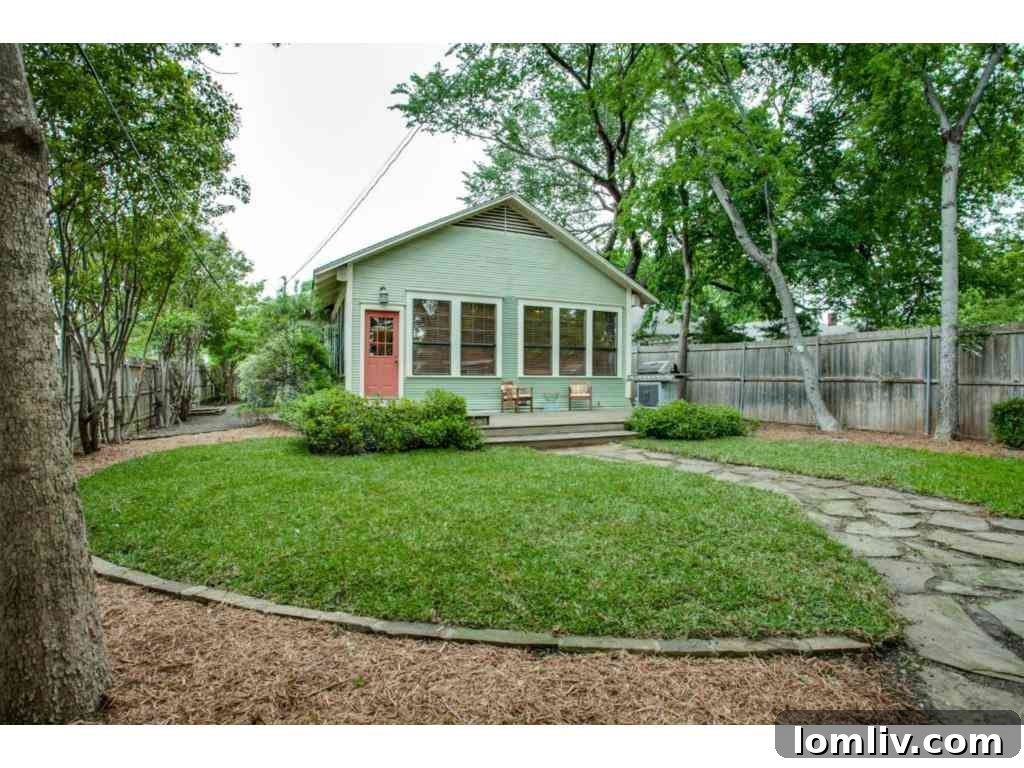
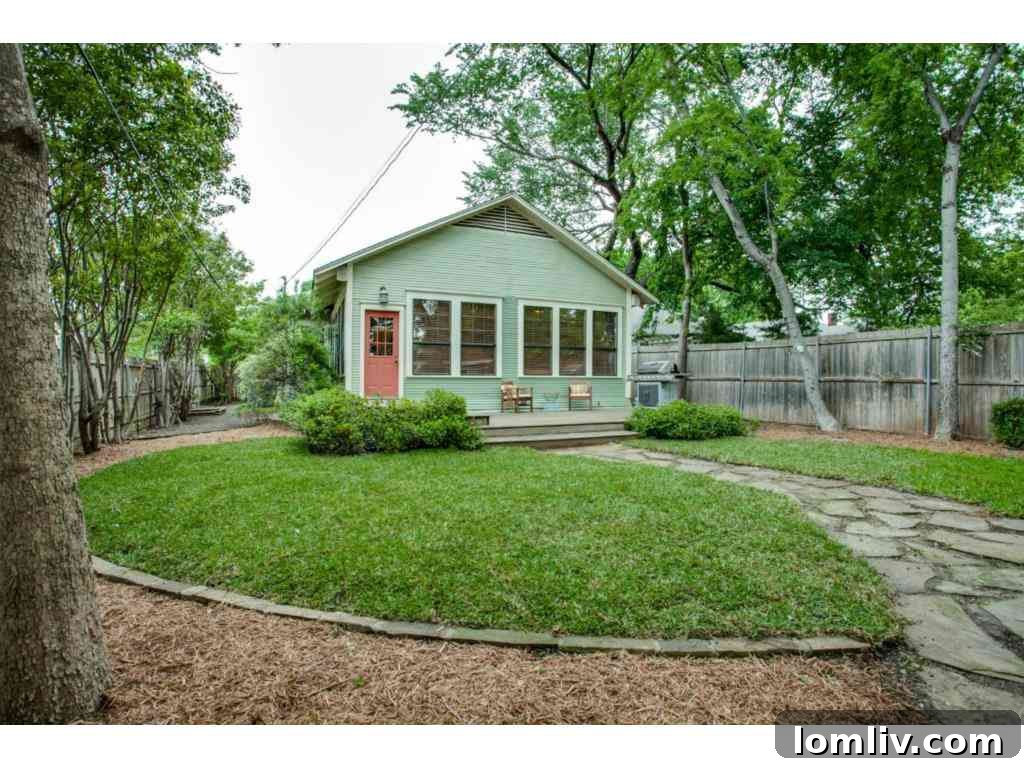
Councilman Philip Kingston’s proposed changes aim to demystify and streamline the process for homeowners. By amending city ordinances, the proposal seeks to explicitly permit the construction and rental of garage apartments and guest houses that include full kitchens. This change would recognize ADUs as legitimate, standalone housing options within existing residential lots, rather than forcing them into the duplex category. The goal is to provide homeowners with greater flexibility to adapt their properties to evolving needs and economic realities, while also addressing broader community challenges.
This initiative comes at a time when Dallas, like many booming metropolitan areas, is experiencing significant growth and increasing demand for diverse housing options. The M Streets, in particular, have seen a surge in property values and new construction, with many older homes being replaced by larger, modern residences. For these property owners, the ability to add a rentable unit, perhaps above a newly built detached garage, presents an attractive opportunity to generate additional income and maximize their investment.
Arguments for Accessory Dwelling Units: Driving Urbanization and Affordability
Proponents of the ADU proposal highlight several compelling benefits, focusing on urbanization, housing affordability, and economic empowerment for homeowners:
Boosting Urban Density for Walkable Communities
A cornerstone argument in favor of ADUs is their role in fostering urban density. Urban planners often advocate for increased density as a critical component for creating vibrant, truly walkable neighborhoods. When more people live within a given area, it strengthens the customer base for local businesses, supports public transportation, and reduces reliance on cars. Accessory dwelling units, by adding residential capacity to existing lots without expanding the city’s footprint, contribute to this density in a subtle, organic way. This gradual densification can lead to more dynamic streetscapes, lively community hubs, and a reduced carbon footprint.
Economic Benefits for Homeowners and Property Value Stabilization
With property values soaring and property tax assessments climbing in step across Dallas, many long-term residents, especially in desirable areas like the M Streets, are finding it increasingly challenging to afford their homes. Building and renting a back house or a garage apartment offers a powerful solution: a significant source of rental income. This additional revenue can help homeowners offset rising costs, pay down mortgages, and ultimately, remain in their homes rather than being priced out of their neighborhoods. It transforms a secondary structure from a simple storage space or occasional guest room into a valuable financial asset.
Expanding Affordable Housing Options
Beyond individual homeowners, ADUs are increasingly viewed as an integral part of the solution to the broader affordable housing crisis. In neighborhoods where traditional single-family homes are becoming prohibitively expensive, ADUs provide a more accessible entry point for renters. These smaller, often more economical units can offer quality housing in desirable locations, close to jobs, amenities, and good schools, at a lower price point than conventional apartments or homes. This diverse housing stock caters to a wider range of income levels and demographics, from young professionals and students to seniors and small families, thereby creating a more inclusive community.
Flexibility for Multi-Generational Living and Lifestyle Needs
The term “granny flat” perfectly encapsulates another key advantage of ADUs: their adaptability for multi-generational living. As families evolve, ADUs can serve as independent living spaces for elderly parents, adult children returning home, or even live-in caregivers. This allows families to stay connected while maintaining privacy and autonomy. Furthermore, ADUs offer flexibility for remote workers seeking dedicated office space, artists needing a studio, or simply homeowners desiring extra income through short-term rentals, depending on city regulations.
Concerns and Objections: Preserving Neighborhood Character and Infrastructure
Despite the compelling arguments for ADUs, the proposal is not without its critics. Many residents, particularly in established neighborhoods like the M Streets, voice legitimate concerns about the potential impacts on their quality of life and the long-term character of their communities:
Impact on Neighborhood Character and Aesthetics
One of the most frequently raised objections centers on the fear that widespread ADU construction could irrevocably alter the nature and aesthetic of residential neighborhoods. Residents express worries about increased density leading to a loss of open space, changing architectural styles, and a general shift away from the quiet, suburban feel that initially attracted them to areas like the M Streets. The concern is that if every home on a block were to add an ADU, the cumulative effect could fundamentally transform the visual landscape and overall ambiance of the community.
Exacerbating Parking Congestion
Perhaps the most immediate and tangible concern for many residents is the potential for exacerbated parking issues. Neighborhoods like the M Streets, with their historic street layouts and often limited off-street parking, already grapple with congestion. The addition of a “granny flat” or a garage apartment, especially if each new unit brings one or more additional vehicles, could overwhelm existing street parking capacity. This could lead to increased competition for spaces, blocked driveways, reduced accessibility for emergency services, and overall frustration for residents.
Strain on Existing Infrastructure and Public Services
Another significant point of contention is the potential strain on existing municipal infrastructure. More residents in a given area means increased demand for water, sewer, and electricity services. Critics question whether Dallas’s current infrastructure is robust enough to handle a significant increase in demand without experiencing service disruptions or requiring costly upgrades that would eventually fall to taxpayers. Beyond utilities, an increased population could also put pressure on local public services such as schools, parks, and waste management, potentially impacting the quality of these services for everyone.
Potential for Overdevelopment and Quality of Life Degradation
Some residents fear that an open allowance for ADUs could lead to overdevelopment, diminishing the quality of life in once-tranquil residential areas. Concerns include increased noise levels from more people, increased traffic flow on residential streets, and a general loss of peace and quiet. The perception for some is that these developments, while seemingly small on an individual lot, could collectively erode the very aspects that make their neighborhoods desirable places to live.
The Dallas Community Weighs In: A Crucial Informational Session
The intensity of this debate underscores the importance of community engagement. For residents in District 14 and the M Streets, understanding the nuances of the proposal and making their voices heard is paramount. Councilman Philip Kingston’s informational session provides a vital platform for this dialogue.
There’s a palpable sentiment among some M Streets residents that an ordinance allowing this kind of development is a foregone conclusion. Such perceptions, whether accurate or not, often galvanize vocal resistance. When residents feel their concerns are being overlooked or that decisions are being made without their full input, it naturally fuels opposition. This highlights the critical need for transparency, active listening, and genuine public participation in the policymaking process.
Whether you are a homeowner considering the benefits of rental income, a renter looking for more affordable options, or a long-term resident concerned about the character of your neighborhood, this discussion directly impacts the future of Dallas. The outcome of this proposal will shape not only individual property rights but also the broader urban fabric of the city for years to come. Engaging in these conversations is not just about expressing an opinion; it’s about actively contributing to the vision of Dallas’s evolving urban landscape.