From Staff Reports
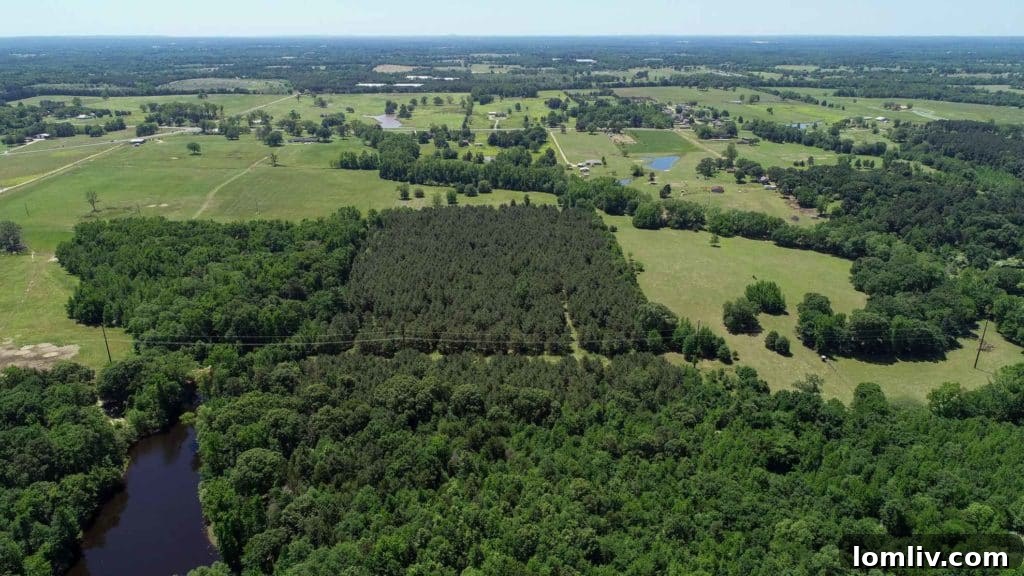
The vast and diverse landscapes of Texas witnessed an unprecedented surge in small land sales during 2020, reaching historic highs in both transaction volume and average price per acre. This remarkable trend, detailed in the 2021 edition of the Texas Small Land Sales Report released by Texas Realtors, paints a vivid picture of a market invigorated by shifting priorities and a renewed appreciation for rural living. The report underscores a significant recalibration of buyer preferences, with an increasing number of individuals and families seeking solace, space, and investment opportunities outside the bustling urban centers.
A staggering 34 percent increase in the total number of small land sales was recorded across the Lone Star State, translating to an impressive 10,465 tracts changing hands. This substantial leap signals a robust and highly active market, reflecting a broad-based demand that permeated every corner of Texas. Concurrently, the average price per acre experienced a steady climb, growing by 3.8 percent year-over-year to settle at an all-time high of $6,471 per acre. This dual escalation in sales volume and price highlights a competitive environment where demand consistently outpaced available inventory, driving up values and making land a highly sought-after commodity.
Marvin Jolly, chairman of Texas Realtors, eloquently articulated the underlying drivers behind this market explosion. “After spending a year in lockdown, and with so many Texans working from home, many buyers are seeking more space and are looking for land away from city life,” Jolly explained. The global pandemic undeniably played a pivotal role, compelling a fundamental shift in how people perceive their living and working environments. The desire for greater personal space, enhanced privacy, and the psychological benefits of being closer to nature became paramount for many, fueling an exodus from densely populated areas towards more expansive rural settings. This movement was not solely confined to traditional agricultural pursuits; instead, it encompassed a diverse array of buyers.
Jolly further elaborated on the evolving buyer demographic: “These buyers are not only farmers and ranchers. Many are moving from out of state and are purchasing land in Texas due to the attractive opportunities and quality of land available.” Texas, with its robust economy, lack of state income tax, and diverse geographical offerings ranging from rolling hills to vast plains, has long been a magnet for migration. The allure of investment opportunities, coupled with the state’s natural beauty and the promise of a more relaxed lifestyle, proved irresistible to a new wave of buyers, including remote workers, retirees, and those seeking recreational properties or sites for future homesteads. This influx of out-of-state capital and interest further intensified the competition within the small land market.
The heightened interest in Texas land has been keenly observed by leading brokerages specializing in rural properties. Companies like Mossy Oak Properties Texas reported a significant uptick in inquiries and transactions, actively assisting buyers in navigating the complex market to find suitable recreational tracts, working ranches, and other types of rural acreage across the state. These specialized firms, with their deep understanding of land valuation, zoning, water rights, and other crucial factors, became indispensable resources for a burgeoning clientele eager to invest in Texas’s diverse land offerings. Their insights confirmed the widespread nature of the demand, stretching from hunting parcels to potential development sites, reflecting a broad spectrum of motivations.
The geographical reach of this land boom was comprehensive, with all seven regions across the state reporting increases in small land sales. While the statewide average was robust, certain regions experienced truly explosive growth. Far West Texas led the charge with an astonishing 53 percent increase in sales activity, underscoring the region’s burgeoning appeal. This significant jump suggests that even historically less densely populated areas are now becoming hotbeds of activity, likely driven by the quest for truly expansive properties and perhaps more affordable entry points compared to the state’s central corridors. Following closely was the dynamic Austin-Waco-Hill Country region, which saw a substantial 33 percent increase over the previous year, reflecting its continuous growth as a highly desirable destination for both residents and investors, blending scenic beauty with economic vitality.
Beyond the sheer volume and price increases, the report also highlighted another significant market shift: a decrease in the average tract size for small land sales. In 2019, the average size stood at 32 acres, but this shrunk to 30 acres in 2020. This trend indicates that while more transactions are occurring, buyers are generally acquiring smaller parcels. This phenomenon could be attributed to several factors, including increasing land values pushing buyers towards more manageable plots, a growing number of individuals seeking smaller “hobby farm” or recreational properties, or simply the dwindling availability of larger, more contiguous tracts. Interestingly, most regions across Texas mirrored this trend, with the notable exceptions of the West Texas and Gulf Coast-Brazos Bottom regions, where the average tract size either remained stable or marginally increased, potentially due to different land use patterns or available inventory in those specific areas.
The intensity of the current market was further emphasized by Dr. Charles Gilliland, an esteemed economist with the Texas Real Estate Research Center at Texas A&M University. Dr. Gilliland remarked, “I’ve never seen this high of demand for small land before. The market for land has become as competitive as the market for single-family homes.” This comparison is telling, as it elevates rural land from a niche investment to a mainstream asset class, subject to the same feverish bidding wars and swift transactions typically associated with residential properties. He observed that “Last year, land sales activity gained steam in the third and fourth quarter; this momentum has continued into 2021.” This strong close to 2020 and sustained vigor into the subsequent year points to a long-term trend rather than a fleeting anomaly, driven by foundational shifts in consumer behavior and economic conditions. While the price per acre saw a modest increase in 2020, Dr. Gilliland’s forecast is decidedly bullish: “Although the price per acre increased slightly in 2020, I anticipate stronger price increases ahead in the remainder of 2021.” This projection suggests that the underlying forces driving demand are powerful and persistent, promising continued appreciation for Texas landholders.
It is important to clarify the definition of a “small” land sale, as this term can vary significantly by region and geographical context. Generally, across most of Texas, a land sale is categorized as “small” if the tract size is 200 acres or less. However, the vast expanse and unique characteristics of Far West Texas necessitate a different scale. In this colossal region, where properties are typically much larger, a “small” land sale can encompass anywhere from 500 to 8,000 acres. This regional differentiation highlights the diverse nature of Texas’s real estate market and the need for buyers and sellers to understand the specific nuances of their desired locale, ensuring they are operating within the correct market parameters and expectations.
Looking ahead, the outlook for Texas land sales remains optimistic and highly competitive. Marvin Jolly of Texas Realtors reiterated this sentiment, stating, “As more people choose to move to Texas, land sales activity is likely to continue to be competitive.” This sustained demand is not only a function of population growth and migration but also increasingly tied to technological advancements. Jolly expressed significant optimism regarding the newly created State Broadband Office, anticipating its crucial role in enhancing connectivity in rural locations. “We are optimistic that the newly created State Broadband Office will enhance the connectivity of rural locations, and further increase the appeal and demand for land,” he said. Improved internet access is a game-changer, making remote work more viable, enabling better access to education and healthcare, and fundamentally transforming the appeal of rural life for many urban dwellers. This infrastructural development is poised to unlock even greater potential in Texas’s vast rural areas, making them more attractive for both residential and business purposes.
Given the complexities and unique characteristics of land transactions, especially in a dynamic and competitive market like Texas, professional guidance is indispensable. Jolly strongly advises, “We encourage anyone looking to purchase land in Texas to work with a Texas Realtor who specializes in the area and type of real estate that person desires.” A specialized land Realtor possesses the local market knowledge, understands zoning regulations, water rights, mineral rights, agricultural exemptions, and other critical factors that are often overlooked in standard residential transactions. Their expertise ensures that buyers make informed decisions, navigate potential pitfalls, and ultimately secure properties that align with their long-term goals and aspirations, whether for investment, recreation, or building a dream home in the heart of Texas.