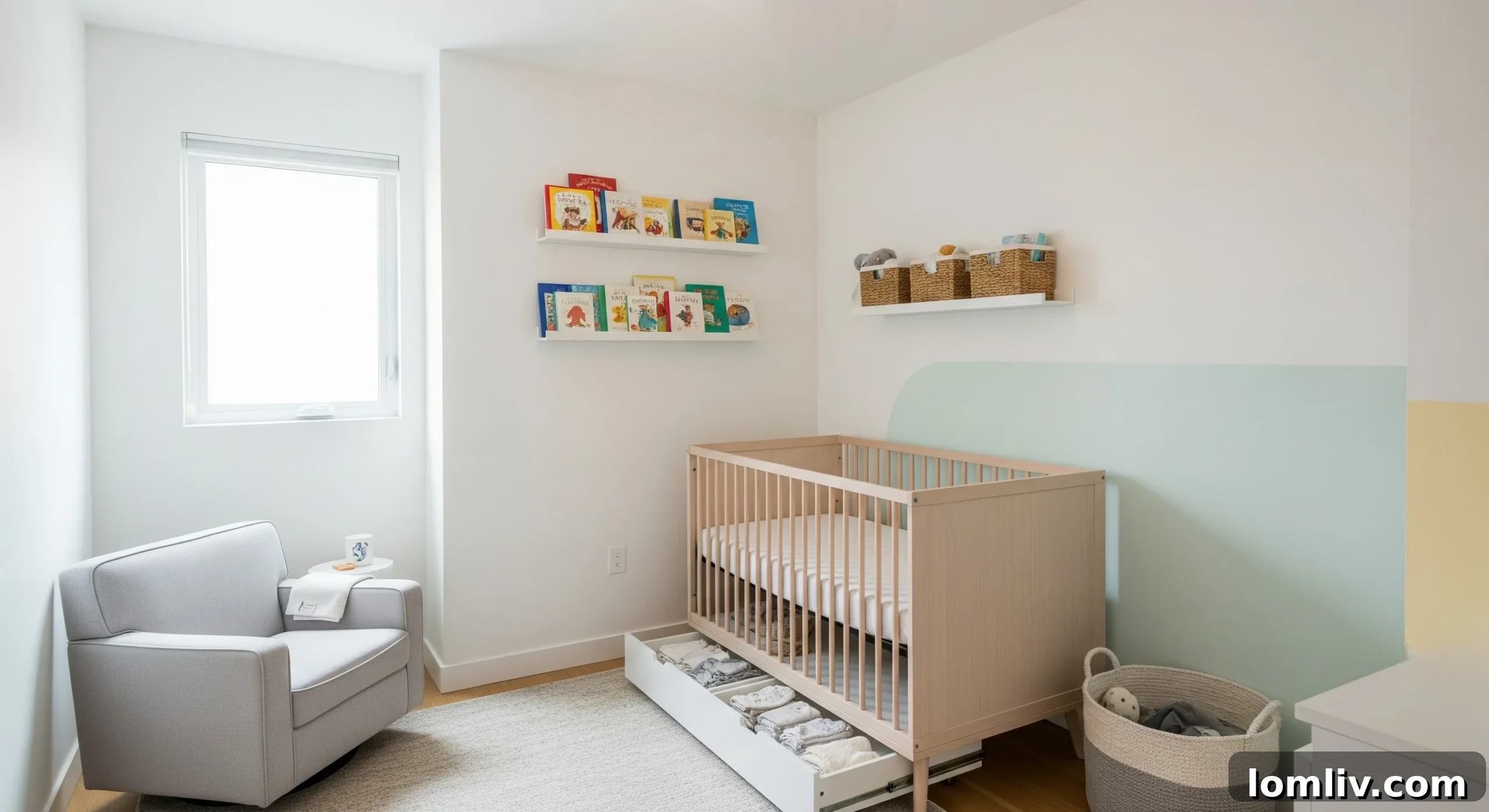

Transforming a compact room into a serene and highly functional nursery can feel like a daunting challenge for many expectant parents. In an era where living spaces are often at a premium, young families are increasingly seeking ingenious solutions to create a nurturing environment for their newborns without needing expansive square footage. The secret lies not in the literal size of the room, but in the intelligent application of smart design principles, strategic furniture choices, and an unwavering focus on practicality and comfort. With a thoughtful and intentional approach, even the tiniest corner can become a beautiful, remarkably efficient, and deeply comforting haven for your baby and for you.
Designing a small nursery demands creativity and a keen eye for maximizing every inch. It’s about making conscious decisions that contribute to both aesthetics and functionality. Consider how a simple yet impactful choice, like a small nursery chair, can redefine the perceived spaciousness and warmth of a confined area. By focusing on essentials, employing space-saving furniture, and leveraging clever organizational tactics, a small nursery can transcend its size to become a perfectly cozy and calming space that works seamlessly through the newborn months and well into toddlerhood. This article will guide you through key strategies to achieve a dream nursery, regardless of its dimensions.
Prioritize Essentials: Building Blocks for Your Small Nursery
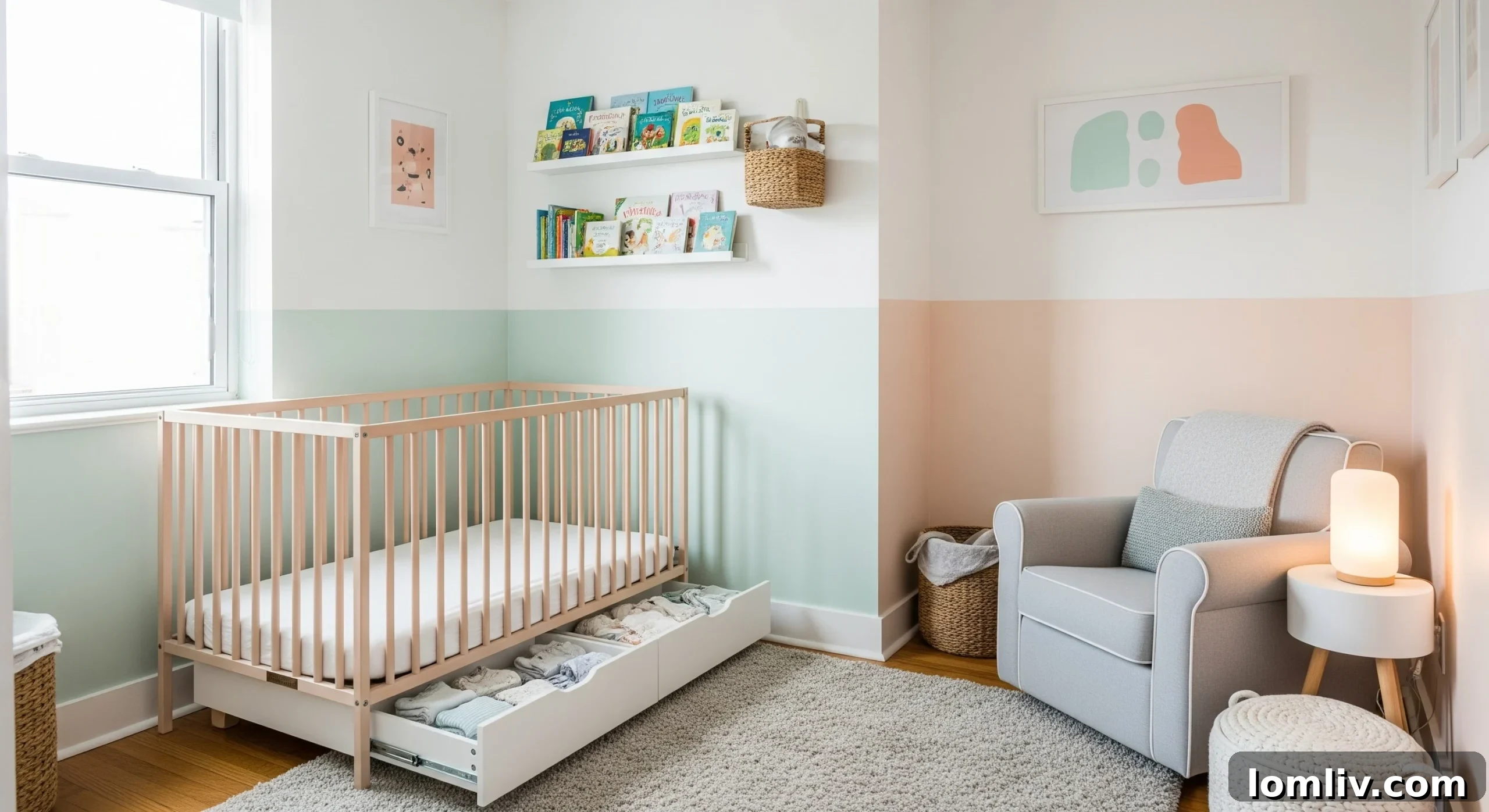
When embarking on the journey of designing a small nursery, the temptation to get lost in decorative themes, intricate patterns, and endless browsing of inspiration boards is strong. However, for compact spaces, the initial and most critical step is to identify the absolute necessities. A safe and sturdy crib, comfortable and supportive seating for feeding and soothing, gentle and adjustable lighting, and smart, accessible storage solutions form the fundamental core of any effective nursery. These are the non-negotiable items that will dictate the room’s primary functions and overall flow. By scaling these items appropriately for the room’s dimensions and placing them with deliberate intent, you lay a solid and efficient foundation upon which all other elements can effortlessly fall into place.
Instead of rushing to fill every corner with furniture and decor, adopt a truly minimalist mindset for your small nursery. Envision your daily routines with your baby: what items will you genuinely use every single day? Focus intensely on these core pieces, allowing the layout to breathe and preventing the gradual accumulation of bulky or superfluous items that quickly overwhelm a small footprint. This disciplined approach is particularly advantageous in smaller homes, where every inch reclaimed contributes significantly to an overall feeling of openness, tranquility, and ease of movement. Prioritizing quality and multi-functionality over sheer quantity ensures that your small nursery is not just functional, but also a serene sanctuary free from unnecessary visual and physical clutter, fostering a calming environment for both parent and child.
Strategic Furniture Selection: Maximizing Space with Compact Pieces
The distinction between a cramped, overwhelming nursery and a comfortable, inviting one often hinges directly on the scale of your furniture. Overly large, traditional pieces can quickly consume precious floor space, making a room feel claustrophobic, visually heavy, and difficult to navigate. Conversely, selecting compact or highly multi-functional nursery furniture allows the space to feel balanced, intimate, and effortlessly navigable. Consider the nursery chair, for example. New parents dedicate countless hours to feeding, rocking, comforting, and bonding with their baby in this single spot. A thoughtfully designed small nursery glider or rocking chair can provide all the essential comfort and support of a traditional model without demanding a disproportionately large footprint. Look for chairs with a slender profile, integrated armrest storage, or a smooth gliding mechanism that doesn’t require excessive wall clearance.
Beyond seating, the same critical principle applies to other crucial items. Opt for a convertible crib that can transform from an infant crib into a toddler bed and even a daybed, extending its utility and value for years to come. Changing tables can be ingeniously integrated into dressers, providing dual functionality, or you might consider wall-mounted folding units that save invaluable floor space when not in active use. Cribs with built-in drawers underneath offer invaluable under-crib storage, turning otherwise unused space into a practical asset for linens, diapers, or out-of-season clothing. Smaller-scale furniture not only enhances the visual appeal of a tiny room but also significantly improves traffic flow and ensures safer movement, which is especially important during those groggy, late-night routines when you’re carrying a sleeping baby. Leading interior design resources, such as Better Homes & Gardens, consistently highlight that choosing the right scale is arguably the most effective strategy for visually expanding a room and creating a harmonious environment – a principle that becomes even more paramount when designing for the dynamic and evolving needs of a growing family in a limited space.
Ingenious Storage Solutions: Weaving Organization into Design
A truly successful small nursery design seamlessly integrates storage rather than treating it as an afterthought squeezed into remaining gaps. Instead of simply adding more bulky furniture that eats up floor space, explore creative and vertical ways to leverage existing wall surfaces, corners, and even the often-overlooked backs of doors. Wall-mounted shelving is an invaluable asset, effectively freeing up precious floor space while keeping daily essentials like diapers, wipes, lotions, and burp cloths conveniently within arm’s reach. Floating shelves can be strategically placed above the changing station or crib (at a safe and unreachable height for the baby) to display cherished books, small decorative items, or frequently used supplies.
Capitalize on every hidden nook and cranny. Under-crib space, often wasted, can be transformed with purpose-built drawers or aesthetically pleasing storage bins that slide neatly out of sight. These can house extra linens, seasonal clothing, a rotating selection of toys, or even bulkier baby gear. Over-the-door organizers, often featuring multiple clear pockets or mesh compartments, can transform the back of a nursery door into a vertical storage hub for lightweight items such as bibs, pacifiers, small soft toys, or onesies. Consider modular storage units that can be reconfigured as your child grows and their needs change, or woven baskets and fabric bins that add texture and warmth while discreetly containing clutter on open shelves or cubbies.
A meticulously organized nursery offers dual benefits that extend beyond mere tidiness: it not only creates the illusion of a larger, more expansive room but also significantly reduces the mental load and stress on tired parents. When every item has a designated, logical place, routines become smoother, tasks are completed more efficiently, and the entire space exudes a profound sense of calm and serenity. This thoughtful approach to storage contributes positively to both parent and baby’s well-being, fostering a peaceful and functional environment.
Harnessing Color and Light to Expand Your Small Nursery

Color is arguably one of the most powerful yet often underestimated design tools available when decorating a small nursery. The right palette can dramatically influence how spacious, bright, and calming a room feels, effectively transforming its perceived dimensions. Soft, airy tones such as crisp whites, subtle off-whites, light grays, and muted pastels visually recede, making walls appear further away and creating an immediate sense of openness and airiness. These gentle hues also provide a soothing and harmonious backdrop, ideal for fostering a peaceful environment conducive to newborn routines, restful sleep, and quiet playtime, all without feeling stark, cold, or overly clinical.
Consider popular and effective palettes like a ‘Scandi Neutral’ with warm whites, creamy off-whites, and pale wood tones, which evoke timeless brightness, natural simplicity, and a sense of coziness. A ‘Soft Sage’ offers a wonderfully calming, organic feel with its muted green undertones, perfect for connecting with nature and promoting tranquility. Alternatively, a ‘Barely Blush’ introduces a gentle warmth and nurturing ambiance through its subtle pinkish-beige notes, creating a comforting embrace. Each of these palettes, by reflecting natural and artificial light rather than absorbing it, contributes significantly to an expansive and airy atmosphere that defies the room’s actual size.
Equally crucial is the strategic use of lighting. Natural light should be maximized whenever possible; keep window treatments light, sheer, and easy to draw back to allow sunlight to flood the room during the day. For artificial lighting, layering is key to creating depth and versatility. Incorporate warm-toned LED bulbs in overhead fixtures to cast a soft, inviting glow. Dimmable overhead lights offer essential flexibility, allowing you to brighten the room for active play or diaper changes, and then softly dim it for evening routines or nighttime feeds without jarring the baby or parent. Complement these with soft-glow night lights for easy, non-disruptive navigation in the dark, and a charming table lamp or floor lamp to add an inviting pool of task lighting for reading stories or late-night feeds. Layered lighting adds dimension and warmth to a compact room, preventing it from feeling flat or confined. This thoughtful integration of color and light works in perfect concert to transform a small space into a naturally soothing, visually expansive, and deeply welcoming retreat for your new arrival.
Use Layout to Improve Flow, Not Just Fill Corners
Small rooms thrive on purposeful and strategic layout decisions. Rather than instinctively pushing all furniture against the walls, which can sometimes make a room feel boxy, cramped, and uninviting, take a moment to consider how you will move through the space during your daily routines. Envision the path from the door to the crib, from the crib to the changing station, and from the changing station to the feeding chair. A clear, unobstructed path not only reduces the feeling of clutter but also creates an immediate sense of openness, freedom of movement, and overall ease in the nursery.
Strategic placement of key items can dramatically improve efficiency and functionality. Position the crib in a spot that feels secure and protected, away from direct drafts, harsh light, or potential hazards, creating a dedicated sleep zone. Place comfortable seating near a window to capitalize on natural light for daytime bonding, reading stories, or simply enjoying a quiet moment with your baby. Keep the dresser or changing table conveniently close to the main changing area, minimizing unnecessary steps and frantic searches during a quick diaper change. Design experts frequently advocate for focusing on ‘reachable zones’ – areas where you can comfortably access everything you need without traversing the entire room. This concept is particularly invaluable during those demanding late-night routines, where convenience, swift access to essentials, and minimal disruption matter most. Creating distinct yet fluid zones for sleeping, feeding, changing, and even a small play area, even within a single room, helps to organize the space visually and functionally, making the small nursery feel much more expansive and thoughtfully designed than its actual size suggests.
Personalize With Meaningful, Minimal Details
Even the most compact nursery deserves a touch of personality and warmth that beautifully reflects your family’s unique style, cherished memories, and boundless love. The key in a small space is unwavering intentionality: less often feels like significantly more. Instead of an abundance of small, scattered items that can quickly create visual clutter and a sense of overwhelm, opt for a few carefully selected, meaningful details that truly make a statement without overwhelming the room’s limited dimensions. A simple yet captivating wall print featuring whimsical art, a heartfelt quote, or a soothing landscape can add charm and focal interest. A soft and inviting rug can define a play area, add texture, or introduce a pop of color, grounding the space. A curated collection of favorite children’s books, displayed on a slim wall shelf, or a single, beautifully crafted mobile above the crib can infuse charm and character without consuming valuable space.
Consider incorporating elements that tell a story: a hand-knitted blanket from a grandparent, a framed photo that captures a special moment, or a beloved toy passed down through generations. These personal touches add profound depth, warmth, and a sense of heritage, making the space feel truly intimate and uniquely yours. Because compact nurseries naturally leave little physical room for excess decor, parents are gently encouraged to gravitate towards more intentional, cherished choices. This thoughtful curation results in a delightful space that feels not only incredibly intimate and highly functional but also deeply considered, brimming with love and personality without ever feeling cramped, chaotic, or overdone. Every chosen detail stands out, contributing meaningfully to an overall sense of peace, comfort, and profound personalization.
A Small Nursery Can Still Feel Spacious, Functional and Warm
Designing a nursery in a small home is not about making uncomfortable compromises on comfort, style, or functionality; rather, it’s an exciting opportunity to choose elements that work harder, smarter, and with greater purpose. By embracing strategic furniture scaling, implementing ingenious vertical and hidden storage solutions, harnessing the transformative power of gentle colors and layered lighting, and crafting a mindful, flow-enhancing layout, even the most diminutive room can be completely transformed into a welcoming, highly efficient, and deeply comforting retreat for both parent and child. It’s about clever design, not square footage.
The inherent beauty of a compact nursery lies precisely in its intimacy. Small spaces don’t limit comfort; in many homes, they actually amplify it, fostering a profound sense of closeness, security, and warmth that can be incredibly reassuring and comforting during the early, tender days of parenthood. The meticulous attention to detail required for a small nursery often results in a space that feels deeply personal, remarkably calm, and incredibly intentional from the moment you step through the door. Remember, your baby’s first room doesn’t need to be vast or extravagant; it simply needs to be full of love, smart design, and thoughtful functionality to nurture a tiny new life.