Dallas Housing Market Heats Up: Inventory Challenges Drive Price Growth and Market Stabilization
The dynamic Dallas-Fort Worth (DFW) metropolitan area continues to be a focal point in the national real estate landscape. Recent reports from leading analytics firms like CoreLogic confirm what local real estate professionals have observed firsthand: a robust housing market characterized by exceptionally low inventory levels and significant year-over-year home price appreciation. This environment, while presenting unique challenges for prospective buyers and their agents, also signals a crucial trend towards market stabilization and long-term investment potential in one of the nation’s fastest-growing regions. Understanding these intertwined dynamics is key to comprehending the current state and future trajectory of the Dallas housing market.
The Persistent Challenge of Low Housing Inventory in DFW
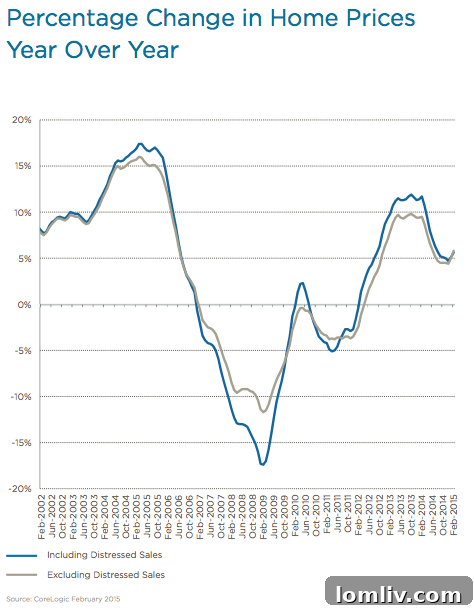
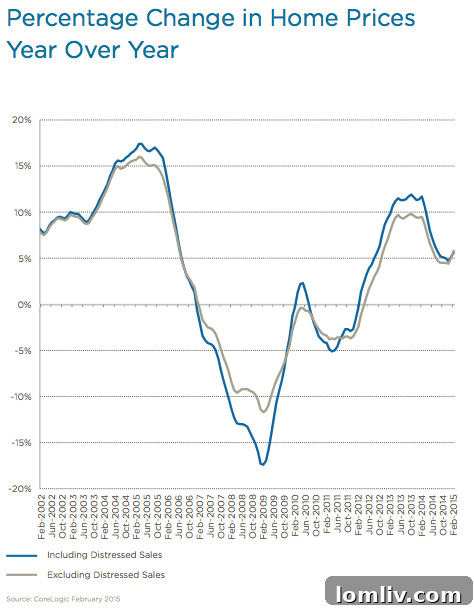
The scarcity of available homes remains the defining characteristic of the Dallas housing market. CoreLogic’s latest Home Price Index (HPI) report underscores this reality, highlighting that fewer homes on the market are directly fueling higher-than-average home price appreciation. This trend is particularly pronounced as the region enters what is traditionally its busiest selling season. Realtors across the Dallas area are working tirelessly, often resorting to proactive outreach and encouraging hesitant homeowners to list their properties to meet the overwhelming demand. Many agents report a spring selling season filled with “cold calls” and earnest pleas for homeowners who are on the fence about selling to take action, reflecting the intense competition for listings.
Several factors contribute to this persistent inventory crunch. Rapid population growth in the DFW metroplex, driven by robust job creation and corporate relocations, constantly adds to the pool of potential homebuyers. Simultaneously, new home construction, while active, often struggles to keep pace with this influx. Builders face challenges such as rising material costs, labor shortages, and regulatory hurdles, which slow down the delivery of new housing units. Furthermore, many existing homeowners, having secured favorable interest rates in previous years, are reluctant to sell, fearing they may not find a suitable replacement home or face higher financing costs for a new purchase. This creates a cycle where limited supply intensifies competition, leading to multiple offers, escalating prices, and a fast-paced market where desirable properties are snapped up quickly, often above asking price.
Market Stabilization Amidst Appreciation: A Deeper Dive
While the limited inventory can undoubtedly create frustrations for those actively searching for their dream home, it has produced a significant and often overlooked side-effect: enhanced market stabilization. Dr. Frank Nothaft, chief economist at CoreLogic, notes, “Since the second half of 2014, the dwindling supply of affordable inventory has led to stabilization in home price growth, with a particular uptick in low-end home price growth over the last few months.” This statement offers a crucial insight into the underlying health of the market.
This observation is critical. Stabilization implies a more predictable and sustainable growth trajectory, rather than erratic, volatile swings reminiscent of boom-and-bust cycles. It suggests that while home prices are rising, the Dallas housing market is not overheating in an unsustainable manner; instead, it’s finding a new equilibrium driven by fundamental demand. The disparity in appreciation between different price segments is particularly telling. From February 2014 to February 2015, low-end home prices in the DFW area increased by a remarkable 9.3 percent. In contrast, high-end home prices saw a 4.8 percent increase. This substantial gap, reported to be three times the historical difference, indicates that affordability challenges are pushing demand towards lower-priced homes, which subsequently experience more rapid appreciation due to heightened competition. This trend can be a double-edged sword: it builds equity for owners of more affordable homes but also makes entry-level homeownership increasingly challenging for first-time buyers and those with limited budgets, exacerbating the affordable housing crisis.
Dallas-Plano-Irving MSA: A Snapshot of Exceptional Growth
Zooming in on the Dallas-Plano-Irving Metropolitan Statistical Area (MSA), CoreLogic’s February 2015 report highlights impressive home price growth figures that underscore its dynamism. The MSA recorded a 9.3 percent increase in home prices, including distressed sales, and an 8.3 percent increase when excluding distressed sales, on a year-over-year basis. Such robust growth positions this North Texas area as a powerhouse in the national housing market, placing it second only to the much larger Houston-The Woodlands-Sugar Land MSA in terms of price growth during this period. This remarkable performance solidifies DFW’s reputation as a top-tier market for real estate investment and ownership.
The Dallas-Plano-Irving corridor is a testament to strong economic fundamentals that consistently attract businesses and residents. It boasts a thriving job market, fueled by major corporate headquarters, a diverse industry base spanning technology, finance, and healthcare, and a highly educated workforce. These factors attract a continuous stream of new residents, creating an insatiable demand for housing across all segments – from urban lofts to suburban family homes. This consistent demand, coupled with the aforementioned supply constraints and Dallas’s pro-business environment, forms the bedrock for sustained price appreciation and a highly competitive buying environment. The area’s infrastructure, amenities, and quality of life further enhance its appeal, ensuring that demand for housing remains strong.
Navigating the Market: Investors, Affordability, and Sustainability
The rapid escalation in low-end home prices naturally brings to light several important questions, particularly concerning investor-owned properties and the broader issue of housing affordability and sustainability. As home values climb, especially in the more accessible price ranges, the role of real estate investors becomes more prominent. Will this robust appreciation lead to a slow release of investor-held properties back onto the market, or might it prompt a rush of “shadow inventory” – properties that are owned by investors or lenders but not yet listed for sale? While some investors may choose to cash out, the current market conditions, characterized by rising rents and strong property value appreciation, suggest that many investors are likely capitalizing on these trends, potentially holding onto assets longer to maximize returns. This strategy, while profitable for investors, further restricts the supply of homes available for traditional buyers.
For everyday buyers, especially those looking for homes under $500K, the situation is increasingly complex. With renting becoming progressively more expensive, the dream of homeownership remains strong, yet the path to achieving it is increasingly fraught with challenges. The current frenzy, characterized by competitive bidding wars, waived contingencies, and quick sales, is undoubtedly turning off many potential buyers, leading to frustration and a sense of being priced out. How can the market be structured to make buying a home both attractive and sustainable for all segments of the population? Addressing this requires a multi-pronged approach, potentially involving incentives for new construction to increase supply, innovative financing options for first-time buyers, and a closer look at urban planning strategies to increase housing density and diversify housing types within desirable areas. Sustainable growth necessitates a balance between market appreciation and broad-based accessibility to homeownership.
Dallas as a “Low-Risk” Investment: Insights from Local Market Monitor
Further reinforcing the positive outlook for the Dallas market, the March 2015 report from the investment-focused Local Market Monitor designates the Dallas-Plano-Irving metro as a “low-risk” investment. This assessment is based on a compelling combination of high population growth and a persistent shortage of new housing stock, indicators that typically signal a healthy and appreciating market for real estate.
“Population growth continues high, with high in-migration. There is a large renter population. Home prices were sharply higher in the past year. Homebuilding has been too low for the level of in-migration. Expect a strong housing market the next few years. We expect home prices to increase 35% over the next three years.”
This remarkable projection of a 35% increase in home prices over the subsequent three years underscores the confidence analysts place in the underlying economic strength and housing demand of the DFW area. Such a forecast, even when tempered with natural market fluctuations and economic cycles, suggests substantial long-term value appreciation for property owners and investors alike. The “low-risk” label is particularly appealing to long-term investors seeking stable returns in a rapidly growing economy, further solidifying Dallas’s reputation as a prime real estate destination. The report effectively summarizes the key drivers: a booming population, high demand from renters transitioning to buyers, and a construction industry that, while active, cannot fully satisfy the escalating demand.
Understanding Capitalization Rates and the Rise of Homeowner-Landlords
Adding another layer to Dallas’s investment appeal is its capitalization rate, a key metric for real estate investors. The report notes an impressive cap rate of 4.4 percent for rental properties. For those unfamiliar, the capitalization rate (or “cap rate”) is a fundamental metric in real estate investment, representing the annual return on investment from rental income, relative to the property’s current market value. Essentially, it’s the net operating income generated by a property divided by its current market value, providing a quick snapshot of a property’s income-generating potential. A 4.4 percent cap rate is indeed “not too shabby at all,” indicating healthy potential returns for rental property owners, especially in a market characterized by rising rents and property values.
This favorable cap rate, combined with strong demand for rental units, is contributing to an interesting phenomenon in the Dallas market: homeowners transforming into landlords. In some scenarios, individuals who are looking to upgrade or relocate within the DFW area are choosing to rent out their existing homes, leveraging the strong rental market to generate income, while simultaneously searching for a second house to purchase. This strategy allows them to capitalize on their existing equity, benefit from rental income, and maintain a foothold in the competitive buying market. However, this trend further reduces the number of homes available for sale, as properties that might otherwise be listed are instead converted into rental units. This intensifies the demand for existing homes for sale and reinforces the ongoing inventory challenge, creating a self-perpetuating cycle in the DFW housing landscape.
Future Outlook: Continued Growth and Expert Confidence
The consensus among real estate experts points to continued growth for the Dallas housing market. Anand Nallathambi, president and CEO of CoreLogic, encapsulated this optimism, stating, “This is the hottest home price appreciation prior to the spring selling season in nine years. Assuming a benign interest rate environment and continued strong consumer confidence, we expect home prices to rise an additional 5 percent over the next 12 months.” This forecast highlights the resilience and sustained strength anticipated for the region’s property values.
This projection underscores the critical role of external economic factors. A stable interest rate environment encourages buyers by keeping borrowing costs manageable, making homeownership more accessible. Meanwhile, robust consumer confidence, fueled by job security and overall economic optimism, is an essential driver of home purchasing decisions. The Dallas-Fort Worth economy, with its diversified sectors (including technology, finance, logistics, and healthcare) and continuous influx of talent, is exceptionally well-positioned to maintain this momentum. While challenges like affordability and inventory constraints will undoubtedly persist, the underlying demand and economic vitality of the region suggest a promising trajectory for its real estate sector. Continuous monitoring of these factors, alongside new construction efforts, evolving demographic trends, and potential policy changes, will be key to understanding the market’s ongoing evolution and navigating its opportunities and challenges effectively.
Conclusion
The Dallas housing market is undeniably hot, driven by strong economic fundamentals, relentless population growth, and a significant imbalance between supply and demand. While low inventory presents immediate hurdles for homebuyers and agents, it also contributes to market stabilization and consistent home price appreciation, making DFW an attractive prospect for long-term investment. As experts predict continued growth, navigating this dynamic landscape requires a clear understanding of its complexities – from the specific dynamics of low-end versus high-end markets to the interplay of investor activity and homeowner decisions. The vibrancy of the Dallas-Plano-Irving MSA serves as a beacon of growth and opportunity, promising a robust real estate future, albeit one that demands strategic engagement and adaptability from all market participants.