Dallas, a vibrant metropolis known for its dynamic growth, frequently grapples with a pressing challenge: the scarcity of public green space. While the city has initiated commendable projects to integrate more urban parks and communal areas into its core, these efforts often come with significant investment. In a city where the built environment heavily favors car culture and expansive infrastructure, the question arises: how can new green spaces be strategically added to genuinely enhance the experience of both pedestrians and daily commuters? This complex conundrum has been a recurring focus for Thomas Woltz, an internationally recognized landscape architect whose pioneering work consistently redefines the boundaries of urban design.
Daltxrealestate.com was granted an exclusive opportunity to engage with Woltz, gaining his invaluable insights ahead of his much-anticipated lecture. This significant event, hosted by the Dallas Architecture Forum, was held at 7 p.m. in the esteemed Horchow Auditorium of the Dallas Museum of Art, drawing professionals and enthusiasts eager to explore innovative solutions for urban landscapes.
Attendees for this insightful lecture could secure tickets for $20 for general admission, $15 for Dallas Museum of Art members, and a special rate of $5 for students presenting a valid ID. Tickets were conveniently available for purchase at the door prior to the lecture, and no advance reservations were required. Members of the Dallas Architecture Forum enjoyed complimentary admission to all regular Forum lectures as a valued benefit of their membership. Additionally, AIA members had the opportunity to earn one hour of Continuing Education (CE) credit for each lecture, contributing to their professional development. For those seeking more comprehensive information about The Dallas Architecture Forum and its upcoming events, details can be found at www.dallasarchitectureforum.org or by calling 214-764-2406.
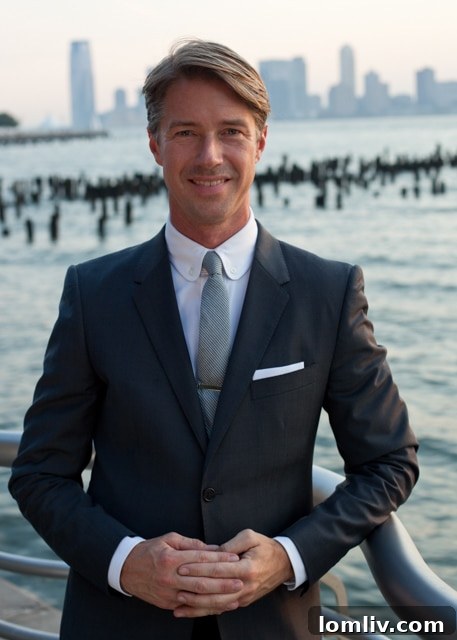
As the principal of Nelson Byrd Woltz Landscape Architects (NBW), a distinguished firm comprising 45 dedicated professionals with offices in Charlottesville, Virginia, and New York City, Thomas Woltz has carved a unique niche in the field. His groundbreaking work consistently integrates the rich historical and ecological narratives of the land into the very fabric of communities—the places where people live, work, and engage in recreation. This innovative approach significantly deepens the public’s connection to and enjoyment of the natural world, while simultaneously fostering a profound sense of environmental stewardship.
NBW’s projects are not merely aesthetic enhancements; they are meticulously crafted models of biodiversity and sustainable agriculture. They strategically intervene in areas plagued by damaged ecological infrastructure and within working farmlands, yielding remarkable transformations. The firm’s portfolio showcases hundreds of acres of expertly reconstructed wetlands, thoughtfully reforested lands, vibrant native meadows, and flourishing wildlife habitats. These endeavors demonstrate a powerful commitment to ecological restoration and the creation of resilient, self-sustaining landscapes that benefit both human communities and natural ecosystems.
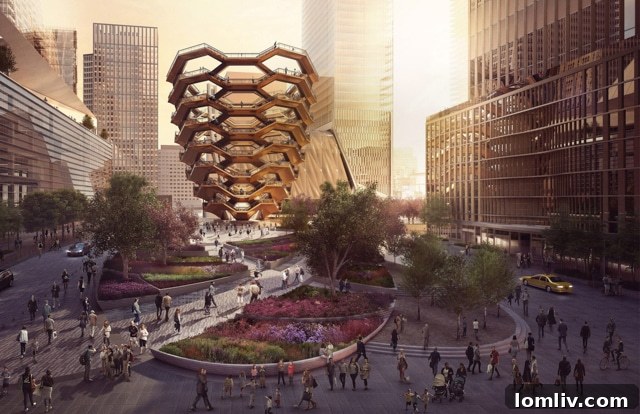
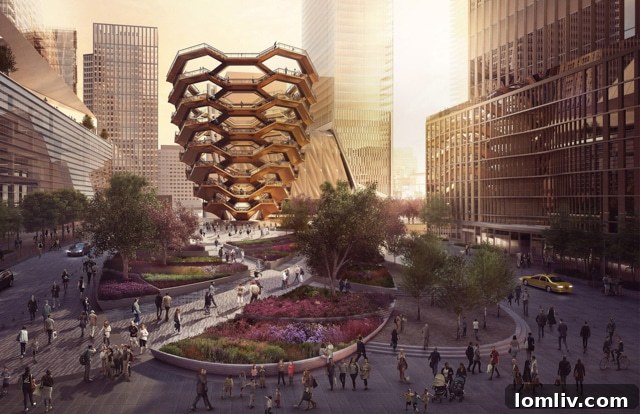
Currently, Thomas Woltz and the NBW team are at the forefront of designing major public parks across diverse geographical locations, including the United States, Canada, and New Zealand. Their impactful projects span a wide array of urban and natural environments. Notable examples include the expansive Memorial Park in Houston, the iconic Hudson Yards in New York City, the burgeoning NoMA Green in Washington D.C., the culturally significant Cornwall Park in Auckland, and the breathtaking Aga Khan Garden in Alberta, Canada. Furthermore, their expertise extends to revitalizing the public realm in Nashville, Tennessee, where they are contributing to three key parks, prominently featuring the historic Centennial Park.
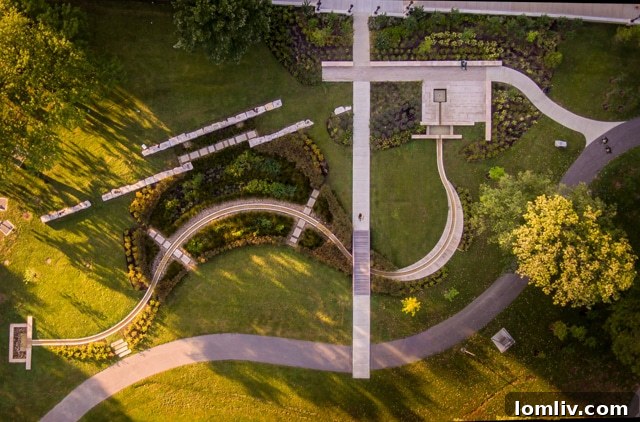
Nate Eudaly, the executive director of the Dallas Architecture Forum, aptly summarizes Woltz’s distinctive impact: “Thomas Woltz holds the rare and significant distinction of being a landscape architect who has masterfully designed a diverse range of projects, encompassing residential, corporate, and public spaces. What truly sets him apart is his unique methodological approach to landscape design. He champions exhaustive research, delving deep to comprehend the intricate ecology and rich history of an area, using this foundational understanding as the bedrock for every design concept.”
Eudaly further elaborated on Woltz’s profound vision, stating, “His ultimate objective extends far beyond merely adorning the environment. Instead, he is committed to fundamentally improving the underlying eco-system and skillfully bringing forth the inherent history of an area. This process culminates in the creation of a powerful and authentic identity that resonates deeply and attracts people from all walks of life. Due to this transformative philosophy, he has been universally acclaimed as a visionary, consistently earning widespread recognition and accolades for his exceptional and impactful body of work.”
The highly anticipated lecture by Thomas Woltz took place on February 6th at 7 p.m., with a welcoming check-in and a complimentary reception commencing at 6:15 p.m. All events were held at the elegant Horchow Auditorium, situated within the renowned Dallas Museum of Art, offering attendees a sophisticated backdrop for an evening of insightful discussion and architectural inspiration.
Continue reading for our exclusive Q&A session with the visionary landscape architect, Thomas Woltz, where he delves into critical topics shaping contemporary urban design and environmental stewardship.
Dallas, much like numerous other major urban centers globally, exhibits a profound longing for more accessible public green spaces. However, the city frequently encounters significant hurdles in identifying suitable land for their creation. What innovative or unconventional strategies can cities employ to effectively expand their public green space inventories and, concurrently, alleviate the pervasive issue of overuse and escalating demand on their existing, often strained, public amenities?
Woltz: This is truly an excellent and timely question for any contemporary practitioner engaged in public realm landscape architecture, primarily because there are so many compelling examples of successful innovation in this area. One of the most impactful strategies involves what we term “on-structure projects.” These initiatives are typically constructed on top of existing urban infrastructure, such as abandoned or active rail lines. A prime illustration of this approach can be seen in our firm’s work on Hudson Yards and Sunnyside in New York City – both exemplify these unconventional strategies that ingeniously multiply available public space in densely built environments. Another significant project in our portfolio is the Park Over GA400 in Atlanta, which involves constructing a vibrant public park directly over an existing multi-lane highway, effectively transforming a barrier into a community asset.
Beyond building new structures, we deeply admire the holistic and innovative approach adopted by the Houston Parks Board. Their strategy goes beyond simply increasing the quantity of public green space; they meticulously analyze how these spaces are interconnected and, crucially, who they are designed to serve. These projects adopt a city-wide perspective, initially focusing on the extensive network of bayous that permeate Houston and subsequently expanding into a broader urban grid. This grid ingeniously repurposes many “leftover” spaces – including utility rights-of-way, abandoned parcels, and underutilized corridors – transforming them into vital components of a larger, interconnected park system. This approach creates a more equitable distribution of green space and enhances mobility for pedestrians and cyclists.
Furthermore, the Trust for Public Land plays a pivotal role in these efforts, actively working to ensure that every citizen in urban areas has convenient access to a public park within a mile or less of their residence. Their work emphasizes looking not merely at the sheer number or size of parks, but intently at how they are being utilized – what we refer to as the ‘program’ of public space. This entails designing for diverse activities, encouraging community engagement, and ensuring spaces are truly reflective of the needs of the population. Ultimately, a holistic and integrated perspective on the entire urban park system significantly enhances the likelihood of fostering a healthier and more vibrant quality of life for all urban residents.
Dallas has historically endured its fair share of severe droughts, leading to critical water shortages that leave established trees and lush lawns struggling for months. Concurrently, swimming pools remain a highly sought-after feature in many Dallas luxury estates, yet they demand substantial amounts of water for both operation and consistent maintenance. From a discerning design standpoint, what innovative strategies can owners of large estates implement to significantly conserve water resources while simultaneously preserving the aesthetic appeal and grandeur of their expansive landscapes?
Woltz: This poses a challenging yet essential question, particularly in regions prone to water scarcity like Dallas. The most straightforward and ecologically sound answer lies in embracing native species. Generally speaking, plants indigenous to a specific region are intrinsically adapted to its particular environmental conditions. This innate adaptation enables them to far better withstand extreme fluctuations in climate – including droughts and heat – compared to non-native species. They often possess deeper root systems, requiring less supplemental irrigation, and exhibit other fascinating biological responses that enhance their resilience in their native habitat. These species not only conserve water but also support local ecosystems and biodiversity.
We certainly understand the inherent pleasure and cultural attachment to a lush lawn, both from an aesthetic perspective and for recreational use. However, it’s often the case that lawns occupy far more space than is genuinely necessary for active recreation. While they may appear relatively easy to maintain, maintenance crews are typically accustomed to a specific, often water-intensive, maintenance regime. From a design standpoint, therefore, we must engage in a critical re-evaluation, both aesthetically and conceptually, of what constitutes a “beautiful” or “grand” landscape in a contemporary, water-conscious context. This involves challenging traditional notions of grandeur that often prioritize exotic plantings and extensive turfgrass.
A crucial part of our role as landscape architects is to help educate our clients about these alternative paradigms of beauty and sustainability. Gardens are, by their very nature, dynamic and evolving systems. Finding profound beauty and elegance in this continuous change – some aspects predictable, others less so – is incredibly exciting. It draws us closer to the rhythms of nature, allowing us to appreciate a new kind of seductiveness and grace that comes from a landscape that is resilient, ecologically rich, and deeply connected to its place. This shift in perspective is vital for creating truly sustainable and magnificent estates that thrive in harmony with their environment.