
The Delicate Art of Home Staging: A Midcentury Ranch Case Study
In the competitive world of real estate, presenting a home in its best light is paramount to attracting potential buyers and securing a swift sale. This process, known as home staging, involves carefully curating a property’s appearance to appeal to the widest possible audience. The goal is to allow prospective buyers to envision themselves living in the space, free from distractions or strong personal imprints of the current owners. But how far is too far when it comes to neutrality? Can a home be so devoid of personality that it becomes forgettable? We’re about to explore a fascinating case study involving a classic Midcentury Ranch that perfectly illustrates this conundrum, culminating in an unexpected twist that challenges conventional staging wisdom.
Home staging professionals, like our esteemed expert Karen Eubank, frequently emphasize the importance of depersonalization. The advice is clear: remove anything overly specific, unusual, or taste-driven that might prevent a buyer from forming an emotional connection with the property. Buyers often get fixated on a singular, peculiar detail, losing sight of the home’s overall potential. The ideal scenario is a clean, inviting canvas. Today, we delve into a listing that, at first glance, seems to adhere to these principles with unwavering dedication, yet manages to surprise in the most unforgettable way.

First Impressions: The Exterior and the Promise of Normalcy
Our journey begins with the exterior of this particular Midcentury Ranch. From the curb, the home presents itself as, for all intents and purposes, entirely normal. It boasts the quintessential characteristics of its architectural style: clean lines, a sprawling single-story layout, and a harmonious integration with its surroundings. There’s nothing immediately alarming or even particularly striking about its facade. It’s the kind of home that blends seamlessly into a charming neighborhood, promising comfort and functionality without any overt declarations of unique taste. This initial impression aligns perfectly with the foundational principles of effective real estate marketing – a broad appeal that doesn’t alienate any segment of potential buyers.
The exterior images suggest a well-maintained property that has aged gracefully, offering a blank slate for future owners to imprint their personal style. This is precisely what good staging aims for: an approachable and unintimidating presentation. The anticipation built by such an exterior usually leads buyers to expect a similarly understated and tasteful interior. However, as we prepare to step inside, it becomes clear that “normal” is a relative term, and even the most conventional exteriors can harbor the most unconventional surprises.

Stepping Inside: The Reign of Beige in Interior Design
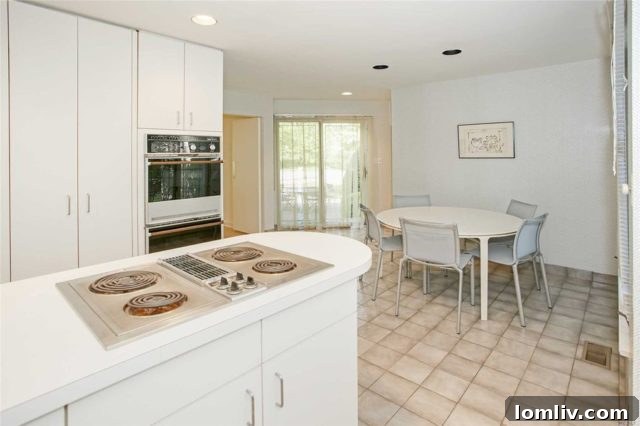
Upon entering this Midcentury Ranch, the prevailing theme immediately becomes apparent: a meticulous and extensive application of neutral tones. Indeed, one might aptly describe the interior decorating scheme as “beige on beige on beige.” Every wall, every fabric, every surface seems to exist within a narrow spectrum of creams, tans, and off-whites. This strategy is not accidental; it’s a deliberate choice in staging designed to maximize a property’s appeal. A neutral palette offers a sense of calm, spaciousness, and cleanliness, providing a versatile backdrop against which buyers can easily visualize their own furniture, decor, and personal style.
The benefits of such an approach are widely recognized. Neutral colors are timeless and sophisticated, making rooms appear larger and brighter. They prevent any single element from dominating the space, allowing the architectural features and natural light to take center stage. For a home seller, this means avoiding potential pitfalls where a buyer might be turned off by a vibrant accent wall or a specific furniture choice. In theory, this “beige on beige” approach creates the ultimate blank canvas, inviting imagination and minimizing objections. It’s an interior that screams “potential,” rather than “personal statement.”

The Fine Line Between Neutral and Nondescript
While a neutral color scheme is often recommended for home staging, there’s a delicate balance to strike. The line between elegantly understated and utterly bland can be perilously thin. An excessive reliance on a single neutral shade, like the overwhelming beige seen throughout this Midcentury Ranch, risks creating an environment that feels devoid of warmth, character, or personality. As one might put it, such a decor “has done nothing wrong, but it’s done nothing right either.” It fails to evoke any strong emotion or create a memorable impression, potentially leaving buyers feeling uninspired rather than enlightened.
Effective neutral staging still incorporates elements of design to add visual interest. This includes varying textures, incorporating natural materials, using different shades of a neutral palette, and introducing subtle pops of accent colors through carefully chosen accessories. A truly well-staged neutral space feels inviting and sophisticated, allowing the home’s inherent beauty to shine through without overwhelming it. However, the almost monolithic use of beige in this particular listing verges on the nondescript, begging for some form of punctuation, a focal point, or a dash of artistic flair to awaken the senses.


The Unexpected Twist: A Masterpiece in the Corner
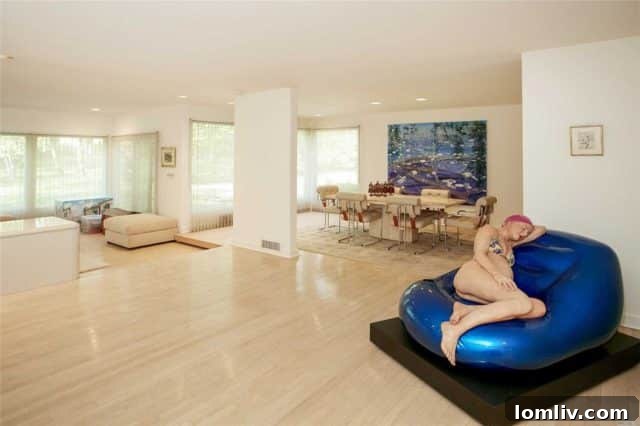
And then, just when you think you’ve seen the full extent of this home’s commitment to neutrality, there it is. A sudden, jarring, and undeniably captivating presence that shatters the beige tranquility. Tucked almost casually into a corner of one of these incredibly neutral rooms stands a hyperrealist sculpture. This is not just any piece of art; it is a profound and lifelike representation of an almost naked, pregnant woman, seemingly taking a peaceful snooze. The piece, titled “Mona Lisa,” is a creation by the renowned artist Carole A. Feuerman, celebrated globally for her captivating hyperrealist sculptures that often depict swimmers and figures in repose.
The sheer audacity of placing such a provocative and emotionally charged artwork in an otherwise utterly conventional and depersonalized space is breathtaking. It’s a deliberate defiance of every staging rule, an artistic statement that demands attention and evokes a visceral reaction. The contrast between the stark neutrality of the room and the intense realism and intimate subject matter of the sculpture creates a powerful, almost unsettling, visual paradox. For anyone accustomed to the predictable world of real estate listings, this is the moment where the narrative takes an entirely unexpected turn, transforming a seemingly ordinary house tour into an unforgettable art experience.

Hyperrealism in Home Staging: A Risky Proposition?
The inclusion of Carole A. Feuerman’s “Mona Lisa” in this home listing sparks a critical discussion about the boundaries of home staging and the psychology of buyer perception. While Feuerman’s work is undoubtedly a significant piece of contemporary art, known for its incredible detail and emotional depth, its placement within a property for sale raises numerous questions. Is it an ingenious way to make a beige house memorable, or is it a catastrophic misstep that will alienate more buyers than it attracts?
On one hand, the sculpture undeniably provides the “color and art” that the overly neutral space desperately needed. It transforms the forgettably bland into the undeniably unique. It serves as an immediate conversation starter, ensuring that no visitor will forget this particular listing. For a niche buyer with a deep appreciation for hyperrealism and a bold aesthetic, this might even be a selling point. However, the prevailing advice in staging is to eliminate any elements that might distract buyers from the home itself or introduce personal biases. A hyperrealistic sculpture of a nude pregnant woman, no matter how artistically significant, is profoundly personal and has the potential to be polarizing.
The cost of such an artwork also adds another layer of consideration. Feuerman’s pieces can command upwards of $25,000, making it a valuable asset that requires careful handling. From a practical standpoint, exposing such a valuable and delicate piece during open houses or numerous showings presents risks of damage or theft. More importantly, it forces potential buyers to react to the artwork itself, rather than simply appreciating the home’s features. This can create an emotional barrier, causing them to focus on their discomfort or surprise instead of envisioning their future in the property. The overall consensus among staging professionals would likely lean towards advising the temporary removal or strategic re-placement of such a distinctive piece when marketing a home for sale.



The Psychology of Home Buying: Distraction vs. Connection
The core objective of home staging is to facilitate a psychological connection between the buyer and the home. This connection is fostered when a buyer can easily imagine their life unfolding within the space, free from the previous owner’s explicit presence. Highly personal items, unconventional decor, or, in this case, a striking piece of hyperrealistic art, can inadvertently become significant mental roadblocks. Instead of focusing on the home’s layout, natural light, or potential for renovation, the buyer’s attention is diverted to the artwork itself.
For many, encountering such a piece unexpectedly might trigger a range of emotions: surprise, amusement, discomfort, or even offense. These strong reactions, while a testament to the art’s power, are counterproductive in a sales environment. The buyer might spend more time processing their feelings about the sculpture than assessing the property’s value, ultimately leading to a less favorable impression of the home. The ideal staging encourages a seamless, positive flow through the property, allowing its best features to speak for themselves. This Midcentury Ranch, with its beige canvas, was poised to offer just that, until its artistic intervention. While some might appreciate the boldness, the broader market typically responds better to a more universally appealing, emotionally neutral environment.
Best Practices for Staging Unique Homes and Art Collections
For homeowners with valuable or distinctive art collections, selling a property presents a unique challenge. While their art may be a source of pride and personal enjoyment, its presence can complicate the staging process. The ideal strategy balances respecting the art’s integrity with optimizing the home’s marketability.
Here are some best practices for sellers in similar situations:
- Professional Consultation: Engage an art consultant or a professional stager with experience in handling valuable artworks. They can advise on temporary storage solutions, alternative display options, or even suggest specific placements that minimize impact on potential buyers.
- Temporary Removal: For highly personal or provocative pieces, temporary removal is often the safest bet. Storing the art in a climate-controlled facility ensures its safety and removes any potential distractions or controversies from the listing.
- Strategic Placement: If removal isn’t feasible or desired, strategic placement becomes crucial. Consider areas that are less central to a buyer’s tour, or perhaps place the artwork in a private study that isn’t heavily featured in listing photos. The goal is to avoid making it the dominant feature of a room.
- Highlighting the Home, Not the Art: Remember that the primary goal is to sell the house. Staging should draw attention to the home’s features, flow, and potential, not the seller’s personal collection.
- Focus on Neutrality Elsewhere: If unique art must remain, ensure the rest of the home adheres even more strictly to neutral and appealing decor to provide a counter-balance.
Conclusion: Finding the Perfect Balance in Home Presentation
The case of this Midcentury Ranch offers a vivid lesson in the delicate balance required for successful home staging. While a neutral palette can create a clean and inviting atmosphere, an overreliance on blandness risks making a home forgettable. Conversely, the introduction of a profoundly unique and polarizing piece of art, despite its artistic merit, can derail a buyer’s focus and create an unintended emotional barrier. The goal of staging is to broaden appeal, not narrow it.
Ultimately, the objective is to empower potential buyers to envision their own lives within the property, unimpeded by the current owner’s strong personal statements. While art undeniably enriches a living space, some masterpieces are best enjoyed privately when a home is on the market. The reaction to “Mona Lisa” in this incredibly beige house serves as a powerful reminder that sometimes, less is more, especially when “less” means a smoother, more universally appealing path to a successful sale.
What are your thoughts? Would you advise sellers to perhaps secure such a piece of art elsewhere during showings, considering its likely cost and potential impact? We’re curious to hear your opinions on this intriguing staging dilemma.
Want to see more of the house? Click here. Want to see more of Feuerman’s work? Click here.