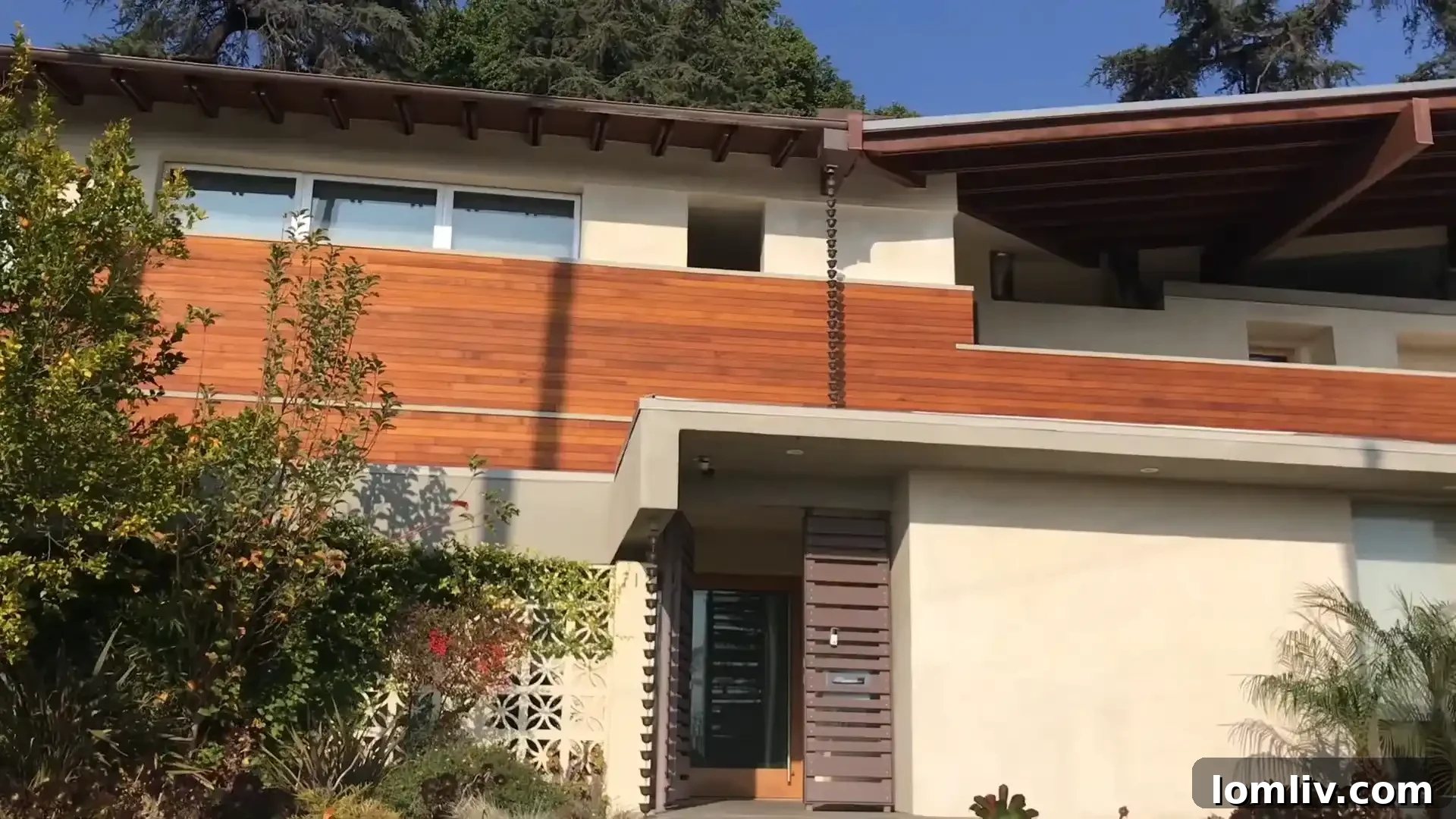
For homeowners in Williamsburg, Virginia, with its distinctly historic architecture and unique climate, understanding the importance of proper siding maintenance is paramount. This guide provides practical ways to maintain the longevity of your home’s exterior, protect against the relentless forces of weather, avoid costly repairs, and ultimately preserve the unique charm and historical integrity that define this remarkable area. Investing in the health of your siding is an investment in your home’s future and its enduring beauty.
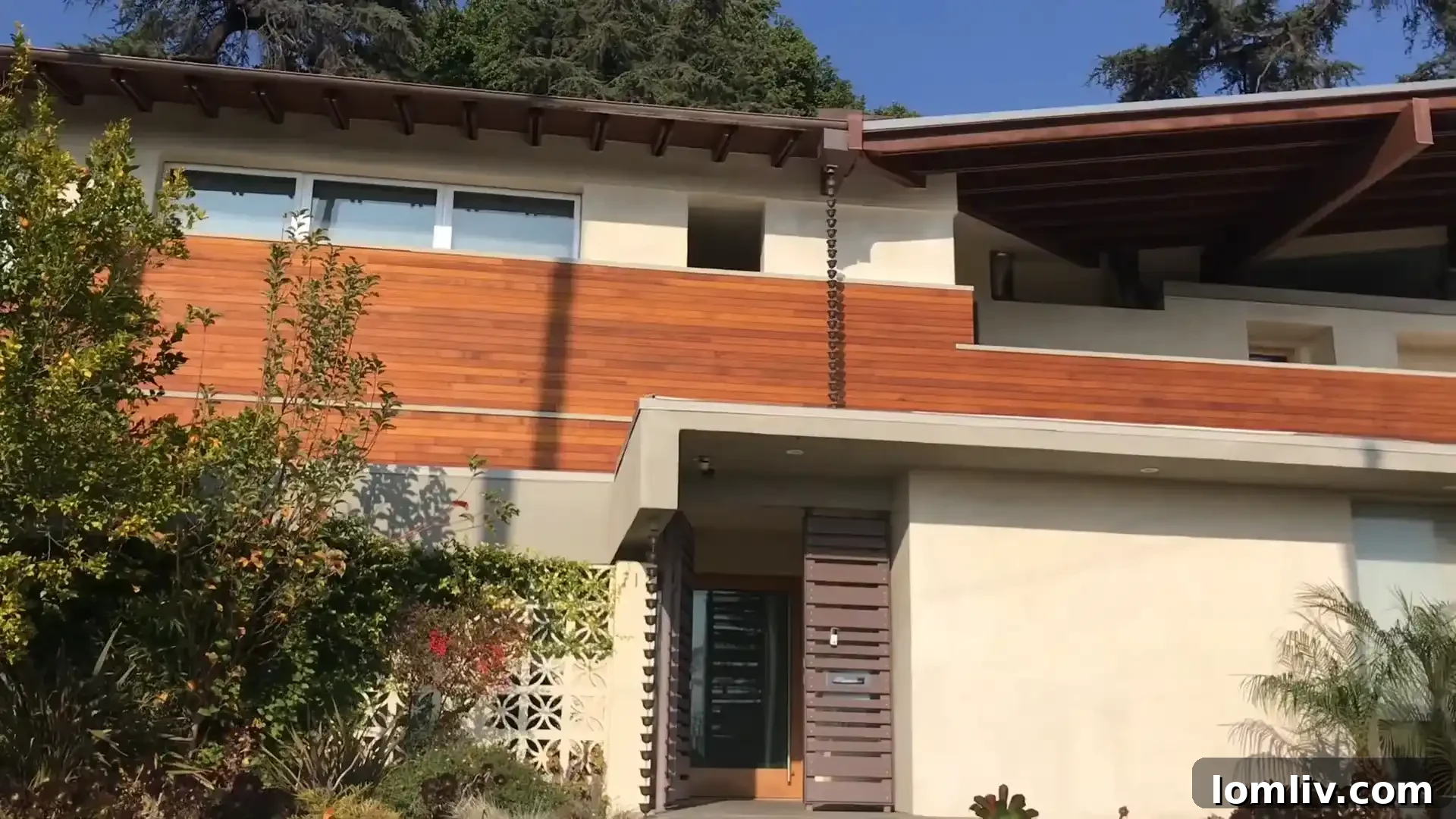
The Indispensable Role of Quality Siding for Williamsburg Homes
Siding serves as far more than just a decorative element for your home; it is its primary protective shield against the elements. For professional siding services in Williamsburg, advising homeowners on quality siding installation is a cornerstone of their expertise. This outer layer is the first line of defense, designed to withstand the varying and often challenging weather conditions characteristic of the region.
Williamsburg experiences a humid subtropical climate, which means it endures hot, humid summers, relatively mild winters, and significant precipitation throughout the year. The presence of nearby waterways also contributes to higher humidity levels and a greater likelihood of severe storms, including heavy rains, strong winds, and even occasional tropical system impacts. Quality siding effectively repels moisture, preventing water infiltration that can lead to rot, mold, mildew, and structural damage to the underlying framework of your house. It also acts as an essential barrier against wind-driven debris and helps regulate indoor temperatures, contributing to better energy efficiency and lower utility bills.
Beyond its protective capabilities, well-maintained siding significantly enhances a home’s aesthetic appeal and increases its market value. In a community renowned for its historical significance and architectural beauty, the exterior of your home plays a critical role in its overall impression. Proper siding maintenance not only preserves the visual charm but also prevents the deterioration that could necessitate expensive repairs down the line. Thus, investing in high-quality siding materials and diligent maintenance is a practical and financially sound decision for any homeowner in this unique part of the country, reducing the need for frequent replacements and saving money in the long run.
Identifying Early Signs of Siding Wear and Damage
Detecting problems with your siding early can save you considerable time, money, and stress. Regular vigilance is key to preventing minor issues from escalating into major structural concerns. Williamsburg homeowners should conduct routine visual inspections, especially after severe weather events, to catch any emerging signs of wear or damage.
Common and crucial signs of siding wear and potential damage include:
- Cracks, Warping, or Bulging Panels: These are often indicators of moisture intrusion or significant temperature fluctuations. Cracks can allow water to seep behind the siding, leading to wood rot and mold growth. Warping or bulging panels, particularly in vinyl siding, can signal improper installation, trapped moisture, or extreme heat exposure. In wood or fiber cement siding, these issues suggest moisture absorption and material degradation.
- Peeling Paint or Visible Mold Growth: Peeling, blistering, or bubbling paint indicates that moisture is trapped beneath the surface, pushing the paint away from the siding material. Mold and mildew growth are clear signs of excessive moisture accumulation, often due to poor drainage, persistent dampness, or inadequate ventilation, which can not only damage the siding but also pose health risks.
- Gaps Between Panels Allowing Water Infiltration: As siding ages, or if it was not installed correctly, gaps can develop between panels or at seams. These openings are direct pathways for water, insects, and rodents to enter your home, compromising its integrity and insulation.
- Discoloration Due to Prolonged Sun Exposure: Over time, the sun’s harsh UV rays can fade the color of your siding, making it look dull and worn. While primarily an aesthetic issue, severe discoloration can sometimes indicate that the material itself is breaking down, reducing its protective capabilities.
- Loose or Missing Siding Panels: High winds or impact can dislodge siding panels, leaving exposed areas vulnerable to moisture and pest intrusion. These must be addressed immediately to prevent further damage.
- Rotting Wood or Soft Spots: For homes with wood or engineered wood siding, soft spots or visible rot indicate severe moisture damage that needs urgent attention. Probe suspicious areas gently with a screwdriver to check for softness.
- Increased Energy Bills: Damaged or degraded siding can lose its insulating properties, leading to air leaks and increased heat transfer. If your energy bills suddenly climb without other apparent reasons, your siding could be a contributing factor.
Essential Maintenance Practices to Extend Siding Lifespan
Routine and proactive maintenance is crucial to ensuring that your siding lasts longer and continues to protect your home effectively, especially given Williamsburg’s climate challenges. Consistent care helps to counteract the effects of humidity, storms, and temperature swings, preserving both function and aesthetics.
Key maintenance practices that homeowners should adopt include:
- Thorough Cleaning: Siding should be washed with a mild soap and water solution at least twice a year, typically in the spring and fall. This removes accumulated dirt, grime, pollen, algae, and mildew. For most siding types, a soft-bristle brush and a garden hose are sufficient. While pressure washing can be effective, it must be used with extreme caution, particularly on older or softer siding materials like wood or engineered wood, as high pressure can force water behind panels or damage the surface. Always start with the lowest pressure setting and keep the nozzle moving.
- Regular Inspecting: After every significant storm or at least quarterly, conduct a detailed inspection of your siding. Look meticulously for any cracks, chips, loose fasteners, gaps, or damaged areas. Pay close attention to areas around windows, doors, and corners, as these are common points of vulnerability. Early detection of minor damage allows for swift, inexpensive repairs before they escalate into larger, more costly problems.
- Sealing and Painting When Needed: For painted siding (wood, fiber cement), regular inspection for peeling or faded paint is essential. Applying fresh coats of high-quality, weather-resistant paint or stain not only revitalizes your home’s appearance but also adds a crucial layer of protection against UV radiation and moisture. For all siding types, inspect caulking around windows, doors, and utility penetrations. Reapply or repair sealant as necessary to prevent water infiltration.
- Trimming Landscaping: Keep shrubs, bushes, and trees trimmed back from your home’s exterior. Ideally, maintain at least a foot of clearance between plants and your siding. This prevents physical damage from branches rubbing against the surface, ensures proper air circulation to prevent moisture buildup (which encourages mold and mildew), and deters pests from gaining easy access to your home.
- Gutter and Downspout Maintenance: Ensure your gutters are clean and free of debris, and that downspouts direct water at least five to ten feet away from your home’s foundation. Clogged gutters can cause water to overflow and run down the siding, leading to streaks, staining, and moisture damage, especially to fascia boards and soffits.
- Pest Management: Regularly check for signs of pest activity, such as insect nests, rodent droppings, or damaged wood. Promptly address any infestations to prevent structural damage and maintain the integrity of your siding.
Protecting Siding from Adverse Weather in Williamsburg
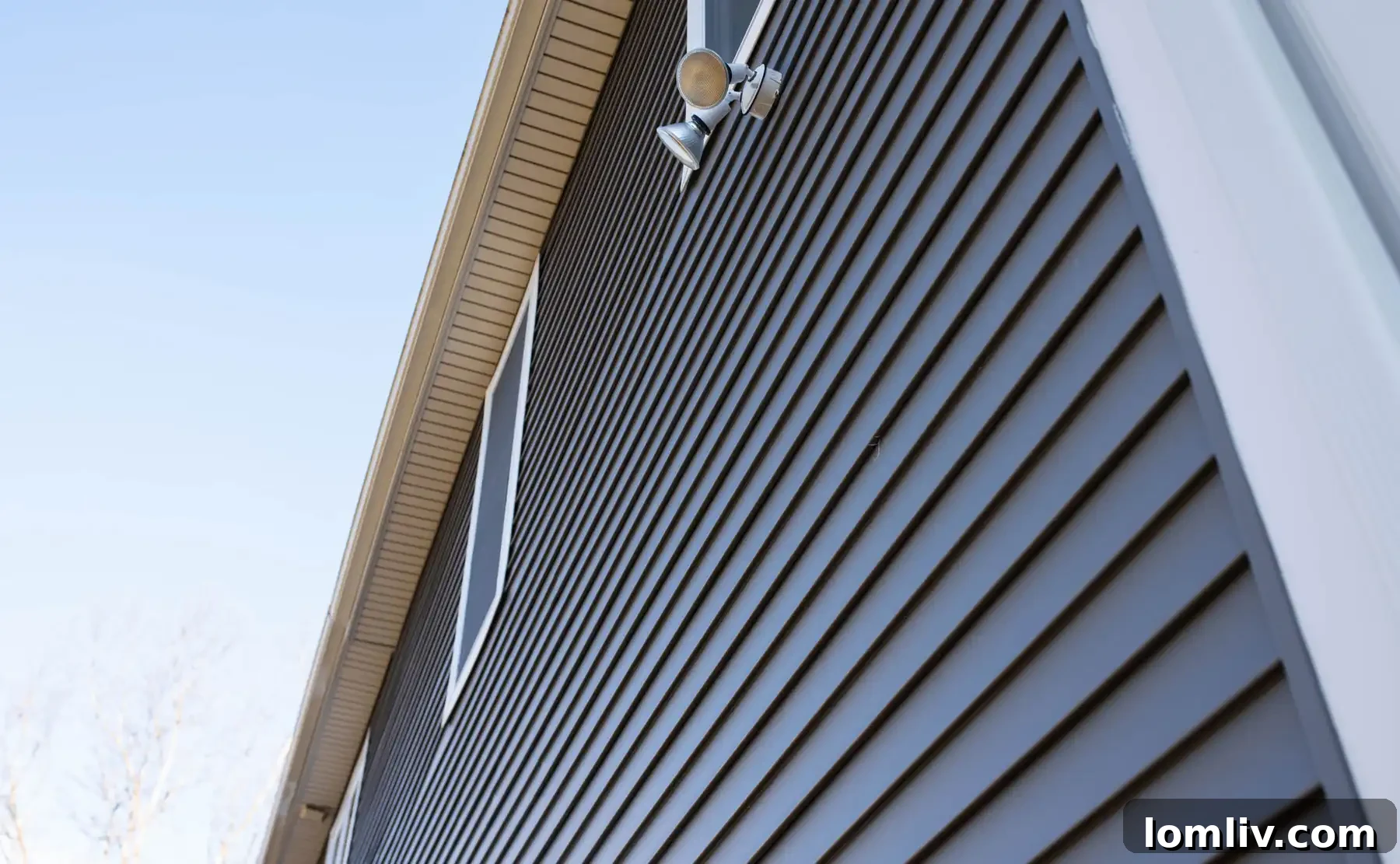
Williamsburg’s coastal proximity and unique weather patterns necessitate specific protective measures to safeguard your siding. Homeowners can proactively shield their properties from unpredictable weather by focusing on several key areas:
Firstly, as previously emphasized, maintaining clear gutters and properly functioning downspouts is non-negotiable. This prevents water overflow from saturating the siding, seeping into the fascia and soffit, and eroding the foundation around your home. Regular cleaning, especially before hurricane season, significantly reduces the risk of water damage and costly repairs associated with heavy rainfall.
Secondly, for homes in areas prone to high winds or hail, investing in robust storm shutters for windows and doors can indirectly protect adjacent siding from flying debris. While shutters don’t directly cover siding, they reduce the overall vulnerability of your home’s envelope, mitigating the impact of severe weather events.
Thirdly, when considering siding replacement or new construction, prioritize investing in weather-resistant materials specifically designed to endure Williamsburg’s climate. Materials like fiber cement or certain grades of vinyl offer superior resistance to moisture, humidity, UV degradation, and impact damage compared to less durable alternatives. Consulting with Williamsburg siding contractors can help identify the best options for your specific property and budget.
Finally, ensure that your property has adequate drainage around its perimeter. Sloping landscapes away from the foundation and installing French drains where necessary can prevent standing water from compromising the siding’s lower sections and the foundation. After any significant storm, a thorough inspection of your siding for new damage, loose panels, or displaced flashing should be a priority to address issues before they worsen.
The Invaluable Benefits of Professional Siding Inspections
While diligent homeowner inspections are vital, professional siding inspections are truly key to ensuring your siding’s long-term durability and performance. Unlike a homeowner’s visual check, professional inspectors possess the experience, specialized knowledge, and tools to uncover subtle and often hidden problems that might never come to light during a typical inspection.
Professional inspectors can identify issues such as nascent dry rot behind panels, subtle water infiltration points, compromised flashing around windows and doors, or structural weaknesses that are not visible to the untrained eye. They can detect pest infestations that might be compromising the integrity of the siding or the underlying sheathing. Their expertise allows them to assess the overall health of your siding system, including the condition of the moisture barrier and proper ventilation.
Furthermore, professional inspections allow for custom maintenance solutions tailored to your home’s specific material, age, exposure, and architectural style. For instance, the maintenance needs of a historic wooden clapboard home differ significantly from a modern residence with fiber cement siding. An experienced inspector can recommend precise interventions, whether it’s specific repairs, targeted cleaning methods, or preventative measures.
Scheduling annual inspections, planned well in advance, becomes a highly cost-effective method to deter widespread destruction and maintain the optimum shape of your siding. By catching and addressing minor issues promptly, homeowners can avoid the significantly higher costs associated with extensive repairs or full siding replacement down the road. Partnering with an experienced and reputable siding inspector or contractor in Williamsburg can demonstrably lengthen your siding’s lifespan, protect your home’s structural integrity, and preserve its curb appeal for decades to come, providing invaluable peace of mind.
Selecting the Right Siding Materials for Williamsburg Homes
Choosing the appropriate siding material is a critical decision for Williamsburg homeowners, influencing not only the aesthetic appeal but also the longevity, maintenance requirements, and energy efficiency of their homes. Given the area’s climate and historical context, selecting durable and climate-appropriate materials is paramount.
Here are some of the most recommended siding materials for the region:
- Fiber Cement Siding: Brands like HardiePlank offer exceptional durability. Fiber cement is highly resistant to moisture, rot, insects, fire, and UV rays. It can be manufactured to mimic the appearance of wood siding, brick, or stucco, making it a versatile choice for maintaining historical aesthetics while offering modern performance. It requires painting every 10-15 years but is otherwise low maintenance and has a long lifespan.
- Vinyl Siding: A popular and cost-effective option, vinyl siding is known for its low maintenance and wide range of colors and styles. It resists moisture, doesn’t require painting, and can be installed relatively quickly. However, in extreme temperature fluctuations, cheaper vinyl can be prone to warping or cracking. High-quality, thicker vinyl with UV protection performs much better in Williamsburg’s climate.
- Engineered Wood Siding: This material offers the classic look of traditional wood siding but with enhanced durability and resistance to common wood problems like rot, pests, and moisture. It is typically made from wood strands or fibers bound with resins, often with a protective overlay. While more resilient than natural wood, it still requires periodic painting and sealing to maintain its protective qualities.
- Natural Wood Siding (e.g., Clapboard, Shingles): For truly historic homes or those seeking authentic charm, natural wood siding remains a classic choice. It offers unparalleled aesthetic warmth and can be repaired easily. However, it demands the most intensive maintenance, including regular painting, staining, sealing, and inspection for rot and insect damage, making it a significant long-term commitment.
- Brick and Stone: While often used as a primary building material, brick and stone veneers are also excellent choices for accents or lower sections of homes, providing superior durability, fire resistance, and minimal maintenance. They pair well with other siding types to create a varied and protective exterior.
The best choice ultimately comes down to a balance of longevity, aesthetic preference, budget, and how well the material adapts to Williamsburg’s specific climate challenges, as well as adherence to any historical district regulations. Consulting with experienced siding professionals in Williamsburg is essential to determine which materials are most appropriate for your home’s style, your personal preferences, and the specific demands of the local environment.
Tips for Choosing a Reliable Siding Contractor in Williamsburg
Selecting the right siding contractor is a decision that will impact your home’s protection, appearance, and value for years to come. For homeowners in Williamsburg, it’s especially important to choose a company that understands the unique architectural styles and climate challenges of the area. When searching for a reliable partner for your siding installation, repair, or maintenance needs, consider these crucial factors for a smooth and successful experience:
- Demonstrated Experience and Specialization: Choose companies with a solid, verifiable track record specifically in siding installations and repairs in the Williamsburg area. Inquire about their years in business and ask to see a portfolio of their completed projects. Ideally, they should have experience with the specific type of siding you are considering, especially if it involves historical restorations or specialized materials.
- Proper Licensing and Insurance: This is non-negotiable. Ensure the company is fully licensed to operate in Virginia and carries comprehensive liability insurance and workers’ compensation. This protects you from financial responsibility in case of accidents, property damage, or worker injury during the project. Always ask for proof and verify these credentials.
- Local Expertise and Knowledge of Building Codes: Opt for companies that are familiar with Williamsburg’s unique architectural standards, local zoning ordinances, and any specific requirements for homes within historic districts. A local contractor will understand the regional climate challenges and may have established relationships with local suppliers, potentially leading to better material availability and pricing.
- Strong Customer Reviews and References: Check online reviews on platforms like Google, Yelp, and the Better Business Bureau. Look for consistent positive feedback regarding professionalism, quality of work, adherence to timelines, and customer service. Always ask the contractor for a list of recent references and take the time to contact them to inquire about their experience.
- Comprehensive and Transparent Estimates: A reputable contractor will provide a detailed, written estimate that outlines all costs, materials, labor, project timelines, and payment schedules. Be wary of contractors who offer vague estimates or demand large upfront payments. Ensure all aspects of the job are covered, including debris removal and site cleanup.
- Warranty Offerings: Inquire about the warranties provided, both on materials (manufacturer’s warranty) and on labor (contractor’s workmanship warranty). A strong warranty indicates confidence in their work and provides you with protection against future issues.
- Clear Communication and Professionalism: Evaluate how responsive and clear the contractor is in their communication. A professional contractor will be easy to reach, answer your questions thoroughly, and keep you informed throughout the project.
By proactively engaging in regular maintenance, scheduling professional inspections, partnering with experienced Williamsburg siding services, and making informed choices about durable siding materials, homeowners can ensure their houses remain beautiful, well-protected, and resilient over time. This diligent approach helps to safeguard your investment, preserve the timeless charm of your property, and effectively mitigate the challenges posed by the elements, ensuring your home stands strong for generations.