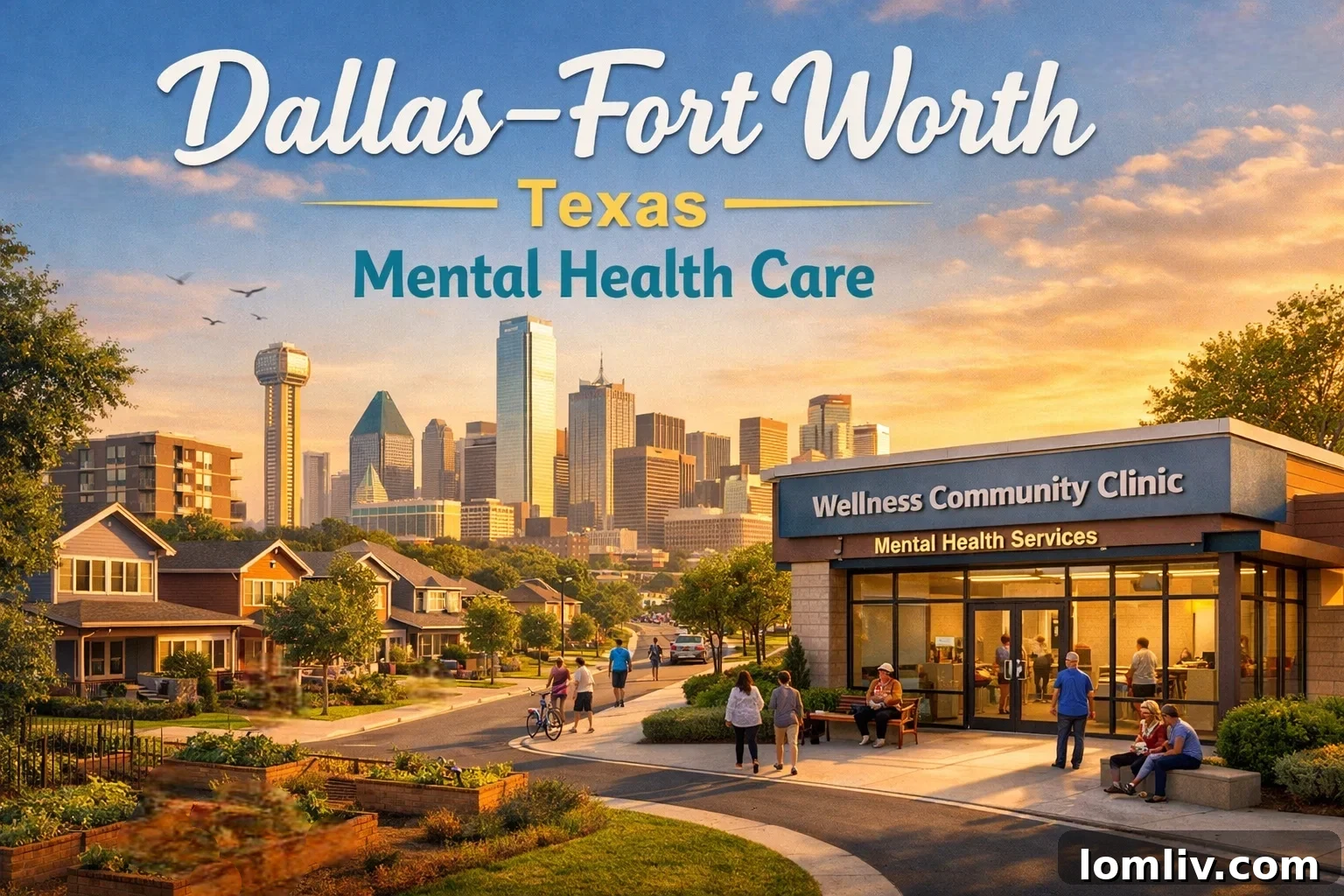
The Dallas-Fort Worth (DFW) metropolitan area continues its relentless ascent as one of the fastest-growing regions in the United States. Propelled by robust economic development, continuous corporate relocations, and a steady influx of new residents, the DFW housing market has undergone a remarkable transformation over the past decade. While foundational elements such as price point, strategic location, and physical square footage remain critical considerations, a more nuanced and increasingly pivotal factor has emerged for today’s discerning homebuyers and renters: the overarching health and stability of the communities they choose to call home. This shift signifies a deeper appreciation for an environment that nurtures well-being beyond mere aesthetics or amenities.
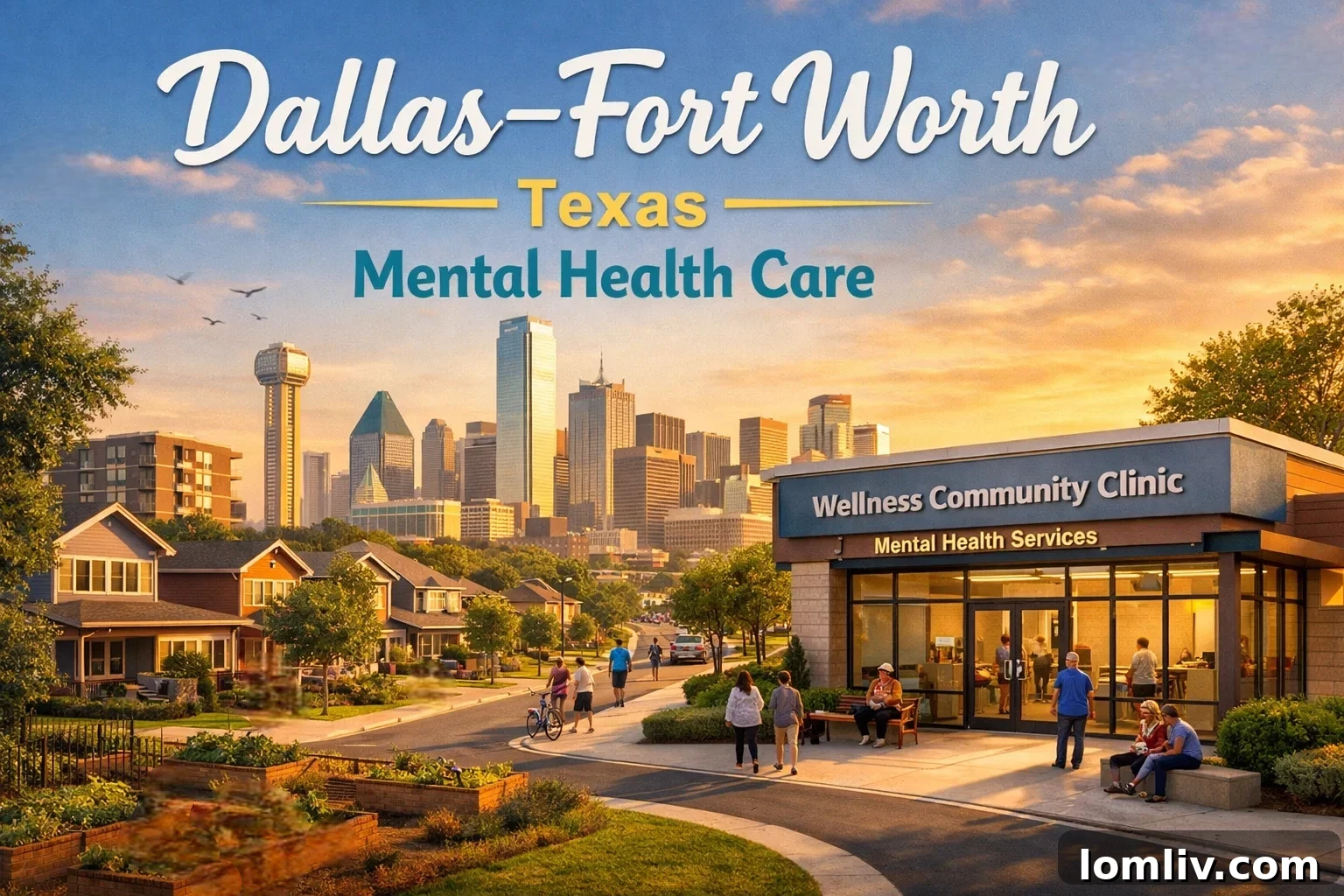
In this evolving landscape, access to comprehensive mental health services has transitioned from a supplementary amenity to a fundamental determinant in how individuals evaluate a community’s desirability and long-term viability. Its profound impact extends across various facets of community life, from fostering conducive learning environments in schools and supportive cultures in workplaces to strengthening neighborhood cohesion and ensuring sustained housing stability. For the dynamic DFW real estate market, this is not a peripheral concern but a foundational pillar, directly influencing everything from property values to residential demand and the overall quality of life.
Why Mental Health Access Influences Home Values in DFW
The valuation of homes in the DFW area, much like anywhere else, is shaped by a complex interplay of market cycles, interest rates, and local economic conditions. However, a less visible yet equally potent force at play is the collective perception of a neighborhood’s stability, predictability, and inherent support systems. Savvy buyers are consistently willing to pay a premium for communities that exude a sense of security and well-being. While traditionally recognized indicators such as top-tier school ratings, low crime statistics, and robust infrastructure are widely used to gauge stability, the availability and accessibility of mental health services now play a quiet but profoundly meaningful role in shaping the daily functionality and long-term resilience of DFW communities.
Effective mental health access significantly bolsters community stability by empowering residents to navigate life’s inevitable stressors and changes without severe disruption. When individuals have the necessary support to address personal challenges early and effectively, the likelihood of significant impacts on household income is reduced. This proactive approach minimizes the need for forced relocations due to financial hardship or unmanaged crises, thereby fostering greater continuity within neighborhoods. A stable resident base, less prone to frequent moves, contributes to a stronger, more connected community fabric, which in turn enhances the desirability and intrinsic value of properties within that area. This ripple effect creates a virtuous cycle of stability and appreciation for DFW real estate.
Conversely, communities that grapple with inadequate mental health support systems often exhibit visible strains, which can manifest as higher residential turnover rates, inconsistent property occupancy, and an overstressed network of local social services. Over time, these cumulative pressures can inevitably soften demand for housing, limit the potential for robust price growth, and even deter long-term investment. In stark contrast, DFW areas characterized by readily accessible mental health care tend to cultivate and maintain stronger buyer confidence, leading to more resilient property values and sustained market performance, especially during periods of economic uncertainty or market fluctuations. Investors and homeowners alike increasingly recognize the value of a community that actively invests in the holistic well-being of its residents, viewing it as a tangible asset that protects and enhances real estate investments.
Buyer Confidence and Long-Term Stability in DFW Real Estate
When an individual or family decides to purchase a home in Dallas-Fort Worth, they are not merely acquiring a physical structure; they are making a profound investment in a lifestyle, a community, and a long-term environment designed to support their future. Beyond the bricks and mortar, prospective buyers are meticulously evaluating whether a neighborhood feels inherently resilient, functionally efficient, and genuinely capable of supporting residents through various life stages—from raising families to career growth and retirement. This holistic assessment goes beyond superficial amenities, delving into the underlying health of the community itself.
Neighborhoods that are perceived as fundamentally stable and well-resourced hold a significant appeal for families and professionals who are planning to establish roots and remain in the area for many years. This crucial perception is influenced by a blend of highly visible factors, such as the quality of local schools, the condition of public infrastructure, and the accessibility of retail and entertainment options. Equally, if not more, important are the less visible but deeply impactful elements, including the availability of comprehensive healthcare services, particularly access to mental health support. These intangible assets contribute significantly to a neighborhood’s overall magnetic pull and its ability to retain residents.
The widespread availability of local mental health services acts as a powerful reinforcement of buyer confidence, signaling that a community is thoughtfully equipped to support its residents through a spectrum of life’s challenges—be it work-related stress, family transitions, or personal difficulties. This profound assurance often translates into tangible benefits within the DFW housing market, including faster sales cycles, fewer instances of significant price concessions, and remarkably more consistent pricing, even amidst broader market fluctuations. Buyers feel more secure in their investment, knowing that the community infrastructure is in place to support well-being, which contributes to long-term property value retention and appreciation.
Mental Health Access and Housing Stability in DFW
Housing stability stands as a critical barometer of a neighborhood’s overall performance and resilience within the DFW real estate landscape. When residents are empowered to effectively manage personal challenges, whether professional, financial, or related to well-being, they are demonstrably more likely to maintain steady housing, consistent employment, and robust community ties. This fundamental stability forms the bedrock of a thriving neighborhood, where residents are invested in their surroundings and contribute positively to the local economy and social fabric.
Conversely, disruptions stemming from untreated mental health challenges can precipitate a cascade of negative outcomes, including chronic absenteeism from work, severe financial strain, and ultimately, housing instability. These issues are rarely isolated to a single household; they often ripple outward, contributing to elevated tenant turnover rates, an increase in foreclosures, and a noticeable reduction in social cohesion within a neighborhood. Such instability can detract from a community’s appeal, potentially lowering property values and making it less attractive to future residents and investors in the Dallas-Fort Worth area.
Innovative programs, such as intensive outpatient care (IOP), offer compelling examples of how structured, community-based mental health services can provide critical support to individuals while allowing them to remain actively engaged in their daily lives. By mitigating the necessity for extended absences from work or school, this model of care plays a vital role in limiting the adverse ripple effects that personal instability can generate within the broader housing market. Such programs directly contribute to maintaining a stable resident base, which is invaluable for the sustained health and growth of DFW neighborhoods and their property values. Investing in these services is a direct investment in the stability of the local real estate market.
Rental Markets, Turnover, and Long-Term Demand in DFW
Renters constitute an exceptionally large and vital segment of the sprawling Dallas-Fort Worth housing landscape, playing a crucial role in the overall health and performance of the region’s property market. Consequently, rental stability matters immensely, not just for individual tenants and landlords, but for the economic vitality of entire neighborhoods. High tenant turnover rates represent significant financial burdens for property owners, incurring costs associated with vacancy periods, marketing, screening new tenants, and routine maintenance. Moreover, frequent moves can profoundly affect how a neighborhood is perceived by both prospective tenants and potential homebuyers, signaling underlying issues that might deter long-term commitment.
Elevated turnover often serves as an indicator of deeper, systemic challenges within a community, which can range from escalating affordability pressures to a pervasive lack of accessible support resources. When DFW renters have convenient access to local mental health services, they are significantly better equipped to effectively manage personal stressors, navigate life changes, and address mental health concerns without feeling compelled to relocate. This essential support system helps individuals maintain their tenancy, fostering a greater sense of stability and belonging within their rental communities.
Over time, the cumulative effect of lower tenant turnover rates directly contributes to more consistent occupancy rates and, consequently, healthier and more predictable rental markets across Dallas-Fort Worth. These favorable conditions not only support surrounding home values by enhancing neighborhood stability and desirability but also make these communities significantly more attractive to both seasoned real estate investors seeking reliable returns and long-term residents looking for a stable place to live. A robust, stable rental market is a key component of a thriving, resilient DFW housing ecosystem, benefiting all stakeholders.
Workforce Reliability and Residential Demand in DFW
The economic engine of Dallas-Fort Worth is fueled by its expansive, diverse, and highly skilled workforce, drawing talent from across the nation and globe. Residential demand across the region is intrinsically linked to the stability and reliability of this workforce, particularly in areas highly sought after by working professionals and dual-income households that form the backbone of the DFW economy. A thriving job market directly translates to a robust housing market, creating a symbiotic relationship that sustains growth.
However, modern professional life is not without its challenges. Work-related stress, the pervasive issue of burnout, and untreated mental health challenges can significantly disrupt employment continuity, leading to absenteeism, reduced productivity, and even job loss. When DFW residents have ready access to local mental health services, they are strategically better positioned to manage these pressures effectively, recover from setbacks, and maintain consistent employment. This proactive approach to well-being ensures a stable and engaged labor force, which is critical for the region’s economic momentum.
The resulting workforce reliability directly underpins and strengthens demand for nearby housing, particularly in neighborhoods strategically located close to major job hubs and corporate campuses across DFW. Over time, stable employment patterns reinforce residential demand, contribute to consistent population growth, and lead to more predictable and favorable real estate performance. A community that supports the mental well-being of its workforce is essentially investing in its own economic future and the sustained vitality of its housing market, making DFW an increasingly attractive location for businesses and residents alike.
Schools, Families, and Staying Power in DFW Communities
The quality of local schools remains, without question, one of the most powerful and enduring drivers of residential demand across the Dallas-Fort Worth metropolitan area. Families consistently prioritize neighborhoods that offer excellent educational opportunities. However, contemporary understanding increasingly links student success and family well-being to broader support systems that extend far beyond the traditional classroom setting. In this context, access to mental health services plays an undeniably crucial role in ensuring educational continuity, fostering robust family stability, and enhancing overall community engagement, becoming a silent yet powerful factor in family decision-making.
Modern families, especially those with children, are actively seeking neighborhoods where children and adolescents can access essential mental health support without significant disruption to their academic or social lives. Proximity to accessible mental health services offers immense reassurance to parents and caregivers, particularly for families navigating complex transitions such as adolescence, intense academic pressure, or major life changes like divorce or bereavement. Knowing that support is readily available within their community contributes significantly to a family’s peace of mind and sense of security.
DFW neighborhoods that adopt a well-rounded approach to supporting families—integrating strong schools with robust mental health resources, safe public spaces, and community programs—are significantly more likely to retain residents over extended periods. This invaluable continuity contributes directly to steady housing demand, cultivates stronger and more engaged school communities, and ultimately fosters more resilient long-term real estate performance. Families who feel supported are less likely to move, leading to a stable and desirable housing market that benefits homeowners, schools, and the wider community for generations.
Development Risk and Community Infrastructure in DFW
From the perspective of real estate development and long-term investment in the dynamic Dallas-Fort Worth market, comprehensive risk assessment now extends well beyond conventional factors like zoning regulations, land acquisition costs, and construction budgets. Sustainable success for any new development or revitalization project hinges critically on whether a community possesses the foundational infrastructure required to support sustained population growth and enhance the quality of life for its residents. This foresight is key to mitigating future challenges and ensuring enduring value.
Within this expanded view of infrastructure, mental health services are increasingly recognized as an essential component, standing shoulder-to-shoulder with traditional necessities such as robust transportation networks, high-quality educational institutions, and comprehensive physical healthcare facilities. Communities that lack sufficient and accessible mental health support systems often find themselves struggling to cope effectively as their populations expand, leading to significant strain on existing local resources, an increase in social issues, and a palpable decline in overall livability. This can erode the very foundation upon which successful real estate development is built.
Conversely, DFW areas that proactively integrate comprehensive healthcare, efficient transportation, quality education, and diverse housing options are demonstrably better equipped to absorb rapid population growth without sacrificing their inherent quality of life or community well-being. This thoughtful balance not only reduces market volatility for developers and investors but also supports sustained real estate demand, particularly in the fast-paced, growth-oriented parts of Dallas-Fort Worth. Investing in mental health infrastructure is, therefore, a strategic investment in the long-term health and prosperity of the entire metropolitan region’s real estate market.
The Evolving Role of Community Wellness in DFW Real Estate
The DFW real estate landscape is undergoing a significant transformation, moving beyond a purely transactional focus on property features to a more holistic appreciation of community wellness. This paradigm shift recognizes that a truly valuable property is nestled within a healthy, supportive, and resilient community. Mental health access is emerging as a cornerstone of this evolving definition of community wellness, influencing everything from urban planning to neighborhood marketing. Developers, investors, and policymakers in Dallas-Fort Worth are increasingly recognizing that neglecting this aspect can have tangible, negative impacts on long-term property performance and desirability.
The emphasis on mental health is a natural progression of the broader wellness trend, which has already reshaped everything from residential amenities (e.g., fitness centers, meditation spaces) to commercial office design. However, community-wide mental health access takes this a step further, addressing systemic support rather than just individual luxuries. For DFW, a region defined by its rapid growth and diverse population, fostering robust mental health resources is not just a social imperative but an economic one. It ensures that the region’s expanding workforce and burgeoning families have the resilience needed to thrive, directly translating into stable communities and strong property values.
This evolving landscape also presents opportunities for public-private partnerships. Real estate developers can collaborate with local health organizations to integrate wellness centers, counseling services, or educational programs directly into new community plans. City planners can prioritize zoning that allows for accessible healthcare facilities alongside residential and commercial spaces. Such integrated approaches enhance the social capital of DFW neighborhoods, making them more attractive to a generation of buyers and renters who prioritize well-being as a non-negotiable aspect of their living environment. This proactive stance ensures Dallas-Fort Worth remains a leader in sustainable urban development and real estate innovation.
What This Means for DFW Real Estate
While access to mental health services may not appear as a bullet point on a typical property listing in Dallas-Fort Worth, its profound and multifaceted influence on home values, rental stability, and overall community health is undeniably real and increasingly recognized. Communities that proactively invest in and effectively support the mental well-being of their residents consistently tend to perform better over time, cultivating greater long-term stability and resilience for homeowners, renters, and savvy real estate investors alike.
As the DFW metropolitan area continues its dynamic expansion and diversification, neighborhoods that expertly pair robust population and economic growth with strong, accessible support systems for mental health and community wellness will undoubtedly stand out in a competitive market. These are the areas that will attract and retain residents, maintain their property values, and foster vibrant, thriving environments. For the vibrant local real estate market in Dallas-Fort Worth, mental health access is far from a peripheral or niche issue; it is an increasingly critical, foundational factor that quietly yet profoundly shapes property value, drives residential demand, and underpins long-term buyer and investor confidence in the region.