In the realm of modern television, the line between “reality” and carefully constructed drama often blurs. Most viewers understand that so-called reality TV shows are anything but a raw, unedited glimpse into everyday life. Instead, they are frequently characterized by overblown narratives, heightened emotional stakes, and manufactured controversies designed to keep audiences glued to their screens. However, for HGTV’s popular home renovation series, “Windy City Rehab,” the most compelling and indeed, truly controversial, drama unfolded not when the cameras were rolling, but precisely when they stopped. This article delves deep into the myriad issues that plagued the show and its stars, Alison Victoria and Donovan Eckhardt, painting a picture far removed from the glossy, aspirational transformations seen on screen.
The journey of “Windy City Rehab” began modestly with a one-off pilot episode aired in mid-2017, generating enough interest to warrant a full series premiere in January 2019. The show quickly garnered attention, primarily due to its charismatic lead, Alison Victoria, already a familiar face to HGTV viewers from her previous work on “Kitchen Crashers.” She was paired with contractor Donovan Eckhardt, embodying the classic “brains and brawn” formula often seen in home renovation programs – Victoria providing the design vision and Eckhardt executing the structural work. This dynamic duo promised viewers stunning transformations of rundown Chicago properties, seemingly delivering on the dream of urban revitalization. The show’s initial success was undeniable, leading to an early green-light for a highly anticipated second season, scheduled for 2020. Little did viewers know that behind the scenes, a storm of legal battles, financial disputes, and public relations nightmares was brewing, threatening to dismantle the very foundation of their on-screen success.
As the inaugural season of “Windy City Rehab” concluded in March 2019, the first cracks in its polished facade began to appear. Reports from local residents painted a stark contrast to the show’s glamorous image. Neighbors frequently complained about the aggressive construction timetables, with work often commencing before the legally permitted 8 a.m. start time, disrupting the peace of residential areas. Beyond noise, the overall disarray of the worksites became a significant point of contention. Piles of debris, unaddressed waste, and general untidiness prompted numerous calls to Chicago’s Department of Buildings. These were not merely minor nuisances; they escalated into official inquiries and several meetings between the show’s production team and city officials, signaling serious compliance issues.
Further damaging the show’s “reality” premise were allegations concerning the sale of the renovated homes. While episodes depicted properties being swiftly sold to eager buyers, investigations revealed a more complex and potentially misleading scenario. At least some of the supposed buyers featured on screen were reportedly actors, casting doubt on the authenticity of the sales processes. One neighbor, quoted in a local television report, highlighted the discrepancy, stating, “There’s nobody in it. There’s a port-o-potty in the back. The garage is not completed. The backyard is all debris. There’s debris out here and the Dumpster is still sitting here.” This vivid description of an unkempt and unfinished property, long after its supposed on-screen completion, underscored the superficiality of the show’s narrative. Several “Windy City Rehab” properties were subsequently slapped with stop-work orders by the city, effectively halting construction due to various violations and unsafe conditions.
The financial transparency of the show also came under scrutiny. Season one claimed an impressive success rate, stating that seven out of its eleven featured homes had been sold. However, a diligent check of local listings in March 2019, immediately after the series had aired, exposed a significant discrepancy: only four of those properties had actually closed. This suggested a considerable gap between the show’s on-screen claims and the real-world market performance. A particularly glaring example was a high-profile $2.2 million conversion on North Janssen Avenue, which involved transforming a single home into four separate apartments. The show boasted that these units had been rented, portraying a successful investment. Yet, local MLS reports from March 2019 revealed a different truth: three of the four apartments remained unrented for over four months, despite aggressive rent reductions. Such inconsistencies raised serious questions about the financial viability of the renovations and the accuracy of the show’s portrayal of its projects.
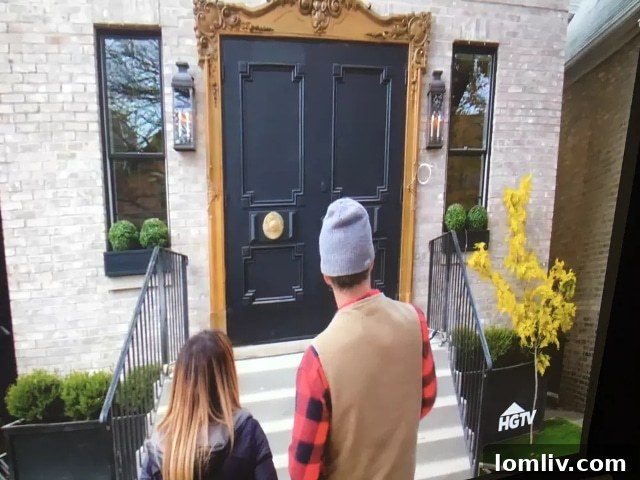
Another instance that brought the show’s production ethics into question involved a property on North Hoyne. During its featured episode, the renovation team proudly highlighted the installation of custom, super-expensive doorknobs on the front door – an extravagant detail costing approximately $2,000. This was presented as a testament to the luxurious finishes and attention to detail. However, once the cameras stopped rolling and the filming concluded, these costly doorknobs were reportedly removed, only to be replaced with more standard, less expensive alternatives. This “bait-and-switch” tactic, if true, was not merely a cost-cutting measure; it was a deceptive practice that undermined the authenticity of the showcased renovations and further fueled the narrative of the show’s manufactured reality.
The saga of the West Giddings Street home, featured in episode 6, which aired on January 29, 2019, provided further insight into the long-term repercussions of the show’s production methods. A March 2019 story ominously noted that this home remained unfinished long after filming wrapped and had been on the market for an entire year before finally closing in early March 2019. The buyers, the Morrissey family, who were both practicing lawyers, found themselves embroiled in a contentious situation. The buyer’s mother alleged that the show had significantly overspent on the renovation and subsequently attempted to inflate the asking price to cover these unexpected costs, which the Morrisseys firmly refused. This early encounter with legal professionals foreshadowed the deeper legal troubles that would soon engulf the stars of “Windy City Rehab.”
By July 2019, the mounting issues culminated in severe official action from the City of Chicago. The Department of Buildings took the drastic step of halting both Alison Victoria and Donovan Eckhardt’s ability to file new building permits. This effectively froze their capacity to undertake any new renovation projects within the city, a crippling blow for any development business. Furthermore, stop-work orders were placed on four additional properties believed to be slated for renovation in the upcoming second season, indicating a widespread pattern of non-compliance. The city’s investigation went even deeper, evaluating the suspension of Eckhardt’s developer and general contractor’s licenses for a full year. This severe consideration stemmed from findings of unpermitted work on an astonishing eleven properties, all of which were subsequently “red-tagged,” signifying major violations. The city’s rationale was unequivocal: Eckhardt’s operation had demonstrated “a pattern of unsafe work and building code violations at multiple properties,” a conclusion reached after extensive discussions in three separate meetings held in March and April.
For other major metropolitan areas, this presents an important lesson in robust regulatory oversight. Chicago’s capacity to suspend licenses for individuals, not just specific business entities, is a critical piece of legislation. Such measures are specifically designed to prevent “bad actors” in the construction and development industry from simply dissolving one company and relaunching under a new name, thereby safeguarding consumers from repeated harm and ensuring higher standards of building safety and compliance across the board.
Later in July 2019, in what appeared to be a strategic move to salvage the show’s reputation and appease city officials, HGTV announced that Donovan Eckhardt would be replaced for “Windy City Rehab” season two. This decision was largely seen as an attempt to “ingratiate the show to the city” and distance itself from the growing controversies. Concurrently, the City of Chicago made a final determination regarding Eckhardt’s licenses. While the initial threat was a year-long suspension, the city ultimately opted for a 45-day suspension of his contractor’s license. However, the more significant restriction – the stoppage of permitting privileges for both Alison Victoria and Donovan Eckhardt – remained firmly in place. This meant that while Eckhardt could resume contracting work after 45 days, neither he nor Victoria could initiate new projects requiring city permits, placing a significant obstacle in their professional paths and the show’s future.
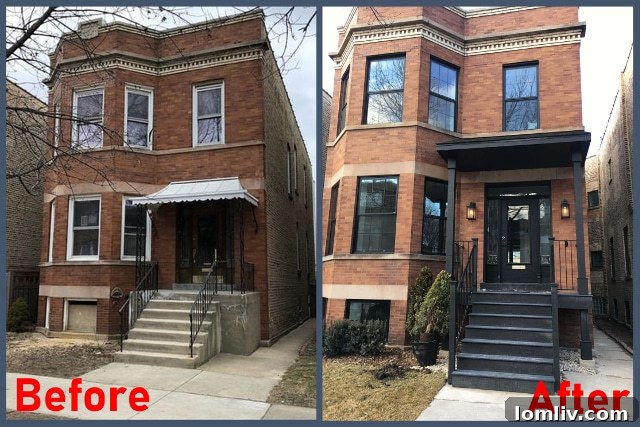
Legal Woes and Financial Distress Continue into 2020
The legal challenges for the “Windy City Rehab” stars intensified significantly as 2019 drew to a close and 2020 began. The Morrissey family, the lawyer-buyers of the West Giddings Street home, made good on their earlier grievances by filing a comprehensive lawsuit on December 30, 2019. Their claims were extensive, alleging breach of contract, breach of warranty, defective and shoddy workmanship, and consumer fraud. The Morrisseys sought not only a reversal of their home sale but also a reimbursement of $80,000 for “upgrades and landscaping” they had personally paid for, in addition to compensation for emotional distress and suffering. Their move into the property, after a protracted closing process where the home was supposedly finished off-camera, proved disastrous. The very next day, an upstairs shower leaked “gallons” of water into the kitchen below, revealing severe plumbing issues. Further inspections allegedly uncovered a never-installed new roof that leaked, alongside improperly installed windows and masonry work, all contributing to chronic water infiltration problems throughout the house. The extent of these alleged defects painted a grim picture of the quality of work performed.
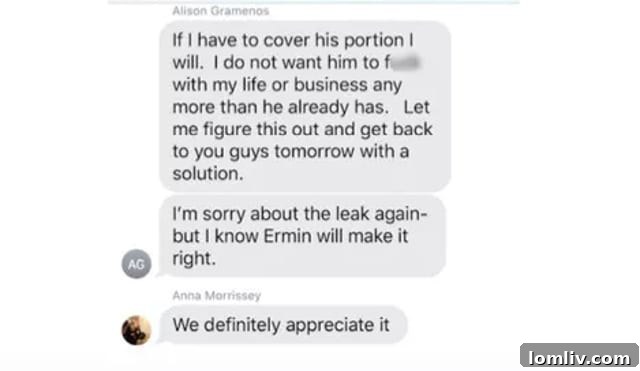
Adding a dramatic layer to the lawsuit, the Morrisseys’ legal filing included a revealing text exchange between Alison Victoria and the buyers. In these messages, Victoria candidly expressed her frustration with her former co-star, Donovan Eckhardt, writing, “If I have to cover his portion I will. I do not want him to f— with my life or business any more than he already has.” This exchange not only highlighted the deep internal conflict between the show’s stars but also indicated a significant financial issue: Eckhardt had reportedly bounced a check to the buyers. Shortly after the lawsuit was filed, Alison Victoria attempted to have it dismissed, citing a clause in their contract that required mediation before a lawsuit could proceed. Yet, in a seemingly contradictory move, her attorney simultaneously expressed Victoria’s “interest in buying the house back” and even living in it herself. This dual strategy suggested a desire to avoid public litigation while potentially mitigating the damage by taking the problematic property off the market. The timing could not have been worse for the show, as one outlet projected the season two debut for April 2020, coinciding directly with the lawsuit’s court date set for April 28.
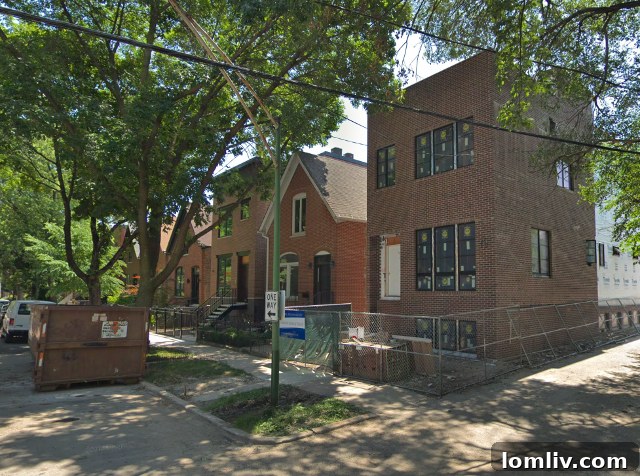
Donovan Eckhardt, meanwhile, found himself battling his own array of legal challenges. On the very same day the Morrisseys filed their suit, a subcontractor launched legal action against Eckhardt’s Greymark Development Group, claiming an outstanding balance of $108,500 in unpaid bills for work performed on a different property. This lawsuit further underscored a pattern of alleged financial mismanagement and disputes extending beyond homeowner complaints to business partners, with its first hearing scheduled for March 3. The financial troubles did not end there. On February 21, reports surfaced of Alison Victoria making a serious accusation: she claimed that a notary public had forged her name on a “large number” of critical financial documents. These included loan documents, lien waivers, and operating agreements, implicating a much deeper and more complex web of potential fraud and financial irregularities than previously imagined. Such an allegation threatened to unravel the entire financial infrastructure of their renovation projects.
The cascade of bad news continued unabated. On February 26, it was reported that a property co-owned by Donovan Eckhardt and real estate broker William Fisher was facing foreclosure proceedings after missing payments since October. This property, located at 2147 W. Moffat, had been purchased by Eckhardt and Fisher’s LLC way back in September 2017. The foreclosure added another layer to the growing evidence of financial distress and mismanagement plaguing Eckhardt’s ventures. The looming question was whether this very property, undergoing foreclosure, would ultimately be featured as one of the triumphant renovations in “Windy City Rehab” season two. If so, it would serve as a stark, ironic testament to the difference between on-screen glamour and real-world financial hardship, having taken an exceptionally long time to complete any potential renovation since its purchase. The continuous stream of negative headlines and legal battles painted a grim picture for the future of “Windy City Rehab” and its controversial stars.
Despite the mounting controversies and legal battles, HGTV proudly touted the first season of “Windy City Rehab” as one of its most popular programs, a testament to the audience’s appetite for aspirational home transformations. This popularity led to its second season being green-lit midway through the initial season’s airing. However, as the layers of lawsuits, allegations of fraud, and building code violations were peeled back, a compelling question emerged: Is there an even more captivating show to be made, one that truly follows the wreckage and fallout once the cameras stop filming? This “behind-the-scenes” narrative of financial distress, legal disputes, and the unraveling of professional reputations would be the epitome of actual reality TV, offering a much more authentic, albeit messier, look at the true costs and consequences of high-stakes home renovation. Perhaps, in a twist of fate, the true drama and “reality” of “Windy City Rehab” were found not in its staged reveals, but in the gritty, unresolved controversies that unfolded off-screen.