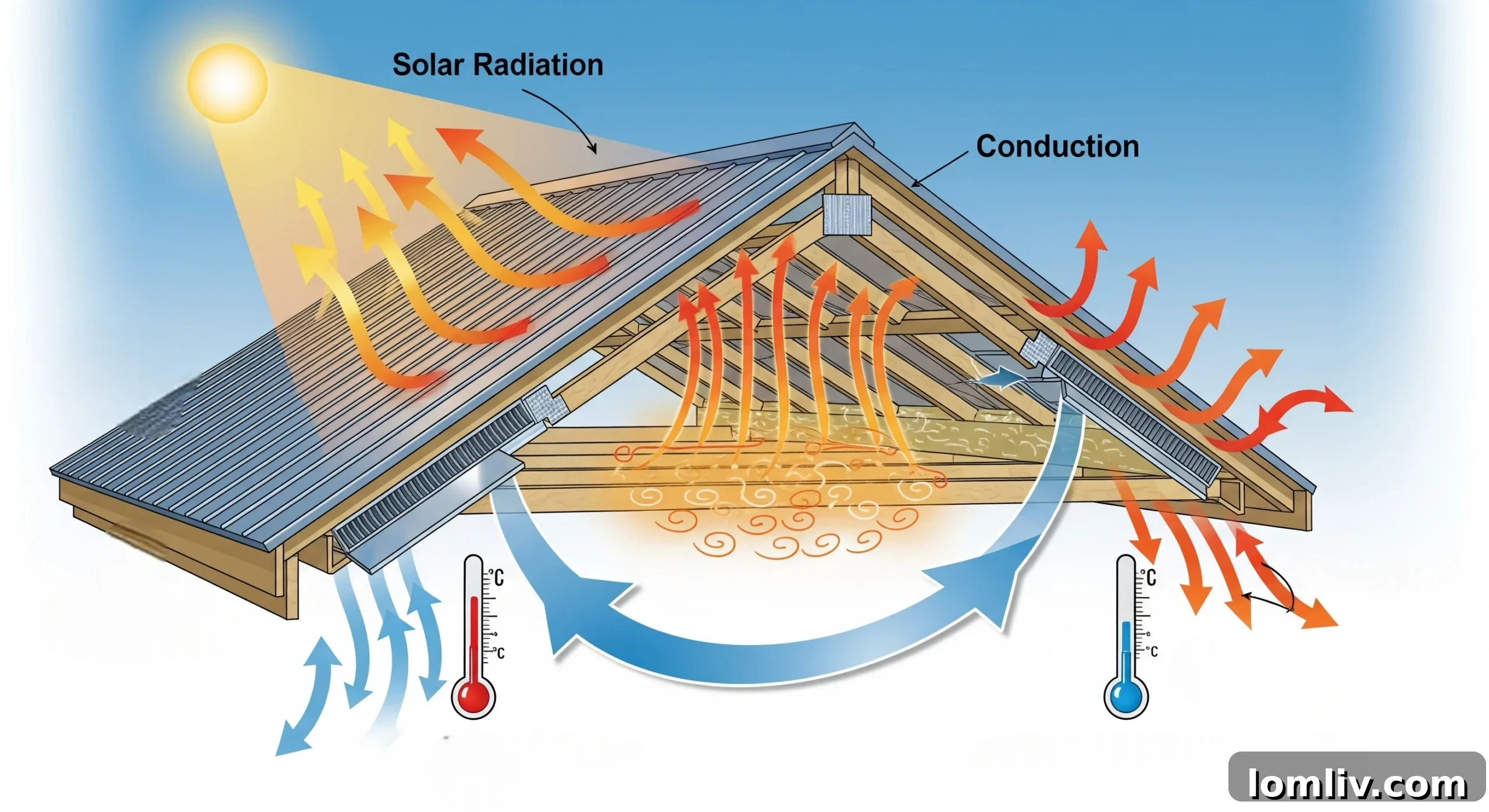
Metal roofing has surged in popularity, becoming a preferred choice for homeowners and commercial property managers alike. Its undeniable durability, sleek modern aesthetic, and minimal maintenance requirements present a compelling alternative to traditional roofing materials like tiles or shingles. Investing in a metal roof often feels like securing a long-term solution, offering peace of mind for decades. However, this robust material possesses a unique characteristic that sets it apart: an exceptional responsiveness to temperature fluctuations. This inherent property necessitates a distinct and specialized approach to insulation, unlike that used for other roofing types.
Failure to treat metal roofs with a tailored insulation strategy often leads to a cascade of problems. Occupants may find interior spaces becoming uncomfortably warm, even on moderately hot days, forcing air conditioning systems to work harder and consume excessive energy. Moreover, the rapid temperature shifts can lead to undesirable condensation, appearing in areas where moisture accumulation can cause significant structural damage and insulation degradation over time. Understanding these challenges is the first step toward harnessing the full potential of a metal roof.
Understanding the Fundamental Characteristics of Metal Roofs
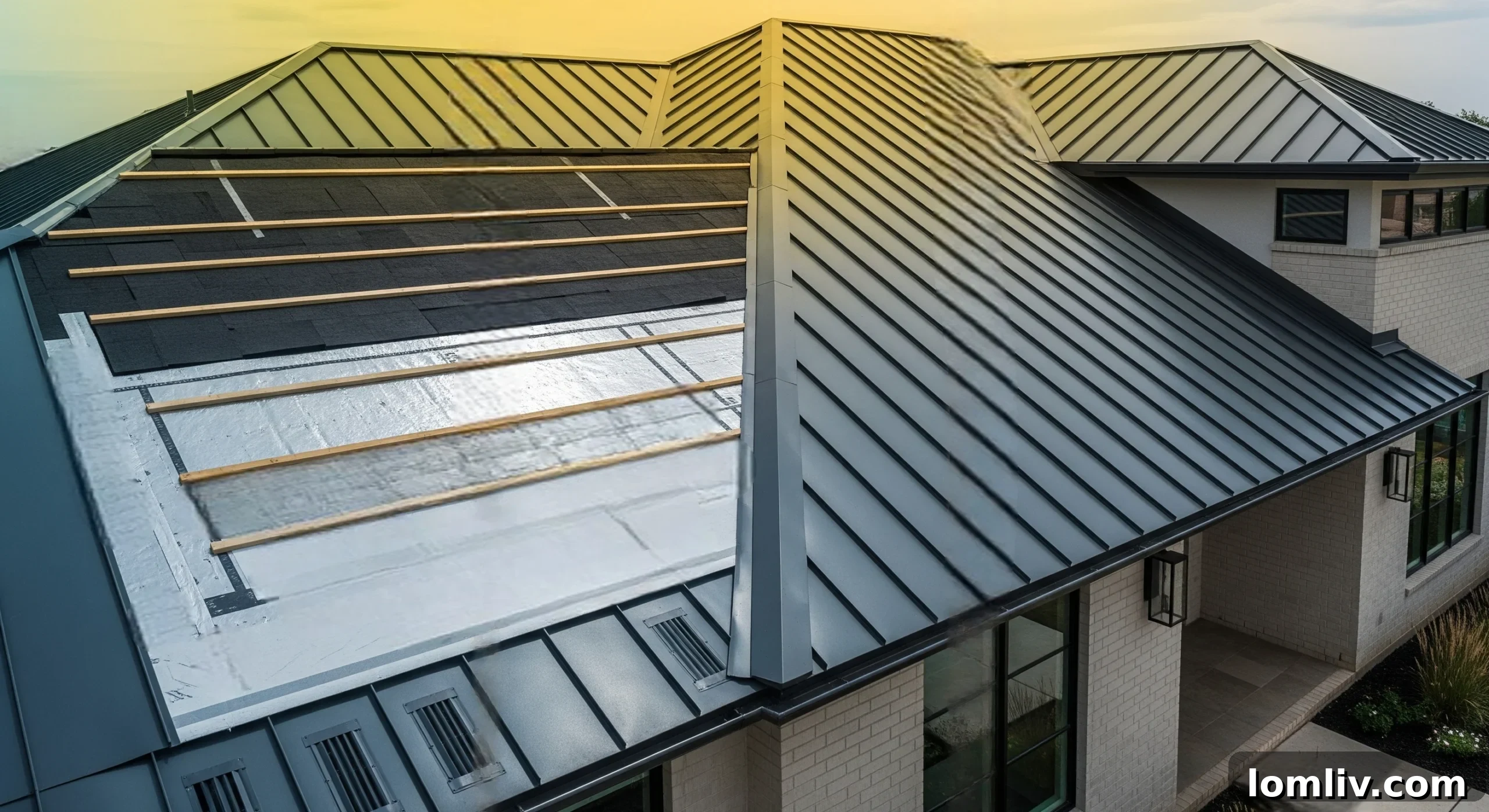
The vast majority of metal roofs are crafted from resilient materials such as aluminum, steel, or copper. These metals are celebrated for their impressive strength, extended lifespan, and generally straightforward maintenance. Their robust nature makes them an excellent long-term investment. Yet, their primary disadvantage lies in their thermal behavior. Unlike materials with higher thermal mass, such as concrete tiles, metal heats up remarkably quickly when exposed to sunlight and cools down just as rapidly when conditions change, absorbing and releasing heat with little delay.
On a hot, sunny day, the surface of a metal roof can reach extremely high temperatures in a very short amount of time. This intense heat is then efficiently conducted downwards, penetrating the building’s envelope. In practical terms, this often translates into significantly warmer upper floors, noticeably hot ceilings, and attic spaces that become veritable heat traps. This rapid heat transfer can create uncomfortable indoor environments and place immense strain on a building’s cooling systems. To effectively counteract these dynamic thermal properties and ensure a comfortable, energy-efficient indoor climate, specialized metal roof insulation is not just beneficial, but absolutely paramount. The specific approach to insulating a metal roof differs significantly from other roofing types, demanding careful consideration of material choice, installation techniques, and overall system design. For example, if you’re considering insulating only specific areas of your structure, it’s crucial to examine the various factors involved in insulating partial sections of your metal roof, ensuring even thermal distribution to prevent localized issues.
The Indispensable Role of Insulation in Metal Roofing Systems
Insulation for a metal roof extends far beyond merely enhancing indoor comfort; it is fundamentally about achieving precise climate control and maximizing energy efficiency. Without adequate and correctly installed insulation beneath a metal roof, warm air has an unobstructed path to accumulate and become trapped within the building structure. This trapped heat radiates downwards, making indoor spaces feel uncomfortably stuffy and excessively warm, even when outdoor temperatures are not at their extreme peak. This often leads to occupants continually adjusting thermostats, creating an unstable and inefficient indoor environment.
In regions characterized by significant temperature fluctuations between day and night, the absence of proper insulation exacerbates these issues considerably. Buildings might feel oppressively hot during the afternoon sun, only to become unexpectedly chilly once the sun sets. This continuous cycle forces heating and cooling systems to work overtime, constantly striving to re-establish a stable indoor temperature, leading to increased wear and tear on equipment and substantially higher energy bills. Furthermore, the importance of robust insulation is equally critical during colder seasons. When heat can easily escape through an inadequately insulated metal roof, heating systems must operate for longer periods, consuming more fuel or electricity. This not only inflates energy costs but also places considerable strain on the HVAC equipment, potentially shortening its lifespan. Effective insulation acts as a thermal barrier, regulating indoor temperatures, reducing energy consumption, and extending the operational life of heating and cooling systems, thereby providing significant long-term savings and environmental benefits.
Navigating the Thermal Performance of Metal Roofing
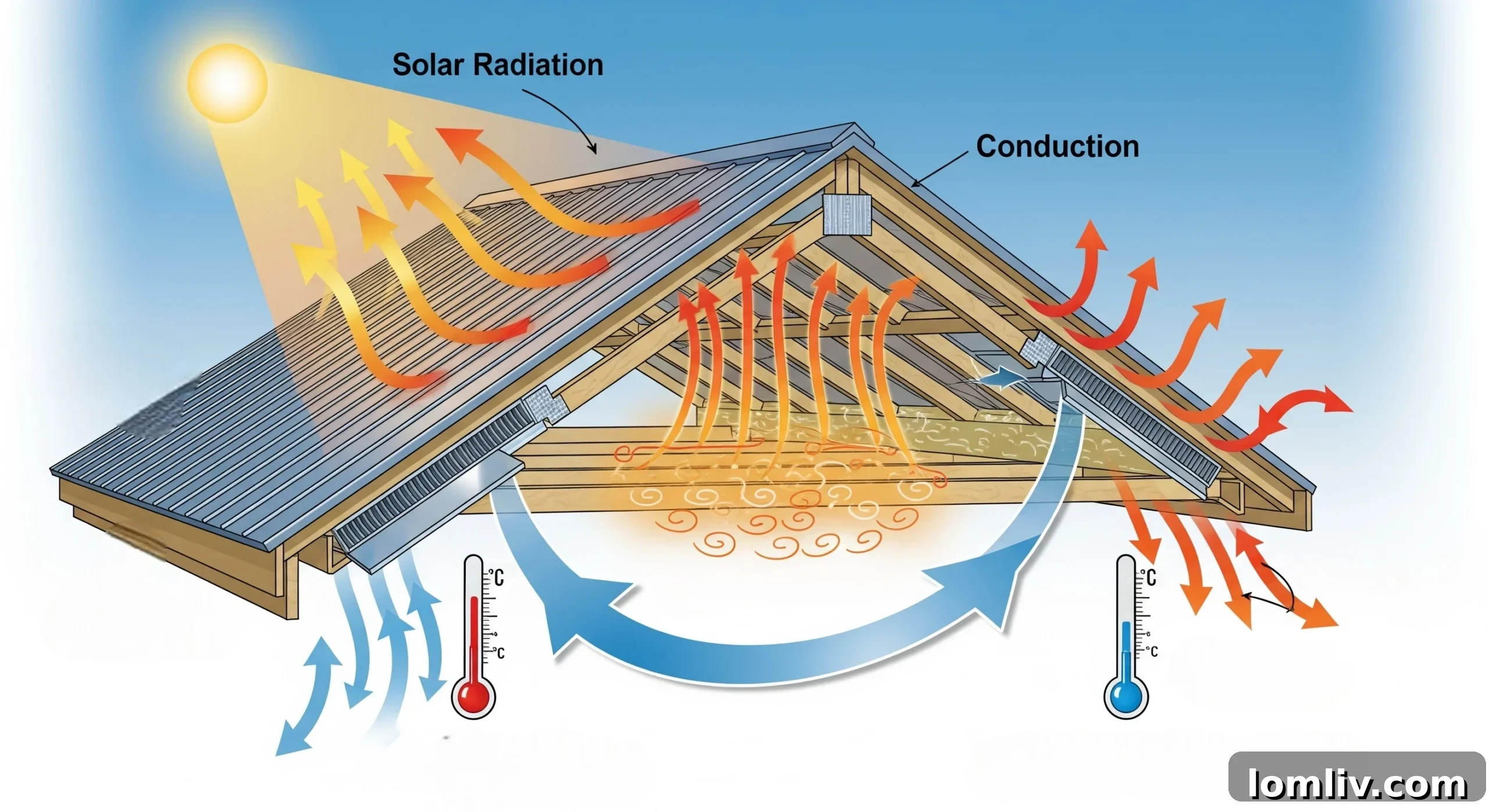
A common misconception is that metal roofs inherently solve heat problems simply because their reflective surfaces can bounce a significant portion of sunlight away. While reflectivity certainly contributes to reducing solar heat gain, it is not a complete solution. Once a metal roof absorbs heat, even a minimal amount, that heat can still efficiently pass through the metal panels and into the underlying building layers. This is precisely where the strategic implementation of proper insulation and effective ventilation becomes absolutely critical. A comprehensive understanding of several key factors influencing the overall thermal performance of a metal roof system is essential for designing an energy-efficient and comfortable building.
High Thermal Conductivity
Metal materials are inherently excellent conductors of heat, meaning they transfer thermal energy very efficiently. While this property can be advantageous in some specialized applications, it presents a significant challenge for maintaining stable indoor temperatures within a building. Without a robust and well-designed insulation system, heat readily moves indoors much faster compared to structures roofed with less conductive materials. This rapid heat transfer can quickly overwhelm a building’s internal climate control, making it difficult to regulate temperature and often leading to uncomfortable indoor conditions during peak heat or cold periods. This high conductivity underscores the necessity for effective thermal breaks and insulation layers.
Managing Solar Gain
Solar gain refers to the increase in temperature in a space or object due to incident solar radiation. Even the most advanced reflective coatings on metal roofs cannot entirely eliminate solar heat gain. Various factors intricately influence the amount of heat absorbed: the roof’s color (darker colors absorb more heat), the angle and intensity of sun exposure, the local climate conditions, and the presence or absence of surrounding shade. In hot and sunny regions, where solar heat entry is a primary concern, the integration of reflective insulation or specialized radiant barriers is often crucial. These materials work by reflecting radiant heat away from the building, significantly reducing the heat load and enhancing the overall thermal performance of the roof system.
The Imperative of Ventilation
Ventilation is not merely an optional add-on; it is a fundamental component that dictates whether a metal roof system performs efficiently or transforms into a detrimental heat trap. Inadequate or poor airflow beneath the roof deck allows hot air to stagnate and build up, creating an extremely warm air pocket. This superheated air then radiates downwards, increasing indoor temperatures and placing immense stress on the insulation layers, reducing their effectiveness. Beyond thermal management, insufficient ventilation also significantly elevates the risk of moisture problems. Trapped moisture can lead to condensation, which can saturate insulation, diminish its R-value, and even foster the growth of mold or mildew, compromising both indoor air quality and the longevity of the entire roof structure.
Optimal Insulation Types for Metal Roof Systems
There is no universal “one-size-fits-all” insulation solution for every metal roof. The most effective choice hinges on a combination of critical factors, including the specific climate zone, the architectural design of the building, and whether the insulation is being integrated during initial construction or as part of a retrofit project. Understanding the R-value, or thermal resistance, of each material is key to making an informed decision, as it quantifies the insulation’s ability to resist heat flow.
1. Rigid Foam Board Insulation
Foam board insulation, typically made from materials like expanded polystyrene (EPS), extruded polystyrene (XPS), or polyisocyanurate (polyiso), provides robust thermal resistance and an excellent R-value per inch. When installed correctly, foam boards are highly effective at reducing heat transfer, particularly through structural framing, which is often a source of thermal bridging. Their performance is notably reliable, provided that all joints and gaps are meticulously sealed with appropriate tapes or sealants to prevent air leakage. Foam boards are durable, often resistant to moisture, and can contribute to the structural integrity of the roof assembly, making them a popular choice for continuous insulation applications on metal roofs.
2. Reflective Insulation and Radiant Barriers
Reflective insulation and radiant barriers primarily focus on mitigating radiant heat transfer, which is the movement of heat through electromagnetic waves. These materials are particularly advantageous in warmer climates where the primary concern is preventing heat from entering the building from the scorching sun. Reflective insulation typically consists of a reflective surface (like aluminum foil) bonded to a core material, while radiant barriers are usually thin, highly reflective sheets installed to face an air space. To maximize their effectiveness, these systems must be installed with precise placement and always be combined with proper ventilation. The presence of an air gap adjacent to the reflective surface is crucial for them to perform optimally by reflecting radiant heat away from the building envelope.
3. Spray Foam Insulation
Spray foam insulation, available in both open-cell and closed-cell formulations, is an exceptional choice for controlling air leakage due to its unique property of expanding to fill and seal gaps, cracks, and irregularly shaped spaces. This makes it particularly effective in challenging areas where other insulation types might not fit cleanly. Beyond its superior air-sealing capabilities, spray foam offers a high R-value, can add structural rigidity to the roof deck, and acts as an effective moisture barrier (especially closed-cell foam). However, the quality of application is paramount. Well-applied spray foam performs exceptionally, creating an airtight, highly insulated envelope. Conversely, poor or improper application can lead to long-term performance issues, including voids, off-gassing, or insufficient thermal resistance, emphasizing the need for experienced and certified installers.
Critical Installation Techniques for Metal Roof Insulation
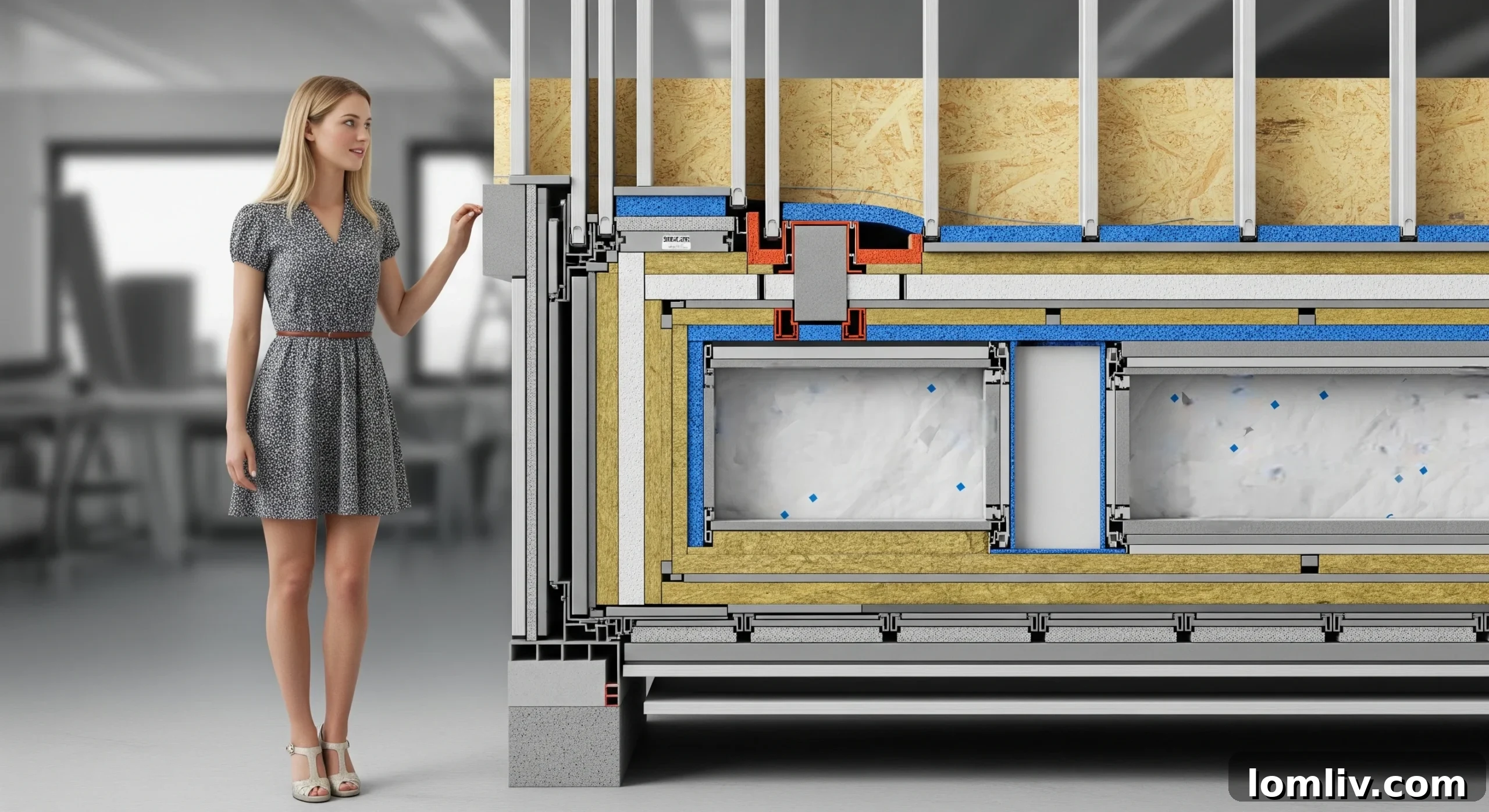
Even the highest quality insulation materials will fail to deliver their full potential if installation is compromised. The expertise and precision applied during the installation phase make a monumental difference in the long-term performance, energy efficiency, and durability of a metal roof system. It’s not just about what materials you use, but how they are meticulously integrated into a cohesive, high-performing system.
Implementing Continuous Insulation
Thermal bridging occurs when heat finds pathways to bypass insulation, typically through highly conductive elements like structural framing (e.g., purlins, rafters, or studs). This phenomenon creates cold spots in winter and hot spots in summer, significantly reducing the overall effective R-value of the building envelope. Continuous insulation, on the other hand, involves applying an uninterrupted layer of insulation over or under the structural framing. This strategy effectively breaks these thermal bridges, drastically improving the overall thermal performance of the roof and creating a much more uniform and consistent temperature within the building. It’s a crucial technique for achieving superior energy efficiency in metal roof assemblies.
Establishing Effective Air Barriers
Uncontrolled air movement through the building envelope can dramatically diminish the effectiveness of insulation. Air leaks allow conditioned indoor air to escape and unconditioned outdoor air to infiltrate, carrying heat and moisture freely across the building’s thermal boundary. A robust and properly installed air barrier, when combined with high-quality insulation, creates a sealed envelope that prevents this undesirable air movement. This integrated approach not only enhances real-world thermal performance by keeping conditioned air where it belongs but also significantly improves the durability of the building by preventing moisture-laden air from condensing within the roof assembly and degrading insulation over time. Air barriers are essential for both energy efficiency and moisture control.
The Necessity of Proper Ventilation
For many metal roof systems, adequate ventilation is not merely an option but an absolute necessity for optimal performance and longevity. A well-designed ventilation system actively facilitates the escape of trapped heat and moisture from the space between the roof deck and the insulation, typically the attic or unconditioned space. Without proper ventilation, this area can become a superheated or moisture-laden environment, forcing the insulation to work harder than intended and potentially leading to premature degradation. Effective ventilation helps maintain the insulation’s integrity, prevents condensation, extends the lifespan of the roof components, and contributes significantly to stable indoor temperatures and improved indoor air quality. Ridge vents, soffit vents, and strategically placed exhaust vents are common components of an effective metal roof ventilation strategy.
Inspecting and Maintaining Your Metal Roof Insulation System
The installation of insulation is not the final step in ensuring a high-performing metal roof. Regular inspection and proactive maintenance are crucial to preserve its effectiveness over its long lifespan. It is advisable to conduct occasional checks, particularly after periods of extreme heat, heavy rainfall, strong winds, or if you notice any discernible changes in indoor comfort or energy bills. Early detection of potential issues can prevent minor problems from escalating into costly repairs.
Key warning signs that indicate a need for immediate attention include:
- Condensation: The presence of condensation, especially on the underside of the roof deck or within the attic space, is a critical indicator. It often signals underlying ventilation problems, unsealed air leaks, or incorrect insulation placement that allows warm, moist air to come into contact with cold surfaces. Unaddressed condensation can lead to mold growth, wood rot, and a significant reduction in insulation performance.
- Sagging Insulation: Insulation that appears to be sagging, compressed, or clumping is usually a strong indication of trapped moisture within the material. Once insulation becomes wet and compresses, its R-value plummets dramatically, rendering it ineffective. Furthermore, prolonged moisture exposure can lead to degradation of the insulation material itself and may also affect nearby structural components of the roof, potentially leading to rust in metal elements or rot in wooden framing.
Regular visual checks, combined with professional inspections every few years, can help identify these issues early, ensuring your metal roof insulation system continues to perform optimally.
Conclusion: Mastering Metal Roof Insulation for Lasting Performance
While metal roofs offer unparalleled durability, a contemporary aesthetic, and minimal maintenance, their unique thermal properties demand a thoughtful and integrated approach to insulation. Insulating a metal roof is not inherently difficult, but the consequences of poor planning for insulation and airflow are significantly less forgiving compared to other roofing materials. Because metal rapidly transfers heat, the entire roof system must be meticulously designed to effectively slow heat movement, robustly seal against air leaks, and proactively allow both moisture and excess heat to escape. This holistic approach is the cornerstone of a truly high-performing metal roof.
When embarking on the installation of a new metal roof or upgrading an existing one, it is paramount to consider the entire system as an interconnected entity. This includes not only selecting the appropriate insulation materials but also diligently incorporating effective air barriers and ensuring proper, continuous ventilation. Neglecting any of these components can compromise the overall efficiency and longevity of the roof. If the project involves insulating only a portion of the roof, meticulous planning becomes even more critical to prevent uneven temperatures within the structure and to mitigate the risk of future moisture-related problems. By focusing on a comprehensive, integrated system design, homeowners and builders can unlock the full potential of metal roofing, achieving superior energy efficiency, lasting comfort, and enduring structural integrity for decades to come.