By Gabrielle White
ML Interiors Group
Color is more than just a visual element; it’s a powerful tool that deeply influences our emotions, perceptions, and the overall atmosphere of a space. In the realm of interior design, understanding and mastering color theory is not merely an aesthetic choice, but a fundamental skill that transforms ordinary rooms into extraordinary, mood-enhancing environments. From the calming serenity of a bedroom to the vibrant energy of a living area, the intentional application of color has the power to define function, evoke feelings, and reflect personal style. This comprehensive guide will explore the intricate world of color theory, revealing how it shapes our living spaces and empowering you to harness its potential to elevate your own home.
Understanding the Core Principles of Color Theory
At its heart, color theory is a science and art that provides a logical framework for understanding how colors work together. It encompasses a rich variety of design principles that dictate the context, use, and impact of color. More than just a simple guide to mixing paints, it delves into the physiological and psychological responses humans have to different hues. Grasping these foundational principles allows designers and homeowners alike to make informed decisions, ensuring that color choices contribute to a harmonious, balanced, and visually appealing interior. It helps us predict how colors will interact, what feelings they will evoke, and how they will ultimately define a space’s character.
The Science Behind Color Perception
Our perception of color is a complex interplay of light, object, and observer. Light waves bounce off objects, and our eyes interpret these wavelengths as different colors. Color theory categorizes these perceptions, breaking down complex visual information into manageable components such as hue, saturation, and value. Hue refers to the pure color itself – red, blue, green. Saturation (or chroma) describes the intensity or purity of the color, ranging from vivid to dull. Value (or lightness) indicates how light or dark a color is, from white to black. By manipulating these three components, designers can create endless variations and achieve specific effects, from dramatic contrasts to subtle gradients.
The Indispensable Tool: The Color Wheel
The color wheel stands as the cornerstone of color theory, an indispensable visual aid that maps out the relationships between colors. Organized in a circle, it systematically displays primary, secondary, and tertiary colors, illustrating how they are derived and how they interact. This framework not only helps in identifying similar or contrasting hues but also serves as the ultimate guide for constructing effective color schemes.
Deconstructing the Color Wheel:
- Primary Colors: Red, blue, and yellow are the fundamental building blocks. These colors cannot be created by mixing any other colors and serve as the base from which all other hues on the wheel are derived. Their pure, unadulterated nature makes them incredibly impactful in design.
- Secondary Colors: Formed by mixing two primary colors in equal parts.
- Red + Yellow = Orange
- Yellow + Blue = Green
- Blue + Red = Purple (or Violet)
These colors sit directly between the primary colors that compose them on the wheel, creating a natural progression of hues.
- Tertiary Colors: These are created by mixing a primary color with an adjacent secondary color. Examples include red-orange, yellow-orange, yellow-green, blue-green, blue-violet, and red-violet. They bridge the gap between primary and secondary colors, offering a more nuanced and complex palette.
Beyond these classifications, the color wheel also delineates warm and cool colors. Warm colors (reds, oranges, yellows) are often associated with energy, passion, and comfort, tending to advance and make a space feel cozier. Cool colors (blues, greens, purples) evoke tranquility, serenity, and spaciousness, often receding and making a room feel larger and more open. Understanding this distinction is crucial for manipulating the perceived size and mood of an interior.
Mastering Color Schemes for Interior Harmony
Applying the principles of the color wheel allows designers to create cohesive and visually appealing color schemes. These schemes are specific combinations of colors that, when used together, evoke particular feelings and establish a unified aesthetic. Choosing the right scheme is paramount to achieving the desired mood and style in any interior.
Fundamental Color Schemes:
- Monochromatic: This scheme utilizes different shades, tints, and tones of a single color. It creates a simple, cohesive, and incredibly soothing look, often resulting in elegant and sophisticated spaces. For example, a room designed with varying shades of blue—from a deep navy sofa to sky-blue walls and pale aqua accents—offers depth without visual clutter, promoting a sense of calm and unity.
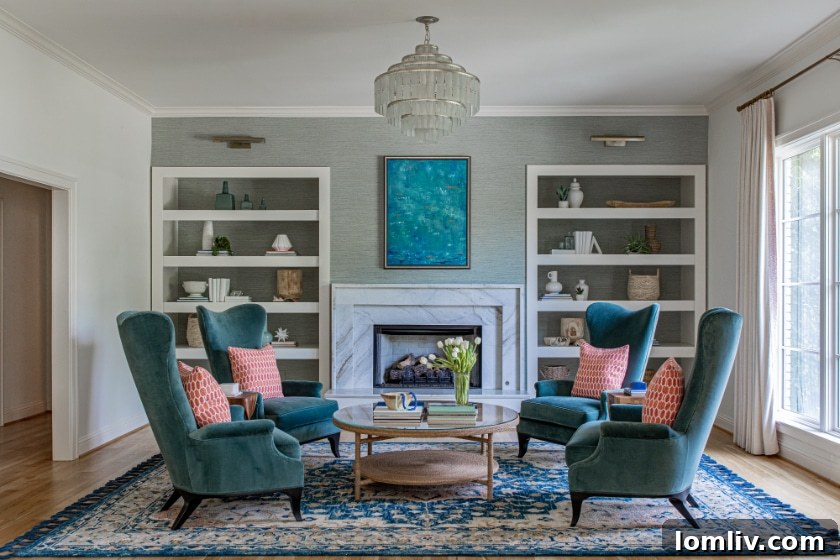
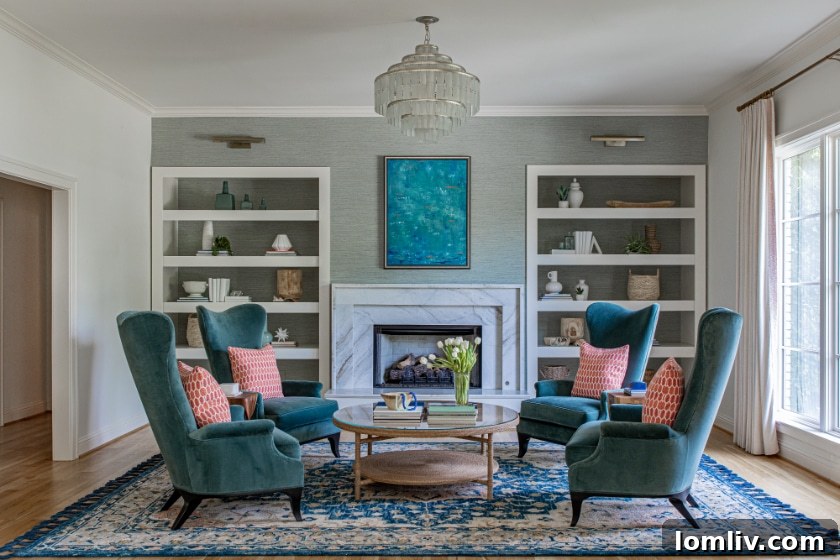
- Analogous: An analogous color scheme uses colors that are adjacent to one another on the color wheel (typically three to five colors). These combinations are inherently harmonious and create a serene and comfortable feel. A common approach is to select one dominant color, one supporting color, and one or two accent colors. For instance, combining blues, blue-greens, and greens can evoke a natural, tranquil, and balanced environment reminiscent of a serene seascape.
- Complementary: Consisting of two colors that sit directly opposite each other on the color wheel, complementary schemes offer the highest contrast and vibrancy. When used together, these colors create a dynamic tension and visual excitement. Examples include red and green, blue and orange, or yellow and purple. To use them effectively in interiors, it’s often best to let one color dominate and use the complementary color as an accent to avoid overwhelming the space. This scheme is perfect for adding pops of energy and drama.
Advanced Color Schemes for Dynamic Interiors:
- Split Complementary: This scheme uses a base color and the two colors adjacent to its direct complement. For example, if your base color is blue, its complement is orange. A split complementary scheme would then use blue, yellow-orange, and red-orange. This offers the visual excitement of a complementary scheme but with less intensity, providing a more refined and balanced contrast. It’s often easier to work with than a direct complementary scheme for beginners.
- Triadic: A triadic scheme uses three colors that are equally spaced around the color wheel, forming an equilateral triangle (e.g., red, yellow, and blue; or orange, green, and purple). These schemes are inherently vibrant and harmonious, providing a rich and balanced palette. While bold, a triadic scheme can be made sophisticated by varying the saturation and value of the colors, allowing one color to be dominant and the others to act as accents.
- Tetradic (Double Complementary): This complex scheme uses two pairs of complementary colors, forming a rectangle on the color wheel (e.g., blue and orange with red and green). It offers the richest and most diverse palette, providing incredible depth and visual interest. However, it is also the most challenging to balance, requiring careful consideration to prevent overwhelming the space. Typically, one color is chosen to be dominant, while the others are used in varying proportions as accents.
Regardless of the scheme chosen, a practical guideline for interior design is the 60-30-10 Rule. This rule suggests that 60% of the room should be the dominant color, 30% a secondary color, and 10% an accent color. This proportion helps maintain balance and allows for a cohesive yet dynamic design without feeling chaotic.
The Profound Psychological Impact of Colors
Colors are not just visual; they are deeply psychological. They can influence our mood, energy levels, emotional responses, and even our perception of temperature. Understanding these profound effects is vital for creating spaces that resonate with desired feelings and functions.
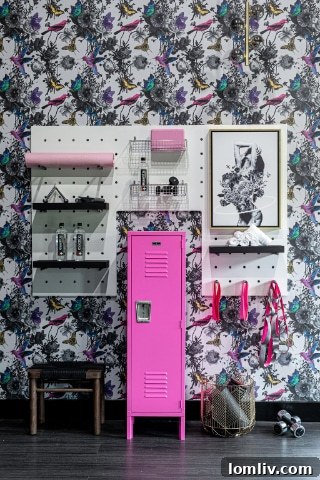
- Red: A color of intense energy and passion, red can evoke excitement, love, and warmth. However, it can also signal danger, anger, or aggression. In interiors, a bold red can stimulate conversation in a dining room or add a dramatic touch to an entryway. Used sparingly, it’s a powerful accent; overused, it can be overwhelming and increase heart rate.
- Blue: Known for its calming and stabilizing effects, blue is often associated with serenity, trust, and intelligence. It can create a sense of peace and order, making it ideal for bedrooms and bathrooms where relaxation is key. Lighter blues are airy and expansive, while deeper navies exude sophistication and stability. Too much cool blue, however, can feel cold or impersonal.
- Yellow: The color of sunshine, yellow is strongly associated with happiness, optimism, and creativity. It can brighten a space and lift spirits, making it suitable for kitchens, children’s rooms, or workspaces that need an injection of cheer. Yet, excessive bright yellow can lead to anxiety or irritability, so softer shades or strategic accents are often preferred.
- Green: Symbolizing nature, growth, freshness, and balance, green offers a harmonious and refreshing presence. It’s known for its restorative qualities and can reduce stress. From soothing sage to vibrant emerald, green works beautifully in almost any room, particularly in living spaces and home offices, fostering a sense of well-being and concentration.
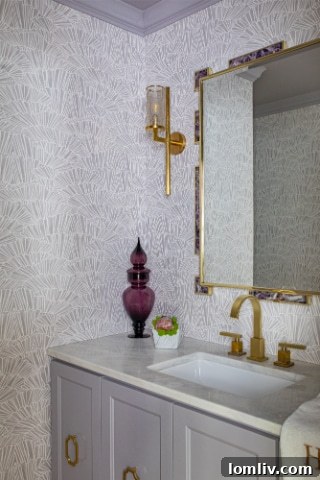
- Purple: Traditionally linked with royalty, luxury, and spirituality, purple is a sophisticated and often mysterious color. Lighter lavenders can be calming and creative, suitable for bedrooms or artistic studios, while deeper plums and eggplants convey elegance and drama in formal living areas or powder rooms.
- Orange: A warm, inviting, and enthusiastic color, orange combines the energy of red with the happiness of yellow. It promotes communication, creativity, and vitality. Used in dining rooms or family areas, it can foster a welcoming atmosphere. Brighter oranges are bold and playful, while softer terracotta or peach tones offer a more earthy and comforting feel.
- White: Purity, simplicity, and spaciousness are the hallmarks of white. It reflects light, making spaces feel larger, cleaner, and brighter. White provides a perfect backdrop for other colors and textures, creating a sense of calm and order. However, an all-white space can sometimes feel sterile or uninviting if not balanced with textures and warm accents.
- Black: Associated with sophistication, power, and drama, black adds depth and contrast. Used judiciously, it can create elegant and modern interiors, defining architectural features or serving as a powerful accent. Overuse can make a space feel small, dark, or oppressive, so it’s best balanced with lighter colors and plenty of natural light.
- Gray: The ultimate neutral, gray offers balance, sophistication, and versatility. It can range from cool, industrial tones to warm, inviting charcoal. Gray provides a calming backdrop that allows other colors to shine and works well in almost any design style, from minimalist to traditional. Its perceived warmth or coolness can significantly impact the overall feel of a room.
Strategic Application of Color Theory in Interior Design
Understanding color theory is one thing; effectively applying it within your home is where the true magic happens. Thoughtful color selection can dramatically alter the perception, function, and mood of any interior space. It’s about more than just personal preference; it’s about creating an environment that supports the lifestyle and activities within it.
Consider Room Function and Occupants:
When selecting colors, the primary function of the room should be your guiding principle. What activities will take place here? Who will use this space?
- Living Rooms & Shared Areas: These spaces are often for entertaining, relaxation, and family gatherings. Welcoming warm colors (like muted oranges, deep reds, or earthy browns) can invite comfort and conversation, while calming cool hues (such as soft blues or greens) can promote a serene and relaxing atmosphere. The goal is to create an inviting and comfortable environment that accommodates diverse uses.
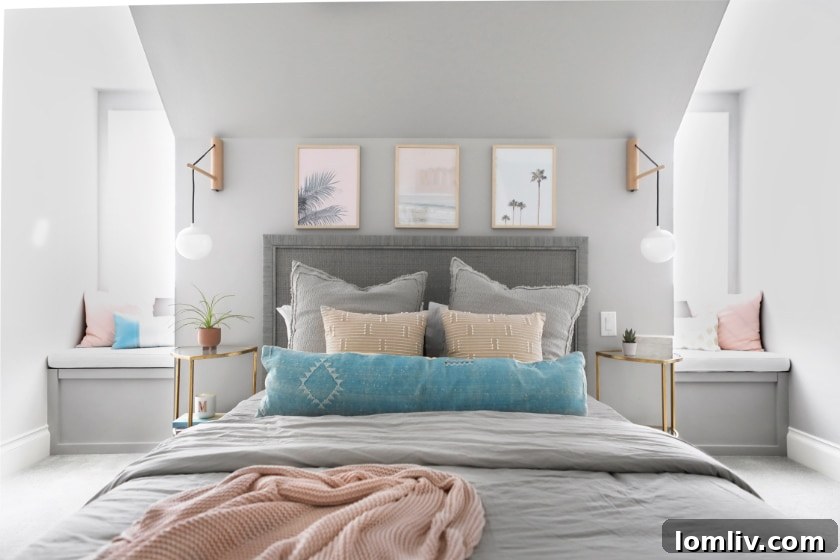
- Bedrooms & Private Retreats: For spaces dedicated to rest and rejuvenation, soft, tranquil colors are paramount. Pastel blues, greens, lavenders, and muted grays promote a restful environment and encourage a calming sensation at the end of the day. Avoid overly stimulating colors that might interfere with sleep.
- Kitchens & Home Offices: Operational rooms that require focus, energy, and creativity benefit from bright, stimulating colors. Yellows, light greens, or even certain shades of orange can inspire and energize without being overly aggressive. White and light neutrals are also popular choices for kitchens, conveying cleanliness and efficiency, while accent colors can add personality.
- Bathrooms: Often smaller spaces, bathrooms can be a place for bold experimentation or serene escape. Cool colors like blues and greens are popular for their association with water and cleanliness. Earthy tones can create a spa-like retreat, while a splash of vibrant color in accessories can add character.
- Children’s Rooms: These spaces can be playful and vibrant. Bright primary and secondary colors can stimulate creativity and joy. However, it’s also important to include calming elements, as overly stimulating colors can affect sleep and mood.
The Role of Light, Scale, and Texture:
Color never exists in a vacuum. How light interacts with a chosen hue, the size of the room, and the texture of the materials all play significant roles in its final appearance and impact.
- Natural & Artificial Light: The amount and type of light a room receives can dramatically alter how a color appears. A paint color chosen in bright, natural daylight may look completely different under warm, incandescent artificial light in the evening. Always test paint swatches on different walls and observe them at various times of day.
- Scale & Proportion: Darker, warmer colors tend to make a space feel cozier and smaller, while lighter, cooler colors can expand a room visually, making it feel more spacious and airy. This is a powerful tool for manipulating the perceived size of a room.
- Texture & Finish: The same color will appear differently on a smooth, glossy surface compared to a rough, matte texture. Glossy finishes reflect more light, making colors appear brighter, while matte finishes absorb light, making colors seem deeper and richer. Consider how different textures (wood, fabric, metal) within a room will interact with your chosen palette.
Thoughtful Use of Accent Colors and Accessories:
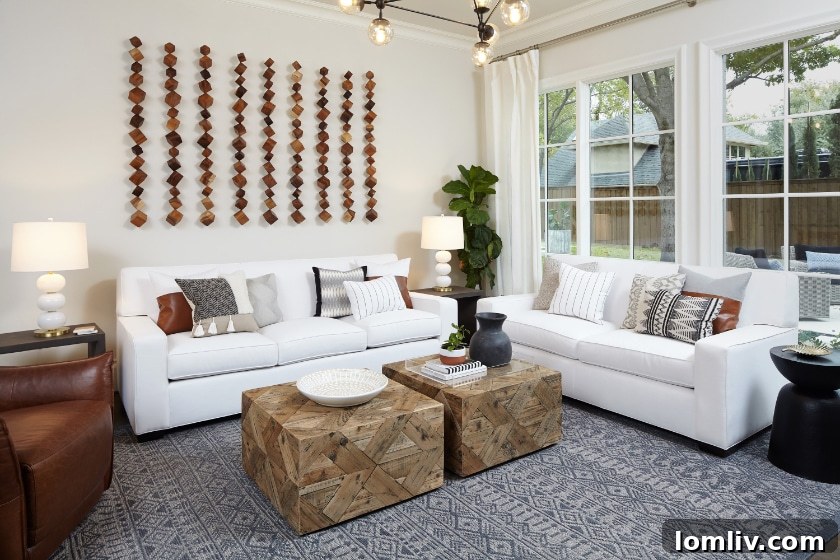
Accent colors and accessories are crucial for adding depth, character, and personality without overwhelming a room. They provide opportunities to introduce bolder hues or contrasting tones that complement the dominant scheme. Throw pillows, artwork, decorative objects, rugs, and even a single accent wall can inject vitality, define zones, or simply add visual interest. These smaller elements are also easier and more affordable to change, allowing for seasonal updates or evolving tastes.
Finding Your Palette: Inspiration is Everywhere
The prospect of selecting a color palette from scratch can feel daunting, but inspiration for transforming your space is truly all around you. Opening your eyes to various sources can help you discover a palette that not only adheres to color theory principles but also genuinely resonates with you and your home’s unique story.
Drawing from Diverse Sources:
- Nature’s Unrivaled Beauty: Nature is perhaps the most timeless and harmonious source of color inspiration. Consider the serene blues and greens of a coastal landscape, the vibrant reds and oranges of an autumn forest, the soft pastels of a spring garden, or the earthy neutrals of a desert vista. Observing these natural palettes can provide endless combinations that feel inherently balanced and soothing.
- Art, Fashion, and Travel: The worlds of art and fashion are constantly pushing boundaries and setting trends. A beloved painting, a cherished piece of clothing, or the vibrant streetscapes from a memorable trip can all spark a unique color story for your home. These sources often offer pre-curated palettes that demonstrate sophisticated color mixing.
- Current Trends & Cultural Facets: While personal preference should always lead, staying aware of current trends can offer fresh perspectives and innovative color combinations you might not have considered. Observe interior design magazines, blogs, and showrooms for trending colors and materials. Cultural influences, from specific geographical regions to historical periods, can also provide rich and meaningful color schemes.
- Personal Connections & Cherished Objects: Sometimes, the perfect color palette originates from something deeply personal. A favorite vase, a family heirloom rug, a cherished photograph, or even the hues in your wardrobe can serve as a starting point. Building a room’s color scheme around an object you truly love ensures that the space feels authentic and reflective of your personality.
Ultimately, the key is to find a harmonious balance between what you love and what works functionally and aesthetically in your space, all while being guided by the foundational principles of color theory. Don’t be afraid to experiment, but always consider the overarching impact of your choices.
Conclusion: The Transformative Power of Color
The impact of color theory on interior design is profound and undeniable. It’s far more than just decoration; it’s a strategic art that influences mood, alters perceptions of space, and imbues our living environments with character and personality. By gaining a deeper understanding of the color wheel, mastering various color schemes, and recognizing the psychological power of individual hues, you are equipped with the knowledge to create spaces that are not only aesthetically stunning but also deeply resonant with your personal style and emotional needs. Embracing color theory empowers you to design a home that feels harmonious, inviting, and truly reflective of who you are.
At ML Interiors Group, our team of expert designers specializes in harnessing the full potential of color to create impactful and personalized spaces. We believe that every home tells a story, and color is one of the most eloquent narrators. We would be delighted to assist you in selecting the perfect palette that suits your unique vision and transforms your home into a masterpiece of design. Give us a call or visit our website to learn more about our services – we would love the chance to get to tell your story through exceptional design.