Selling a home is an exciting yet complex process, often filled with details that can easily lead to confusion if not properly addressed. Among the most common sources of misunderstanding between buyers and sellers is the question of what items convey with the property and what the seller is entitled to take. This lack of clarity can quickly escalate into unpleasant disputes, delaying closings, and souring what should be a smooth transition for both parties. For homeowners in Texas, understanding the specific stipulations of the standard real estate contract is paramount to ensuring a transparent and successful sale. This comprehensive guide aims to shed light on these critical distinctions, helping you navigate the intricacies of what stays and what goes when selling a home in the Lone Star State.
The journey of selling a house involves more than just transferring deeds and funds; it’s about the transfer of a living space, often filled with personal touches and essential fixtures. Distinguishing between personal property and items considered part of the real estate can be challenging, especially when emotions run high. By delving into the Texas real estate contract, we can demystify these rules and empower both buyers and sellers with the knowledge needed to avoid potential conflicts.
What Conveys? Understanding Fixtures in Texas Real Estate
In Texas, the standard real estate contract is meticulously designed to clarify what items are considered part of the property and must convey with the sale, unless explicitly stated otherwise. This is primarily outlined in Paragraph 2B and 2C, which list specific categories of items deemed permanently installed or built-in. The underlying principle here revolves around the legal concept of “fixtures” – items that were once personal property but have become permanently attached to the real estate, thereby becoming part of it.
Permanently Installed and Built-in Items (Paragraph 2B)
Paragraph 2B of the Texas contract details items that are typically considered fixtures due to their permanent installation. These are items that, if removed, would either damage the property or significantly alter its functionality and appearance. Understanding this category is crucial:
- Appliances: While a kitchen refrigerator is generally considered personal property unless built-in, items like dishwashers, built-in ovens, cooktops, trash compactors, and microwave ovens that are integrated into the cabinetry are clear examples of conveying items. The key here is “built-in” or “integrated” – if it’s designed to be a permanent part of the kitchen structure, it stays.
- Fixtures and Lighting: All permanently installed light fixtures, including chandeliers, recessed lighting, wall sconces, and exterior lights, must convey. Similarly, ceiling fans in any room of the house are considered fixtures.
- Window Treatments: This category often causes confusion. Paragraph 2B explicitly lists window screens, but generally, anything permanently affixed to the windows for privacy or light control, such as blinds, shades, and custom-fit shutters, will also convey.
- Mirrors: The distinction here is vital. A mirror simply hung on a nail in a powder room is personal property and can be taken by the seller. However, a mirror that is glued to the wall, custom-fitted into a frame, or screwed into the wall by its framing is considered permanently attached and must remain with the house.
- Outdoor and Exterior Elements: Mailboxes, landscaping (including trees, shrubs, and perennial plants embedded in the ground), irrigation systems, and permanent outdoor cooking equipment (e.g., built-in outdoor grills or kitchen islands) are all considered part of the property. Freestanding grills, fire pits, or potted plants, however, are personal property.
- Security and Smart Home Technology: Permanently installed security systems, including wired cameras, alarm panels, door and window sensors, and smart thermostats, typically convey. Mounting brackets for televisions and speakers are also specifically listed in Paragraph 2B as items that must stay, even though the actual televisions and speakers themselves are personal property and do not convey.
Additional Accessories (Paragraph 2C)
Beyond the permanently installed items, Paragraph 2C addresses other accessories that are integral to the home’s functionality or aesthetic and are expected to remain with the property. These items, while perhaps less “permanently” affixed, are nevertheless considered part of the real estate transaction:
- Window Coverings: This includes draperies, curtains, and their rods. Even if they are easily removable, the contract specifies their inclusion to maintain the home’s intended finish.
- Fireplace Accessories: Fireplace screens, grates, gas logs (if integrated into a gas fireplace system), and attached fireplace tools are expected to convey.
- Controls and Keys: All keys to the property, along with controls for garage doors (remote openers) and gate openers, must be transferred to the buyer. This ensures immediate access and functionality of these essential home features.
The Fixture Test: Determining “Permanent” Attachment
When an item isn’t explicitly listed, real estate professionals often refer to a “fixture test” to determine if it should convey. This test considers several factors:
- Method of Attachment (Annexation): How is the item attached? Is it glued, screwed, bolted, or cemented? If its removal would cause damage to the property, it’s likely a fixture.
- Adaptation to the Real Estate: Is the item custom-made or specifically adapted for the property? For example, custom shelving built into a wall or a water softener system plumbed into the house’s water supply.
- Intent of the Installer: What was the original intent when the item was installed? Was it intended to be permanent, or was it meant to be easily removed? This is often the most subjective part of the test but can be inferred from the method of attachment and adaptation.
Understanding these criteria helps clarify many gray areas. For instance, a built-in bookshelf would convey, but a freestanding bookcase would not. A water heater, integral to the home’s plumbing, is a fixture, whereas a portable space heater is personal property.
What to Exclude? Protecting Your Personal and Sentimental Items
While the contract outlines what *must* convey, sellers often have items they wish to take with them. These items, whether personal property or fixtures with sentimental value, must be explicitly listed as exclusions on the first page of the contract to avoid any disputes. It’s not enough to verbally state your intention; it must be in writing.
- Sentimental Fixtures: It’s common for sellers to want to keep a cherished light fixture inherited from a family member, a specific set of drapes, or a unique door knocker. If these are fixtures according to the contract, they must be listed as exclusions. It’s advisable to replace them with a comparable, if less sentimental, item before closing, or clearly mark them as “excluded” during showings.
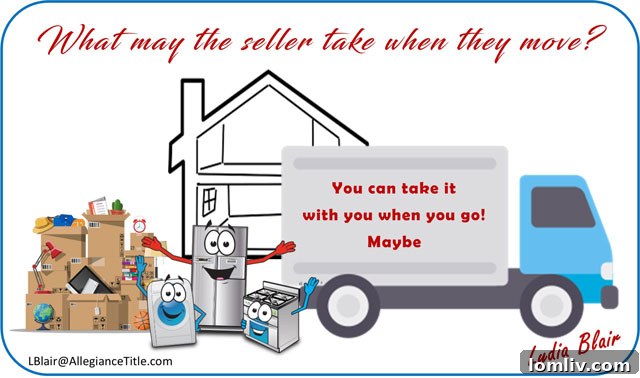
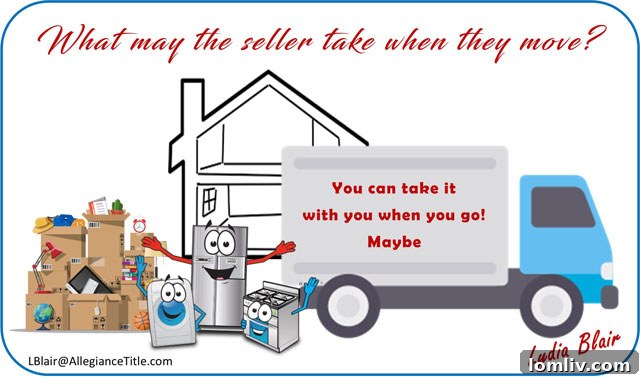
- Personal Property: Items that are not permanently attached to the house are considered personal property and belong to the seller. This includes furniture, rugs, wall art (unless glued or permanently affixed), freestanding appliances (like a washer, dryer, or a non-built-in refrigerator), tools, and decorative items. The seller is expected to remove all personal property prior to giving possession of the home to the buyer.
The Non-Realty Items Addendum: Facilitating Personal Property Transfers
Sometimes, a seller may wish to leave certain personal property items, such as a washer and dryer, a specific piece of furniture, or even outdoor patio furniture, for the buyer. Similarly, a buyer might request these items. For such transfers, a “Non-Realty Items Addendum” should be completed and signed by both parties. This addendum clearly lists the personal items that are transferring from seller to buyer, specifying their condition (e.g., “as-is”) and ensuring both parties agree to the arrangement. This document is crucial because it takes these items out of the realm of ambiguity and clearly defines them as part of the overall transaction, even though they are not considered “real estate.” Without this addendum, any personal property left behind could be considered abandoned, or the seller might be obligated to remove it if the buyer doesn’t want it.
Avoiding Misunderstandings: Best Practices for a Smooth Transaction
Given the potential for disputes, clear communication and meticulous documentation are your best allies in any real estate transaction. Here are some best practices for both buyers and sellers:
- For Sellers:
- Be Proactive with Exclusions: Identify any items you wish to take early in the process and list them clearly in the contract. If you plan to replace a fixture, do so before showings or clearly label it.
- Remove Personal Items: Ensure all personal property is removed from the premises before the final walkthrough and closing date, unless specifically agreed upon in the Non-Realty Items Addendum.
- Provide All Keys and Controls: Gather all keys, garage door openers, and gate remotes to provide to the buyer at closing.
- Document Everything: Keep records of all communications and signed addenda related to inclusions or exclusions.
- For Buyers:
- Read the Contract Carefully: Pay close attention to Paragraph 2B and 2C, and review any exclusions listed by the seller.
- Ask Questions: If you are unsure about whether a particular item conveys, ask your real estate agent to clarify and get the answer in writing if necessary.
- Detailed Walkthroughs: Conduct a thorough final walkthrough before closing to ensure all agreed-upon items are present and all excluded items have been removed. Document any discrepancies immediately.
- Use the Non-Realty Items Addendum: If you are expecting any personal property from the seller, ensure it is itemized on this addendum.
A Glimpse Beyond Texas: International Differences
While this guide focuses on Texas, it’s worth noting that real estate norms vary dramatically across different regions and countries. Texans might be surprised to learn that in some European countries, sellers often take almost everything, including light fixtures, appliances, and even door handles, leaving a completely bare shell for the buyer. Conversely, in certain resort areas or fully furnished properties, especially internationally, sellers might leave virtually everything, including furniture, dishes, and linens, as part of the sale. These global differences highlight the importance of localized contracts and the necessity of understanding the specific expectations within your market.
In Texas, however, the clarity provided by the standard contract aims to minimize such drastic surprises. The contract assumes that fixtures convey and personal property does not, unless otherwise specified.
The Golden Rule: Get It In Writing!
Ultimately, the most critical piece of advice for both buyers and sellers is simple: when in doubt, put it in writing. The Texas real estate contract, especially Paragraph 2, is designed to be comprehensive, but it cannot foresee every unique situation or every sentimental attachment. Any deviation from the standard provisions, whether it’s an item the seller wants to exclude or a personal item the buyer wants included, must be explicitly stated in the contract or a signed addendum. This proactive approach ensures that everyone involved has a clear understanding of what goes with the seller and what remains with the house, preventing last-minute surprises and fostering a positive closing experience for all parties.
Opinions expressed herein are solely those of the individual author for informational purposes and should not be construed as legal or tax advice. For guidance on specific issues or problems, please consult with a qualified attorney or accountant.