A true jewel in the crown of Dallas hospitality, the Rosewood Mansion on Turtle Creek, has recently marked a significant turning point in its storied history. This esteemed landmark property has transitioned to new ownership, returning to local and intimately connected hands. The acquisition by HN Capital Partners, a Dallas-based private real estate investment firm, signifies a full-circle moment for a hotel deeply rooted in the city’s heritage and its vibrant luxury landscape.
Renowned for its unparalleled elegance and impeccable service, the Rosewood Mansion on Turtle Creek stands as one of Dallas’ most luxurious establishments. It boasts 142 exquisitely appointed rooms spread across nine stories, offering guests an exclusive retreat. The hotel features an acclaimed bar and its namesake restaurant, a culinary institution where legendary chef Dean Fearing famously created his iconic Lobster Tacos. Additionally, the Mansion provides sophisticated meeting and event spaces, catering to both intimate gatherings and grand celebrations. Until this recent change, the hotel was under the ownership of a Hong Kong-based company that still retains the global Rosewood brand. However, its stewardship has now been entrusted to HN Capital Partners, spearheaded by the visionary Vipin Nambiar. This firm carries significant local ties, having been originally backed by Hunt Consolidated, where Mr. Nambiar previously honed his expertise. Notably, Ray Hunt continues his involvement as a minority partner, reinforcing the local connection. HN Capital Partners’ impressive portfolio of local holdings already includes the contemporary W Hotel in Victory Park and a diverse range of properties within the burgeoning Dallas Design District. The firm also played a pivotal role in the strategic planning and development of the stylish Dallas Virgin Hotel, further solidifying its presence and expertise in the city’s luxury hospitality sector.
Caroline Rose Hunt: A Visionary’s Enduring Legacy
The return of the Rosewood Mansion to local ownership resonates deeply with its origins, largely thanks to the remarkable foresight and dedication of the late Caroline Rose Hunt. It was her singular vision and unwavering commitment that saved an exquisite historic mansion, which had once served as an oil company headquarters, from the brink of demolition. Her legacy as a preservationist and pioneering developer continues to shape Dallas, profoundly influencing its architectural and cultural landscape. Mrs. Hunt, a towering figure in Dallas society, passed away on October 31, 2018, but her impact remains indelible.
Caroline Rose Hunt was the third daughter of the legendary oil tycoon H.L. Hunt, patriarch of one of America’s wealthiest families. A mother of five and a cherished resident of the exclusive Park Cities, she possessed an innate elegance and a global perspective, having benefited from extensive education and world travel. While she may not have started her career as a conventional developer, she was a billionaire in her own right, endowed with sharp business acumen and, more importantly, a profound passion for historic preservation. Her commitment to safeguarding Dallas’ architectural treasures became evident when she learned that the grand old Sheppard King mansion, situated on the picturesque Turtle Creek Boulevard, was slated for demolition. Without hesitation, Caroline sprang into action, recognizing the immense historical and architectural value of the property.
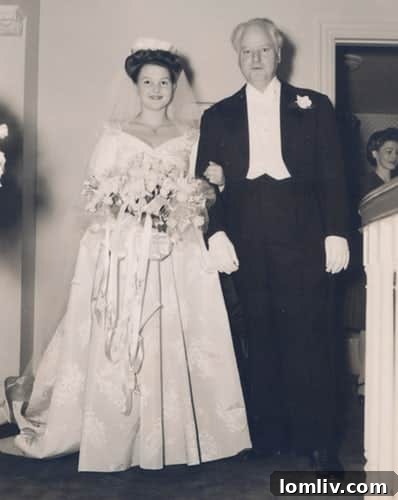
Under Caroline Rose Hunt’s visionary chairmanship, the Rosewood Mansion on Turtle Creek did not merely become a hotel; it transformed into the flagship property of a sprawling, $300 million global hospitality empire: Rosewood Hotels & Resorts. This empire eventually encompassed 15 exceptional properties, each epitomizing luxury and a distinct sense of place. Dallas owes an immense debt of gratitude to Caroline Rose Hunt, not only for her transformative role as a developer but equally for her fervent dedication as a preservationist. Her philosophy held that demolishing a beautiful building was an unforgivable waste, a notion she vigorously opposed. Her commitment to heritage ensured that architectural marvels like the Mansion would endure for future generations to appreciate and enjoy.
The Illustrious History of The Mansion on Turtle Creek
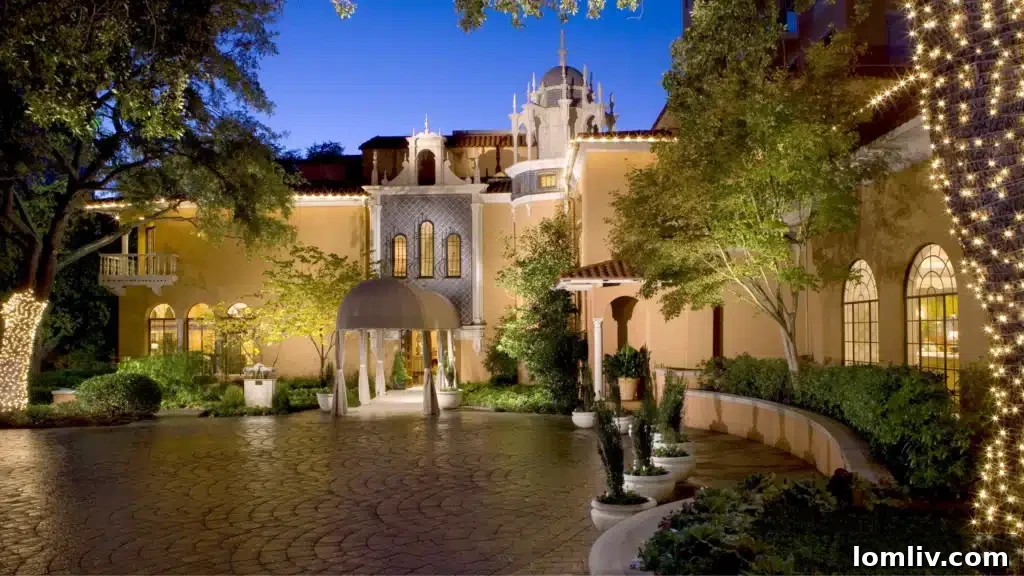
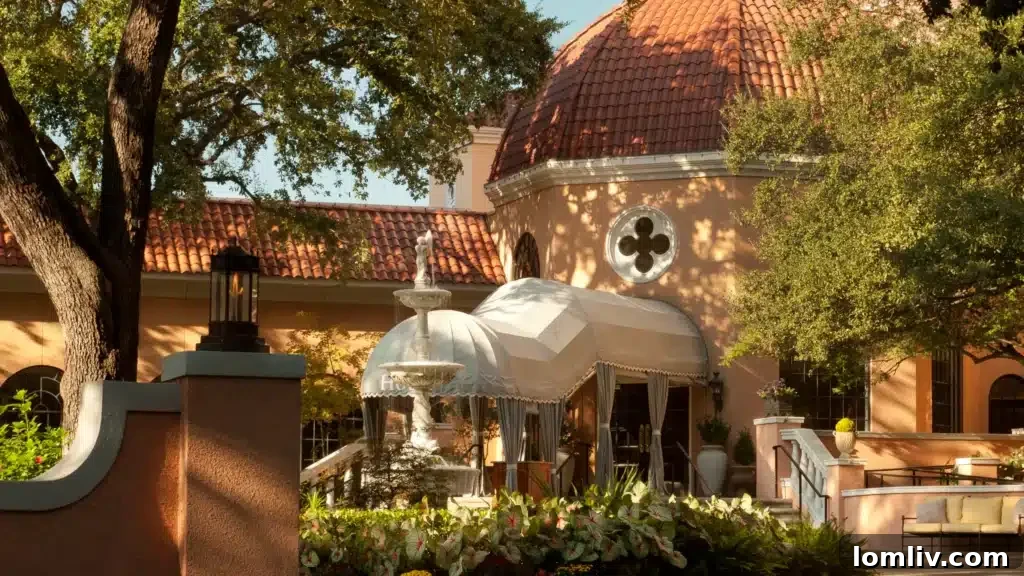
The origins of the Rosewood Mansion trace back to the opulent 1920s, a period of immense prosperity in Dallas. It was then that Sheppard King, a prominent and wealthy Dallas cotton baron, embarked on a grand endeavor. With his wife and a chosen architect, King meticulously scoured Europe, seeking out priceless relics and exquisite art pieces to adorn their ambitious new residence. The result was a magnificent 10,000-square-foot Italian Renaissance-style home, a masterpiece of design and craftsmanship, majestically situated on Turtle Creek. Its intricate details and grand scale reflected the burgeoning wealth and sophisticated tastes of Dallas society at the time.
However, the burgeoning grandeur of the King mansion was soon confronted by the harsh realities of the Great Depression. The economic downturn dramatically impacted the King family, compelling them to sell their meticulously designed nest. The property then found a new owner in Freeman Burford, another influential oilman of the era. He and his wife resided in the sprawling estate for several years before it was once again sold, this time to Toddie Lee Wynne, yet another titan of the oil industry. Wynne, with a keen eye for business, repurposed the mansion, transforming its elegant rooms into the executive offices of his American Liberty Oil Company. The estate continued its journey through history, passing into the hands of Republic Financial Services in the 1970s. It was during this period that the iconic building faced its most significant threat, being tragically earmarked for the wrecking ball, its future hanging precariously in the balance. It was at this critical juncture that Caroline Rose Hunt intervened, forever changing its destiny.
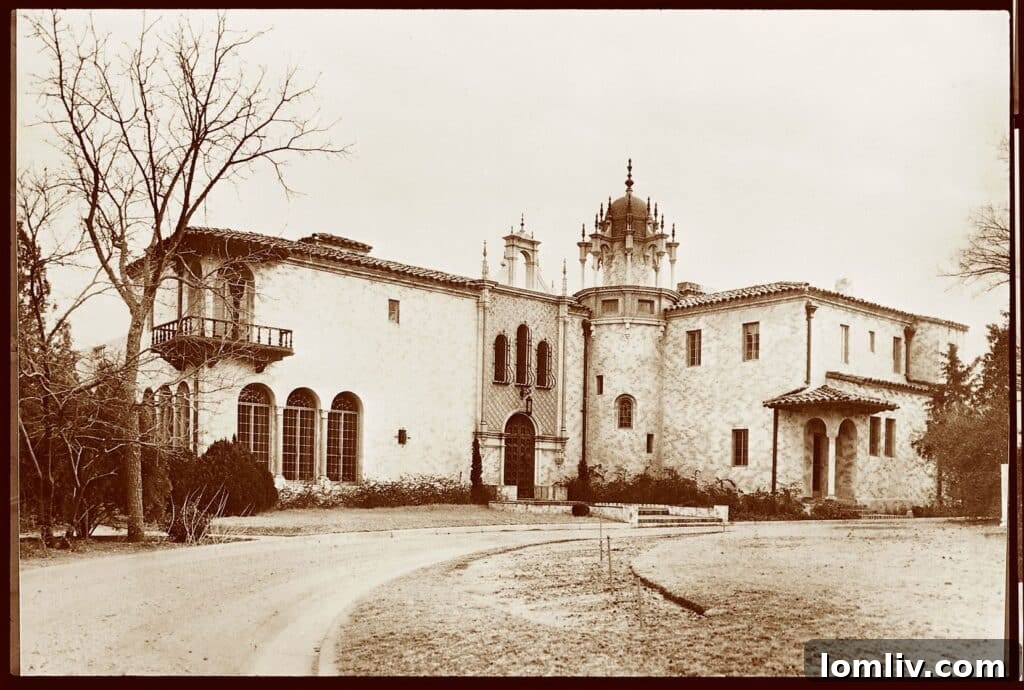
Caroline Rose Hunt was far more than just a preservationist; she possessed a remarkable astuteness for business. Her oldest son, Stephen Sands, recognized this blend of passion and practicality. He astutely advised her that acquiring the Mansion would be a sound investment, pointing to the successful ventures of other prominent tycoons who were thriving by purchasing and operating small, luxurious hotels in various cities. Inspired by these examples, Sands envisioned an ambitious plan: to transform the existing King mansion into a sophisticated bar and restaurant, while concurrently constructing an adjacent luxury hotel behind it, designed in the same exquisite architectural style. This holistic approach would integrate the entire block into what would become “The Mansion.” To ensure unparalleled sophistication, he aimed for a distinct club panache, partnering with 21 Management Co., renowned operators of the legendary 21 Club in New York City, to manage the restaurants. This strategic collaboration promised to infuse the Dallas establishment with an elite, cosmopolitan flair.
A Luxury Hotel For a Price: Investment and Grandeur
In 1979, with a shared vision for unparalleled luxury and preservation, Caroline Rose Hunt and her son Stephen Sands formally established Rosewood Hotels Inc., acting on behalf of the Caroline Rose Hunt Trust Estate. Their first decisive move was the acquisition of the venerable King mansion for $1.6 million. This initial investment was swiftly followed by a substantial commitment of an additional $19.4 million, meticulously allocated for the extensive renovation of the historic structure and the construction of the new, adjoining luxury hotel wing. This significant financial outlay underscored their dedication to creating a property of extraordinary caliber.
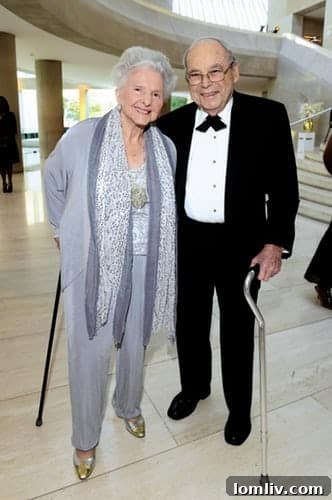
While the precise financial details of the recent transaction remain confidential, industry whispers suggest that HN Capital Partners’ acquisition price for the Rosewood Mansion was less than $1 million per key. This figure, though unconfirmed, highlights the significant investment in Dallas’s luxury hospitality market. The hotel triumphantly opened its doors in 1981, christened with the distinguished name, The Mansion on Turtle Creek. To commemorate this monumental occasion, Caroline Rose Hunt, leveraging her extensive network of influential friends both locally and internationally, hosted a lavish two-day gala. The event garnered national press attention and was attended by 270 couples, each contributing $1,000 to partake in the historic celebration. Dallas immediately embraced the new pinnacle of luxury and opulence that the Mansion introduced.
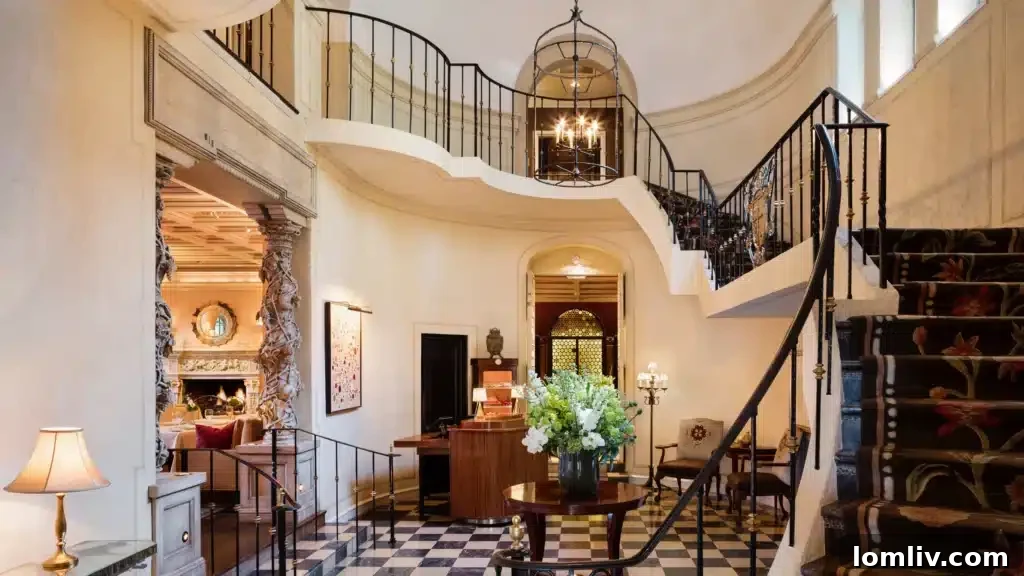
The hotel instantly set a new benchmark for upscale hospitality, epitomized by an extraordinary two-to-one ratio of staff to guest, ensuring personalized and attentive service. Guests were enveloped in an atmosphere of refined elegance, from the moment they stepped into the breathtaking 32-foot-high marble rotunda. Every detail was meticulously considered, a standard that would become synonymous with the Rosewood name. This commitment extended to a curated collection of fine art, exquisite antiques adorning the public spaces, an unwavering focus on guest pampering, and the weekly replenishment of the lobby’s vibrant floral arrangements with rare flora, meticulously flown in fresh from around the globe. This dedication to exquisite detail and unparalleled luxury even captured the attention of prestigious national publications, with the New York Times taking notice of Dallas’ new and elegant dining experiences and its paramount luxury offerings.
In 1989, after an impactful 42 years of ownership, Caroline Rose Hunt made the strategic decision to sell Rosewood Corporation. When her daughter, Laurie Sands Harrison, then the executive director, questioned her mother’s choice to part with what many considered the family’s crown jewels, she received a quintessential piece of her mother’s seasoned business wisdom. Harrison vividly recalled her mother’s words: “Laurie, I told you, don’t get emotionally tied to any one line of business. Business is cyclical. And now is the time to sell. We’ve got a Chinese [tycoon] getting ready to overpay. Besides that, you children can buy it back for 30 cents on the dollar in about 15 years.” This demonstrates Hunt’s remarkable foresight and pragmatic approach to business cycles.
According to an official statement from the new owners, the iconic hotel will continue its operations as the Mansion on Turtle Creek under the esteemed management of Rosewood Hotels & Resorts. It is a common practice in the hospitality industry for hotels, though owned by one entity, to contract with a renowned brand for management services, ensuring consistent luxury standards and global recognition. Vipin Nambiar, founder of HN Capital Partners, expressed his enthusiasm in a statement: “This magnificent estate offered HN Capital a unique opportunity to further invest in the Dallas community, and we’re excited to continue to forge even stronger bonds with local partners as we begin work on enhancing what this iconic hospitality destination has to offer.” He elaborated on the firm’s philosophy: “Our goal is to respect the hotel’s history and work closely with the Rosewood team to further expand the luxury offerings and imagine new services that ensure that the Rosewood Mansion on Turtle Creek remains the most beloved hotel for the Dallas community and travelers alike.” Nambiar further articulated the guiding principle behind HN Capital Partners’ endeavors: “Our aspiration always remains the same: to use our training as architects, planners, finance and legal professionals with the guiding principle of leaving something better than we found it.” This ethos underscores a deep commitment to not only commercial success but also to enhancing community assets and preserving their intrinsic value.
In line with this commitment, the Dallas Morning News has reported that HN Capital Partners has ambitious plans for significant upgrades to the property. Vipin Nambiar confirmed these intentions, stating, “We think it’s a great canvas with which to do something special. The rooms have been done well.”
“You are going to see us work with Rosewood reimagining from the standpoint of the food and beverage and the wellness amenities we can add.”
The new owners are deeply committed to a delicate balance: preserving the cherished history and unique narrative of the Mansion while simultaneously enhancing its appeal and ensuring its continued success in attracting guests. Vipin Nambiar emphasized this long-term vision: “Making sure this asset is put forward for the next 20 years so it retains its status as one of the best places in Dallas is important to me. We will ensure its transition as a luxury hotel for the next generation occurs.” This forward-thinking approach aims to not only maintain the Mansion’s current prestige but to elevate it for future decades.
“Our singular focus is going to be sure we deeply preserve its narrative and get the Gen Z and millennial generations to better identify with it.”
via the Dallas Morning News
The strategic intent is clear: to infuse modern relevance while honoring the profound legacy that makes the Rosewood Mansion on Turtle Creek an enduring Dallas icon, ensuring its allure transcends generations and continues to captivate discerning travelers and local patrons alike.