Navigating Community Divides: The Lake Highlands School Discussion
The conversation surrounding the proposed elementary school in Lake Highlands has ignited passionate discussions across our community, drawing significant attention and generating a wide array of viewpoints. Over the past day and night, an influx of comments, both online and in personal conversations with friends and neighbors from Lake Highlands, has underscored the depth of feeling on this crucial issue. This article aims to delve into the various facets of this ongoing dialogue, offering perspectives from different stakeholders and providing important clarifications from the school district, all while emphasizing the paramount importance of preserving our cherished community spirit.
The Imperative of Civil Discourse Amidst Contentious Issues
One of the most encouraging aspects observed throughout this intense debate has been the remarkable civility displayed by the majority of participants. In a climate where contentious issues can often lead to strained relationships, it is commendable that most individuals have engaged in thoughtful and respectful exchanges. Indeed, discussions around school planning and development can be inherently fraught, sometimes even leading to the unfortunate dissolution of long-standing friendships due to deeply held beliefs and differing visions for the community’s future. This serves as a potent reminder of the emotional weight carried by decisions that directly impact our children’s education and our neighborhood’s fabric. While passionate disagreement is a natural part of democratic discourse, maintaining mutual respect and understanding is vital for the long-term health of our community.
Understanding Valid Perspectives: Safety, Inclusion, and Communication in School Planning
A core truth emerging from this discussion is the validity of differing perspectives, even when they appear to be in direct opposition. When it comes to a new elementary school, parents and community members often approach the issue from deeply personal angles, shaped by their individual circumstances, values, and experiences. For some, the proposed school site may represent a safe, accessible, and much-needed educational resource that promises to alleviate overcrowding and enhance learning opportunities for their children. They might envision a seamless integration into the community, believing that careful planning by the Richardson Independent School District (RISD) ensures optimal conditions for student well-being and academic success. This perspective often stems from trust in district leadership and a focus on the broader benefits of growth and increased capacity within the school system.
Conversely, another segment of the community may harbor significant concerns regarding the exact same project. Their anxieties might revolve around specific aspects of the site, such as traffic safety, environmental impact, proximity to existing infrastructure, or the overall suitability of the location for young students. These concerns are not merely speculative; they are often rooted in a deep sense of responsibility for their children’s welfare and a desire to ensure that every potential risk is thoroughly mitigated. Furthermore, feelings of frustration can arise from a perception that their voices have not been adequately heard throughout the planning process. While some may feel their input was valued and considered, others might experience a sense of being marginalized, believing that their specific questions or alternatives were not given sufficient weight. These divergent experiences highlight the complex nature of community engagement in large-scale projects and underscore the critical importance of transparent and inclusive communication channels where all stakeholders feel genuinely acknowledged and respected. Recognizing that both sets of feelings can be entirely valid is essential for fostering productive dialogue and bridging community divides.
Protecting the Heart of White Rock Valley: Neighborly Bonds and Online Etiquette
The White Rock Valley community is widely celebrated for its warm, neighborly attitude and friendly atmosphere—qualities that residents consistently express as being among their most cherished aspects of living here. However, there is a palpable concern that this very spirit of camaraderie and mutual support is unfortunately beginning to erode in the face of such a contentious local issue. A home is typically a long-term commitment, often spanning three decades or more, and the thought that a school development could potentially consign some residents to thirty years of living alongside neighbors with whom irreparable rifts have formed is truly disheartening. The fabric of a community is woven from countless daily interactions, shared experiences, and a collective commitment to harmony; when these bonds are strained, the entire community suffers.
Words carry immense power, capable of either deepening divisions or serving as a soothing balm that helps bridge differences, allowing neighbors to remain friends even when they disagree. In the age of instant online commentary, it has become all too easy to express strong opinions without fully considering the long-term repercussions on personal relationships and community cohesion. Before engaging in online discussions or publishing comments on social media platforms, it would be immensely beneficial for everyone to pause and reflect on the potential impact of their words. Choosing respectful language, seeking to understand rather than simply to criticize, and prioritizing the preservation of neighborly ties can make a profound difference. Our shared commitment to White Rock Valley’s unique character demands that we actively work to maintain its friendly and supportive environment, ensuring that contentious issues do not permanently fracture the invaluable social connections that define our beloved neighborhood.
Clarifying the District’s Stance: Engagement Processes and Official Statements
In an effort to provide comprehensive and accurate information, I reached out directly to the Richardson Independent School District (RISD) for clarification regarding the planning processes and community engagement related to the new school site. Tim Clark, the district’s spokesman, promptly provided an official response this morning, which is critical for understanding the district’s perspective. It’s important to present this information directly, and I am reproducing his clarifications verbatim below to ensure accuracy and transparency. While I remain committed to facilitating a platform for all community members to express their feelings and concerns about the school development—and am always happy to engage in lengthy discussions with individuals about their perspectives—it is equally vital to provide the district’s official statements and links where available. This balanced approach helps ensure that our community dialogue is informed by factual information from all parties involved.
Moreover, in my ongoing commitment to represent all viewpoints, I have also extended an invitation to the “We Need a School” advocacy group. If any community member is connected with this group and could encourage them to check their Facebook messages, it would be greatly appreciated. As soon as I receive their response, I will dedicate a separate piece to their valuable perspective, ensuring a comprehensive overview of the diverse opinions shaping this significant local issue. This multi-faceted approach aims to present a complete picture, fostering a more informed and nuanced understanding for everyone in Lake Highlands.
Official Statement from Tim Clark, RISD Spokesman:
“The article suggests that a committee was formed to hear out concerns related to the site, which is not accurate. There’s a FAQ on the LH Growth website that goes into more detail, but Dr. Stone met with neighborhood association leaders and WRE parent group leaders to hear their feedback and ideas related to attendance boundaries of the new school. There is not a plan for the group to meet again or to work to arrive at recommendations.
A group of stakeholders called the Lake Highlands Reflector Committee was formed in February and met in the spring to arrive at formal recommendations related to elementary enrollment growth that eventually led to RISD pursuing construction of two new elementary schools in Lake Highlands. There is comprehensive information on the work of the Lake Highlands Reflector Committee available on the LH Growth website.
The meeting with neighborhood and parent group leaders occurred last week and represented another avenue to communicate with and receive feedback from the leadership of the different stakeholder groups impacted by the eventual attendance boundaries of the new school. Dr. Stone will be sharing the feedback from the meeting at an upcoming RISD Board meeting.
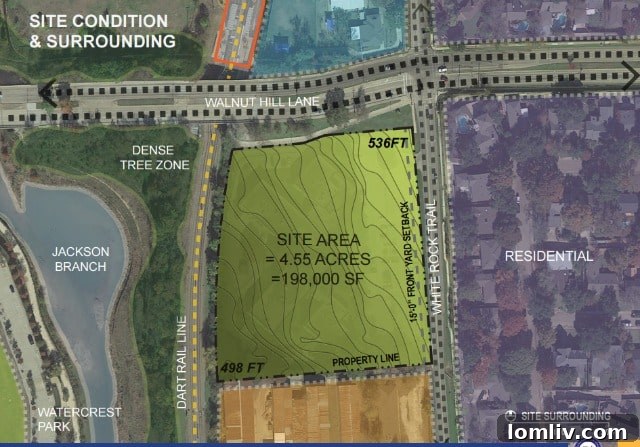
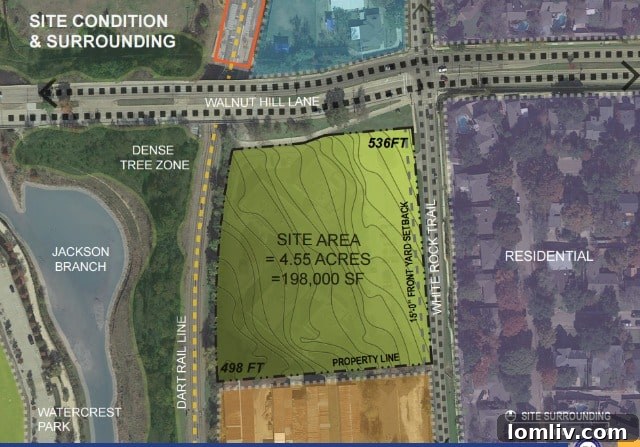
Also, all current trustees have visited the WRT site.”
Understanding RISD’s Engagement Process and Future Steps
Mr. Clark’s clarifications shed important light on the structured engagement processes undertaken by the Richardson Independent School District. It is crucial to distinguish between various committees and meetings to accurately comprehend the district’s approach to school development and community feedback. His statement corrects the misconception about a specific “site concerns committee,” emphasizing that Dr. Stone’s recent engagement with neighborhood association leaders and White Rock Elementary (WRE) parent group leaders was specifically focused on gathering feedback and ideas concerning the future attendance boundaries of the new school, rather than a forum for site-specific concerns with an expectation of ongoing meetings or formal recommendations. This distinction is vital for residents to understand the nature and scope of these discussions.
Furthermore, Mr. Clark highlights the role of the Lake Highlands Reflector Committee, a significant stakeholder group that was established earlier in the year. This committee was tasked with a broader mandate: to develop formal recommendations regarding elementary enrollment growth across Lake Highlands. Their work played a pivotal role in the district’s decision to pursue the construction of two new elementary schools, addressing the increasing demand for educational facilities in our growing community. Detailed information about the extensive work of this committee is publicly available on the LH Growth website, serving as a transparent resource for all interested parties. The recent meeting with neighborhood and parent group leaders, while not a formal committee with ongoing recommendations, is presented as an additional channel for RISD to communicate directly with key community leaders and gather their insights. The feedback collected from this meeting is set to be shared by Dr. Stone at an upcoming RISD Board meeting, indicating that community input, even if not part of a formal recommendation process, is being brought before the district’s governing body. Lastly, the assurance that all current trustees have personally visited the WRT site underscores the district leadership’s direct involvement and familiarity with the proposed location, an important point for many community members concerned about oversight and informed decision-making.
Moving Forward: Fostering Unity and Informed Dialogue in Lake Highlands
The ongoing discourse surrounding the new elementary school in Lake Highlands is a powerful testament to the community’s deep commitment to education and the future of its children. As we navigate the complexities of school development, attendance boundary adjustments, and community feedback, it is imperative that we continue to prioritize respectful dialogue, mutual understanding, and the preservation of our cherished neighborhood bonds. The clarifications from the Richardson Independent School District offer valuable insights into their planning and engagement processes, providing a structured framework for understanding the official approach. However, these official statements are just one part of the larger narrative. The myriad voices of parents, residents, and advocacy groups are equally essential, reflecting the diverse needs and hopes that define our vibrant community.
For Lake Highlands to emerge stronger from this process, residents are encouraged to stay informed, engage constructively, and seek opportunities for direct communication with both district officials and fellow community members. By understanding the distinct roles of various committees, the nature of feedback sessions, and the broader context of enrollment growth, we can contribute more effectively to solutions that serve the best interests of all. Let us endeavor to bridge any divides with empathy and a shared vision for an exceptional educational future within a united and thriving White Rock Valley. The strength of our community lies not in the absence of disagreement, but in our collective ability to navigate challenges with grace, understanding, and a steadfast commitment to our shared values.