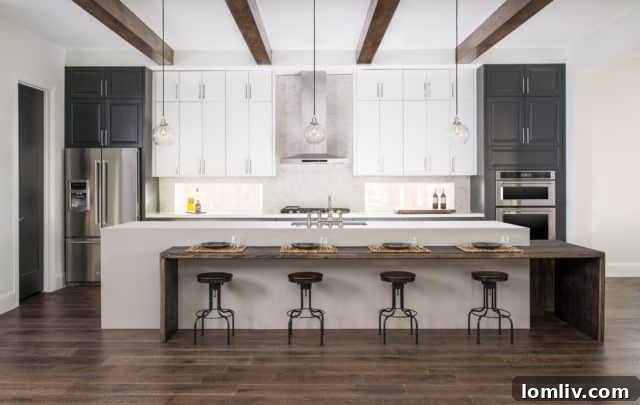
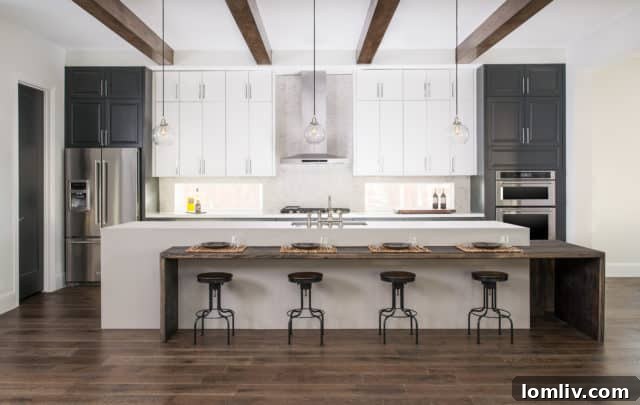
In the vibrant Dallas-Fort Worth (DFW) metropolitan area, where the housing market continues to thrive, understanding what homebuyers truly desire is paramount. For anyone observing the flurry of renovated homes and new construction projects, it comes as no surprise that the kitchen consistently reigns supreme as the ultimate splurge for DFW homebuyers. This key insight, along with many others, was recently uncovered in a comprehensive national survey commissioned by Ashton Woods, one of the nation’s largest private homebuilders.
The Ashton Woods National Homebuyer Survey provided a fascinating glimpse into the preferences of modern homeowners. While DFW buyers often mirrored national trends, their choices sometimes diverged significantly, highlighting the unique dynamics of this particular market. A standout finding was the emphasis on luxury features, with respondents indicating a clear willingness to prioritize high-end appliances, premium finishes, and sophisticated design elements in their kitchens over other areas of the home.
The Heart of the Home: DFW’s Obsession with Luxury Kitchens
The kitchen is undeniably the social nucleus of any home, a place where families gather, meals are prepared, and guests are entertained. This sentiment is particularly strong among DFW residents, who view their kitchens not just as functional spaces, but as statements of style and centers for social interaction. “We like to entertain, we like to have people over, and the kitchen is the heart of the home,” explains Nikki James, Studio Manager for the Ashton Woods Dallas Studio. This focus translates directly into significant investment.
Homebuyers are eagerly allocating substantial portions of their budgets to elevate their kitchens. This includes investing in top-tier appliances, such as those from luxury brands like Jenair, renowned for their performance and sleek aesthetics. Beyond appliances, the choice of countertops is another area where DFW buyers are not holding back. Quartz, celebrated for its durability, low maintenance, and wide array of sophisticated designs, is a highly favored material. Additionally, upgraded lighting fixtures are seen as essential for creating eye-catching appeal and setting the right ambiance, ensuring that the kitchen makes a lasting impression on guests.
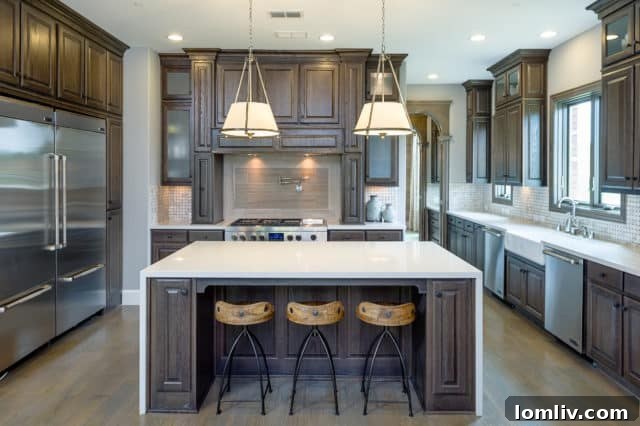
The kitchen island, in particular, has emerged as a focal point of this luxury spending. More than just a prep surface, islands are designed to facilitate social interaction while maintaining culinary efficiency. James highlights the importance of strategic island placement: “We really think about those things, and where we place the island so that it can still be a place [to gather] without interfering with your work triangle in your kitchen.” For many, the bigger the island, the better, transforming it into a versatile hub for cooking, dining, and entertaining.
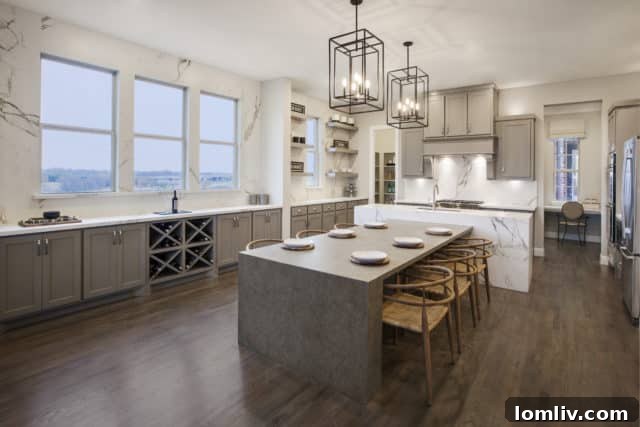
This desire for expansive and stylish islands is a significant driver of kitchen expenditure. Buyers are often opting for different countertop finishes on their islands compared to the perimeter counters, or choosing a contrasting color to make it stand out as a central design element. Furthermore, extending perimeter cabinetry to create more workspace ensures that those gathered around the island do not obstruct the primary cooking area, enhancing both functionality and social flow. This thoughtful design allows for seamless interaction between the chef and guests, reinforcing the kitchen’s role as the heart of the home.
Maximizing Space: The Value of Bonus Rooms in DFW
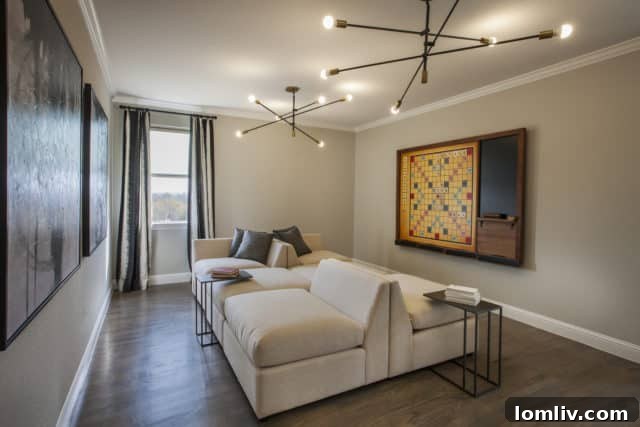
Beyond the kitchen, the Ashton Woods survey revealed another distinct preference among DFW homebuyers: a willingness to pay significantly more for bonus room space. On average, Dallasites are prepared to spend an additional $10,000 to $20,000 for these versatile areas, a figure that is substantially higher than the national average of up to $10,000.
Nikki James offers a compelling explanation for this regional disparity: the structural difference in most Dallas homes, specifically the widespread lack of basements. In many parts of the country, basements serve as inherent bonus spaces, offering room for recreation, storage, or additional living areas. In DFW, however, the absence of basements elevates the importance of dedicated flex spaces within the main footprint of the home. “I feel like, personally, I lived in the Midwest. You know we don’t have basements here in Dallas. It’s really important to have that extra room and that extra space, whether that be an additional study or a game room,” James elaborated, echoing the sentiments of her colleagues at the Dallas design studio.
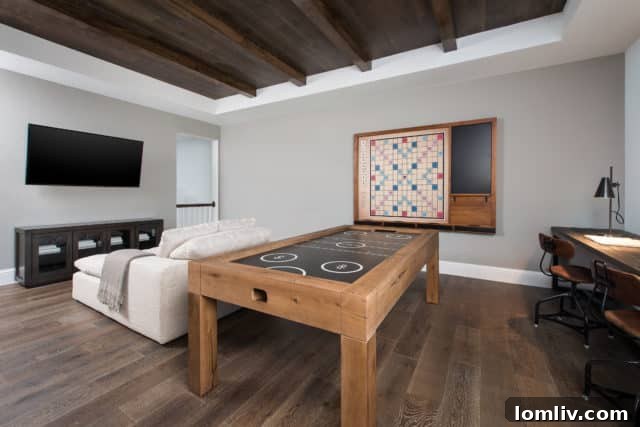
These bonus rooms are highly valued for their adaptability, catering to a diverse range of needs in modern households. A dedicated home office has become almost indispensable in the era of remote work, providing a quiet and productive environment. Game rooms offer a perfect retreat for family entertainment, while media rooms create an immersive cinematic experience. For some, a bonus room might become a home gym, a craft room, or even an additional guest suite. This flexibility allows DFW homeowners to personalize their living spaces to perfectly suit their evolving lifestyles, making these rooms a highly sought-after and valuable investment.
Beyond the Basics: Unique Home Features for the Discerning DFW Buyer
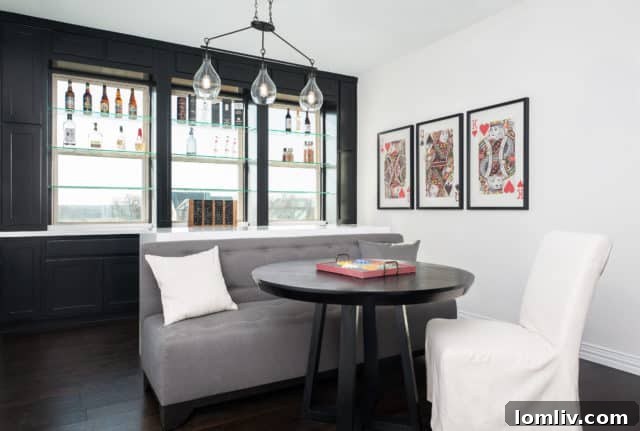
The survey further illuminated DFW buyers’ interest in more distinctive, often luxurious, home features. Dallas respondents showed a particular fascination with hidden rooms, media rooms, and wine cellars, with home gyms and wine cellars ranking highest in preference. These elements speak to a desire for homes that offer unique experiences, enhanced privacy, and a touch of intrigue.
“Having that media room that you can send your children to watch a movie, and then there’s always the great mystique of a hidden room, too,” James remarked. The allure of a hidden space, whether a secret study or a clandestine wine cellar, taps into a sense of wonder and exclusivity. Such features not only provide practical benefits, like a quiet retreat or secure storage, but also add significant character and a personalized touch that elevates a home beyond the ordinary.
The Master Suite: A Personal Sanctuary
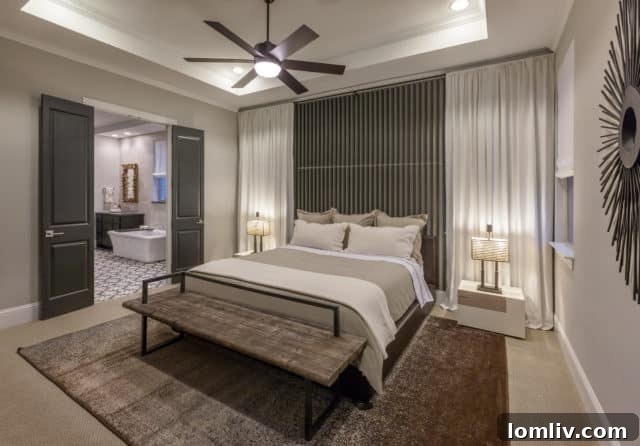
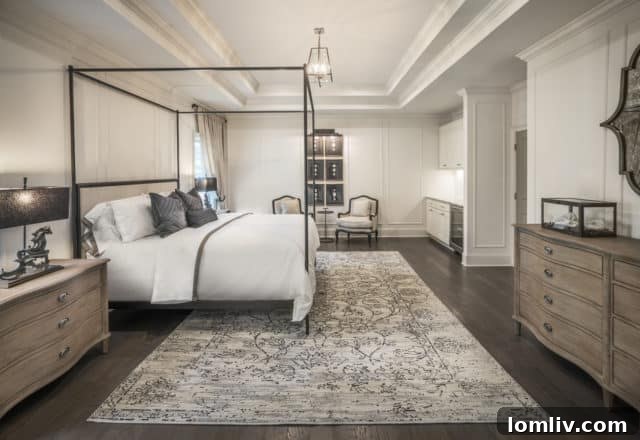
Another area of focus for Dallas homebuyers, as indicated by the survey, is the master bedroom. Many respondents expressed frustration with their current master suite configurations, signaling a strong desire for more expansive and luxurious personal retreats. This trend is likely influenced by the increasing amount of time people spend at home, often working remotely, which blurs the lines between living space and workspace.
Homeowners are seeking a sanctuary where they can unwind and escape the demands of daily life. “I think people are spending more time at home — even working at home — and they kind of want that retreat, a separate place that they can go to get away from the business of life,” James explained. This translates into requests for master bedrooms that include dedicated sitting areas, elegant coffee bars, or even discreet workspaces. The goal is to create a spacious, tranquil environment that offers both luxury and personal privacy, allowing residents to relax and rejuvenate in peace and quiet.
Pet-Friendly Designs and the Power of Personalization
The survey also highlighted an evolving aspect of home design: the inclusion of pet-friendly spaces. Dallasites are increasingly willing to dedicate specific areas within their homes for their beloved animals, reflecting the growing trend of pets being integral family members. This could involve built-in feeding stations, pet washing areas, or even dedicated play zones, showcasing a holistic approach to family living that includes furry companions.
Furthermore, DFW homebuyers place a high value on personalization. They are willing to pay more for builders who offer abundant opportunities for design customization. This desire stems from a deep need to create a home that truly reflects their individual tastes, needs, and lifestyle, rather than a generic, off-the-shelf design. Builders like Ashton Woods, who emphasize design studios and customization options, are particularly appealing to this segment of the market, allowing buyers to craft a living space that feels uniquely their own.
Evolving Aesthetics: Decoding Interior Design Trends
On a national scale, the survey uncovered shifting preferences in interior finishes, particularly concerning kitchen cabinetry. While all-white kitchens have dominated for years, garnering 17 percent of the vote, a significant 30 percent of respondents now express a preference for natural wood kitchen cabinets. This shift signals a return to warmer, more textured aesthetics in home design.
“For me, it’s refreshing and reassuring to see — it’s something that we’ve been talking about as designers here, seeing that white kitchens are kind of fading out,” James shared. “People are wanting to go back to the warmer finishes and embracing the high grade and high texture characteristics and cabinets again. I thought it was refreshing.” This embrace of natural wood brings a sense of timelessness, warmth, and connection to nature into the home, moving away from the starker, minimalist white trend.
Metal finishes are another area of evolving taste. While the design world, including Ashton Woods designers, has enthusiastically embraced brushed brass for plumbing fixtures and hardware, homebuyers are still largely gravitating towards flat nickel. This highlights a common lag between cutting-edge design trends and broader consumer adoption. “We’re so excited that finally, everything from plumbing fixtures to hardware and everything has embraced the brushed brass,” James noted, “But in the survey, people are still really turning towards the flat nickel, which is also a change, if you think back because we were at oil rubbed bronze for so long.” This preference for brushed nickel represents a transition from the darker, more traditional oil-rubbed bronze, indicating a desire for lighter, more contemporary metallic accents.
Anticipating Future Home Design Trends
The Ashton Woods survey also provided a forward-looking perspective on several other potential trend shifts in home design:
- Flooring Preferences: Future homebuyers are decisively opting for hardwood flooring over carpet. This choice reflects a desire for durability, ease of cleaning, allergy-friendliness, and a more sophisticated aesthetic that hardwood provides, contributing to the perceived value and luxury of a home.
- Master Bathroom Evolution: The traditional shower-tub combo in the master suite is increasingly being replaced by more luxurious options. Homebuyers prefer either spacious walk-in showers without a bathtub, creating a streamlined, spa-like wet room, or a separate bathtub and shower configuration, often featuring a freestanding soaking tub for ultimate relaxation.
- Aesthetic Styles: Participants expressed a clear preference for rustic wood elements, a hallmark of the ever-popular farmhouse style, which conveys warmth and authenticity. Conversely, industrial elements, characterized by raw metals and exposed brick, are falling out of favor, suggesting a move towards softer, more inviting aesthetics.
- Continuing Metal Finish Dominance: Despite designers’ embrace of satin brass, homebuyers continue to prefer brushed nickel for metal finishes. This underscores a consistent market preference for a clean, versatile, and enduring metallic look that integrates well with various design styles.
- Interior Design Style Choices: The survey indicated a strong preference for transitional and rustic interior design styles, followed by traditional, farmhouse, and contemporary. Styles like bohemian, coastal, and Scandinavian were notably less favored, suggesting a leaning towards established, comfortable, and classic aesthetics in the current housing market.
In conclusion, the Ashton Woods National Homebuyer Survey provides invaluable insights into the evolving desires of DFW and national homebuyers. From the undeniable dominance of luxury kitchens and the strategic importance of bonus rooms to the demand for personalized spaces and shifting aesthetic preferences, these trends shape how builders and designers approach creating the ideal modern home. As the DFW market continues its dynamic growth, understanding these preferences will be key to meeting the demands of a discerning clientele seeking homes that are not just functional, but truly reflective of their aspirations and lifestyles.