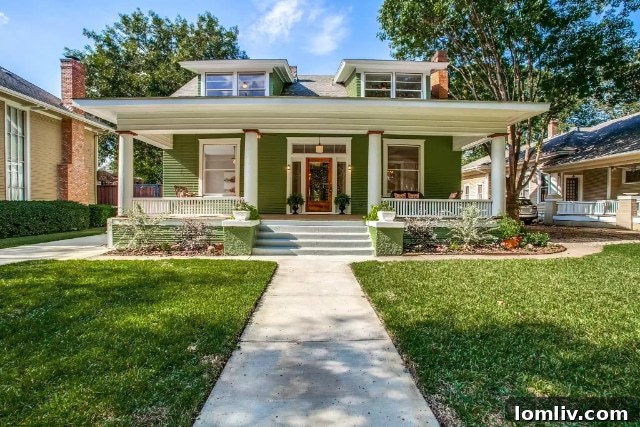
In the vibrant heart of Dallas, nestled within the historic Munger Place neighborhood, stands a testament to enduring craftsmanship and dedicated preservation: a magnificent 1913 Craftsman home, meticulously restored to its original grandeur. This property isn’t just a house; it’s a living piece of history, thoughtfully brought back to life by the visionary duo, Zak and Bethany Mailey. From the moment one glimpses its charming exterior, it’s clear this restoration was a profound labor of love, a rare blend of historical reverence and modern updates that sets it apart in today’s real estate landscape.
The Maileys embarked on this ambitious project with an unwavering commitment to authenticity, ensuring that every detail, from the structural integrity to the smallest period-appropriate fixture, echoed the home’s storied past. Their work on this Munger Place Craftsman exemplifies a deep understanding of preservation, transforming a neglected gem into a breathtaking showcase of architectural heritage. This exquisite property now stands as a beacon for those who appreciate the timeless beauty and intricate details of a meticulously restored historic home.
The Visionaries Behind the Restoration: Zak and Bethany Mailey
Zak Mailey’s profound connection to historic architecture was nurtured from a young age, growing up amidst the charming streetscapes of Lakewood and the iconic grandeur of Swiss Avenue in Dallas. His formative years were spent observing his mother’s passion for restoring and renovating family homes, a journey that included countless treasure hunts through estate sales and antique stores. These experiences instilled in Zak an innate appreciation for the character and potential hidden within older properties.
“In high school, we moved to Swiss Avenue, and I’d watch my mom work on our home. I just developed a passion for old houses,” Zak recalls, reflecting on the origins of his career path. This early immersion led him to pursue a degree in construction science, initially venturing into the commercial construction sector straight out of college. However, after several years in the commercial realm and a brief foray into computer programming, Zak realized his true calling lay in the residential side of real estate, specifically in the rewarding field of historic home restoration.
“Flipping fit the bill for me,” Zak shares, articulating the immense satisfaction he derives from his work. “Taking a house that has been neglected for the most part and bringing it back is fulfilling.” This philosophy perfectly aligned with the mission of Davenport Investment Group, where Zak found his professional home, dedicating his expertise to revitalizing properties and enriching communities through thoughtful renovation.

While Zak’s passion for historic homes was deeply ingrained, his wife, Bethany, initially had “zero knowledge” of such properties until she met and married him. Yet, her enthusiasm for preservation and design quickly blossomed under Zak’s influence. Her journey into the world of historic homes began in 2015 when, during her graduate studies, Zak proposed an ambitious idea: “Hey, let’s restore a historic home in Dallas!”
Recognizing the inherent challenges and commitments involved in true historic restoration, the couple initially explored an alternative route. They acquired land in Rockwall with the intention of building a new home designed to evoke the timeless charm of an older residence. “We have been working on it for the past five years, and I fell in love with the whole process,” Bethany explains, highlighting her deep immersion in the design and sourcing aspects. “I love treasure hunting for the right hardware, light fixtures, and windows. No one can tell that our home is not a historical one, and everyone thinks it was built in 1920.” This personal project served as an invaluable apprenticeship, honing Bethany’s eye for period-accurate details and fueling her passion for architectural design, a story that promises further fascinating insights in the future.
Discovering the Munger Place Craftsman: A Diamond in the Rough
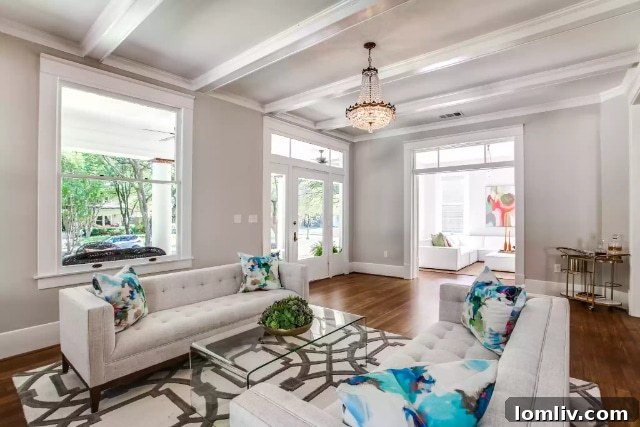
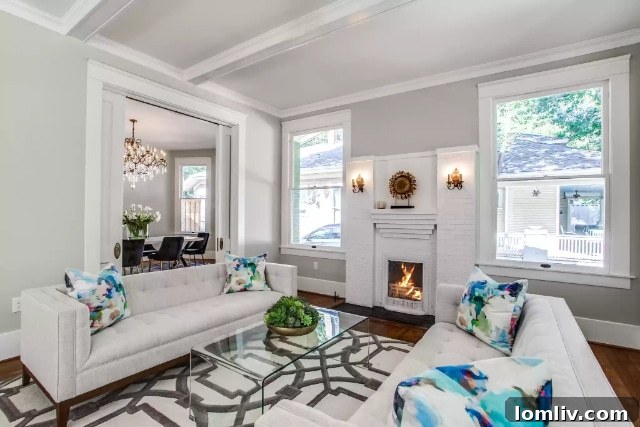
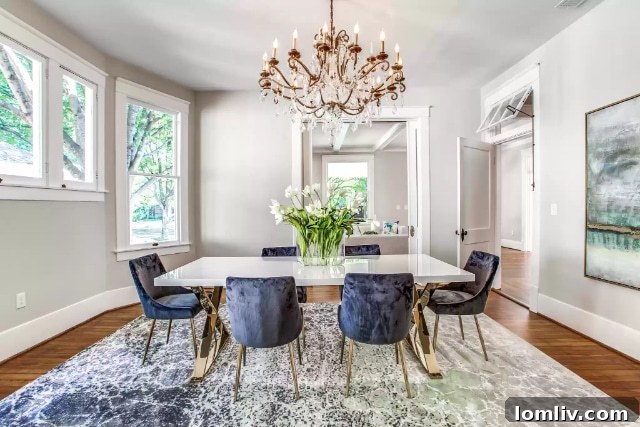
While the Maileys were deeply immersed in creating their “new old house,” a unique opportunity arose that would redefine their journey. Zak’s company maintained a strategic connection with a wholesale realty firm that regularly distributed email blasts to its network of investors. It was through this channel that the Munger Place Craftsman at 4907 Tremont Street first appeared on their radar. The moment the email hit his inbox, Zak immediately recognized its potential. He promptly contacted Bethany and their business partner in Zak’s House, LLC, Jeff Kremer, who swiftly moved to view and purchase the property that very same day.
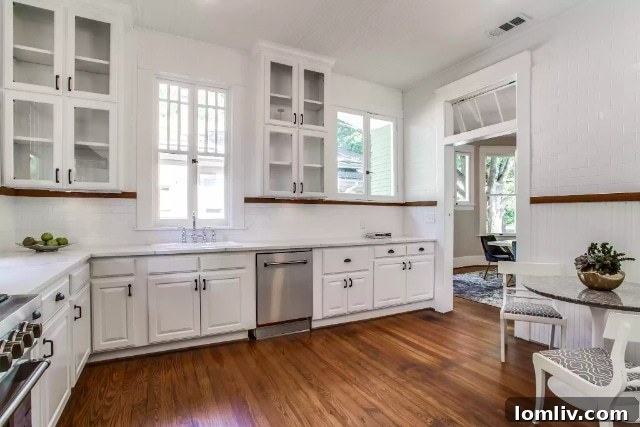
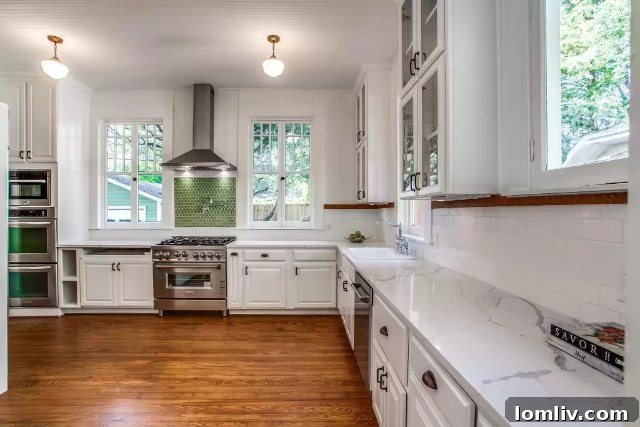
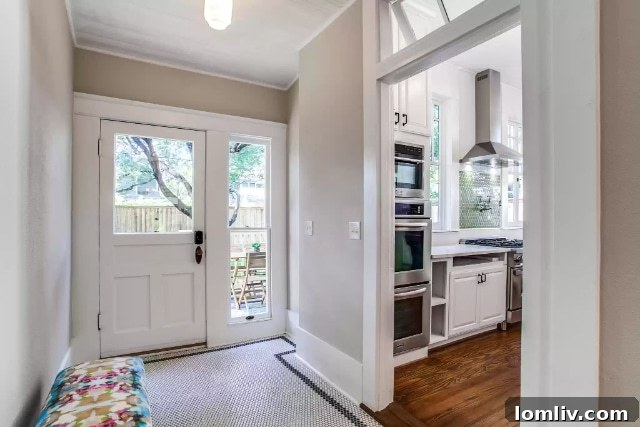
“It made sense as the bones of the home were great,” Zak explained, emphasizing the inherent quality that lay beneath years of neglect. The property, having only seen a single owner since 1940, presented a rare advantage: “nothing terrible had been done to the house.” This meant that while the 1913 Craftsman suffered from deferred maintenance issues and was certainly in need of significant updating, its fundamental structure and historical integrity remained largely intact, providing a robust foundation for a truly authentic restoration.
The Art of Restoration: Challenges and Triumphs
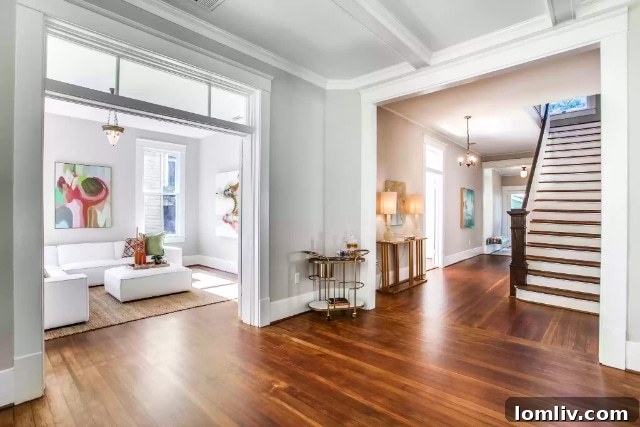
The journey of revitalizing the Munger Place Craftsman was marked by both unexpected delights and formidable challenges. One of the most gratifying discoveries occurred when the team peeled back the second-floor linoleum, revealing exquisite hardwood pine floors beneath. This uncovering of hidden architectural treasures fueled their determination and reinforced their commitment to preserving the home’s original character. However, not all aspects of the flooring were as straightforward; the first-floor hardwoods demanded meticulous attention and had to be refinished twice to meet the Maileys’ exacting standards for quality and historical accuracy. Another significant hurdle involved replacing the existing aluminum dormers with period-appropriate designs that would not only enhance the home’s aesthetic but also comply with strict city regulations for historic properties.
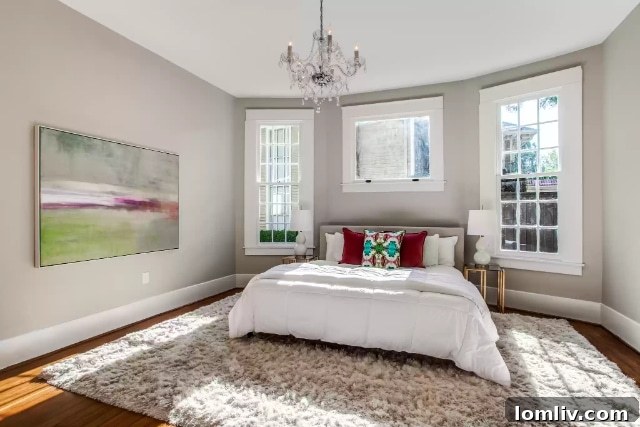
“One of the most fun parts of this process was restoring the hardware,” Bethany recounts, highlighting her meticulous attention to detail. While Zak excels at envisioning the broader picture, Bethany’s strength lies in the intricate specifics. Their shared goal was to ensure every piece of hardware was period-accurate. This led to an intensive process: they meticulously removed all existing hardware, boiled it to strip away layers of old paint, and then carefully refinished it before reinstallation. The search for missing pieces became a genuine treasure hunt, with some items taking up to six months to locate. The only reproduction items used were the openers for the transom windows, a necessary compromise as original pieces consistently proved incomplete. Bethany’s dedication extended to functionality, as she was determined that “every window in the house to be operable,” ensuring both historical accuracy and practical usability.
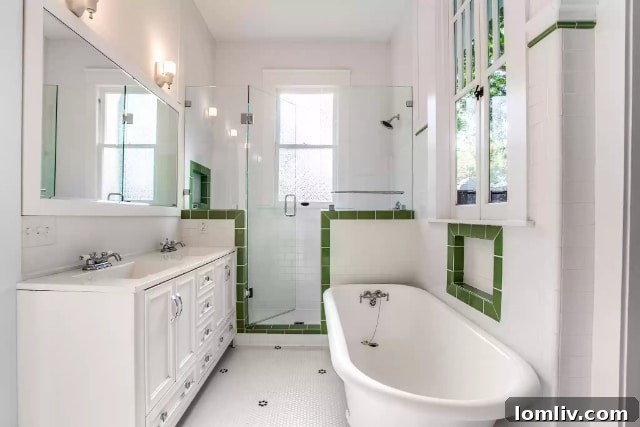
Sourcing Authentic Details: A Treasure Hunter’s Quest
The Maileys quickly established a formidable reputation at local architectural salvage yards, most notably at Orr Reed Architectural Salvage. Their dedication to authenticity was unparalleled, often seen armed with a scale. “We always take a scale to weigh the window sash weights,” Bethany explains, revealing one of their many trade secrets. “We learned that if you don’t have the right weight, a window won’t open and close properly.” This commitment to functional accuracy extended to aesthetics, as evidenced by the double casement windows she discovered for the kitchen. “I felt like I discovered the best treasure when I found those. They make the kitchen, in my opinion. The windows and the transoms are what I’m most proud of, and the light fixtures. We did a lot of searching for period-accurate fixtures and lots of salvage shopping!”
Beyond Orr Reed, the Maileys’ relentless pursuit of period-appropriate elements for their Munger Place Craftsman led them to a diverse array of resources. Their sourcing network extended to the renowned Old Home Supply in Fort Worth, the practical offerings of Discount Home Warehouse, and the unique finds at Old Texas Wood. Their search also spanned digital marketplaces like eBay, Etsy, and Facebook Marketplace, alongside tapping into specialized connections they cultivated in Philadelphia, demonstrating their exhaustive and creative approach to ensuring every detail honored the home’s historic roots. Crucially, the restoration also included vital, unseen upgrades: the entire plumbing, electrical, and HVAC systems were replaced, ensuring the 1913 home met contemporary standards of comfort and safety while retaining its historic charm.
Aesthetic Transformation: The Captivating Green Exterior
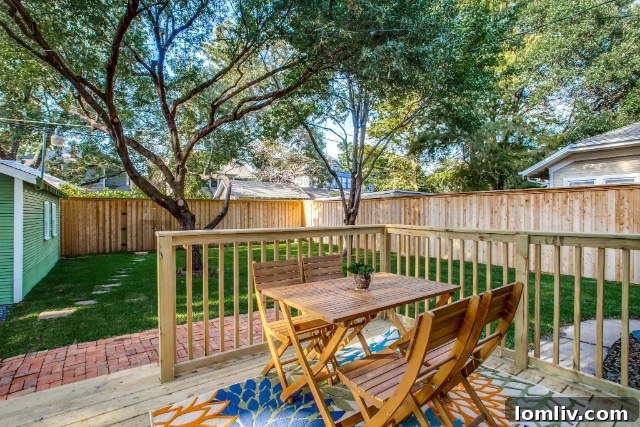
One of the most striking and immediately captivating features of this restored Munger Place Craftsman is its distinctive exterior color. Far from being a random choice, the vibrant spring green hue tells a story of serendipitous discovery and creative vision. “When we were doing the kitchen, we wanted to get a Craftsman-style tile,” Bethany explains. Her search led her to an Etsy site specializing in handmade tiles, where the artisan mixed her own custom colors. It was there that Bethany encountered a “spring green that was beautiful and seemed period-appropriate.”
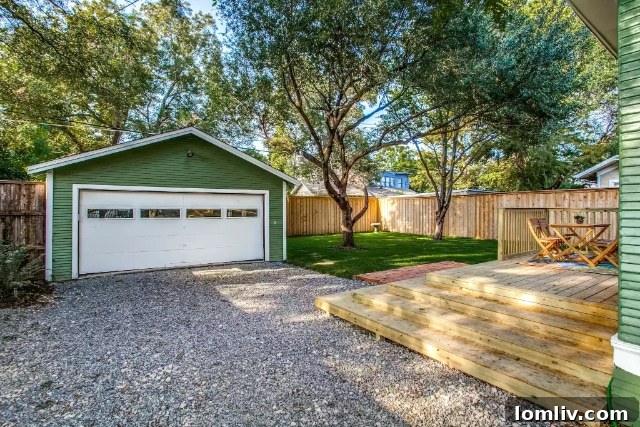
So enamored were they with the tile’s unique shade that a bold idea sparked: “why not try it on the exterior?” Taking a piece of this charming tile to Sherwin Williams, they painstakingly matched the color. The crucial test involved applying it to the garage, and the result was instantaneous. “We tried it out on the garage, and fell in love with it!” Bethany exclaims. This daring yet historically sensitive choice now defines the home’s exterior, making it a vibrant landmark within the Munger Place community and a perfect complement to its Craftsman heritage.
The Finished Masterpiece and Enduring Legacy
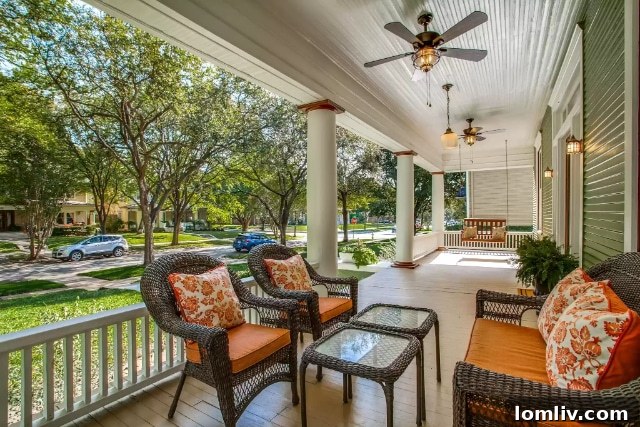
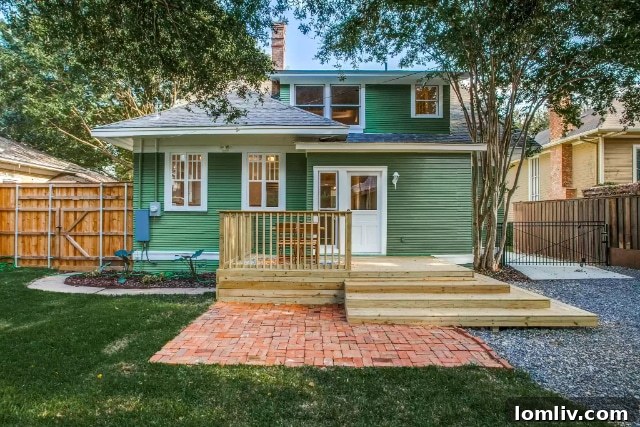
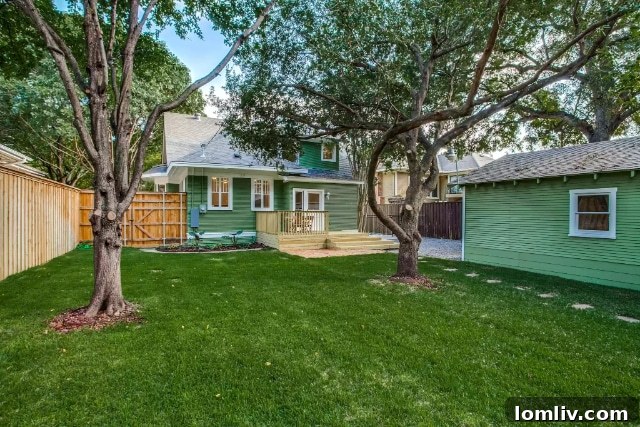
The culmination of the Maileys’ extensive work is an absolutely picture-perfect, light-filled residence spanning 3,077 square feet, featuring four bedrooms and two-and-a-half bathrooms. Beyond its exquisite aesthetic, this Munger Place Craftsman proudly holds landmark status, a testament to its historical significance and the meticulous care taken in its preservation. Every visible detail, from the gleaming refinished hardwoods to the intricate, period-accurate hardware and captivating exterior color, speaks volumes of the dedication invested. Simultaneously, crucial yet unseen elements—such as entirely new plumbing, electrical systems, and modern HVAC—ensure that this historic home offers contemporary comfort and efficiency without compromising its soulful charm.
While turning over their inaugural, deeply personal restoration project to a new owner will undoubtedly be challenging, the Maileys are confident that someone will emerge who shares their profound appreciation for historic homes and who will embrace the opportunity to live happily ever after in this unique property. “We love resurrecting something beautiful and bringing it back to a new life,” Bethany passionately states. Their ultimate desire is to provide future residents with “a great home that preserves history,” ensuring that the legacy of this 1913 Craftsman endures for generations to come, standing as a proud example of Dallas’s rich architectural past.
This exceptional property, a true emblem of historic preservation, is listed for $950,000 by Briggs Freeman Sotheby’s Elizabeth Mast. For those seeking a home where history meets modern luxury in the heart of Munger Place, 4709 Tremont Street represents an unparalleled opportunity to own a piece of meticulously restored Dallas heritage. Explore more details at Briggs Freeman Sotheby’s International Realty.