By Lydia Blair
Special Contributor
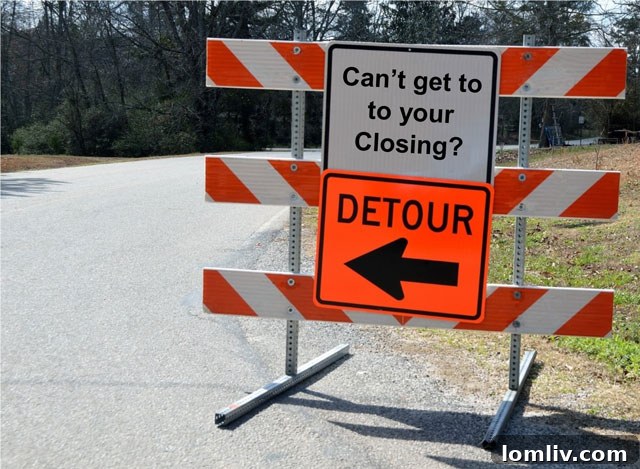
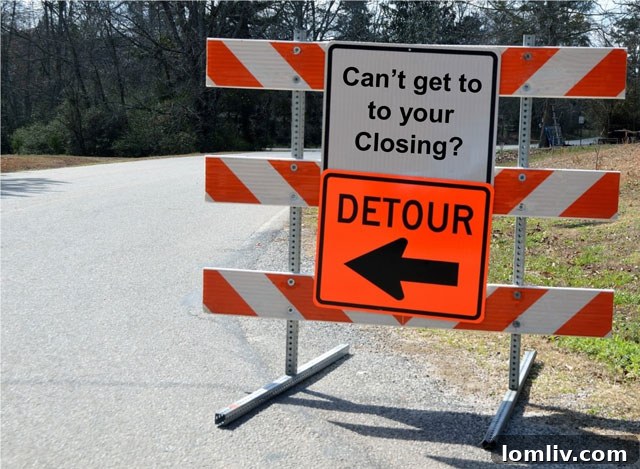
Navigating Real Estate Closing Day: Solutions When You Can’t Be There
The journey to owning or selling a home is often a whirlwind of activity, culminating in the much-anticipated closing day. This is the moment when all the intricate pieces of a real estate transaction fall into place: contracts are signed, funds are exchanged, and keys finally change hands. It’s a significant milestone, a culmination of weeks or months of negotiations, inspections, and planning. For many, it’s a day filled with excitement and a sense of accomplishment, marking the official transfer of property ownership.
However, what happens when one of the crucial individuals involved in this process—the buyer or the seller—finds themselves unable to physically attend the closing at the title company’s office? This seemingly minor inconvenience can quickly escalate into a major speed bump, threatening to derail the entire transaction. A standard real estate contract explicitly stipulates a closing date, and failure by any party to meet this deadline can lead to significant legal and financial repercussions. While it might seem daunting, it’s essential to remember that such situations are not uncommon, and with proper handling and proactive communication, there are often effective solutions to keep the deal moving smoothly toward a successful conclusion.
Understanding the Hurdles of Missing Closing Day
Missing a scheduled closing can introduce a series of complex challenges that extend beyond mere inconvenience. Foremost among these are the legal implications. Real estate contracts are legally binding documents with specific clauses outlining timelines and responsibilities. Failing to close on time can be considered a breach of contract, potentially leading to demands for specific performance, monetary penalties, or even the termination of the agreement. For sellers, this could mean losing a sale and having to relist the property, incurring additional holding costs and market risk. Buyers might face penalties, lose their earnest money deposit, or miss out on their dream home.
Beyond the legal framework, there are practical and logistical obstacles. Title companies and lenders operate on precise schedules, coordinating numerous parties and documents. A last-minute absence can throw these meticulously planned arrangements into disarray, leading to rescheduled appointments, additional paperwork, and a ripple effect of delays for everyone involved. This is why understanding potential solutions and acting swiftly is paramount to mitigating risks and ensuring a seamless transaction.
Proactive Communication: Your First Line of Defense
When an unforeseen circumstance arises that prevents a party from attending closing, the most critical first step is immediate and transparent communication with the title company or escrow officer. These professionals are the orchestrators of the closing process, familiar with the various challenges that can emerge and equipped with knowledge of potential workarounds. Early notification is not just a courtesy; it’s a strategic move that provides ample time for arrangements to be made, often averting costly and stressful last-minute scrambling.
The Vital Role of the Title Company and Escrow Officer
The title company, through its escrow officer, acts as a neutral third party, facilitating the secure transfer of funds and documents. When they are informed well in advance of a potential absence, they can explore various options that might keep all parties satisfied and the transaction on track. Consider scenarios such as an elderly seller residing in a nursing home who requires documents to be signed at their facility, or a spouse traveling out of town on business, wishing for their partner to sign on their behalf. Each situation presents unique logistical demands, but with adequate lead time, the title company can typically accommodate these needs without significant disruption.
Conversely, waiting until the eleventh hour to disclose an inability to attend can force the title company to rush arrangements, often resulting in additional expenses. These extra costs, whether for a special courier, an expedited mobile notary service, or administrative fees for re-scheduling, are typically passed on to the party requiring the special accommodations. By communicating early, not only do you save yourself potential financial outlays, but you also save yourself and the other parties involved a considerable amount of stress and headaches, demonstrating professionalism and commitment to the deal.
Flexible Solutions for In-Person Absences
Fortunately, the real estate industry has evolved to offer several flexible solutions for individuals who cannot be physically present on closing day. These options, when properly executed and coordinated, can ensure the transaction proceeds without a hitch.
Early Document Signing
One of the most straightforward solutions, particularly for sellers, is to sign the necessary paperwork a day or two in advance of the official closing date. This “pre-signing” allows the seller to fulfill their contractual obligations without the pressure of attending on the designated day. The signed documents are then held in escrow by the title company until the buyer has completed their signing and funding. Once the transaction is officially complete, the proceeds from the sale can be wired directly to the seller’s bank account, ensuring a secure and timely transfer of funds. This method offers convenience and peace of mind, knowing that a significant portion of the paperwork is already handled.
Leveraging a Power of Attorney (POA)
Another widely utilized option is to appoint a Power of Attorney (POA). A POA is a legal document that grants one individual (the “agent” or “attorney-in-fact”) the authority to act on behalf of another (the “principal”) in specific matters, including real estate transactions. This allows a trusted individual to sign closing papers in the absent party’s stead. However, implementing a POA for a real estate closing requires meticulous planning and adherence to strict legal and institutional requirements.
It is crucial that the proper POA document is drafted well in advance and reviewed, approved, and accepted by both the title company and the lender. There are different types of POAs, such as a General Power of Attorney, which grants broad authority, or a Special (or Limited) Power of Attorney, which grants authority only for specific acts, like signing documents for a particular property sale. A Durable Power of Attorney remains effective even if the principal becomes incapacitated. Understanding the precise type of POA required by the title company and lender for a real estate transaction is vital. Presenting a POA on closing day without prior notice and approval can bring the entire process to an immediate and unwelcome halt, as these institutions need to verify its authenticity and scope to protect all parties from potential fraud or legal disputes. Consulting with a legal professional to draft or review the POA is highly recommended to ensure it meets all necessary criteria and correctly reflects the principal’s intentions.
The Rise of Remote Closings

Perhaps the most popular and increasingly common solution in today’s digital age is the remote closing. This method allows the buyer or seller to sign documents at a location convenient to them, often facilitated by a mobile notary or, in some cases, through Remote Online Notarization (RON). Realtor Paul Sander with Ebby Halliday highlights the immense value of this option, stating, “Remote closings are a godsend because they help keep the closing on track without having to amend the contract with a new closing date. Clients love them because they feel the closing process is catered to their schedule. Realtors love them because they help ensure the closing will actually take place.”
While remote closings offer unparalleled convenience and flexibility, they do come with their own set of considerations. Often, a title company will dispatch a mobile notary to meet the party at their chosen location (home, office, or other convenient spot). It’s important to understand that a mobile notary’s role is primarily to verify identities, witness signatures, and notarize documents. They are generally not escrow officers and are not authorized to explain the intricate details or legal implications of the closing documents. For individuals who prefer or require a thorough explanation of the voluminous papers involved in such a significant financial transaction, this lack of detailed guidance can be a drawback. In such cases, reviewing documents with a legal advisor beforehand or scheduling a separate consultation with the escrow officer may be advisable.
Furthermore, after documents are signed remotely, the original paperwork must be securely returned to the title company for processing. This adds a logistical step that can introduce additional time and expense to finalize the transaction, especially if documents need to be shipped across different states or countries. However, advancements in technology, including secure digital signing platforms and Remote Online Notarization (RON) in states where it is permitted, are continuously streamlining this process, offering more efficient and secure ways to complete remote closings.
The Indispensable Role of the Lender
Regardless of whether parties opt for advanced signing, a Power of Attorney, or a remote closing, one crucial entity must always provide its approval: the lender. For most real estate transactions involving a mortgage, the lender’s consent for any alternative closing arrangement is absolutely non-negotiable. Lenders have stringent requirements to ensure the proper and legal execution of loan documents, primarily to mitigate risks such as fraud and to guarantee the enforceability of their lien on the property. They need to be confident that all necessary disclosures have been made, all signatures are authentic, and the closing process adheres to all regulatory standards.
Therefore, even if the title company and all other parties are amenable to an alternative solution, the lender’s specific conditions must be met. This might involve requiring certain types of notaries, specific language in the POA, or particular methods for verifying identity during a remote signing. Failing to obtain the lender’s explicit approval for any deviation from a traditional in-person closing will undoubtedly prevent the loan from funding, thus halting the entire transaction. This underscores the importance of involving all key players—the title company, your real estate agent, and especially your lender—in early discussions about any potential absence from closing day.
Navigating International Closing Challenges
When a homeowner or buyer is located outside the country when the closing is scheduled, the complexity of the situation escalates significantly. International remote closings or the use of an international Power of Attorney introduce a more intricate set of legal and logistical hurdles. These challenges include:
- Time Zone Differences: Coordinating schedules across multiple time zones can be incredibly difficult for live consultations or virtual signings.
- Legal System Variances: The legal requirements for document execution and notarization can differ vastly between countries. What is valid in one country may not be accepted in another, or by a U.S. title company and lender.
- Document Authentication: Documents signed abroad often require additional layers of authentication, such as an “apostille” (for countries party to the Hague Apostille Convention) or “legalization” through a U.S. embassy or consulate. This process can be time-consuming and expensive.
- Currency Exchange and Fund Transfers: Managing the transfer of funds internationally can involve additional banking fees, exchange rate fluctuations, and regulatory compliance checks.
- Fraud Prevention: Lenders and title companies exercise heightened caution with international transactions due to increased risks of identity fraud and money laundering.
Due to these multifaceted challenges, coordinating an international POA or remote closing demands extensive time, meticulous coordination, and often, legal counsel specializing in international transactions. In many instances, the parties involved may find that the simplest and most cost-effective solution is to delay the closing until the signer can physically return to the country. This avoids the complexities, potential delays, and significant expenses associated with navigating international legal and logistical requirements, ensuring a smoother and less stressful closing process.
Choosing the Right Path: Key Considerations
When faced with the inability to attend your real estate closing, selecting the most appropriate solution depends on several factors:
- Urgency: How quickly does the transaction need to close? Some solutions are faster than others.
- Location: Are you merely across town, in another state, or another country? This dictates the complexity.
- Comfort with Technology: Are you comfortable with digital platforms and virtual meetings for signing?
- Need for Explanation: Do you require an in-depth explanation of the documents from an escrow officer, or are you comfortable with a notary simply witnessing your signature?
- Cost Implications: Be aware of potential extra fees for mobile notaries, expedited shipping, or legal services.
Always consult with your real estate agent, title company, and lender as soon as you anticipate a conflict. These professionals can provide tailored advice, explain the pros and cons of each option based on your specific situation, and guide you through the necessary steps. Their expertise is invaluable in navigating what can otherwise be a stressful situation.
Conclusion: Smooth Sailing to Your Property Goals
While the prospect of missing your real estate closing day can initially seem like a formidable obstacle, it is rarely an insurmountable one. The key to successfully navigating such a situation lies in early and clear communication with all parties involved, especially your title company and lender. By proactively discussing your predicament, you empower the professionals to identify and implement the most suitable solution, whether it’s an early signing, a Power of Attorney arrangement, or a remote closing. Just like a powerful truck skillfully shifting gears and maneuvering on the highway, a real estate transaction can adapt to unexpected turns and still reach its successful destination with foresight and coordination. Your dream of buying or selling property doesn’t have to be delayed; with the right approach, you can ensure a smooth, efficient, and legally sound conclusion to your real estate journey.
The opinions expressed are of the individual author for informational purposes only and not for the purpose of providing legal advice. Contact an attorney to obtain advice for any particular issue or problem.