The landscape of residential real estate is continually evolving, driven by societal shifts and changing lifestyle demands. While certain features have historically reigned supreme in influencing buyer decisions, a new contender has emerged, fundamentally reshaping what prospective homeowners prioritize. Gone are the days when the term “new normal” was just a catchphrase; it now accurately reflects a permanent transformation in how we live and work, directly impacting our homes.
For many, the distinction between home and office has blurred, transforming once-occasional remote work into a daily reality. This profound shift has propelled the dedicated home office from a desirable amenity to an indispensable requirement, fundamentally altering the perceived value and functionality of residential spaces. As we navigate this new era, understanding these evolving priorities becomes crucial for both buyers and sellers in today’s dynamic property market, especially in competitive regions like Tarrant County.
Traditional Pillars of Home Value: Kitchens, Master Suites, and Floors
For decades, real estate wisdom consistently pointed to specific areas of a home as primary selling points. When discussing what truly captures the attention of prospective buyers, three elements traditionally stood out above the rest: pristine flooring, a well-appointed kitchen, and a luxurious master suite. These areas were considered the cornerstones of a home’s appeal, often dictating its market value and desirability, a sentiment frequently echoed in real estate discussions across Tarrant County and beyond.
The reasoning behind this traditional hierarchy is straightforward. Floors provide the foundational aesthetic, influencing the overall feel and cleanliness of a home. A beautiful, well-maintained floor can significantly enhance a property’s perceived value and leave a lasting first impression. Whether hardwood, tile, or high-quality carpet, the condition and style of flooring play a critical role in a buyer’s decision-making process, often being the first thing noticed upon entering a property.
Kitchens, often considered the heart of the home, are central to daily life and entertaining. Buyers frequently envision themselves preparing meals, hosting gatherings, and spending quality time with family and friends in this space. Consequently, modern appliances, ample counter space, stylish cabinetry, and a functional layout have always been paramount. An updated kitchen can dramatically increase a home’s appeal and resale value, often justifying significant investment in renovations, making it a top priority for most home searches.
The master suite, comprising the bedroom, bathroom, and often a walk-in closet, represents a private sanctuary for homeowners. This space offers a retreat from the hustle and bustle of daily life, emphasizing comfort, relaxation, and personal luxury. Features like spacious layouts, spa-like bathrooms, and generous closet space contribute significantly to a master suite’s allure, making it a crucial element for buyers seeking comfort and privacy. For many, a serene master suite is non-negotiable, providing essential personal space.
The Emergence of the Indispensable Home Office
While floors, kitchens, and master suites continue to hold significant sway in the real estate market, a seismic shift has occurred. The global events of the past few years, particularly the widespread adoption of remote work, have propelled the home office into the upper echelons of buyer priorities. It’s no longer a niche luxury but a critical component of modern living, fundamentally altering the checklist for many prospective homeowners searching for their ideal property.
This evolving “new normal” for home shopping means that while a gourmet kitchen and a lavish master bath are still highly desirable, a dedicated, functional workspace is now almost as crucial. The days of improvising a workstation on a dining room table or a kitchen counter are rapidly fading, replaced by a clear demand for spaces designed specifically for productivity, focus, and maintaining a healthy work-life balance within the home. As highlighted in discussions about essential living spaces, the home office has earned its place among the most important features buyers consider.
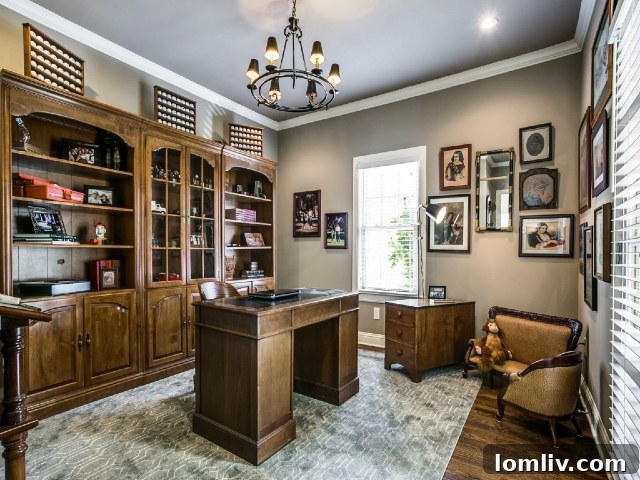
The Realities of Remote Work: Why a Dedicated Space Matters
The shift to working from home for millions has brought with it a unique set of challenges and revelations. Many have experienced firsthand the ergonomic nightmares and constant distractions that come with a makeshift office setup. The “Great Quarantine of 2020” truly underscored these difficulties, accelerating the demand for better home working solutions. Imagine the daily struggle:
- Your neck and back ache from hunching over a laptop at the dining room table, a surface never designed for hours of focused work, leading to chronic discomfort.
- Your kitchen bar stools, once a casual seating option, have buckled under the strain of being used as full-time office chairs, highlighting their unsuitability for prolonged periods and offering poor support.
- Mid-Zoom call, your teenager, having just rolled out of bed, strolls into the background in their pajamas, loudly lamenting issues with their social media account, completely disrupting your professional composure and privacy.
These scenarios, once humorous anecdotes, are now common realities for a vast segment of the workforce. They underscore the critical need for a designated space that supports both comfort and concentration, allowing professionals to maintain productivity and mental well-being while working remotely.
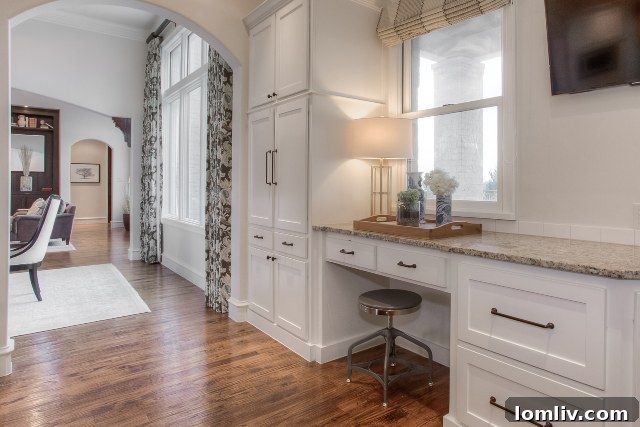
Defining the Modern Home Office: Functionality Over Grandeur
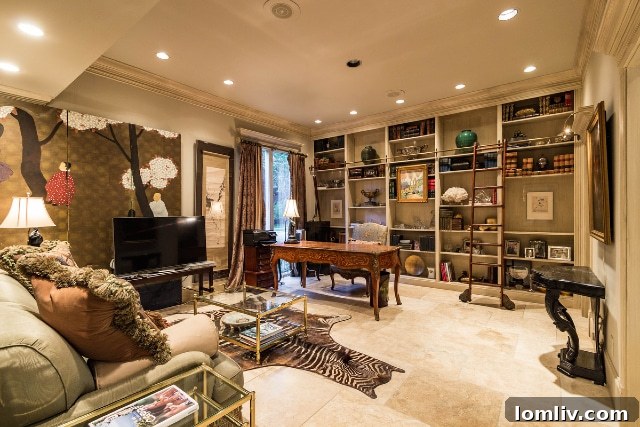
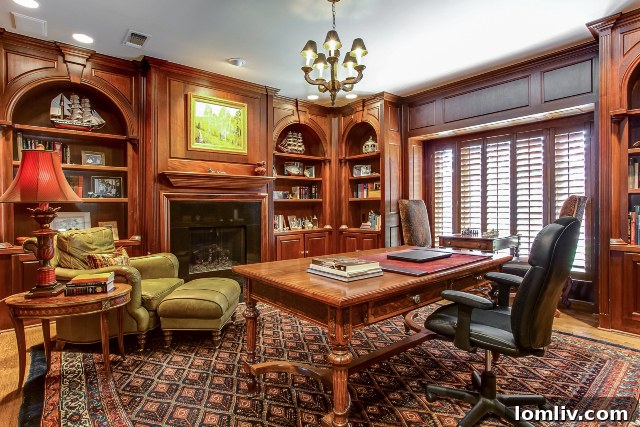
The contemporary demand for a home office isn’t necessarily about grand, library-esque rooms filled with leather-bound books and antique busts of historical figures. While such spaces are certainly appealing and add a touch of sophistication, the fundamental need is for functionality and practicality. What buyers truly seek is a dedicated area where they can effectively separate their professional responsibilities from their personal lives, even within the same home, creating a clear boundary for work.
This means a space where:
- Papers, files, and work-related equipment can be spread out and organized without encroaching on living areas, maintaining a tidy home environment.
- A printer can reside without the risk of crumbs or sticky fingers compromising its functionality, ensuring equipment longevity and reliability.
- One can engage in virtual meetings without constant interruptions from household activities, preserving professionalism and focus.
- Focus and productivity can thrive, fostering an environment conducive to professional tasks, deadlines, and creative thinking.
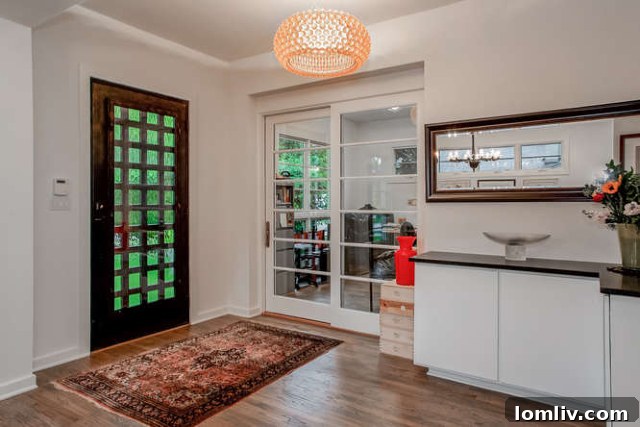
The good news is that creating such a space doesn’t always require a sprawling additional room. Regardless of the home’s size or price point, many properties possess untapped potential for a dedicated workspace. This could be:
- An underutilized corner of a living room, thoughtfully partitioned or designed.
- A converted closet, ingeniously transformed into a compact yet efficient “cloffice.”
- A flexible guest bedroom, doubling as an office when not hosting visitors.
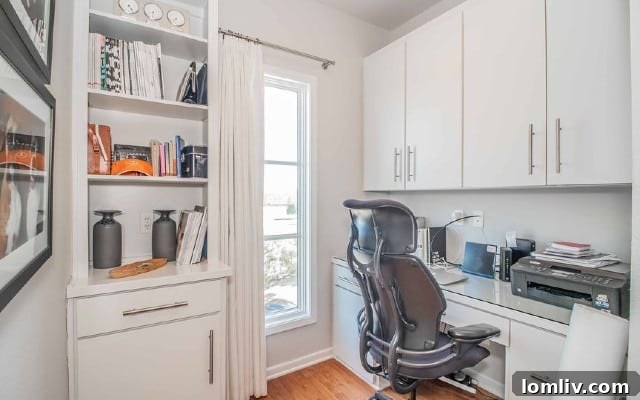
- Even a strategically designed nook in a condo or townhome, proving that clever design can maximize small spaces.
The key is identifying and optimizing an area that can comfortably accommodate a desk, a comfortable ergonomic chair, and essential office supplies, providing the necessary separation for productive work. Features that enhance privacy, like the noise-softening doors seen at 5224 El Campo, are particularly advantageous for minimizing distractions.
Strategic Benefits for Homebuyers and Sellers in the Modern Market
For homebuyers, prioritizing a dedicated home office is a strategic decision that impacts long-term comfort, productivity, and work-life balance. It signifies an understanding of modern living requirements and an investment in personal well-being. A well-designed home office can:
- Boost Productivity: A quiet, organized space minimizes distractions and fosters concentration, leading to higher output and efficiency.
- Improve Ergonomics: Allows for a proper desk and ergonomic chair, preventing physical discomfort and long-term health issues associated with poor posture.
- Enhance Work-Life Separation: Mentally delineates work time from personal time, even when both occur under the same roof, promoting a healthier balance.
- Add Value and Future-Proofing: As remote work becomes more permanent, a functional home office will continue to be a significant asset, increasing property value and appeal.
For sellers, recognizing this evolving buyer demand is paramount to effectively marketing a property. Highlighting a potential or existing home office space is no longer optional; it’s a critical selling point that can differentiate your property in a competitive market. Sellers should consider:
- Strategic Staging: Transform an underutilized space into an inviting, functional office. Even a small desk, a comfortable chair, and some well-placed office accessories can showcase its potential.
- Decluttering and Organization: Ensure the area is clean, organized, and free from personal clutter to allow buyers to envision their own setup and how they would personalize the space.
- Highlighting Connectivity: Emphasize access to power outlets, strong Wi-Fi signals, and, if applicable, network connections, which are crucial for remote work.
- Utilizing Natural Light: Bright, well-lit spaces are more appealing and conducive to productivity and mental well-being, making them more attractive to potential buyers.
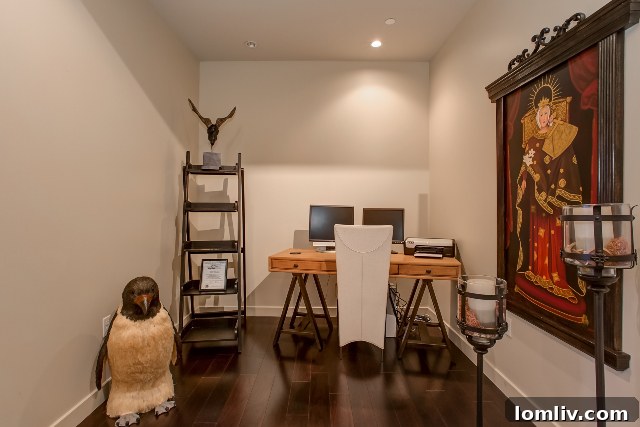
The trend towards remote and hybrid work models is not a fleeting phenomenon but a fundamental shift in professional life. If this indeed represents the ongoing evolution of our professional world, and if working from home continues to gain wider acceptance and permanency, then the strategic importance of a dedicated home office cannot be overstated. For those looking to sell their property, proactively showcasing a well-defined workspace will undoubtedly attract a broader pool of motivated buyers, increasing the property’s marketability and potential value. Similarly, for prospective buyers, making a dedicated office space a non-negotiable item on your checklist will ensure your new home aligns perfectly with the demands of modern living and supports your professional aspirations.
Trust in the experience of those who have navigated this transition: the dining room table or the kitchen counter, despite their temporary convenience, were never designed to be the foundation for hours upon hours of concentrated professional work. The chronic stiffness in the neck and the persistent ache in the back serve as tangible proof of their inadequacy. Invest in a space that respects your professional needs and supports your physical well-being. The long-term benefits for both your career and your health are immeasurable, making the dedicated home office a truly invaluable asset in today’s real estate market.