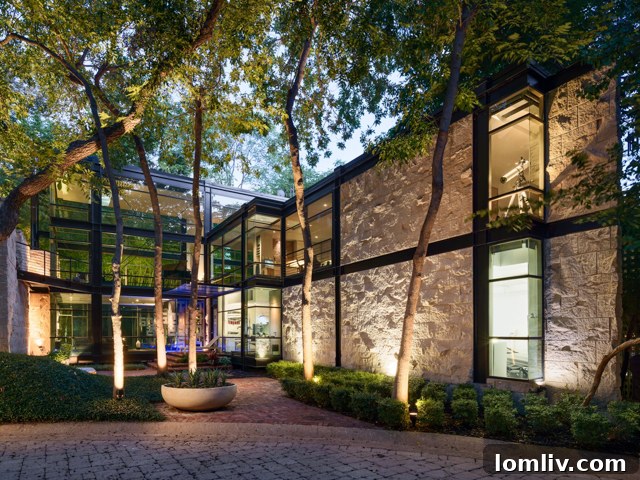
Discover the Iconic Glass House: Jonathan Bailey’s Architectural Masterpiece on Turtle Creek Boulevard
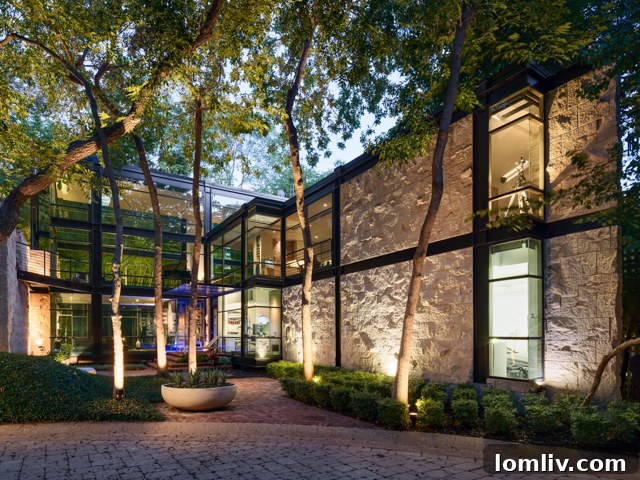
In the vibrant heart of Dallas, tucked away beside the popular Katy Trail, lies a truly extraordinary property that defies conventional luxury living. Welcome to 2706 Turtle Creek Boulevard, home to a magnificent glass house that stands as a testament to visionary architecture and a deep connection with nature. This isn’t just a residence; it’s a living sculpture, meticulously crafted to offer an unparalleled experience. Often hailed as one of the most remarkable glass houses globally, this property is more than a home; it’s a profound statement in modern design and environmental empathy, presenting a unique opportunity for those seeking a tranquil urban sanctuary.
A Visionary Legacy: The Transformation of Turtle Creek
The story of this architectural gem is intertwined with the evolution of its distinctive Dallas neighborhood. Picture the 1980s: many developers would have overlooked this unassuming strip of land. Yet, foresight and imagination began to transform the area. Just a stone’s throw away, the illustrious Rosewood Mansion on Turtle Creek, originally a grand private estate built in 1925, was already a beacon of luxury, having hosted dignitaries like President Franklin D. Roosevelt and literary giants such as Tennessee Williams. Its transformation into a world-renowned restaurant in 1979 showcased what could be achieved with daring vision, even when the surrounding area, nestled between Oak Lawn and what is now Uptown, was considered “dodgy” by many, with banks hesitant to invest.
As the Rosewood Mansion gained prominence, its allure began to cast a new light on the adjacent areas. The once-overlooked strip across Turtle Creek Boulevard started to capture the attention of creative minds. The construction of developments like Park Bridge Court signaled a shift in Dallas’s real estate landscape, moving beyond the prevailing “bigger and better” ethos towards more nuanced, innovative designs. It was in this burgeoning environment that architect Jonathan Bailey, renowned for his global impact, envisioned and brought to life this extraordinary glass house, establishing his Dallas base and setting a new standard for residential architecture.
Jonathan Bailey: An Architect of Empathy and Innovation
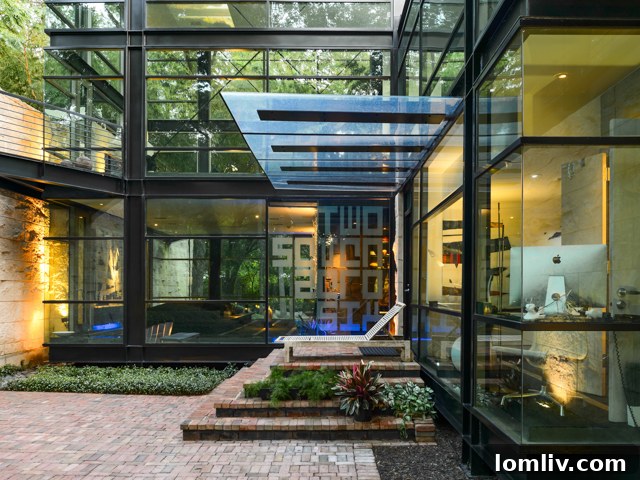
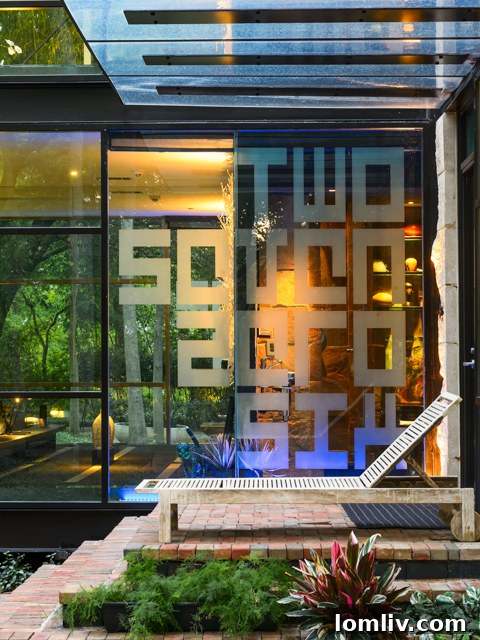
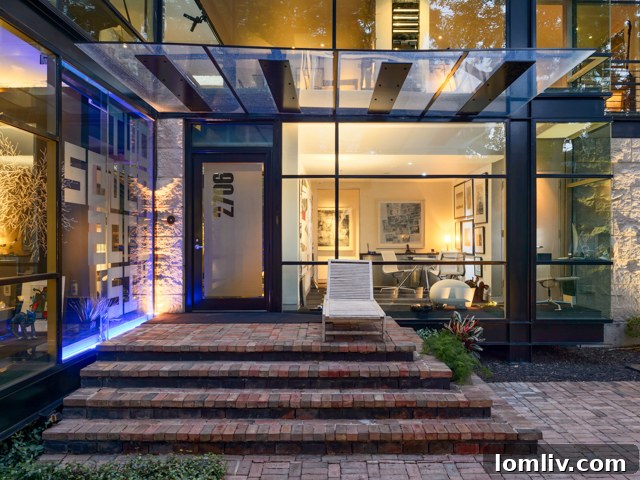
Jonathan Bailey is not just any architect; he is a luminary in the global architectural community, particularly acclaimed for his work in the healthcare sector. His portfolio includes designing grand, technologically advanced medical centers worldwide, projects characterized by their scale and sophisticated integration of functionality and aesthetics. What sets Bailey apart is his consistent approach, applying the same deep environmental empathy and innovative spirit to a massive hospital as he does to his own residential designs. Owning a home crafted by Jonathan Bailey is a rare privilege, as his distinctive style and profound understanding of space are truly one-of-a-kind, offering a unique opportunity to experience his architectural genius.
Bailey’s journey to creating this glass masterpiece began in the early 1990s when he was captivated by a seemingly uninviting plot of land near Gillespie and Sale Streets. What others saw as a neglected space – a former garbage dump adjacent to a parking garage, filled with debris – Bailey envisioned as a hidden gem, a wilderness ripe for transformation. This was years before the beloved Katy Trail had even been conceived, highlighting the radical nature of his vision. Despite the site’s challenging past, it boasted a significant asset: it was the original location of Lamberts Nursery, blessed with an abundance of mature trees that promised a lush, natural backdrop.
“The whole feel was garbage and concrete,” Bailey recalls. His design philosophy was rooted in contrast. “I thought what would be logical for me, is instead of doing concrete or asphalt, the house needed to be the opposite of what was here. So, I did a solid glass house.” This bold decision was not merely an aesthetic choice but a profound statement about integrating architecture seamlessly into its environment, transforming a scarred landscape into a beacon of natural beauty.
The Architectural Symphony: Design and Experience
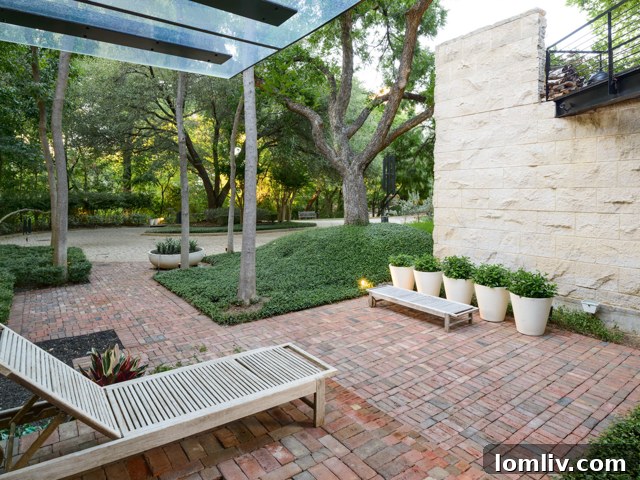
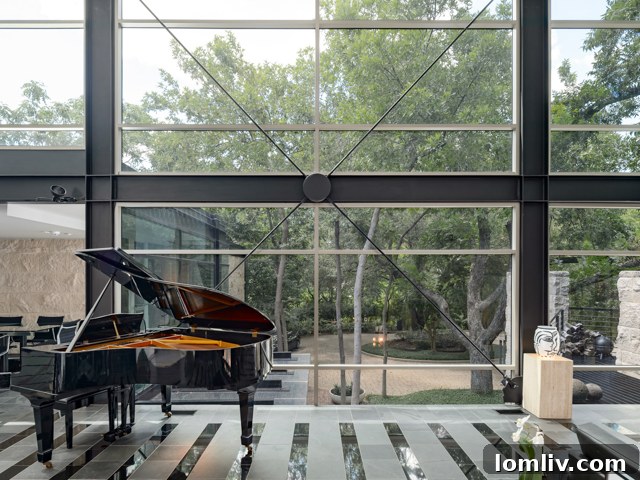
Bailey’s design process is as unique as his creations. A classically trained pianist, he often finds inspiration in music. Living in London in 1995, he spent a mere 15 minutes sketching the initial concept for his glass house, inspired by the way moonlight illuminated the landscape. He visualized the home unfolding to the harmonious strains of Beethoven’s Moonlight Sonata. This rapid, intuitive process, deeply rooted in artistic expression, resulted in a design that transcends conventional architectural boundaries. He entrusted the construction documents to his team and partnered with a commercial contractor friend, culminating in a glass house that is not only visually stunning but also astonishingly integrated, almost imperceptible amidst its verdant surroundings.
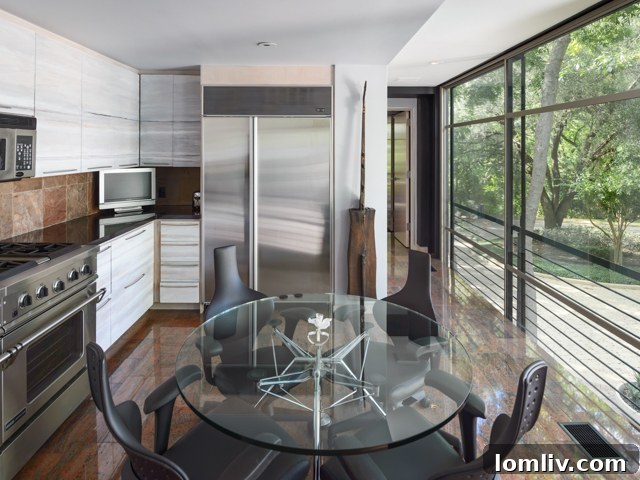
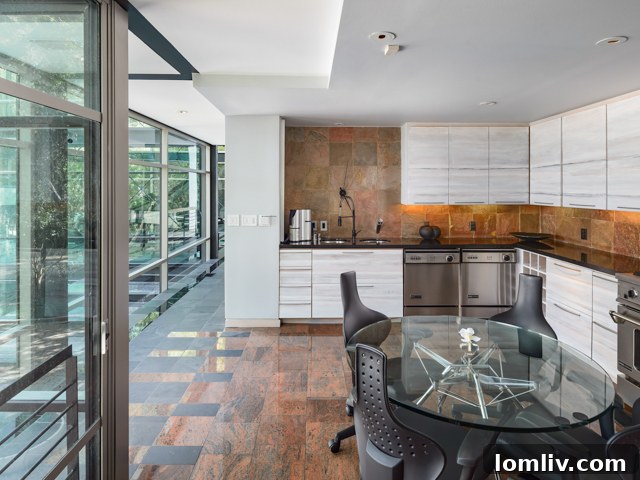
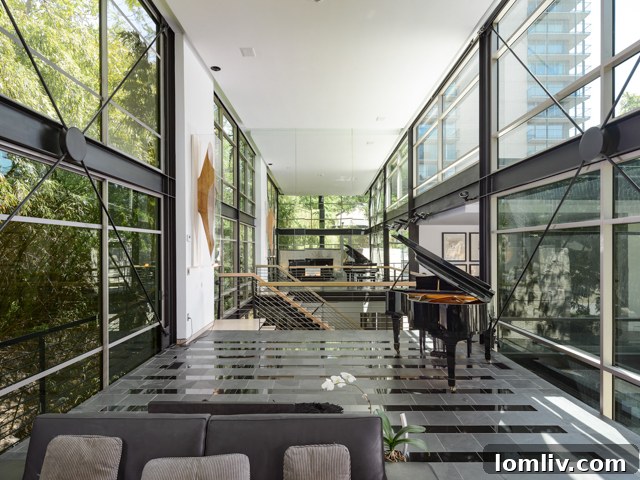
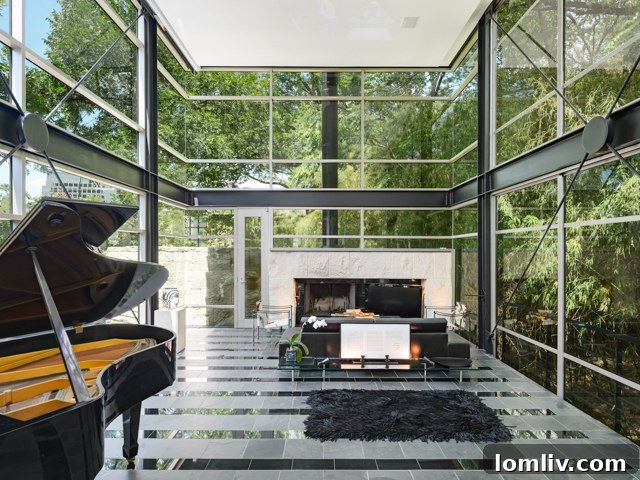
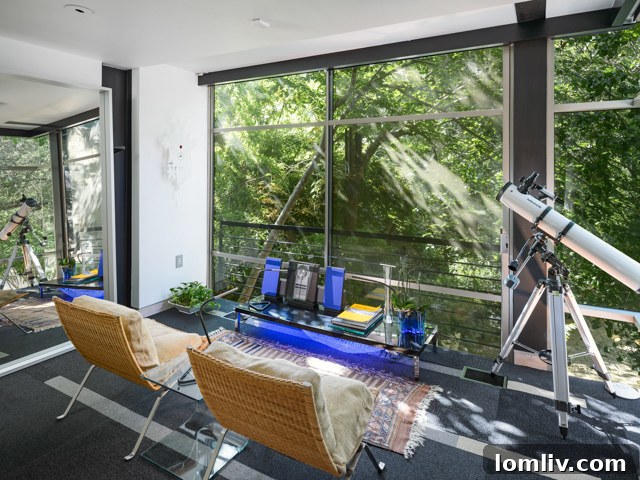
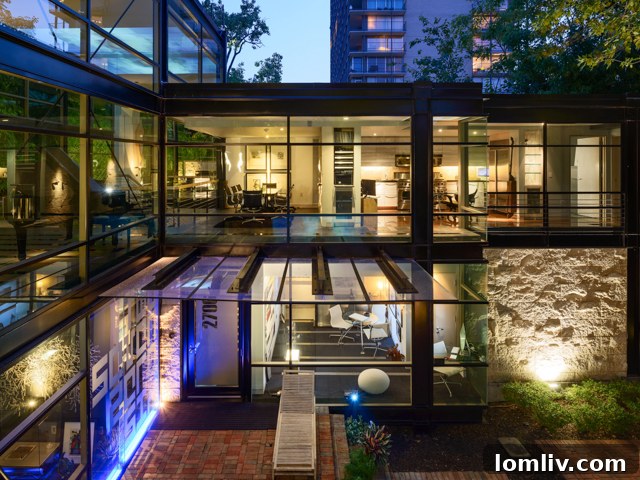
One of the most striking features of Bailey’s design is its innovative structural approach. “The house cantilevers off of what would normally have been columns in the corner,” Bailey explains. This daring engineering choice eliminates traditional corner supports, disrupting conventional spatial perception. “So, you don’t have a reference point with the house not having corners. There is nothing that keeps it from the trees.” This creates an effect where the boundaries between indoors and outdoors blur entirely. The experience is further amplified as “most of the walls open up,” transforming interior spaces into expansive, open-air platforms. When the doors are open and screens retracted, visitors often experience a delightful disorientation, realizing they are, in essence, inhabiting a sophisticated treehouse. The entire second floor becomes a colossal balcony, extending living spaces into the embrace of nature.
Beyond its open design, Bailey masterfully manipulates perception. “It’s not big, but I do things to change the perspective. The second you move columns off the corner of the building, the perception is that the building is a lot bigger.” This clever use of space and structure creates an illusion of grandeur that belies its true footprint. Further enhancing this effect, Bailey incorporated a monumental 29 x 45-foot mirror, strategically placed to reflect the entire three-story glass house, adding another layer of visual complexity and expanding the perceived volume of the property.
Harmony, Light, and Unseen Security
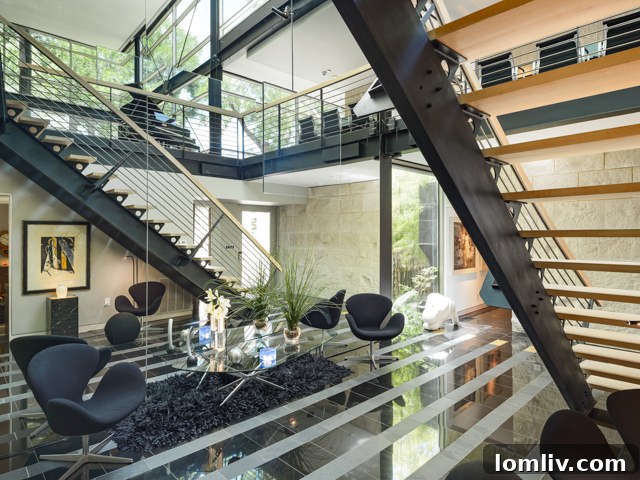
Spanning 2,900 square feet, this three-bedroom, three-bathroom glass house is a marvel of natural illumination. Designed with a mere 17.5-foot depth, the entire structure is bathed in natural sunlight throughout the day, virtually eliminating the need for artificial lighting. This thoughtful design not only enhances energy efficiency but also fosters a continuous connection with the outdoor environment.
Despite its transparent nature, the home offers surprising tranquility and robust security. Elevated six feet off the ground and featuring gated access to the street, it provides an elevated sense of privacy and safety. Bailey challenges conventional notions of security, stating, “Glass is the highest form of security you can provide in a piece of architecture. It’s a very secure property.” This seemingly paradoxical statement underscores the advanced engineering and material science that go into making such a transparent structure exceptionally resilient and safe.
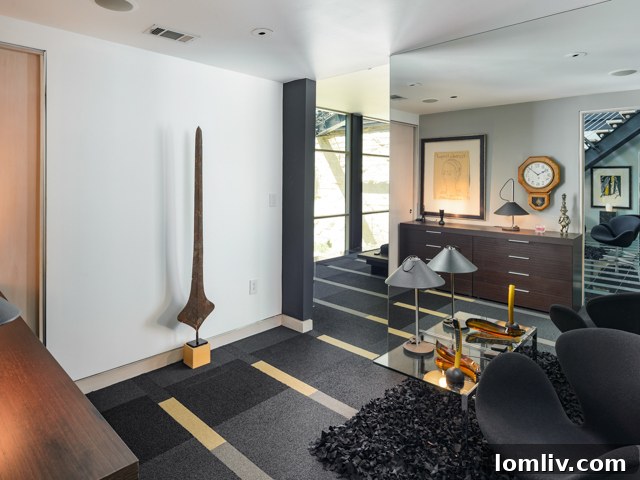
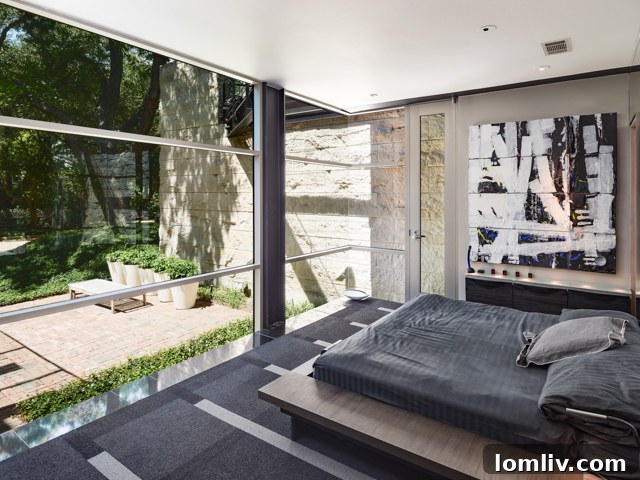
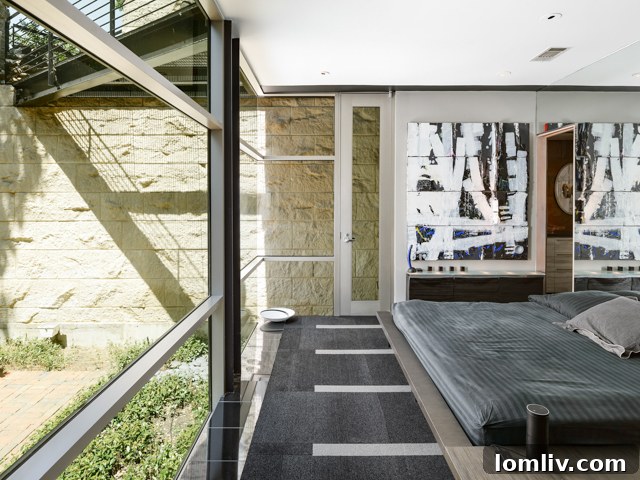
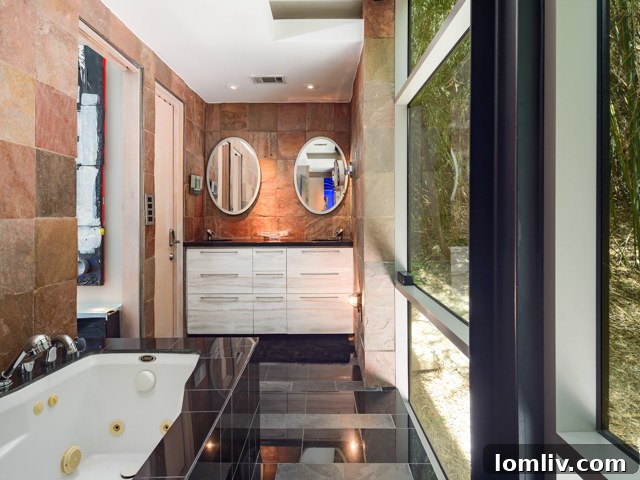
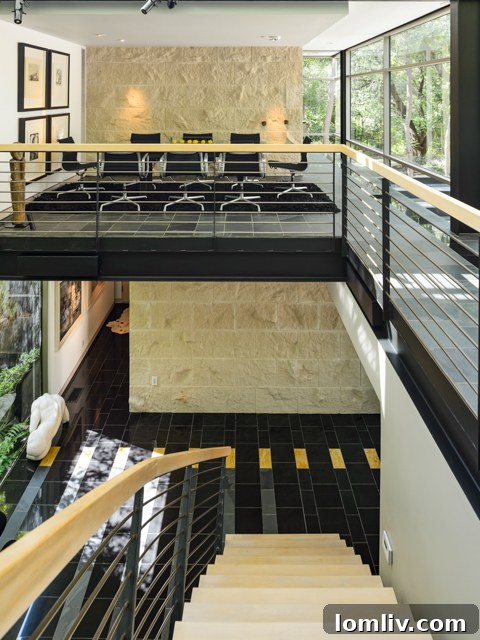
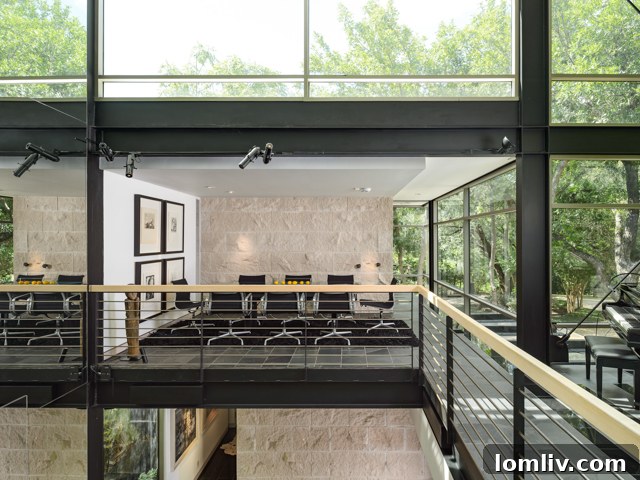
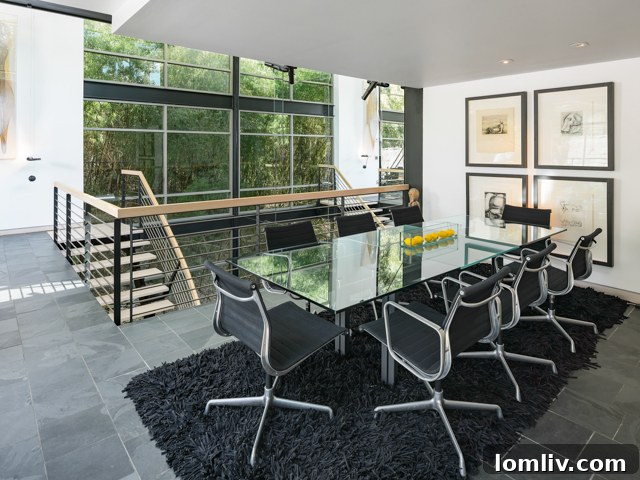
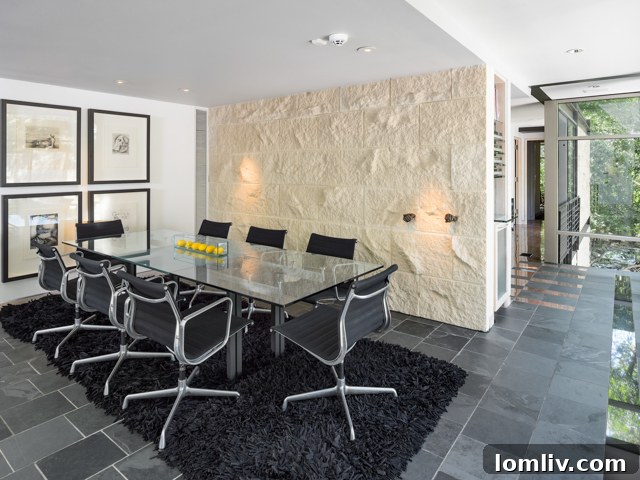
An Immersive Natural Retreat: The “Treehouse” Effect
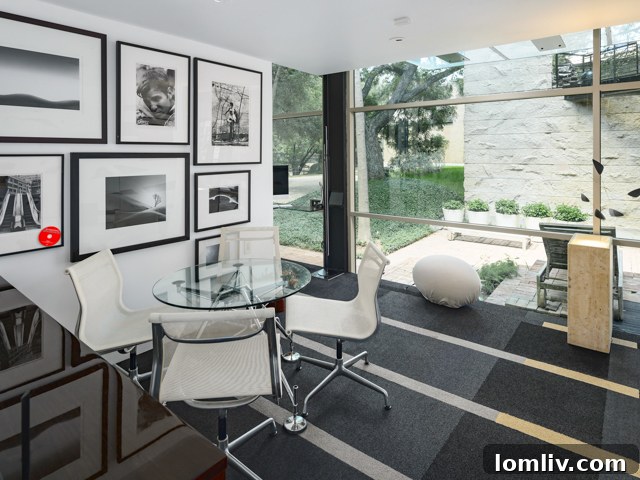
Visiting this glass house often elicits a profoundly calming and unique response from guests. Bailey notes a fascinating phenomenon: “They come in, go upstairs, and they want to lay on the floor.” This instinctual desire to recline and absorb the environment is, for an architect, the ultimate compliment. “It’s great because, for an architect, it’s an honor when someone gets it.” From this vantage point, the ceiling disappears, replaced by a breathtaking “canopy of trees.” Whether it’s raining, snowing, or lightning outside, the experience is one of complete immersion. “You are one with nature. You forget you have glass around you. It’s very calming. You feel you are outside, but you are inside, surrounded by glass.” This symbiotic relationship between the built environment and the natural world is the essence of Bailey’s genius.
Wildlife Neighbors and a Living Work of Art
Adding to the home’s enchanting aura is its thriving natural ecosystem. Visitors lucky enough to experience this glass house may be greeted by a large and exceptionally friendly family of raccoons that have made the property their cherished home. This unique residence effectively functions as a private nature preserve nestled within the bustling city of Dallas, making it unsurprising that local wildlife, including squirrels and raccoons, have naturally gravitated towards its welcoming environment. Jonathan Bailey has cultivated a remarkable relationship with these creatures, going so far as to train them. They respond to their names and, notably, patiently await a Cheeto or two – a charming ritual that highlights the harmonious coexistence fostered by the home’s design. Visitors are encouraged to come prepared with snacks!
“They come up to the house on their hind legs, like penguins,” Bailey describes with a smile. “They knock on the door. Once you train one, they replicate the behavior.” The raccoons have learned a specific etiquette: “When I approach the glass, they all stand there, and they know they have to go in order. They can’t jump ahead in the line for their Cheetos!” This incredible bond underscores the safety and natural appeal of the property, where “the moms keep their babies here because it’s safe. They consider us part of the family.”
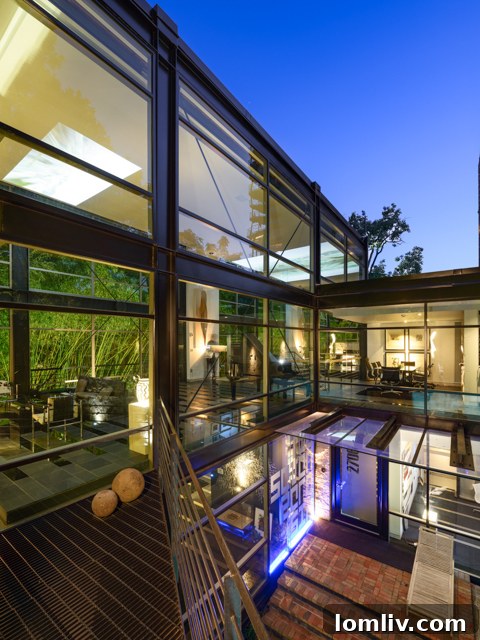
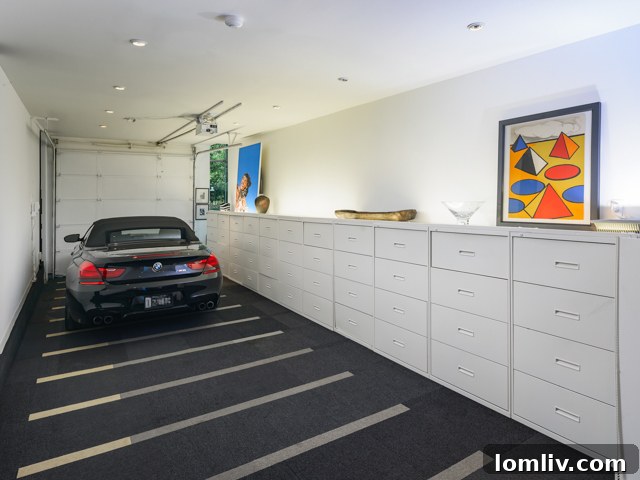
As Pogir Pogir, the esteemed listing agent with Briggs Freeman Sotheby’s International Realty, aptly states, “This glass house is a living piece of art. Bailey has designed a sculpture to live in that is the most dramatic, spectacular, extraordinary, and inspiring home you can imagine.” This sentiment perfectly captures the essence of 2706 Turtle Creek Boulevard – a home that transcends mere function to become a profound experience. It is a harmonious blend of innovative architecture, natural beauty, and a deeply personal connection to its environment, truly a masterpiece in the Dallas luxury real estate market.
Currently, this spectacular, one-of-a-kind glass house is listed for $4.22 million, representing an unparalleled opportunity to own a piece of architectural history and a unique lifestyle experience in Dallas. If you’re seeking a home that inspires, connects you to nature, and offers an escape from the ordinary, this Jonathan Bailey masterpiece is an absolute must-see.
Karen Eubank is the owner of Eubank Staging and Design. She has been an award-winning professional home stager and writer for over 25 years. She teaches the popular Staging to Sell class and is the creator of the online course, The Beginners Guide to Buying Wholesale. She loves dogs, international travel, history, white paint, champagne, artificial turf, and homes with personality. Her father was a spy, and she keeps secrets very well. Find Karen at www.eubankstaging.com