The Free-Range Revolution: Reclaiming Childhood Independence in Walkable Communities
In an era increasingly defined by screens and structured activities, a profound debate is unfolding across the United States concerning the essence of childhood, the quality of neighborhood life, and the very fabric of our communities. As urban planners champion walkability, advocate for living near where we shop, work, and play, and strive to build safe, vibrant environments, an undeniable shift is underway. Millennials, in particular, are leading the charge, increasingly seeking to detach from automobile dependence in favor of more authentic, community-centric lifestyles. There’s a growing celebration of urban design that places daily necessities and recreational activities within an easy, comfortable stroll from home. Yet, amidst this forward-thinking movement, a recent incident in Maryland starkly illuminates the deep-seated societal anxieties and policy conflicts that often hinder progress.
The Maryland Incident: A Family’s Stand for Childhood Freedom
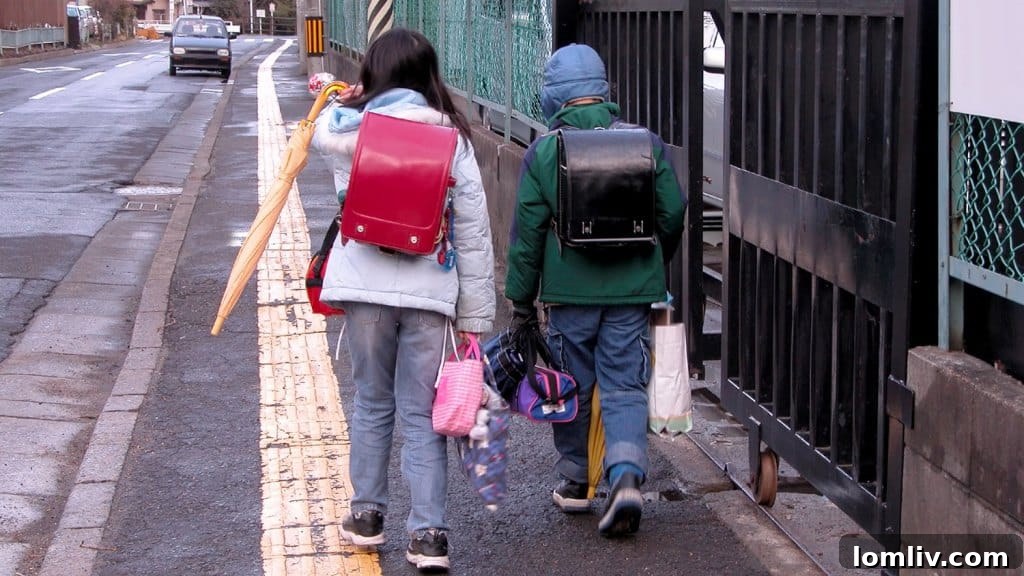
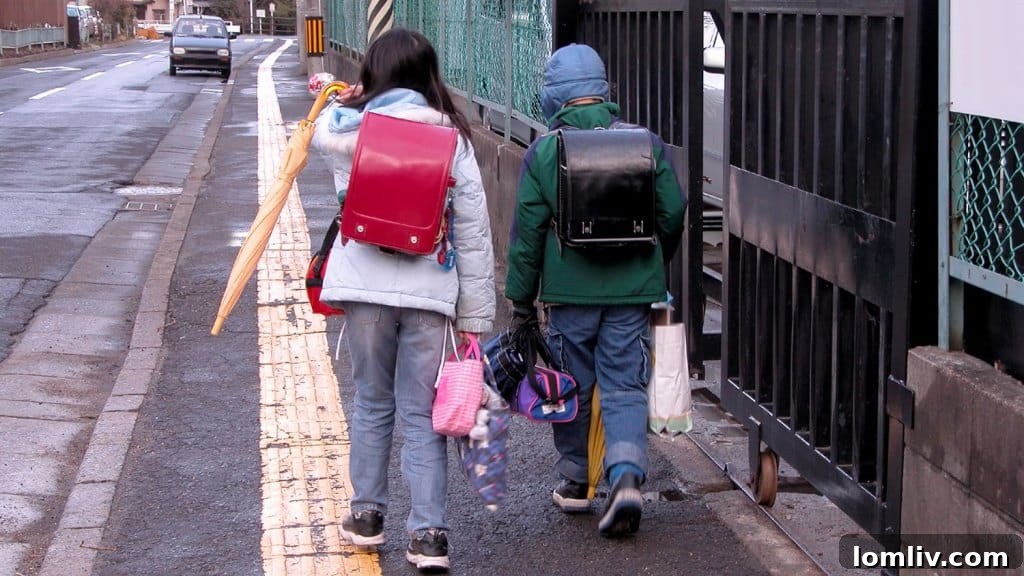
The story that captured national attention involved a Maryland couple, Alexander and Danielle Meitiv, and their two young children. As The Washington Post reported, their 10-year-old son and 6-year-old daughter were simply walking one mile home from a park in Silver Spring. This seemingly innocent act, a hallmark of childhood independence for generations, triggered an unexpected chain of events. An anonymous caller alerted authorities, leading to police intervention. The children were picked up halfway home and driven the rest of the way. While no criminal charges were filed against the Meitivs, the incident escalated hours later with the arrival of Montgomery County Children’s Protective Services (CPS).
According to the Meitivs, a CPS worker demanded Alexander sign a safety plan, effectively prohibiting them from leaving their children unsupervised until a follow-up visit days later. The implied threat was clear: refusal would result in the removal of their children. Subsequently, CPS interviewed both children at school and returned to the family’s home, indicating a full investigation into what many perceive as a fundamental parental right—the right to foster independence in a safe, familiar environment. This case ignited a national discussion, forcing us to confront a critical question: when did allowing children to walk home alone become a potential crime?
The Ripple Effect: What the Maryland Case Signifies
This incident is more than just an isolated event; it’s a potent symptom of broader cultural shifts and conflicting values. It highlights several key areas of concern:
- The Erosion of Childhood Independence: A generation ago, children routinely walked, biked, and explored their neighborhoods unsupervised. The Maryland case underscores how dramatically societal norms have changed, often driven by an exaggerated perception of danger.
- Parental Rights vs. State Intervention: It brings to the forefront the delicate balance between a parent’s right to raise their children according to their philosophy (such as free-range parenting) and the state’s mandate to protect children from genuine harm.
- The “Culture of Fear”: Media sensationalism, coupled with genuine safety concerns, has contributed to a pervasive culture of fear, making independent outdoor play increasingly rare and often viewed with suspicion. This fear often overrides common sense, particularly in communities that are otherwise considered safe and well-connected.
- The Disconnect in Community Design: We advocate for walkable communities, yet simultaneously penalize the very behaviors that such environments are designed to encourage. This creates a contradictory message for families and urban planners alike.
The Promise of Walkable Communities: Reclaiming Neighborhood Life
The vision of a walkable community is not merely about convenience; it’s about fostering social cohesion, promoting health, and building resilient local economies. Imagine neighborhoods where schools, grocery stores, parks, and essential services are all within an easy walk—a concept that city planners championed as far back as 1967. Such environments naturally encourage children to explore, engage with their surroundings, and develop a sense of independence, precisely what the Meitivs were attempting to instill in their children. Silver Spring, MD, where the incident occurred, is described by Grist writer Ben Adler as a “liberal-leaning inner-ring Montgomery County suburb,” notably more racially and socioeconomically diverse than many of its counterparts. This context further complicates the narrative, suggesting that even in areas striving for progressive urbanism, deeply ingrained anxieties about unsupervised children persist.
Why Walkability Matters: Benefits Beyond Convenience
The drive for more walkable cities and towns extends far beyond the simple ease of access. It encompasses a multitude of benefits that enhance individual well-being and community vitality:
- Enhanced Physical Health: Regular walking and cycling reduce rates of obesity, heart disease, and other chronic conditions, contributing to a healthier populace.
- Environmental Sustainability: Less reliance on cars means reduced carbon emissions, improved air quality, and a smaller ecological footprint, aligning with global efforts to combat climate change.
- Stronger Community Bonds: When people walk, they interact more with neighbors, patronize local businesses, and develop a deeper connection to their surroundings, fostering a stronger sense of community belonging.
- Economic Vibrancy: Walkable areas often attract businesses and residents, leading to higher property values, increased foot traffic for local shops, and a more dynamic local economy.
- Increased Childhood Independence: In safe, walkable environments, children can navigate their surroundings more freely, developing problem-solving skills, spatial awareness, and confidence.
Challenging the Automobile-Centric Culture
The societal shift towards confining children to cars is not without its costs. As Ben Adler insightfully points out, “The suburban American consensus to keep children confined to cars is not actually in their interest: Cars belch asthma-inducing pollution, contribute to climate change, and make us fat. But cars seem safer to the superstitious and ignorant. And so a suburbanite calls the cops when he sees a 10-year-old walking without adult supervision, and the cops pick the child up instead of seeing that nothing is amiss and leaving him alone. And then Children’s Protective Services acts as if these scientists are the crazy ones.” This profound observation cuts to the core of the issue. The perceived safety of a car often overshadows its tangible downsides, from environmental damage to public health crises. When this fear translates into punitive action against parents simply encouraging independent mobility, it highlights a deep societal disconnect. Similar arguments can be made against the unintended consequences of busing children across town for school, a policy that, however well-intentioned, often strips neighborhoods of their identity and children of their ability to walk to their local school, as seen in Dallas public schools in the 1970s.
Navigating the Bureaucratic Maze: Good Intentions vs. Real-World Outcomes
This narrative extends beyond individual incidents, touching upon a broader critique of how government policies, often driven by good intentions, can inadvertently complicate our lives and stifle progress. There’s a persistent concern that bureaucrats, at times lacking common sense or a holistic view, can inadvertently create systems that prioritize rigid adherence to protocols over fostering thriving communities and independent children. When numerous government agencies operate in silos, their policies can crisscross, contradict, and ultimately cancel each other out, making it incredibly difficult for positive change to take root.
The challenge is particularly acute in areas where planning, transportation, and child protective services intersect. How can we simultaneously advocate for walkable urban environments that encourage independence, while government agencies penalize the very acts of independence that these environments are meant to facilitate? This bureaucratic inertia often hinders forward momentum, preventing communities from realizing their full potential for health, safety, and vitality. It’s a critical moment for civil servants and policymakers to re-evaluate whether current policies truly serve the best interests of children and communities, or if they are, in fact, creating unnecessary obstacles.
Distinguishing Responsible Independence from Neglect
It’s crucial to draw a clear distinction between responsible free-range parenting and actual neglect. While advocating for greater childhood independence, it’s also important to acknowledge that there are limits. For instance, the original article touches upon another case: Grist’s Brentin Mock reported on a South Carolina mother who, due to work obligations, allowed her 9-year-old daughter to entertain herself at a playground and was subsequently arrested for “unlawful conduct towards a child.” While one can sympathize deeply with a parent struggling to make ends meet, leaving a 9-year-old alone at a playground for extended periods does cross a line for many, including the author. The goal of free-range parenting is to foster self-reliance within reasonable safety parameters, not to abdicate parental responsibility. This distinction is vital in navigating the public discourse and ensuring that legitimate concerns about child welfare are addressed without unduly punishing responsible parents who simply wish to grant their children a degree of freedom.
A Call to Action: Fostering Resilient Children and Thriving Communities
The current situation presents a ridiculous paradox: we strive for walkable, connected communities that promote health and independence, yet government policy and societal anxieties often cripple forward movement. This incongruity undermines efforts to improve our communities and create environments where children can flourish, fostering resilience and curiosity. The key lies in a fundamental readjustment of our collective assumptions.
Americans need to rethink how modern families operate, what truly constitutes a safe or dangerous environment for children, and how our civil servants can be best utilized. Instead of operating under a default assumption of peril, we must cultivate an environment that supports responsible parental choices and promotes child independence. This means moving beyond a zero-risk mentality, which is both unattainable and detrimental to healthy child development.
Rethinking Our Approach to Child Safety and Community Planning
The path forward requires a multi-faceted approach:
- Empowering Parents: Trusting parents to make responsible decisions about their children’s independence, within reasonable community standards.
- Educating the Public: Countering media-driven fears with evidence-based information about child safety and the benefits of outdoor, unsupervised play.
- Reforming Policies: Encouraging child protective services to focus their resources on genuine cases of abuse and neglect, rather than intervening in situations where children are simply exercising age-appropriate independence in safe environments.
- Integrated Urban Planning: Designing and investing in communities that are genuinely safe and conducive to walking, cycling, and independent child exploration, complete with safe routes to school and accessible parks.
- Fewer Bureaucrats, More Focus: Re-evaluating the role and number of civil servants, directing those we need towards addressing serious societal issues like actual child abuse, rather than policing benign parental decisions.
Ultimately, the conversation around free-range children and walkable communities isn’t just about childhood; it’s about the future of our society. It’s about building places where human connection thrives, where health is prioritized, and where children grow up with the confidence, resilience, and independence necessary to navigate an ever-changing world. It requires a thoughtful re-evaluation of our priorities, a dose of common sense, and a collective commitment to fostering both independent children and the vibrant communities they deserve.