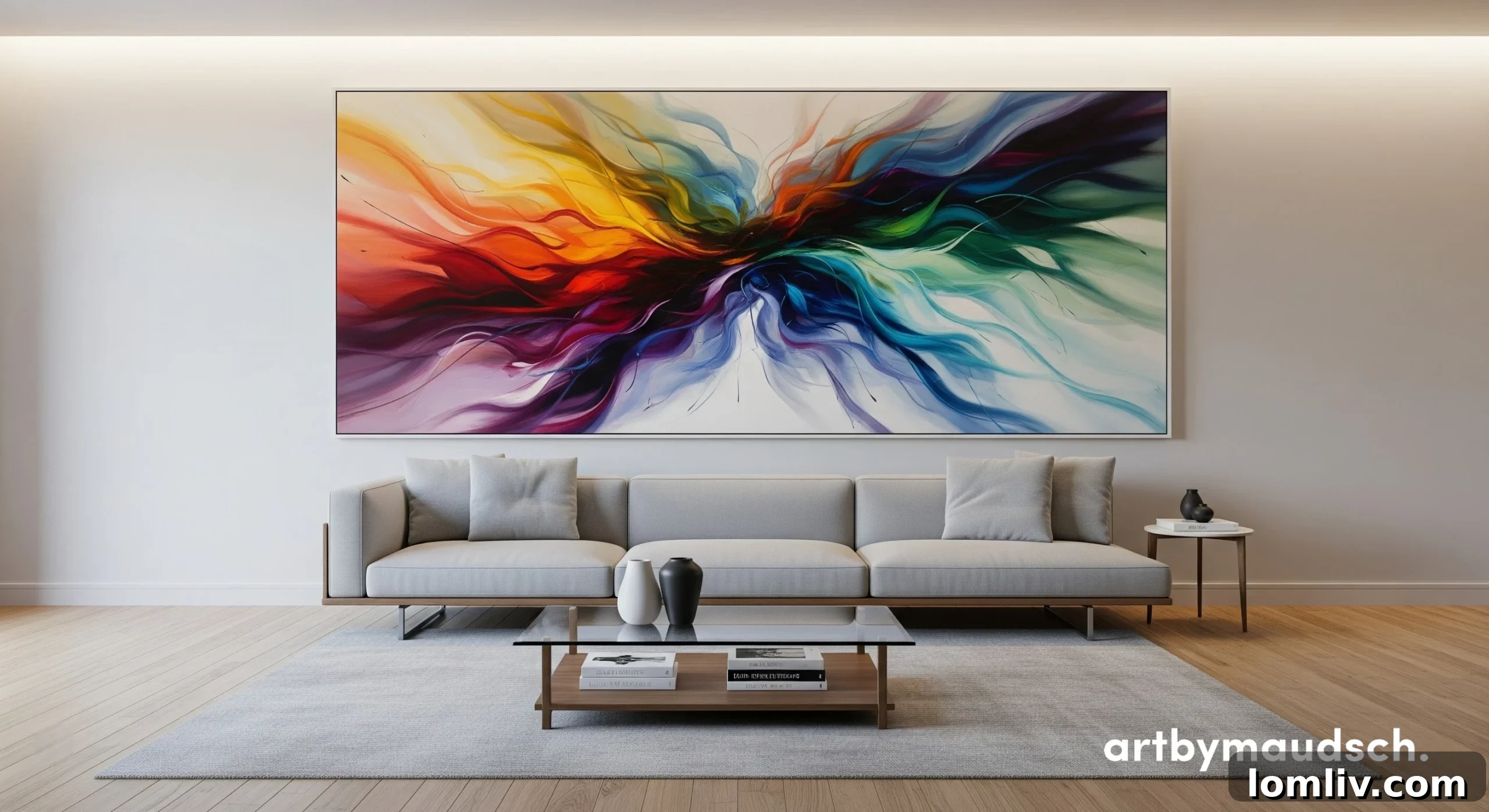
Imagine two homes, identical in layout, flooring, and even paint color. Yet, the moment you step inside, they exude completely different auras. This striking disparity often originates from a surprisingly simple element: the artwork adorning the walls. More than just a decorative accent, wall art serves as an emotional compass, instantly guiding perceptions and shaping the overall atmosphere of a space.
Before any intricate decor details like coffee table styling or curtain quality are consciously registered, the human brain rapidly processes the dominant colors within a room. This subconscious assessment leads to an immediate judgment: Is the space calming or energizing? Cozy or cold? Luxurious, playful, or serious? This swift cognitive process highlights why thoughtfully chosen wall art can significantly influence first impressions, far exceeding most people’s expectations. Paintings do more than merely fill empty wall space; they intentionally steer the mood of an interior, acting as powerful design tools.
For avid home design enthusiasts, interior decorators, or anyone considering enhancing their property’s resale value, understanding the psychology of color in art is invaluable. The right painting palette can imbue a home with a sense of welcome, modernity, and completion, often without the need for extensive, budget-draining renovations. This comprehensive guide will explore the fascinating interplay between color psychology in paintings and interior design, offering practical advice on how to select artwork that perfectly aligns with your desired room ambiance.
Why Wall Art Influences Room Mood Faster Than Other Decor Elements
In the realm of home design, first impressions unfold with remarkable speed. Upon entering any room, the brain instinctively conducts a rapid scan for major visual signals, prioritizing elements such as light, overall layout, and, crucially, color. Paintings frequently represent one of the most substantial blocks of color present in a space. Their scale often surpasses that of smaller decorative items like vases or accent pillows, and their typical placement within the direct line of sight ensures immediate visual prominence.
This inherent visibility and size are precisely why a painting possesses the unique ability to override or redefine the mood you initially believed you had cultivated. Consider a room painted in soft, tranquil beige. Now, envision hanging a vibrant, abstract red painting within it. Suddenly, the room’s character shifts dramatically, feeling more intense, modern, and perhaps even a touch edgy. Replace that same red abstract with a serene, hazy blue landscape, and the identical beige room takes on an entirely different emotional temperature. One composition might invite lively conversation and stimulate engagement, while the other encourages deep relaxation and a sense of calm. This powerful transformation underscores the role of paintings as unparalleled mood-setters, primarily because they introduce color on a significant and impactful scale.
Essential Concepts for Harmonizing Art and Atmosphere
Before diving into specific color choices for your wall art, it’s crucial to grasp two fundamental design concepts that profoundly influence how a painting interacts with an interior space. Understanding these principles will empower you to make more informed decisions, ensuring your art choices contribute precisely to the desired mood and aesthetic.
- Visual Temperature: The Emotional Dial of Color. Colors possess an intrinsic visual temperature, influencing our emotional response and perception of a space. Warm colors, encompassing reds, oranges, yellows, and earthy terracottas, typically evoke feelings of intimacy, energy, and social warmth. They tend to draw walls inward, making large rooms feel cozier and more inviting. Conversely, cool colors, such as blues, greens, and cool grays, tend to project a sense of calm, tranquility, and expansiveness. They can make a room feel larger and more open, fostering an atmosphere conducive to relaxation or focus. Neither temperature is inherently superior; rather, they serve distinct purposes, directing the energetic flow and emotional tenor of a room in different directions.
- Saturation and Contrast: Defining Vibrancy and Visual Interest. These two elements dictate the visual punch and complexity of a painting. High saturation refers to the intensity or purity of a color. Highly saturated hues appear bold, vibrant, and lively, instantly grabbing attention and infusing a space with dynamic energy. Low saturation, on the other hand, characterizes muted, desaturated, or pastel colors, which convey a sense of refinement, airiness, and subtlety. High contrast in a painting, achieved through significant differences between light and dark values or complementary colors, creates drama and visual excitement, making the artwork a compelling focal point. Low contrast, where colors and tones blend more seamlessly, fosters a sense of cohesion, softness, and soothing harmony, allowing the art to integrate more quietly into the overall design.
Exploring How Different Color Palettes Shape Room Communication
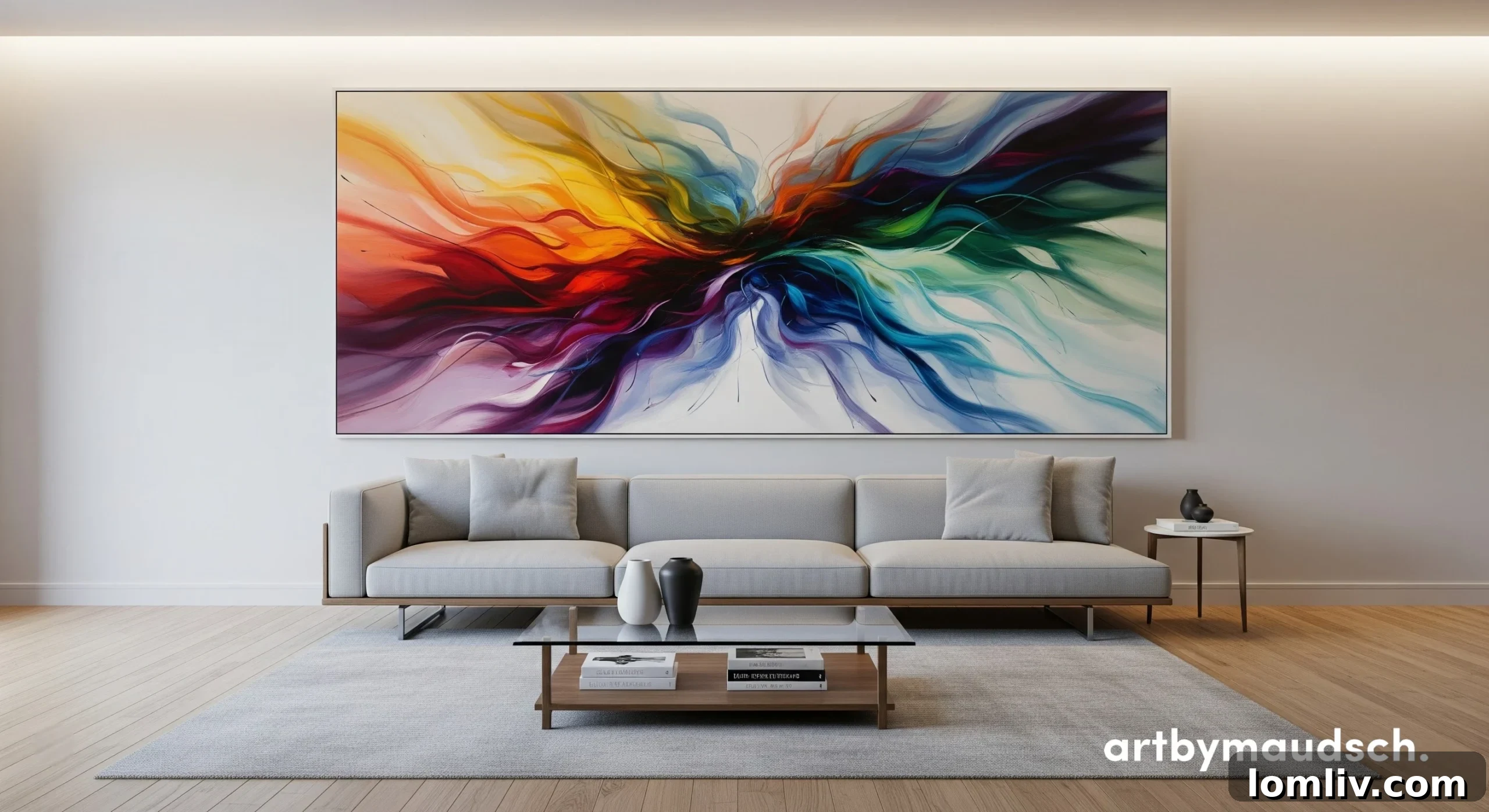
While color psychology is influenced by individual experiences and cultural contexts, within the sphere of home interiors, specific color palettes in artwork consistently tend to generate predictable and desirable impressions. These can be considered reliable design signals, offering a framework rather than rigid rules, to guide your art selection and cultivate your desired ambiance.
Warm Tones: Embracing Coziness and Social Connection
Artwork featuring warm hues like deep reds, vibrant oranges, sunny yellows, rich rust, and earthy terracotta naturally imbues spaces with an active, welcoming, and intimate feel. These colors possess an innate ability to visually draw elements closer, fostering a sense of warmth and belonging. Consequently, paintings dominated by warm tones are exceptionally effective at mitigating the vastness of large, open-concept rooms, making them feel less cavernous and more inviting for interaction and relaxation.
- Where they excel: This palette is particularly well-suited for social zones such as living rooms, dining areas, kitchens, and entryways. In these spaces, warm art encourages conversation, creates an inviting atmosphere for guests, and adds a cheerful disposition to daily activities.
- Important considerations: While warmth is generally desirable, highly saturated reds or fiery oranges can become overwhelming or even aggressive if the surrounding interior already boasts a visually busy or loud aesthetic. For those seeking the comforting embrace of warmth without intense vibrancy, opt for warm tones that are muted, dusty, or derived from natural earth pigments. These versions offer a softer, more sophisticated warmth that integrates seamlessly without dominating the space.
Cool Tones: Fostering Calmness and Spaciousness
Paintings featuring cool colors such as serene blues, tranquil greens, subtle cool grays, and evocative sea tones inherently promote a sense of calm, clarity, and openness. These hues have a unique ability to make a room feel larger, more expansive, and lighter. This effect is particularly pronounced when the artwork incorporates soft, gradual color transitions rather than abrupt, sharp contrasts, allowing the eye to glide effortlessly across the canvas and beyond.
- Where they excel: This palette is ideally suited for private retreats and functional spaces, including bedrooms, bathrooms, home offices, and contemporary living areas. In bedrooms, cool art supports restful sleep; in bathrooms, it enhances a spa-like tranquility; and in home offices, it can aid focus and reduce visual stress.
- Important considerations: While cool tones are celebrated for their calming properties, an excessive application in rooms already featuring cool lighting or cool architectural finishes (e.g., gray flooring, chrome fixtures) can inadvertently render the space feeling sterile or overtly cold. To counteract this, it’s vital to introduce balancing elements such as warm-toned wood furniture, metallic accents like brass or copper, or rich, textured textiles that add softness and warmth.
Neutrals: Embodying Timelessness and Versatility
Neutral paintings, encompassing a sophisticated spectrum of creams, beiges, taupes, classic black-and-white compositions, and subtle charcoal sketches, are the epitome of understated elegance. They effortlessly cultivate a quiet luxury vibe, making them ideal for homes that prioritize textural richness and the inherent quality of materials. Think spaces adorned with plush linen, exposed wood grain, textured plaster walls, and inviting boucle fabrics. Neutral art acts as a sophisticated backdrop, allowing these tactile elements to shine.
- Where they excel: Due to their inherent versatility, neutral art pieces seamlessly integrate into virtually any room. They are particularly effective in staged homes or properties aimed at resale, as they offer a universally appealing aesthetic that doesn’t distract potential buyers from envisioning their own belongings in the space.
- Important considerations: The primary challenge with neutral art arises when the entire room is also dominated by neutral tones. In such instances, the artwork can risk disappearing into the background, failing to make a distinct visual impact. The effective solution lies in embracing texture. Opt for neutral pieces that exhibit discernible depth, such as visible brushstrokes, layered compositions, subtle patterns, or a strong, albeit monochromatic, focal area. These textural elements provide the necessary visual interest, preventing the art from becoming monotonous.
Earth Tones: Grounded in Nature and Serenity
Earth-tone paintings draw their inspiration from the natural world, utilizing a soothing palette of clay, sand, olive green, ochre, warm browns, muted greens, and stone grays. These hues instantly evoke a sense of organic connection, grounding, and profound calmness. They serve as an excellent bridge, elegantly connecting modern, clean-lined aesthetics with a more lived-in, comforting warmth, creating interiors that feel both contemporary and invitingly natural.
- Where they excel: This palette is particularly effective in living rooms, bedrooms, hallways, and homes that feature abundant natural wood elements. Earth tones complement wooden finishes beautifully, enhancing their organic appeal and contributing to a cohesive, nature-inspired decor scheme.
- Important considerations: While inherently soothing, a room overly saturated with earth tones, especially without adequate visual contrast, can sometimes feel flat or uninspired. To maintain intentionality and prevent monotony, introduce subtle accents of deeper, more saturated colors found in nature. A touch of charcoal, a deep forest green, or an off-black detail within the artwork or surrounding decor can provide the necessary visual anchor and depth, elevating the overall aesthetic.
Jewel Tones: Injecting Luxury and Drama
Jewel-toned paintings, featuring rich and vibrant hues like emerald green, deep navy blue, opulent burgundy, sparkling sapphire, and luxurious plum, inherently convey a sense of richness and sophistication. Even a single, well-placed jewel-toned artwork has the power to instantly elevate a room, making it feel more upscale and opulent. This effect is particularly striking when these vivid pieces are paired with minimalist furniture and carefully planned lighting, which allows their vibrant colors to truly shine and become the room’s undisputed focal point.
- Where they excel: These bold and sophisticated colors truly come alive in spaces designed for elegance and entertaining, such as dining rooms, formal living rooms, executive offices, and luxurious boutique-style bedrooms. They create an atmosphere of refined indulgence and distinctive character.
- Important considerations: Jewel tones, by their very nature, are commanding and can easily dominate a smaller space. To maintain balance and avoid overwhelming the room, it’s crucial to keep the surrounding palette relatively quiet and understated. Alternatively, you can opt for a painting where jewel tones are used as deliberate accents rather than comprising the entire composition. This allows you to harness their luxurious appeal without sacrificing the overall harmony of the room.
Pastels: Cultivating Softness and Approachability
Pastel paintings, characterized by gentle hues such as dusty pink, serene pale blue, soft lavender, refreshing mint, and delicate peach, have the remarkable ability to make a space feel bright, friendly, and inherently relaxed. In contemporary interior design, pastels are most impactful when they lean towards a slightly muted or desaturated quality, rather than appearing overly saccharine or “sweet.” This nuanced approach ensures they convey sophistication alongside their inherent softness.
- Where they excel: These airy and gentle tones are perfect for bedrooms, nurseries, creative studios, and smaller apartments where the objective is to maximize lightness and create an inviting, unpretentious atmosphere. They promote a sense of calm and playfulness without being visually demanding.
- Important considerations: One common pitfall with pastels is the risk of them appearing juvenile or overly simplistic, particularly in a luxury or adult context. To elevate pastel artwork and integrate it seamlessly into a sophisticated interior, consider pairing it with structured frames (e.g., sleek black or minimalist metal), introduce darker, grounding accents elsewhere in the room, or combine it with more mature textures like crisp linen, raw silk, or natural wood. These elements provide contrast and depth, allowing the pastels to shine with refined charm.
When selecting your painting, always conceptualize its role: will it serve as a bold focal statement, commanding attention and setting the room’s primary tone, or will it function as a subtle bridge piece, harmonizing and connecting the existing color palette of the room? Both approaches are valid and highly effective, but attempting to achieve both functions with a single piece on the same wall often leads to visual confusion rather than cohesion.
A Room-by-Room Guide to Intentional Mood Setting with Art
Instead of merely asking, “Does this painting match my sofa?” elevate your approach by posing a more profound question: “How do I want this room to feel within the first five seconds of entering?” This shift in perspective will guide you toward art choices that truly transform your living spaces.
Entryway and Hallway: The Home’s Welcoming Handshake
Your entryway or hallway serves as the first impression of your home, much like a handshake. Artwork in this space should instantly convey a sense of invitation, confidence, and warmth. Ideal choices include paintings with warm neutrals, gentle earth tones, soft greens, or balanced abstracts featuring a serene palette. These colors create an immediate sense of ease and welcome. If your hallway is narrow, it’s crucial to avoid highly contrasting or intensely dramatic art, as it can act like a visual “stop sign,” making the space feel cramped and interruptive. A calmer, more cohesive palette helps guide the eye smoothly through the space, enhancing flow and openness.
Living Room: The Heart of Connection and Comfort
Living rooms are inherently multi-functional; they are spaces for social gatherings, lively conversations, and quiet moments of unwinding. Paintings with warm undertones often integrate beautifully here, fostering an atmosphere of comfort and connection. Consider hues like rust, clay, warm beige, or muted gold. This warmth is often most effective when subtly balanced by a few cooler touches, such as sage green or soft blue accents, which prevent the space from becoming overly saturated or heavy. For a lively living room, choose art with higher saturation or stronger contrasts to stimulate energy and visual interest. If your priority is a restful sanctuary, opt for softer transitions and muted tones that encourage relaxation and visual tranquility.
Bedroom: A Sanctuary for Rest and Rejuvenation
For the majority of individuals, bedrooms function optimally with low-saturation palettes that promote tranquility and rest. Envision serene misty blues, calming dusty greens, comforting warm neutrals, subtle charcoal sketches, or gentle abstract compositions that offer visual interest without being visually demanding. A painting can still be captivating and beautiful without being overtly stimulating. Crucially, avoid highly saturated reds, vibrant oranges, or neon tones in the bedroom, as these colors tend to elevate the room’s energy and can disrupt the quality of sleep, keeping the mind and body inadvertently alert.
Home Office: Cultivating Focus and Creativity
A home office benefits immensely from colors that support sustained attention and productivity without inducing stress or anxiety. Deep blues, grounding forest greens, sophisticated earthy neutrals, or structured abstracts with carefully controlled contrast are excellent choices. These palettes promote mental clarity and a focused work environment. If your work demands creative energy, introduce a small amount of warmth through accents. Burnt orange or ochre details within a painting can stimulate imaginative thought and inspiration without overwhelming the space or creating distractions from your tasks.
Dining Area and Kitchen: Spaces for Nourishment and Gathering
Dining areas and kitchens often thrive with the introduction of warmth, which enhances their inviting and communal nature. A painting featuring terracotta, warm beige, or golden tones can significantly increase the inviting feel of a dining space, encouraging conversation and a sense of connection during meals. Even modern, minimalist kitchens can benefit from art that incorporates a warm core, making the space feel more human and less utilitarian. If your kitchen already exudes warmth through elements like wood cabinetry and warm lighting, you can introduce cooler-toned art to achieve a harmonious balance. However, ensure these cooler accents remain soft and muted to maintain an overall welcoming ambiance.
Bathroom: The Epitome of Freshness and Relaxation
Bathrooms are inherently suited for cool tones and neutrals, as these palettes naturally support a fresh, clean, and relaxed feeling, akin to a spa retreat. Stick to soft blues, calming sea greens, and monochromatic prints. These colors enhance the sense of hygiene and serenity. When selecting art for the bathroom, prioritize compositions that are calm and uncluttered; too much visual busyness or intricate detail can counteract the desired spa-like effect, making the space feel less tranquil and more visually jarring.
Practical Tips for Selecting the Perfect Painting to Define Your Space
You don’t need a formal design degree to effectively choose art that transforms your home. By adhering to a few intelligent checkpoints, you can confidently navigate the selection process and avoid common pitfalls, ensuring your artwork perfectly complements your interior goals.
- Begin with the room’s fundamental purpose. Prioritize the desired mood and function over simply matching existing decor. Clearly define what you want the space to achieve. Is it a place for deep relaxation, vibrant energy, welcoming guests, or focused concentration? Your answer should be the guiding principle for your art selection.
- Utilize the painting as your 10% strategic color boost. In many interior designs, the artwork can powerfully serve as the accent in the classic 60-30-10 color balance rule (60% dominant color, 30% secondary color, 10% accent color). If your room primarily features neutral tones, a carefully chosen painting can provide that intentional, impactful pop of color, making a statement without the need for numerous smaller accessories.
- Always test the artwork in real-world lighting conditions. Paintings can appear dramatically different under various lighting scenarios, shifting between natural daylight and artificial evening light. Always view the piece in both conditions within your home. Step back and observe it from the doorway – this perspective replicates how most visitors will initially experience the artwork, offering a crucial first impression assessment.
- Be mindful of subtle color undertones. Even colors that appear neutral on their own, such as a warm white wall and a cool gray painting, can clash due to their underlying hues. Before committing, carefully compare the whites, grays, and other subtle colors present in the artwork to your walls, flooring, and large textiles. Ensure their undertones harmonize rather than compete.
- Treat the frame as an integral part of the overall palette. The frame is not merely a border; it significantly influences the painting’s impact and the room’s mood. Natural wood frames, for instance, infuse a space with organic warmth and rustic charm. Thin black frames lend a sharp, modern, and sophisticated edge. Wide mats create visual breathing room around the artwork, enhancing its perceived value and adding a touch of classic sophistication.
- Opt for broad appeal if the property is for sale. When your objective is to create an irresistible first impression for potential buyers or renters, choosing universally comfortable artwork is paramount. Soft blues, gentle greens, warm neutrals, and calm abstract pieces tend to resonate positively with a wide audience. Conversely, art featuring extremely polarizing colors, aggressive imagery, or highly specific cultural references can unintentionally distract prospective occupants from envisioning themselves living comfortably in the home.
- Actively avoid common sizing and placement mistakes. Artwork that is too small for its designated wall, hung excessively high, or overly busy in a confined space can subtly disrupt the harmony of even a beautifully designed interior. When in doubt, err on the side of scaling up the size of the artwork and simplifying its composition. A larger, simpler piece often makes a stronger, more sophisticated statement than multiple small, cluttered ones.
Conclusion: Harnessing the Power of Intentional Art Selection
Paintings are far more than mere finishing touches; they are the very soul of a room, setting its fundamental tone and character. Because the human brain processes color with such remarkable speed, the palette adorning your walls has the unique power to profoundly shape how a space feels and is perceived, often before any intricate decorative details you meticulously labored over are even consciously registered.
By approaching art selection with a keen awareness of color psychology, you gain unparalleled control over the mood and first impressions your home projects. Warm tones inherently invite connection and foster a sense of intimacy. Cool tones possess the ability to expand a space, promoting calm and clarity. Neutrals, when chosen thoughtfully, elevate the overall design with timeless elegance and understated sophistication.
The path forward is clear and empowering. Begin by identifying the single most important mood you wish for a particular room to deliver. Whether it’s calm serenity, welcoming warmth, vibrant energy, or refined luxury, let this desired emotion be your compass. Then, choose a painting that makes that mood unmistakably evident within the first five seconds of stepping into the room. When your wall art leads with such clear intention, the entire space transforms, feeling more finished, deeply personal, and truly memorable, creating an atmosphere that resonates with both you and your guests.