Unlocking Your Dream Home: Why an Interior Designer is Indispensable for Your New Build or Renovation Project
By Michelle Lynne
President, ML Interiors Group
When embarking on the exciting journey of a new home build or a significant renovation, a question often arises: “Do I really need an interior designer?” The short, emphatic answer is yes! Investing in the expertise of a professional interior designer is not just a luxury; it’s often one of the most cost-effective and valuable decisions you’ll make throughout your entire project. It can save you time, money, and countless headaches, ensuring your vision truly comes to life.
For many homeowners, the initial phase of a building or renovation project can be daunting. You might feel overwhelmed trying to figure out where to even begin. If you’ve successfully secured a reputable builder, there’s a common misconception that the hardest part is over—that they’ll handle everything from that point forward. While builders are undeniably crucial to the structural integrity and successful construction of your home, their role, though vital, is distinctly different from that of an interior designer.
The idea of managing the design aspects of your project independently might seem appealing, perhaps even economical at first. However, this path often leads to immediate overwhelm and unforeseen complications. Homeowners quickly discover the immense effort, detailed planning, and time commitment required to manage everything from selecting furnishings and finishes to coordinating deliveries and troubleshooting issues. Juggling your daily responsibilities with the intricate demands of a design project can quickly become exhausting. Imagine the constant communication with various vendors, managing timelines, returning endless calls and emails, all while your personal space is temporarily transformed into a construction zone. The sheer volume of decisions, large and small, can be paralyzing.
In this comprehensive article, we will delve into the distinct roles of builders and interior designers, highlighting why bringing a team of these seasoned professionals together is ultimately in your best interest. We’ll explore how this collaboration not only prevents costly mistakes but also ensures your new or renovated space perfectly reflects your lifestyle, aesthetic preferences, and functional needs.
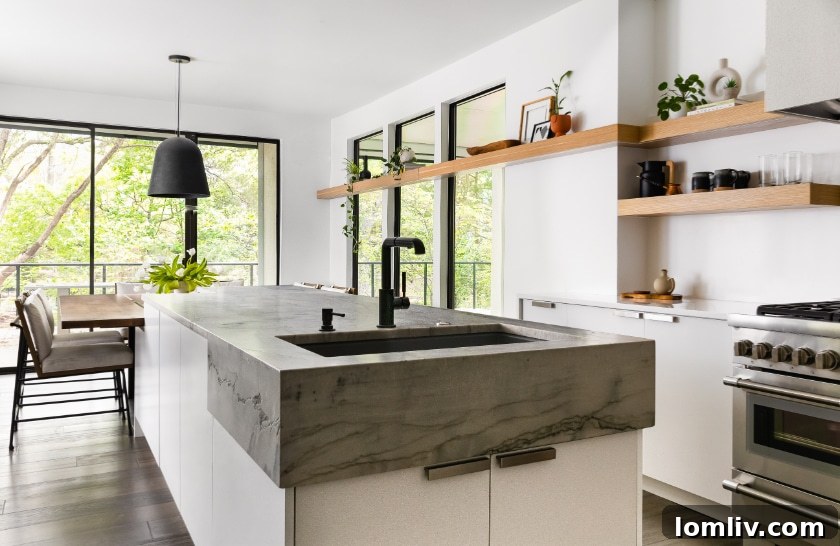
The Essential Role of Your Builder in New Construction and Renovation
A builder serves as the backbone of any construction or renovation project. They are primarily responsible for the physical realization of the structure and ensuring it adheres to all building codes, safety standards, and architectural plans. Their expertise lies in the tangible aspects of construction, making dreams stand on solid ground. Here’s a closer look at the critical responsibilities of a builder:
- Feasibility and Collaboration: Builders liaise closely with interior designers and architects to ensure that the proposed design is not only aesthetically pleasing but also structurally feasible and practical to implement in real life. While we at ML Interiors Group love to dream big, builders ensure those dreams have a solid foundation, advising on structural limitations and construction logistics.
- Sub-Trade Management and Quoting: They are responsible for obtaining detailed quotes for specialized sub-trades such as carpentry, electrical work, plumbing, HVAC, and painting. This includes vetting contractors and ensuring competitive pricing for high-quality workmanship.
- Project Timelines and Scheduling: Builders develop and manage the overarching project timeline, providing clear start and finish dates for various stages of work. This is incredibly important for homeowners to understand when certain areas of their home might be inaccessible or when specific milestones will be met.
- On-Site Coordination: They coordinate and manage all sub-trades, ensuring that the right teams are on-site at the appropriate times. This intricate dance of scheduling prevents delays and keeps the project moving forward efficiently. They also manage cost variations and unexpected on-site challenges.
- Building Material Procurement: Builders are responsible for ordering and ensuring the timely delivery of all structural and core building materials—think lumber, drywall, roofing, concrete, and basic utility fixtures. Their focus is on the components that form the physical shell and infrastructure of the home.
- Permitting and Inspections: Navigating the complex world of permits and mandatory inspections falls squarely on the builder’s shoulders, ensuring all work complies with local regulations and safety standards.
- Budget Oversight (Construction Phase): While the designer manages the budget for finishes and furnishings, the builder maintains strict oversight of the construction budget, ensuring that costs for labor and raw building materials stay on track.
What is NOT the Builder’s Responsibility: The Gaps an Interior Designer Fills
While builders are experts in construction, their focus typically does not extend to the nuanced aesthetic and functional decisions that transform a house into a personalized home. Understanding these distinctions is crucial for a successful project. Here’s what generally falls outside a builder’s primary scope:
- Material Selection Advice (Decorative Elements): Builders provide the structural materials, but they typically do not offer advice on specific fabric choices, wallpaper patterns, decorative tile selections, or the hundreds of other aesthetic finishes that define your home’s character.
- Space Planning and Furniture Layout: The strategic arrangement of furniture pieces, optimizing flow, and ensuring ergonomic efficiency within a room is not part of a builder’s expertise. Their focus is on room dimensions and structural walls, not how you’ll live within those spaces.
- Producing Detailed Design Documents and Drawings: While builders work from architectural plans, they typically do not create detailed interior design drawings such as comprehensive floor plans with furniture placement, elevation drawings for custom millwork, or 3D renderings that visualize the finished space.
- Making Specific Design Decisions: Aesthetic choices like the ideal height for a lighting fixture, the perfect paint colors to evoke a certain mood, accessory staging, or coordinating hardware finishes are beyond the builder’s purview. These are subjective, creative decisions that require a designer’s eye and understanding of your personal style.
- Arranging Fittings and Finishes for On-Site Delivery: Ensuring that specific light fixtures, custom cabinetry, plumbing fittings, or tiles are ordered, tracked, and delivered to the job site precisely when the relevant trades need them is a complex logistical task. Builders manage raw building materials; designers manage the procurement and logistics of finishes.
Now that we have a clearer understanding of the indispensable services a builder provides, let’s explore the equally vital role of an interior designer—and why having this expert on your team makes a truly remarkable difference, transforming a mere structure into your dream home.
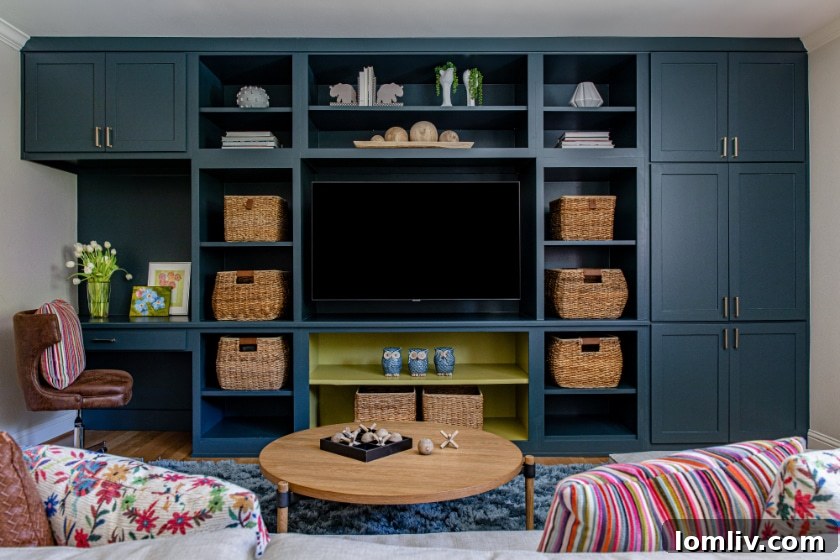
The Interior Designer: Your Visionary Guide and Project Maestro
An interior designer is far more than just a decorator; they are strategic thinkers, creative problem-solvers, and meticulous project managers who bridge the gap between architectural plans and livable, beautiful spaces. They are your advocate, guiding you through every aesthetic and functional decision, ensuring a cohesive and personalized outcome. Here’s a breakdown of the comprehensive role an interior designer plays:
- Realizing the Overall Vision: We take your abstract musings—like “I’d love a big kitchen for entertaining,” or “I need more comfortable seating for family gatherings”—and translate them into a tangible, functional, and stunning reality. This involves understanding your lifestyle, needs, and aspirations.
- Merging Client Goals with Expertise: We expertly merge your unique goals, daily lifestyle, and desired aesthetics with our extensive management and execution expertise. The objective is a final result that you genuinely love coming home to every single day, reflecting your personality in every detail.
- Providing Detailed Drawings and Renderings: To eliminate guesswork and prevent costly miscommunications, interior designers produce comprehensive detailed drawings. This includes precise floor plans with furniture layouts, elevation drawings for custom built-ins, and realistic 3D renderings. These visualizations allow you to “see” your space before any work begins, refining details like furniture scale, accessory configuration, and overall flow.
- Curated Selection of Finishes and Fittings: Designers meticulously select all interior finishes and fittings, from flooring and countertops to cabinetry, hardware, and plumbing fixtures. We often have access to trade-only suppliers and exclusive materials, ensuring a unique and cohesive consistency throughout your home. This expertise ensures selections are not only beautiful but also durable, functional, and within budget.
- Comprehensive Procurement Management: This critical role involves ordering all furnishings, fixtures, and decorative elements; meticulously tracking shipments; scheduling timely deliveries to align with the builder’s schedule; and efficiently dealing with any defective items, returns, or warranty claims. This invaluable service saves homeowners countless hours and stress, ensuring everything arrives correctly and on time.
- Ongoing Project Management and Communication: An interior designer acts as a central hub for communication, maintaining routine meetings and check-ins with the client, builder, and all involved trades. They ensure that the design vision is clearly communicated, challenges are addressed proactively, and the project stays on track and within budget.
- Engaging in a Final Walk-Through and Quality Assurance: Towards the project’s completion, the designer conducts a thorough final walk-through with the builder. This step solidifies perfection, identifying any last-minute adjustments or deficiencies. The designer acts as your advocate, having any necessary “hard conversations” with trades or the builder to ensure every detail meets the highest standards, taking pressure off the homeowner.
- Designing the Home’s Look and Style: This is where the artistry and expertise truly shine. Designers curate the entire aesthetic, encompassing everything from the subtle nuances of backsplashes and tile patterns, to the practical yet stylish selection and placement of flooring and lighting fixtures. They specify interior materials, finishes, hardware, furnishings, textiles, drapery/window treatments, paint colors, wallpaper, and accents—creating a harmonious and inviting atmosphere that embodies your personal style.
- Budget Optimization and Value Engineering: Designers are skilled at balancing aesthetics with your financial parameters. They can suggest alternatives or value-engineering solutions to achieve a high-end look without overspending, ensuring every dollar is invested wisely.
- Preventing Costly Mistakes: By meticulously planning every detail and visualizing the outcome beforehand, interior designers significantly reduce the risk of expensive errors, re-dos, and unexpected changes during construction. Their foresight saves you money in the long run.
- Maximizing Space and Functionality: Beyond aesthetics, designers excel at optimizing every square foot of your home. They ensure layouts enhance functionality, improve flow, and capitalize on natural light and views, making your home more comfortable and efficient.
- Adding Resale Value: A professionally designed home often boasts higher curb appeal and market value. Thoughtful, cohesive design choices and quality finishes can significantly enhance a property’s desirability and resale potential.
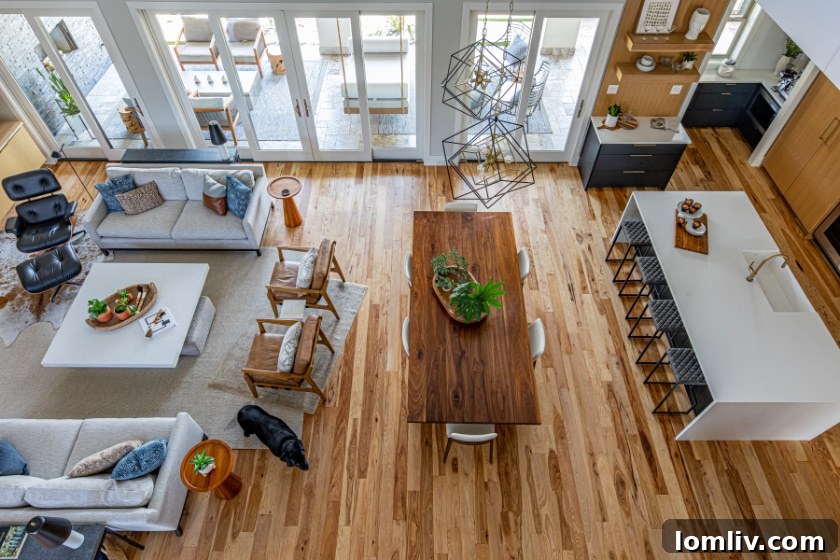
The Power of Seamless Collaboration: Builder and Designer Working in Harmony
In our extensive experience, the most successful new build and renovation projects are those that harness the collective power of a talented team of professionals—namely, a skilled builder and an expert interior designer—working in seamless collaboration. When their roles are clearly defined, their responsibilities understood, and their goals succinctly aligned, each expert can operate within their “zone of genius,” creating extraordinary outcomes.
This collaborative approach offers unparalleled benefits to the homeowner:
- Streamlined Process: With open lines of communication and mutual respect, the design and construction phases flow smoothly. Designers provide detailed plans that builders can execute efficiently, reducing delays and conflicts.
- Problem Solving: Challenges inevitably arise in any complex project. A unified team can quickly and effectively brainstorm solutions, leveraging both construction expertise and design creativity to overcome obstacles without compromising the overall vision.
- Shared Vision, Superior Execution: When both the builder and designer are working towards the same meticulously planned vision, the execution is far superior. The structural elements flawlessly support the aesthetic intentions, and the finishes perfectly complement the architectural framework.
- Reduced Stress for Homeowners: Having professionals manage the intricacies of both construction and design means you can enjoy the process without being burdened by the overwhelming details. You have peace of mind knowing your project is in capable hands.
- Optimized Budget and Timeline: Designers and builders work together to ensure that the budget for the entire project—from foundation to furnishings—is optimized, and timelines are realistic and adhered to, preventing costly overruns.
Ultimately, a collaborative approach ensures that your home is not just built but thoughtfully crafted, resulting in a space that is structurally sound, exquisitely designed, and perfectly tailored to your life. It’s an investment in a home that looks stunning, functions flawlessly, and brings you joy for years to come.
In conclusion, while a builder constructs the framework of your home, an interior designer infuses it with soul, personality, and unparalleled functionality. They are not merely an add-on but an indispensable asset, transforming your ideas into a sophisticated reality. From comprehensive planning and material selection to meticulous project management and final styling, an interior designer safeguards your investment, saves you precious time, and delivers a beautifully curated space that truly feels like home. Their expertise is truly one of the most inexpensive elements of your entire project when considering the value, peace of mind, and exquisite results they deliver.
If you’re looking for an extraordinary outcome for your next new build or renovation project, ML Interiors Group would be delighted to partner with you and bring your vision to life!

Michelle Lynne embarked on her interior design career after dedicating over a decade to the corporate world. She has since successfully built ML Interiors Group into a thriving design firm, boasting multiple talented designers and expanding its service offerings to include full-service residential, multi-family, and virtual design solutions. Her dedication and vision have made ML Interiors Group a leader in creating exceptional living spaces.